
 By Sagoh
In the hyper-saturated digital landscape of 2024, technical proficiency is no longer a differentiator. Thousands of bloggers optimize their content for search engines, adhere to the latest UI/UX best practices, and maintain rigorous editorial calendars. Yet, many find themselves trapped in a plateau of stagnation. The missing variable in this equation is rarely a lack of information or technical skill—it is the absence of a distinct, human personality.
Personality is the bridge between a casual visitor and a loyal community member. It is the intangible "x-factor" that transforms a forgettable information repository into a trusted brand. As algorithms shift to prioritize user intent and engagement, the ability to foster a genuine connection has become a prerequisite for long-term success.
The Anatomy of Connection: Why Readers Crave Authenticity
Data from recent content marketing studies suggests that readers are increasingly suffering from "content fatigue." With the explosion of AI-generated articles, audiences are gravitating toward creators who offer a unique, unverifiable perspective—their own lives, quirks, and subjective experiences.
A blog is not just a collection of data; it is a manifestation of the author’s voice. When that voice is muted, the blog becomes interchangeable with thousands of others. To understand how to reverse this trend, we look at ten industry leaders who have successfully leveraged personalization to scale their influence.
1. Visual Storytelling: The YTravel Approach
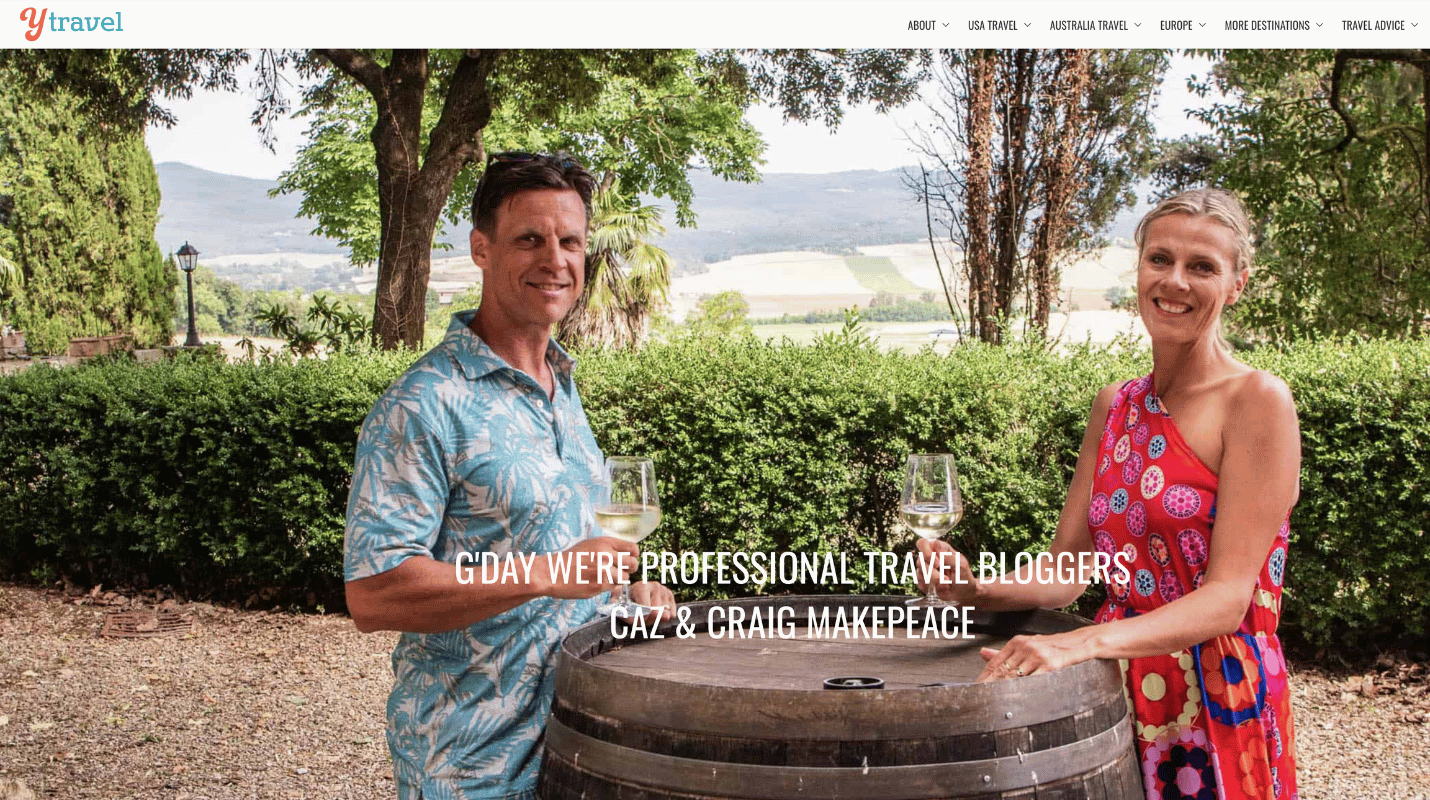
For niches like travel, lifestyle, and food, photography is the primary vessel for personality. Caz and Craig of YTravel mastered this by moving away from generic stock imagery.
The Strategy: Their blog thrives because they integrate candid, high-quality family photography directly into their narrative. Whether it is a chaotic moment of flying with children or a posed portrait of a milestone, these images do more than decorate the text—they provide a "window" into the bloggers’ lives.
Implications: When you use personal photos, you shift the reader’s perspective from "reading a guide" to "following a journey." This creates parasocial rapport, which is essential for building a long-term audience.
2. Defining Your Identity: Lessons from Pat Flynn
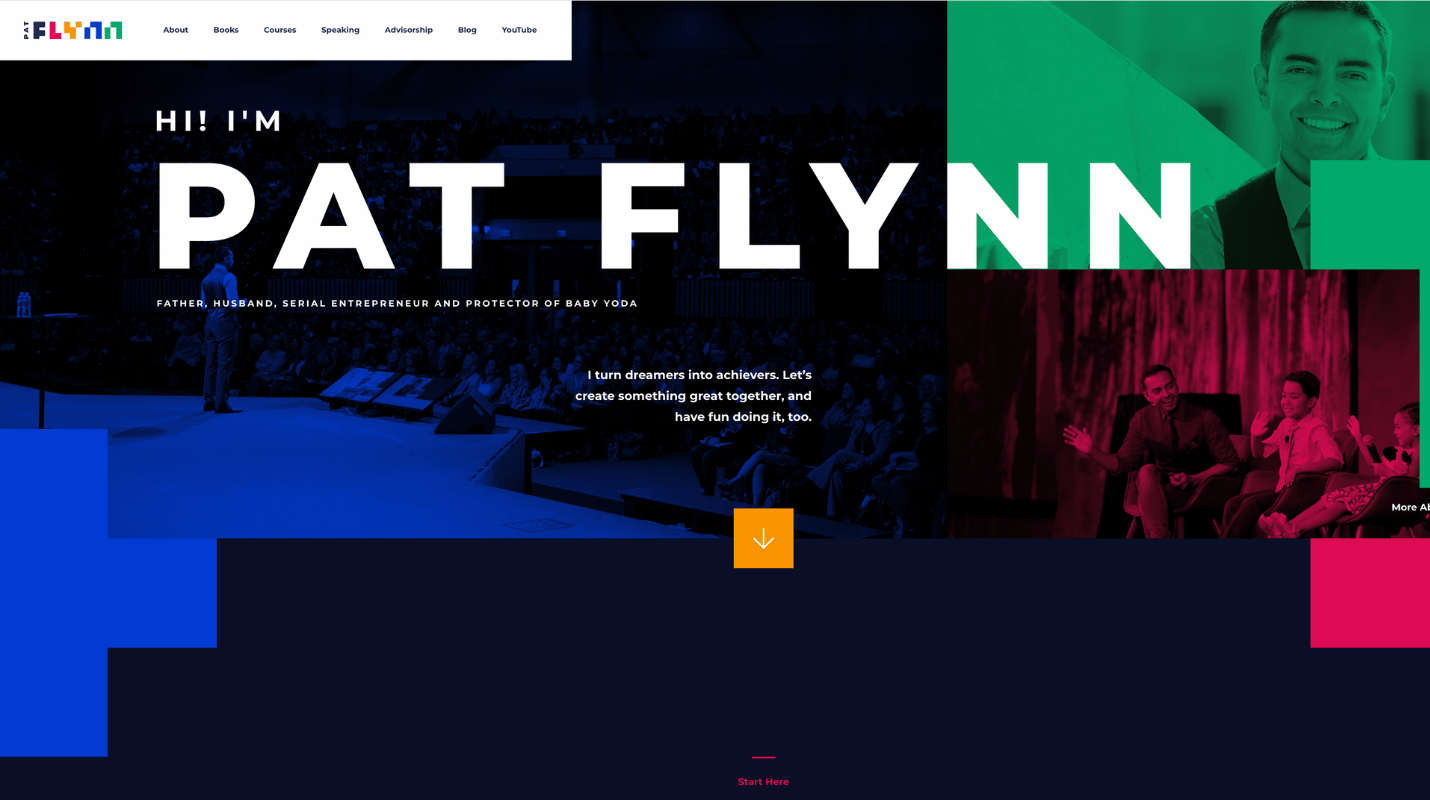
Pat Flynn of Smart Passive Income demonstrates that a personal brand isn’t just about what you do, but who you are.
The Strategy: Upon hitting his homepage, visitors aren’t just met with a business proposition. They are greeted by a breakdown of his identity: "father, husband, serial entrepreneur," rounded off by the playful, humanizing detail of being a "protector of baby yoda."
Supporting Data: By establishing these markers, Flynn allows his audience to self-identify with him. A reader who is also a parent or a fan of pop culture instantly feels a kinship, reducing the friction between "creator" and "consumer."
3. The Power of Tone: Embracing Polarization
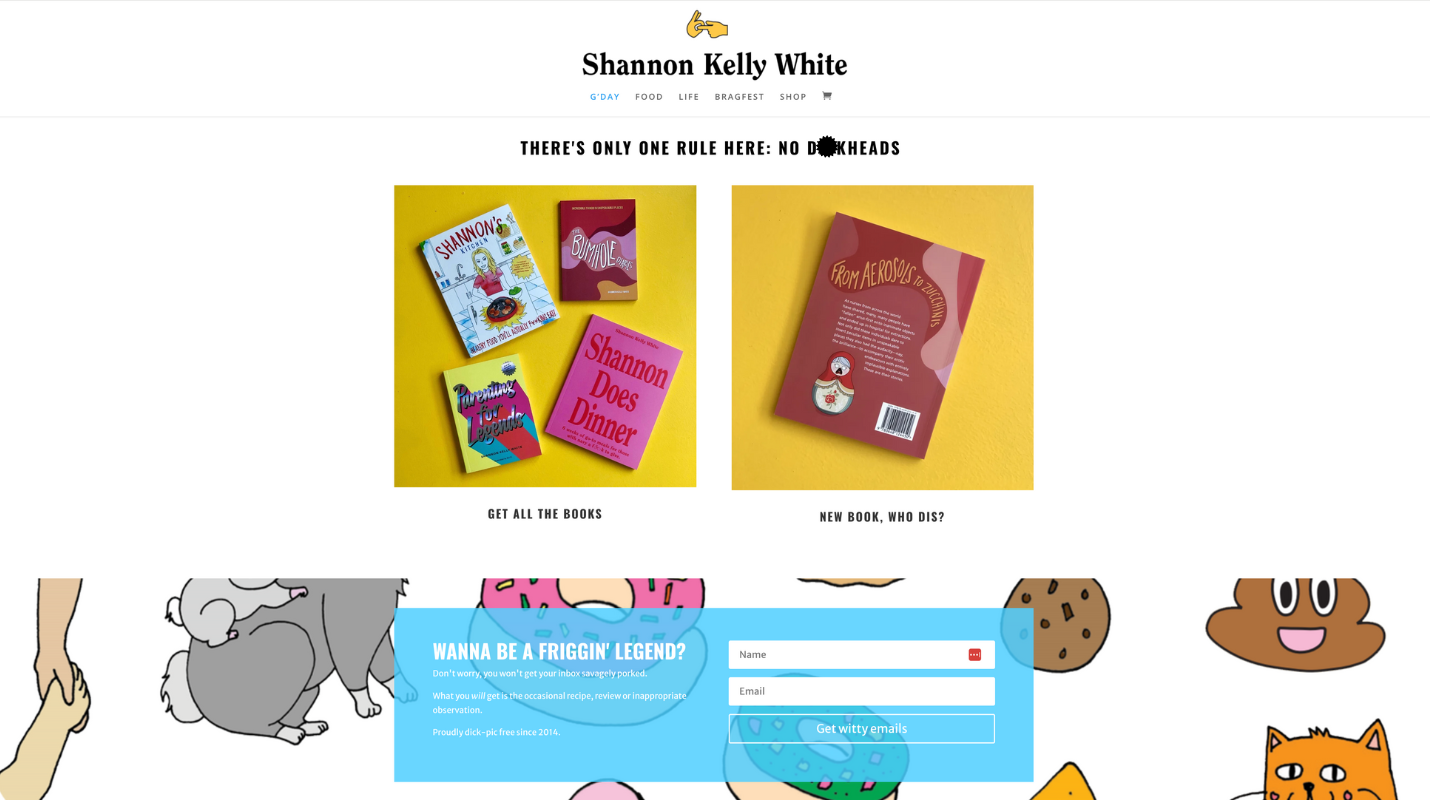
Shannon Kelly White illustrates a counter-intuitive truth: attempting to appeal to everyone usually results in appealing to no one.
The Strategy: White utilizes a distinct, often "salty" tone that acts as a filter. While some readers may find the language off-putting, those who resonate with it become hyper-loyal.
The Implication: In a crowded market, your tone is your defensive moat. By being unapologetically yourself—even if it is polarizing—you foster a deeper sense of community among those who share your worldview.
4. Visual Anchors: The Blog Tyrant’s Custom Illustration
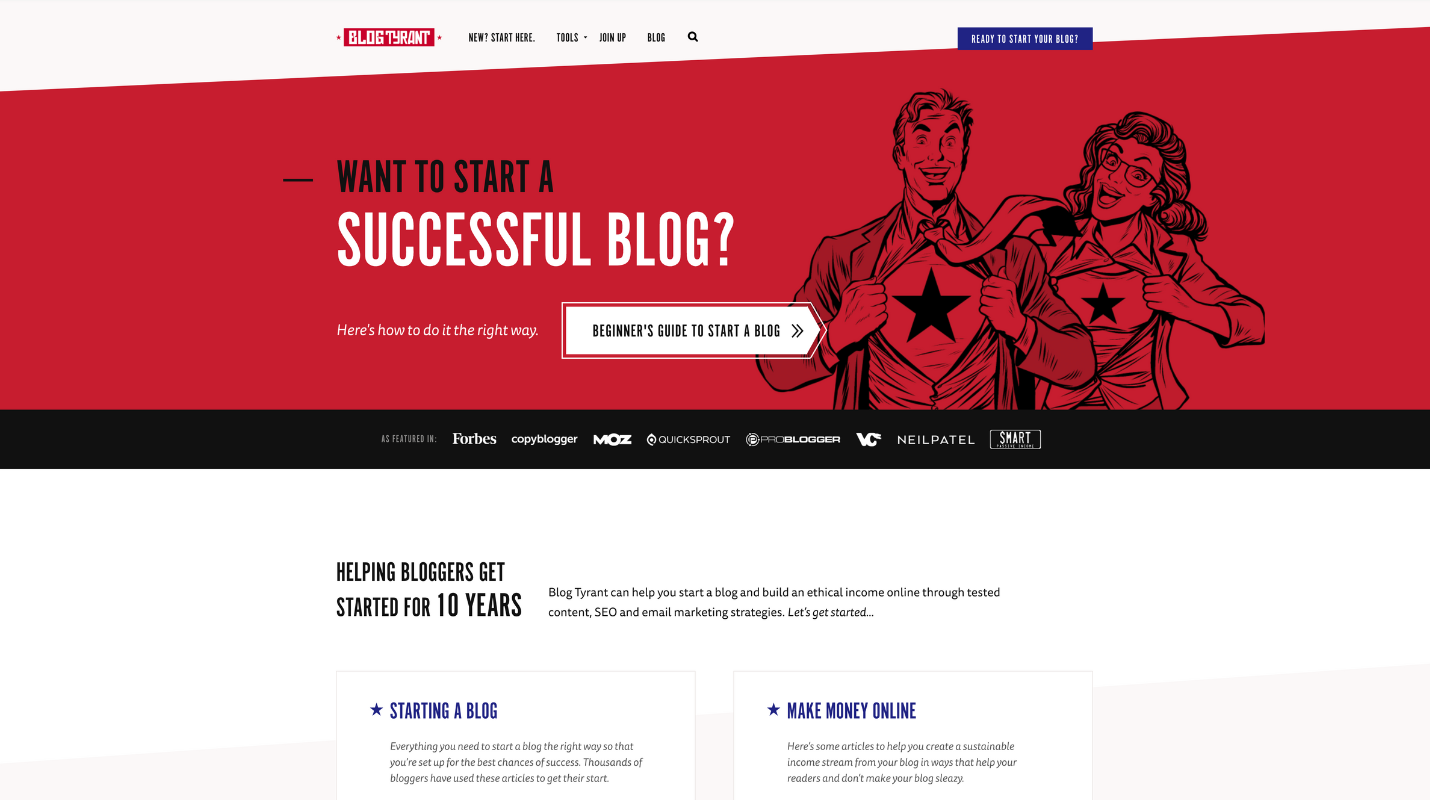
Ramsey, the creator of Blog Tyrant, understood that branding needs a mnemonic device.
The Strategy: He commissioned a custom superhero avatar that serves as a visual anchor across his site, social media, and digital products. This character is not just a logo; it’s a mascot that embodies the "voice" of the brand.
Lessons Learned: Custom visuals provide a level of professional polish that stock photos cannot match. They signal to the reader that this brand is invested in its own identity, which in turn builds trust.
5. The "About Page" as a Conversion Tool
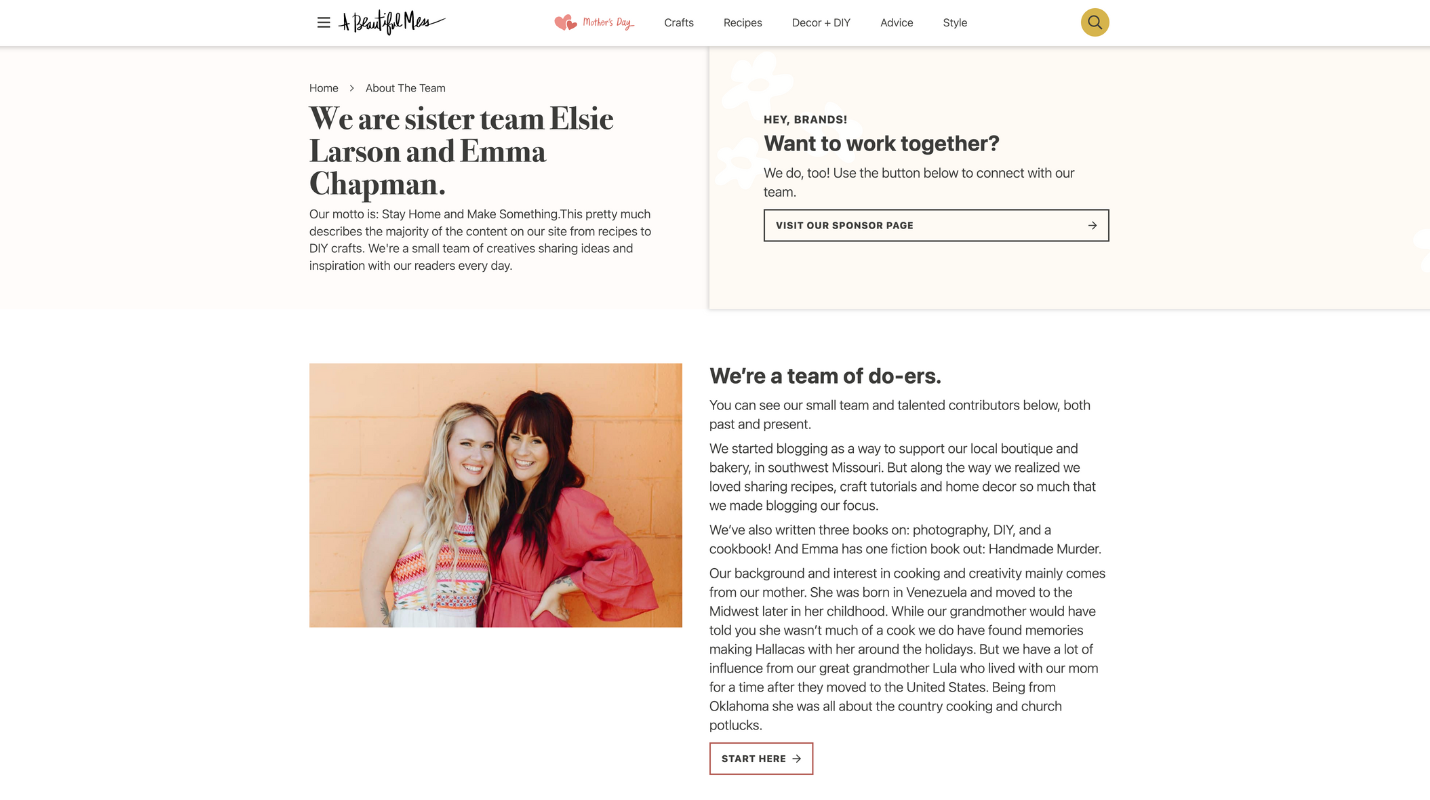
Elsie and Emma of A Beautiful Mess treat their "About" page as a landing page for human connection.
The Strategy: They avoid the "corporate biography" trap. Instead, they lead with vibrant, professional imagery and a concise, high-energy introduction.
Chronology of Engagement: Most readers arrive on a specific post, find it helpful, and then immediately check the "About" page to see if they like the person behind the screen. If that page is sterile, the connection is lost. If it’s warm and personal, the reader is converted into a subscriber.
6. Omni-Channel Consistency: The Chris Ducker Model
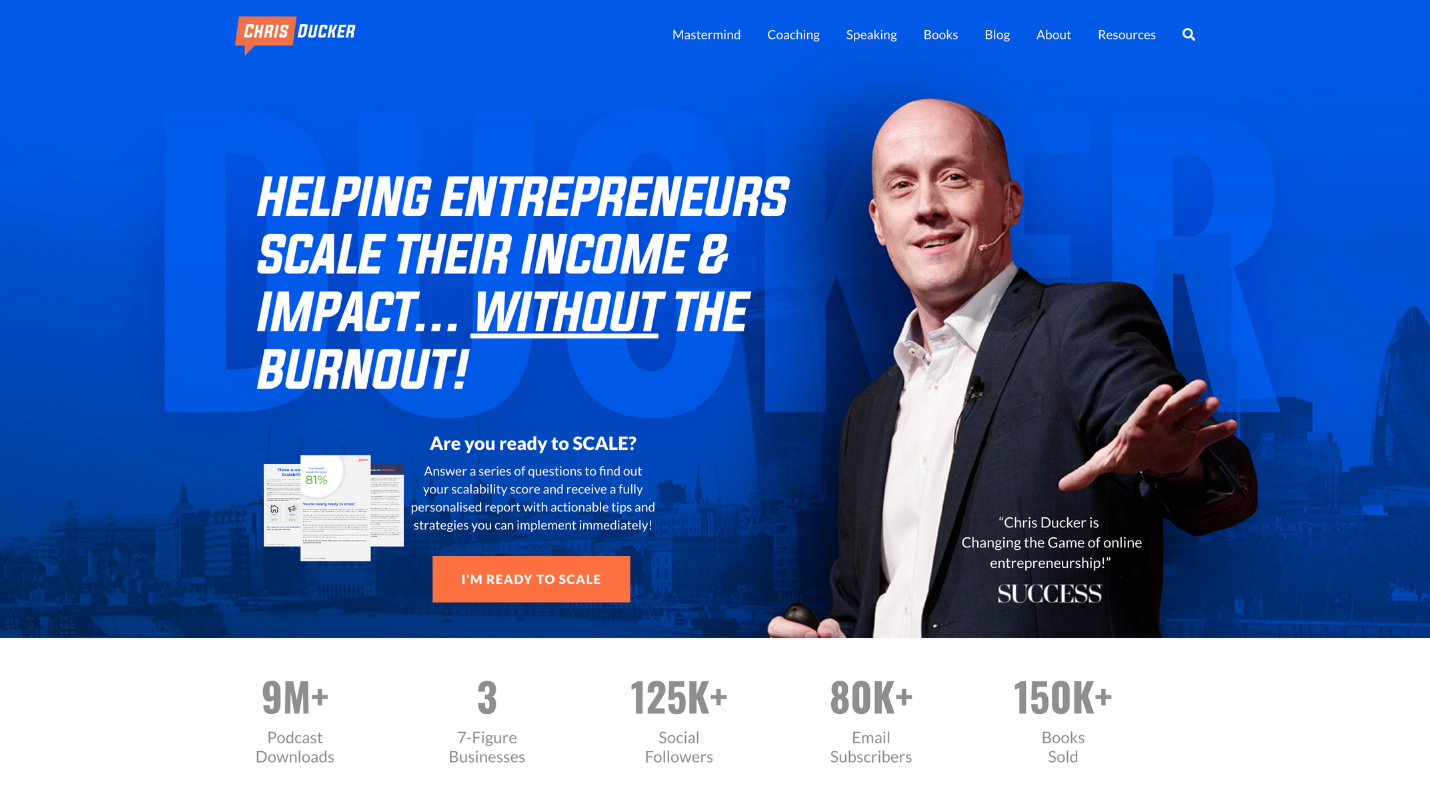
Consistency is the bedrock of recognition. Chris Ducker maintains a unified aesthetic across all touchpoints.
The Strategy: Whether on his blog, Twitter, or LinkedIn, Ducker uses the same professional, smiling headshot. This creates a psychological "shortcut" for the audience.
Supporting Data: In branding, the "Rule of Seven" suggests a user needs to see a brand multiple times before they engage. When your imagery is inconsistent, you reset that clock every time they encounter you on a different platform.
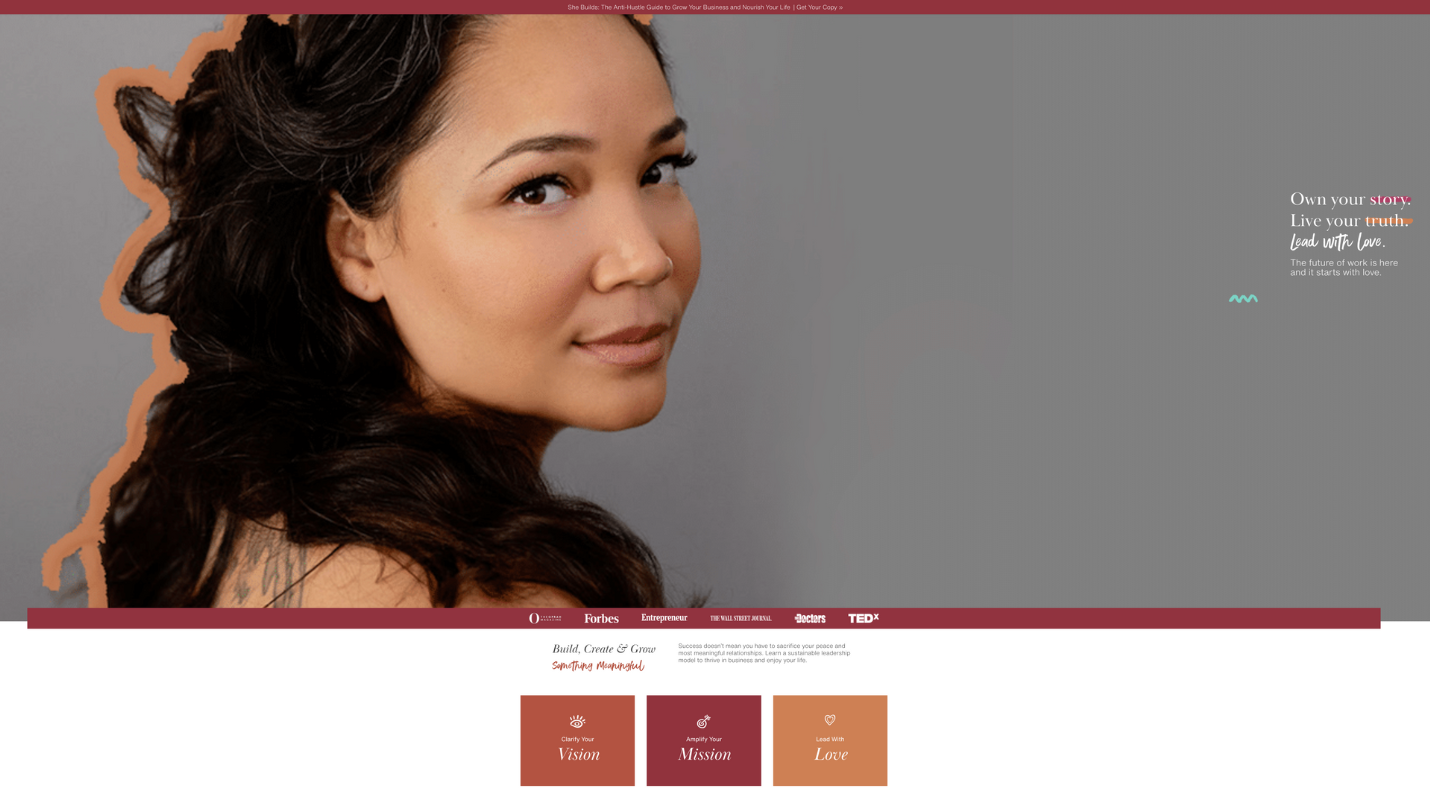
7. The Psychology of Color: Jadah Sellner’s Palette
Color is an unspoken language. Jadah Sellner’s site is a masterclass in using color theory to evoke a specific emotional state.
The Strategy: Her site design uses warm, earthy tones that perfectly match her personal wardrobe and photography style. This creates a seamless sensory experience where the visitor feels a consistent "vibe" from the moment they land on the page.
The Implication: When colors, photography, and text are aligned, the blog feels like a holistic environment rather than a hodgepodge of design elements.
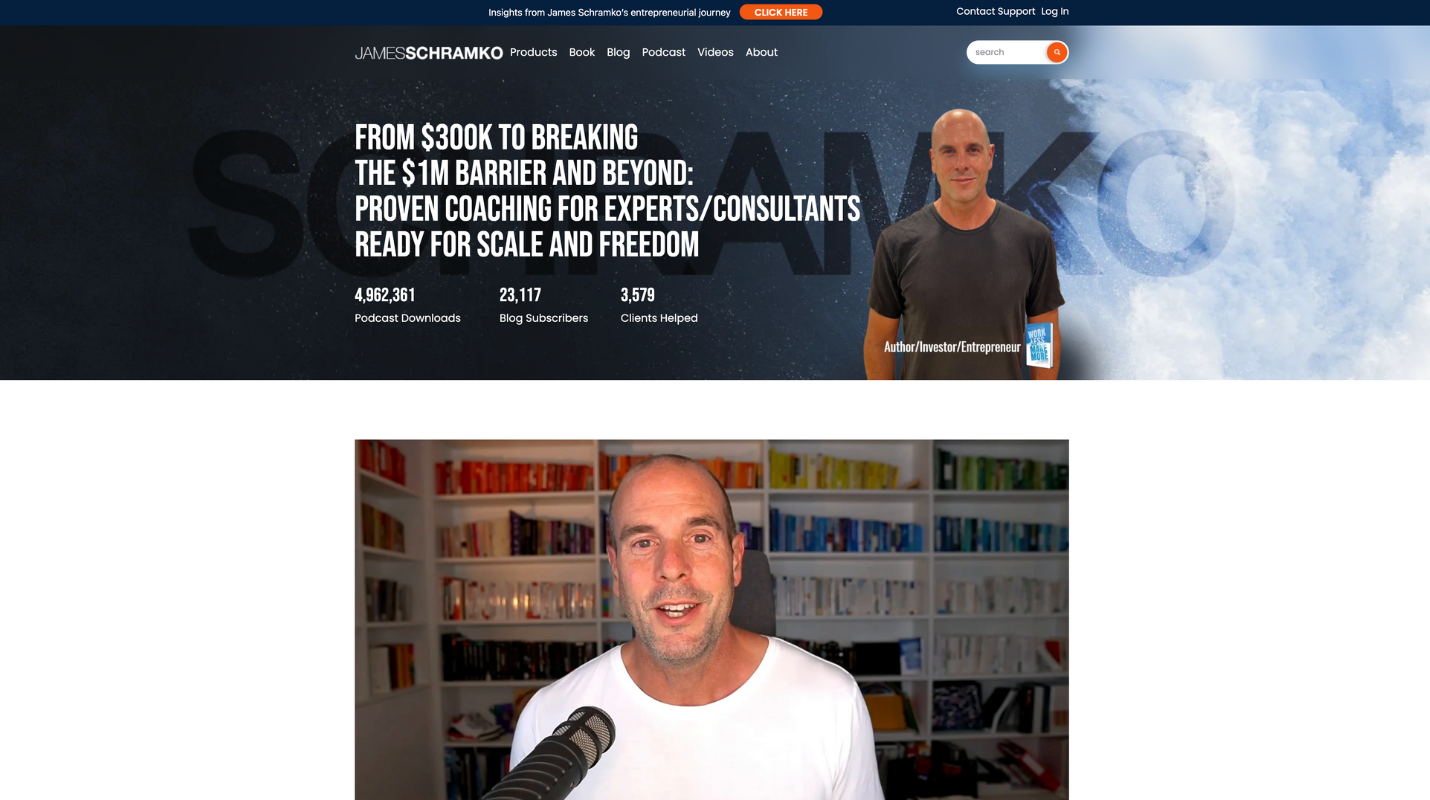
8. Clarifying the Value Proposition: James Schramko
Clarity is a form of kindness to your reader. James Schramko of SuperFastBusiness ensures that nobody has to guess what he does.
The Strategy: His site features a clear, bold brand statement. It identifies his services and, crucially, defines exactly who his ideal client is.
Official Response: By being hyper-specific, he repels the wrong audience and attracts the right one. This isn’t just about traffic; it’s about the quality of the traffic.
9. The Call-to-Action (CTA) Strategy: Kelly Exeter
Kelly Exeter’s approach to CTAs is a lesson in removing barriers.
The Strategy: Instead of relying on complex, multi-step email funnels, she directs readers to a simple "Find Out Here" button. It is a direct invitation to engage, stripped of corporate jargon.
Lessons Learned: The easier you make it for a reader to take the next step, the more likely they are to do so. Personalization means respecting the reader’s time by getting straight to the point.
10. Audience Identification: The Puttylike Quiz
Emily at Puttylike took personalization a step further by defining her audience for them.
The Strategy: By coining the term "Multipotentialite" and using a quiz to help readers identify if they fall into that category, she turned her blog into a hub for a specific identity group.
The Takeaway: People love to be categorized and understood. By providing a framework through which your readers can view themselves, you become an essential part of their personal identity.
Conclusion: The Path Forward
The common thread among these ten bloggers is that they stopped treating their blogs as digital billboards and started treating them as extensions of their own personas.
How to implement this change:
- Audit your visual identity: Does your site feel like you?
- Refine your tone: Are you writing for everyone, or for your ideal person?
- Simplify the path: Is it clear what a reader should do next?
The digital era is shifting. As AI continues to commoditize information, the premium on human connection will only increase. Your personality is the only thing that cannot be automated. It is time to lean into it.
 Dwi Wanna
 Siti Muinah
