
 By rifanmuazin

In the rapidly shifting landscape of online entrepreneurship, the rules of engagement for digital product creators have undergone a seismic transformation. Unlike physical retail, where a tangible product provides its own sensory proof of value, digital goods—courses, e-books, and memberships—exist solely as a promise. Selling them requires a fundamental shift in philosophy: the email inbox has replaced the storefront window.
For the modern digital entrepreneur, email is not merely a marketing channel; it is the entire sales infrastructure. As the industry matures, creators are realizing that the "hard sell" is losing its efficacy, while the "trust-first" model is cementing itself as the only sustainable path to long-term revenue.
The Core Philosophy: Why Digital Products Demand a Unique Playbook
In traditional e-commerce, email is often relegated to a retention role—nudge a customer to finish an abandoned cart or announce a seasonal sale. However, for course creators and digital product developers, the email sequence is the funnel. It is the primary vehicle for delivering the "value-first" promise.
When a potential customer discovers a brand through a social media post, a podcast interview, or a referral, they are rarely ready to commit to a purchase immediately. They are, however, often ready to exchange their contact information for a piece of high-value, free content. This exchange marks the beginning of a delicate, high-stakes relationship.
The successful digital entrepreneur understands that they must build a bridge of trust before they can ever make a pitch. This is the cornerstone of the modern digital sales philosophy: Education before offer; relationship before revenue.
The Chronology of the Modern Sales Funnel
To convert a casual subscriber into a loyal advocate, creators must shepherd them through a specific psychological journey.
1. The Opt-In: Earning the First Token of Trust
The journey begins with the "Lead Magnet." Whether it is a free checklist, a mini-course, or a deep-dive training, this asset must be genuinely transformative. If the lead magnet is mediocre, the entire funnel collapses before it begins. The mistake many creators make is viewing the opt-in as the destination. In reality, it is merely the opening of a conversation.
2. The Nurture Sequence: Progressive Belief
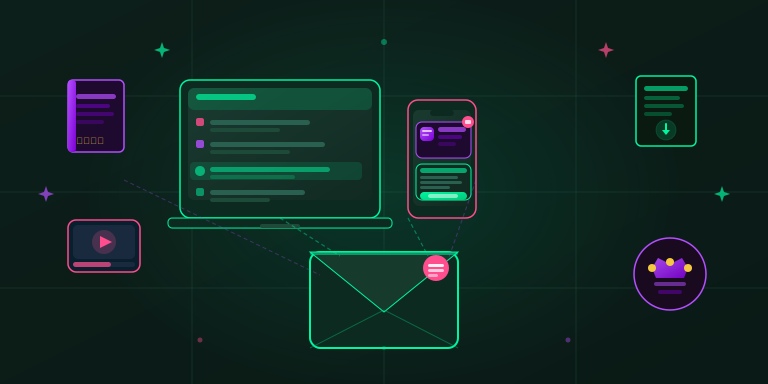
Once the subscriber is on the list, the nurture sequence begins. This is not about bombarding an inbox with promotional noise. Instead, the goal is to progressively build the subscriber’s belief system. The sequence should follow a proven arc:
- The Problem: Empathize with the subscriber’s current struggle.
- The Possibility: Paint a vivid picture of the transformation that awaits.
- The Proof: Provide case studies, student success stories, and personal anecdotes that validate your method.
- The Logical Next Step: By the time the offer is introduced, the subscriber should feel that purchasing your course is the only rational decision left to make.
3. The Launch Window: Controlled Urgency
When a product launch occurs, the tempo changes. The measured, value-driven approach is supplemented by a "contained period of urgency." During a launch, the emails should address objections directly. If a student worries they are too busy, provide a framework for fitting the course into a full-time work schedule. If they doubt their own capability, share a testimonial from someone with a similar background.
Supporting Data: The Power of Post-Purchase Engagement
A common failure in the digital product space is "the silent departure"—the moment the transaction is complete, the creator stops communicating. Data suggests this is a catastrophic error.
Engagement following a purchase is directly correlated with lower refund rates and higher lifetime value (LTV). A simple "how are you getting on?" email sent one week post-purchase creates a massive surge in brand loyalty. Furthermore, "progress-based" emails that acknowledge milestones—such as finishing a module or completing a project—dramatically increase course completion rates.
Why do completion rates matter? Because a student who finishes a course and achieves a tangible result is the most potent marketing asset a brand can possess. They are the ones who write the testimonials, refer their peers, and form the core of a community that sustains the brand’s growth.
Official Industry Perspectives on Automation
The technical execution of these strategies requires robust infrastructure. As digital brands scale, manual intervention becomes the enemy of growth. This is where modern automation platforms, such as Omnisend, play a critical role.
According to industry analysts, the most successful creators are those who leverage segmentation and automation to ensure that the "right message reaches the right subscriber at the right stage." The ability to automate nurture sequences, launch flows, and post-purchase follow-ups allows the creator to focus on content creation while the infrastructure handles the customer relationship.
Furthermore, the "switching costs" that once kept creators locked into legacy platforms have plummeted. Modern migration teams can now move entire lists, flows, and templates in as little as five days, often reducing monthly overhead by up to 35% while introducing more advanced features like integrated SMS capabilities.
Implications for the Future of Digital Entrepreneurship
What does this mean for the future of the digital creator? It means that the era of "hustling" for platform visibility is slowly being eclipsed by the era of "owning the relationship."
Independence from Algorithms
Social media platforms are volatile. An algorithm change can cut off a creator’s reach overnight. An email list, however, is a proprietary asset that cannot be taken away. By focusing on the email relationship, creators are insulating themselves from the whims of big tech.
The Rise of the "Niche Authority"
The digital economy is becoming increasingly segmented. As more creators enter the space, the "generalist" will struggle to compete. The winners will be those who use their email sequences to demonstrate deep, specific authority. By focusing on a narrow problem and solving it with exceptional depth, creators can charge premium prices, provided their email sequences consistently reinforce that authority.
The Shift Toward Community
Finally, the most successful digital products are moving away from passive consumption toward active community building. The "Foundr+" model—which combines a library of courses with a community of over 30,000 founders—is the blueprint for the next decade. The emails in this model are not just sales pitches; they are community invitations. They encourage members to interact, ask questions, and share their wins.
Conclusion: Crafting a Program Your Audience Craves
The digital product business model is perhaps the most durable form of entrepreneurship available today. It is inherently scalable, has minimal overhead, and, most importantly, allows for a direct, human connection with the customer.
However, durability is not accidental. It is the result of a deliberate, empathetic email strategy that treats every subscriber as a person on a journey. The creators who win are not those with the largest budgets or the most followers; they are those who understand the rhythm of their audience. They know when to teach, when to inspire, when to nudge, and when to ask for the sale.
By treating the email inbox as a space of genuine value rather than a billboard for advertising, creators can build an audience that is not just a list of names, but a community of advocates. In a world of increasing noise, the most effective marketing strategy remains the simplest: send better emails, at the right moments, to the right people. When you align your product, your message, and your delivery, the sale becomes not just a transaction, but a milestone in a long-term, mutually beneficial relationship.
 Basiran
 Azzam Bilal Chamdy
 Asep Darmawan
