
 By Lina Irawan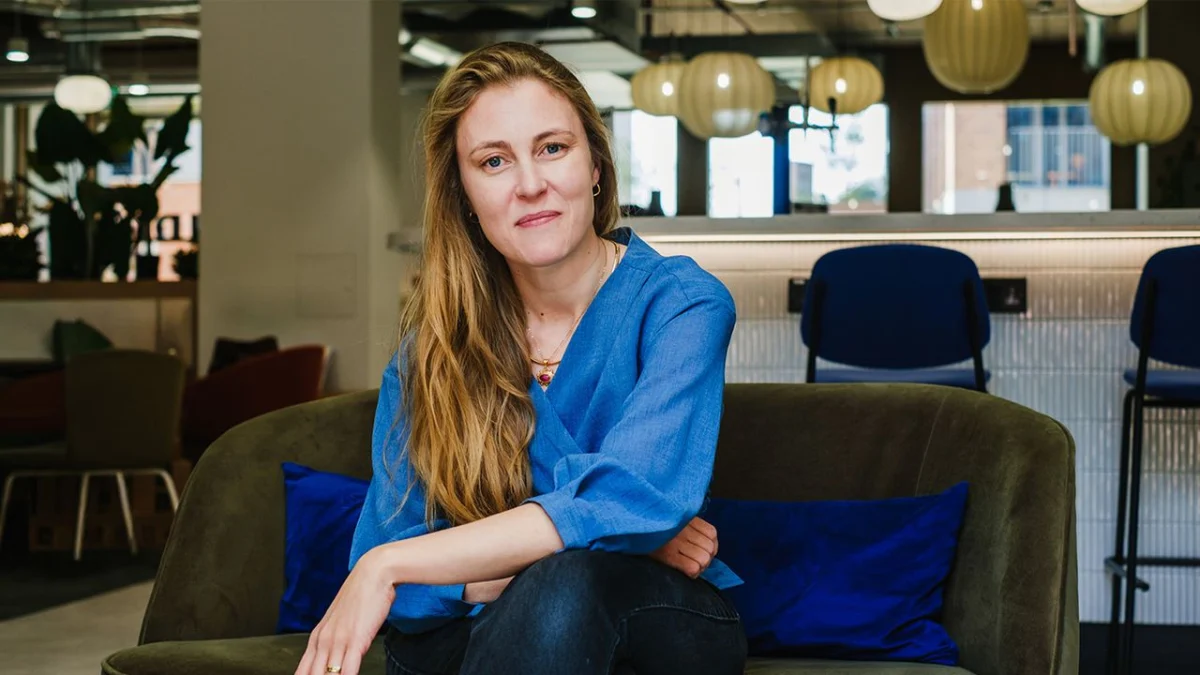
Amsterdam, Netherlands – In an era defined by rapid technological shifts, economic uncertainty, and a heightened global consciousness, the advertising industry stands at a critical juncture. Brands are no longer judged solely on their products or services but increasingly on their values, their impact, and their authenticity. Leading this charge towards a more meaningful and sustainable future is Anna Åhrling, the visionary co-founder and CEO of Onward, an impact agency that seamlessly blends commercial creativity with a profound commitment to social good and environmental responsibility.
Åhrling, whose career spans a dynamic evolution from traditional advertising to pioneering sustainability strategy, recently shared her insights on brand building, talent development, and the transformative power of embracing change in an exclusive interview for Creative Bloq’s "5 Questions" series. Her perspectives offer a compelling roadmap for navigating the complexities of modern marketing, emphasizing genuine impact, the cultivation of young talent, and the imperative of business acumen for creatives.
The Core of Onward: Crafting Impactful Narratives
At its heart, Onward operates on a simple yet powerful premise: to guide brands towards a future where profit and purpose are inextricably linked. The agency, under Åhrling’s leadership, champions sustainability, social impact, and compelling storytelling, believing that these elements are not just ethical considerations but fundamental drivers of long-term commercial success and cultural relevance.
Åhrling’s philosophy is deeply rooted in her extensive background. Before co-founding Onward, she honed her skills in the high-stakes world of advertising, culminating in a pivotal role at Revolt, where she spearheaded sustainability strategies for global giants such as Mars, L’Oréal, and Danone. This experience provided her with an intimate understanding of how large corporations operate and the immense potential for driving positive change from within, provided the right strategic framework is applied.
Her transition from a established agency to launching Onward reflects a broader industry movement towards specialized firms dedicated to purpose-driven marketing. Onward’s approach is characterized by creating work that not only captivates audiences but also resonates on an emotional level, fostering genuine connections between brands and consumers. This commitment to balancing creativity with genuine impact positions Onward as a crucial player in redefining the role of advertising in society.
A Career Defined by Evolution: Anna Åhrling’s Journey
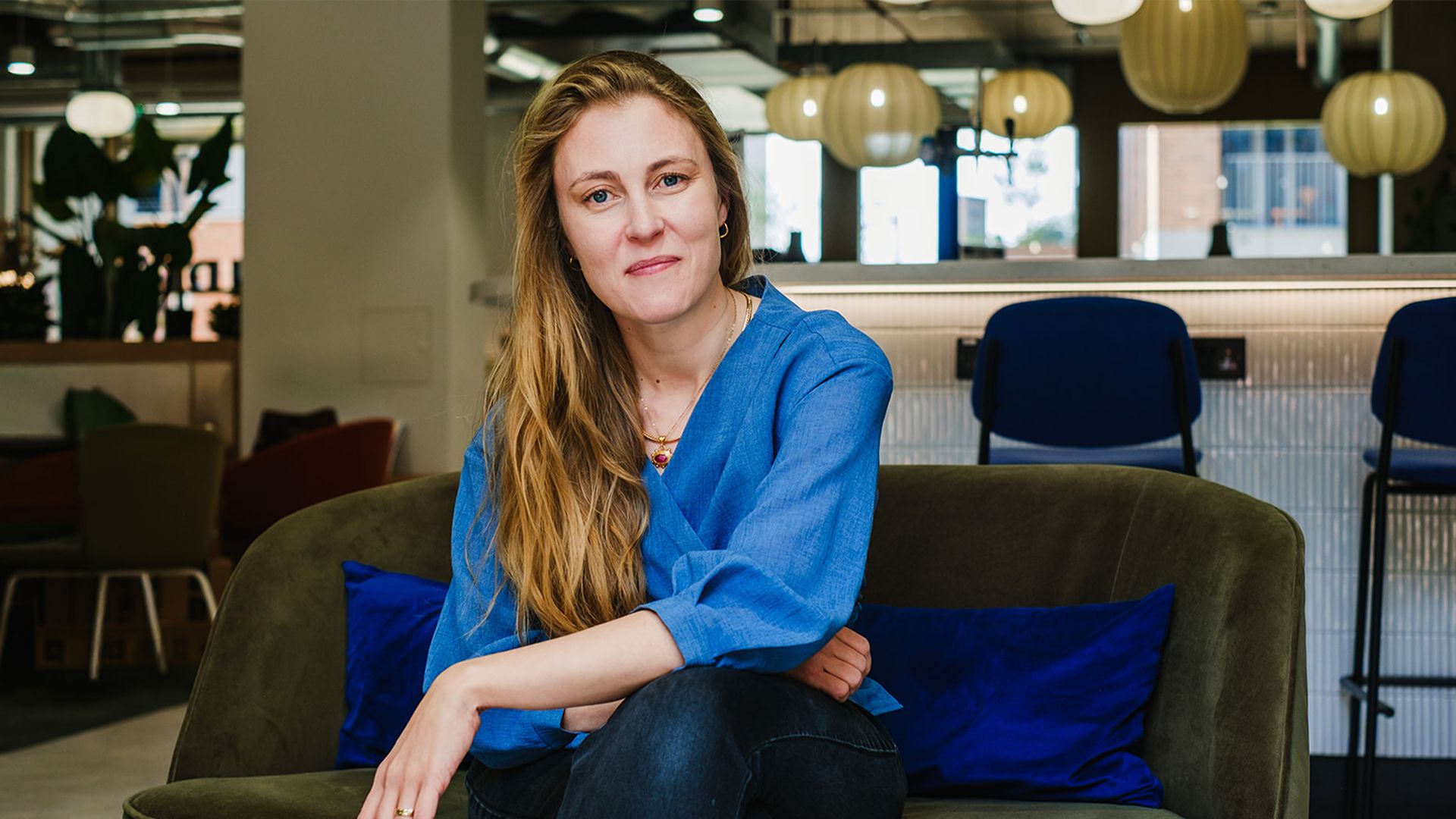
Anna Åhrling’s professional trajectory is a testament to her belief in constant evolution and the courage to challenge conventional wisdom. Her career began in the bustling world of traditional advertising, a sector she navigated for several years, gaining invaluable experience in brand strategy, creative execution, and client management. This foundational period equipped her with the commercial insights necessary to understand market dynamics and consumer psychology.
However, the global financial crisis of 2008 marked a significant turning point, prompting Åhrling to critically re-evaluate the industry’s future and her role within it. The ensuing years saw a shift in consumer expectations, with a growing demand for corporate responsibility and transparency. Recognizing this paradigm shift, Åhrling made a strategic move to specialize in sustainability. She joined Revolt, an agency at the forefront of this emerging field, where she took on the crucial responsibility of leading sustainability strategy for a roster of prominent international brands. Here, she translated complex environmental and social objectives into actionable marketing campaigns, demonstrating how sustainability could be integrated into core brand messaging and business operations.
This experience solidified her conviction that purpose-driven work was not a niche but the future mainstream. Driven by an entrepreneurial spirit and a desire to build an agency entirely aligned with these principles, Åhrling co-founded Onward. The agency was conceived as a vehicle to empower brands to tell their impact stories authentically and effectively, fostering meaningful engagement with their audiences.
Her personal journey mirrors this professional evolution. Åhrling candidly revealed her decision to disregard a mentor’s advice to seek stability within a large, established company. The mentor, citing the volatile post-2008 advertising landscape, advocated for the security of a stable salary and pension. Yet, Åhrling chose a different path, venturing into entrepreneurship amidst a cascade of global crises – post-COVID-19 recovery, the rise of AI, a cost-of-living crisis, and ongoing geopolitical conflicts. This deliberate embrace of risk, she explains, has consistently led her to "somewhere better."
Her relocation from the UK to Amsterdam, partly fueled by the implications of Brexit, further underscores her adaptability and willingness to redefine her path. "I used to think changing your mind was something to hide," Åhrling reflects, "Now I think it’s a sign of strength." This personal philosophy of "Subject to Change" — a fitting title for her hypothetical autobiography — is not merely a personal mantra but a guiding principle for Onward, enabling the agency to remain agile and relevant in a constantly shifting global environment. It speaks to a leader who understands that true progress often requires a departure from the familiar and a bold step into the unknown.
Addressing Industry Imperatives: Critical Insights from Åhrling
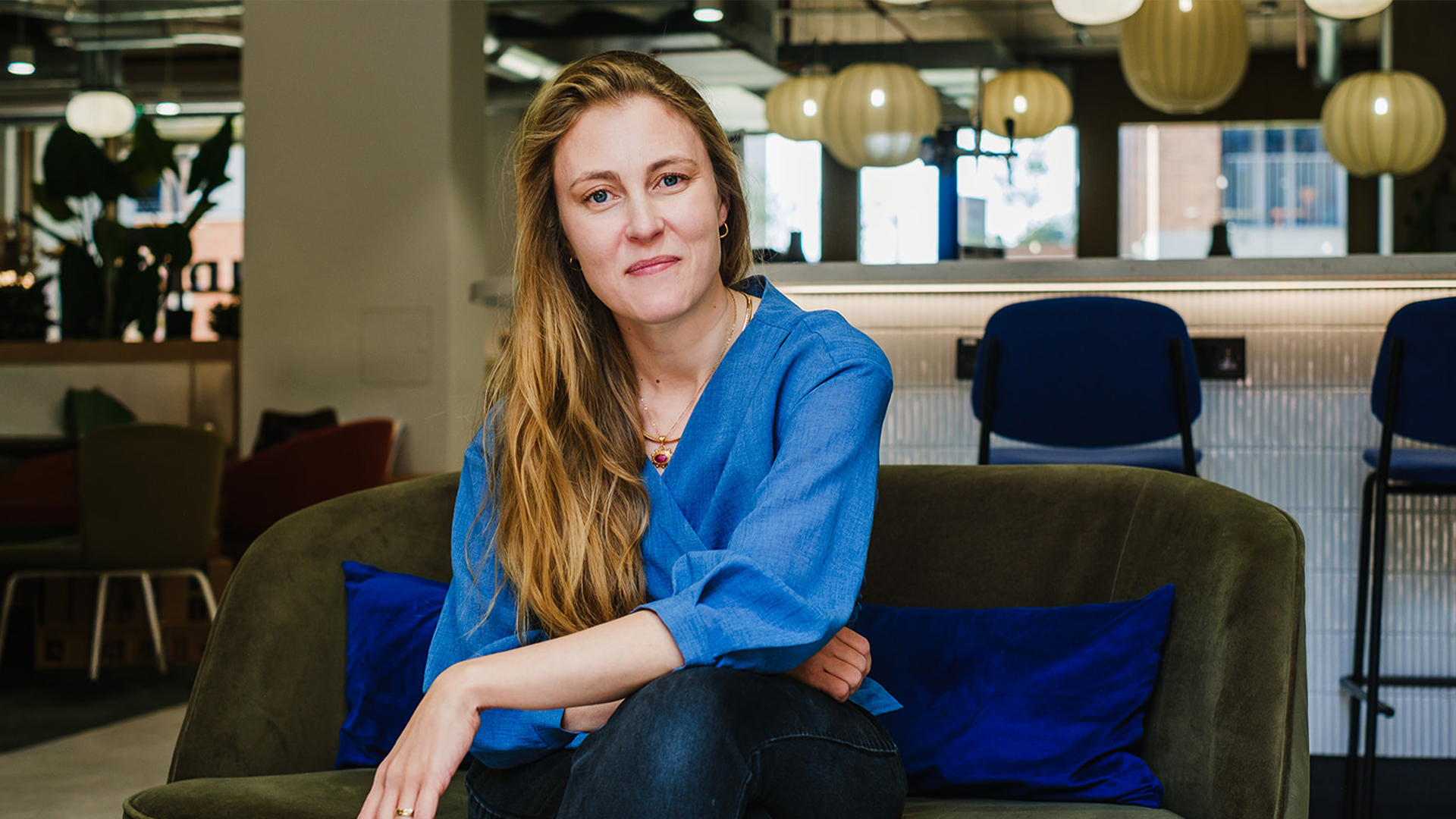
Anna Åhrling’s interview delved into several critical issues facing the advertising sector, offering stark warnings and actionable solutions. Her perspectives are particularly relevant as the industry grapples with technological disruption, talent retention, and the evolving demands of consumers.
The Indispensable Value of Junior Talent: A Hill to Die On
One of Åhrling’s most impassioned arguments centers on the vital necessity of integrating young people into the advertising industry. She views this not merely as a matter of corporate social responsibility but as an existential imperative for the sector’s survival. In an age where Artificial Intelligence (AI) can automate many tasks traditionally assigned to junior roles, there is a tempting, yet dangerous, inclination to reduce entry-level hiring.
"It’s so tempting right now to just let AI do the things juniors used to do. I get it, it’s cheaper and faster and easier," Åhrling concedes. However, she warns of the profound and irreversible loss that accompanies this shortcut: "We’re losing something we can’t get back: the curiosity, the person who hasn’t yet learned what’s ‘not done’."
This "unspoiled" perspective, she argues, is the wellspring of innovation. Juniors, unburdened by years of industry dogma and conventional thinking, often ask the fundamental questions that seasoned professionals have long ceased to consider. These seemingly "obvious" inquiries can expose overlooked opportunities, challenge stale assumptions, and ignite fresh creative approaches that are essential for an industry built on novelty and differentiation. By sidelining junior talent, the industry risks becoming insular, stagnant, and ultimately irrelevant. Åhrling firmly states, "If we stop hiring juniors, we’re letting down a generation, whilst also quietly switching our own lights off too." This stark warning underscores her conviction that investing in youth is investing in the future vitality and renewal of advertising itself.
Empowering Creatives with Business Acumen
Beyond fostering new talent, Åhrling highlights a significant gap in the skill set traditionally imparted to creatives: the fundamentals of business operation. She argues that the industry often compartmentalizes creative talent from the commercial realities of running an agency or a freelance practice.

"The business of running a business," she asserts, is the "most useful skill nobody teaches creatives." This encompasses a broad spectrum of knowledge, from mastering client relationships and understanding cash flow to navigating contracts, strategizing new business development, and managing profit margins. For too long, creatives have been shielded from these practicalities, often viewing them as administrative burdens rather than empowering tools.
Åhrling believes that this oversight disempowers creatives and limits their growth potential. "Creatives are usually incredibly curious, intelligent people who – in my experience – feel genuinely empowered when they understand how a business actually works," she explains. By demystifying the financial and operational aspects of the industry, agencies can foster a more holistic understanding among their creative teams. This not only prepares them for leadership roles, freelance careers, or even launching their own ventures, but also enables them to make more informed creative decisions that align with commercial objectives. Bringing creatives "into the fold" by educating them on business principles is, for Åhrling, a crucial step towards building a more resilient, adaptable, and creatively powerful industry.
The Art of Connection: Making Brands Matter
In a crowded marketplace saturated with messages, Anna Åhrling offers a clear and actionable strategy for brands seeking to forge genuine connections with their audiences: provide value that extends beyond the product itself.
"Give them something useful that extends beyond your product," she advises, "Something that makes their day a little bit better. And do it with enough creative spark that they actually notice." This philosophy moves beyond traditional product-centric advertising, advocating for a deeper, more empathetic engagement with consumers’ lives.
Åhrling illustrates this concept with compelling examples. She points to Galaxy’s "The Unhumble Project," an initiative that goes beyond selling chocolate by offering women practical training in self-promotion. This program addresses a real-world need, empowering women in their careers and personal lives, thereby associating the Galaxy brand with genuine support and advancement. Other forms of value she mentions include advocating for policy change on behalf of consumers, offering practical advice to manage finances, or even providing tools to navigate challenging social conversations.
The core message is one of reciprocity: "show people you care about them if you want them to care about you." In an age of skepticism and information overload, consumers are increasingly discerning. They seek brands that align with their values, understand their struggles, and genuinely contribute to their well-being. By offering tangible, meaningful support that improves daily life, brands can transcend their commercial function and become trusted partners in their customers’ journeys. This approach builds loyalty not through fleeting promotions, but through sustained, authentic engagement and a demonstrated commitment to positive impact. For Onward, this isn’t just a marketing tactic; it’s the foundation of modern brand building.
Implications for the Future of Advertising
Anna Åhrling’s insights offer profound implications for the future trajectory of the advertising industry. Her leadership at Onward, coupled with her articulate advocacy for critical reforms, signals a powerful shift towards a more conscious and sustainable model of brand building.
A New Paradigm for Brand Strategy
Åhrling’s emphasis on purpose-driven branding suggests a necessary evolution in how companies approach their market presence. The traditional focus on features, benefits, and emotional appeals must now integrate a clear narrative of social and environmental contribution. Brands that genuinely embed utility and positive impact into their core messaging, rather than merely using it as a veneer, will be the ones that resonate most deeply with an increasingly values-driven consumer base. This means moving beyond superficial CSR initiatives to truly integrating sustainability and social impact into product development, operational practices, and marketing campaigns. Onward’s work exemplifies how this can be done effectively, creating compelling stories that are both commercially viable and ethically sound.
Reshaping Talent Development and Retention
Her passionate defense of junior talent directly challenges the prevailing narrative of AI replacing human roles. Åhrling argues that failing to nurture young professionals risks a catastrophic loss of fresh perspectives, critical thinking, and the very creative disruption that fuels the industry. The implication is clear: advertising agencies must actively resist the urge to automate entry-level positions entirely and instead find ways to integrate AI as a tool that augments, rather than replaces, human creativity and learning. This requires a proactive investment in mentorship programs, structured learning environments, and opportunities for young creatives to experiment and challenge norms. Agencies that prioritize this will not only retain valuable talent but also ensure a continuous infusion of innovative ideas, safeguarding their long-term relevance.
Furthermore, equipping creatives with business acumen is not just about career advancement; it’s about fostering a more robust and resilient industry. When creative professionals understand the financial and operational levers of a business, they become more strategic partners, capable of contributing to growth and profitability in a holistic way. This integrated understanding can bridge the historical divide between creative and commercial departments, leading to more efficient processes, more impactful campaigns, and ultimately, greater success for the agency as a whole.

Embracing Agility and Change as a Strategic Asset
Finally, Åhrling’s personal philosophy, encapsulated by "Subject to Change," serves as a powerful metaphor for the modern business environment. In a world characterized by unprecedented volatility and disruption, rigid adherence to old models is a recipe for obsolescence. Her journey—from traditional advertising to sustainability advocacy, from solo consultancy to agency partnership, and from one country to another—demonstrates the strategic advantage of adaptability. For brands and agencies alike, this means cultivating an organizational culture that views change not as a threat, but as an opportunity for reinvention and improvement. It encourages a willingness to pivot, learn, and evolve, ensuring that businesses remain responsive to new challenges and emergent possibilities.
Anna Åhrling is not just running an agency; she is advocating for a fundamental rethinking of advertising’s purpose and practice. Her vision points towards an industry that is more empathetic, more responsible, and ultimately, more impactful – one where creativity is harnessed not just for commercial gain, but for the collective good. As the world continues to navigate complex challenges, the blueprint offered by Åhrling and Onward provides a compelling direction for brands striving to be both successful and significant.
 Evan Lee Salim
  Nana
Nana  Ammar Sabilarrohman