
 By Ammar Sabilarrohman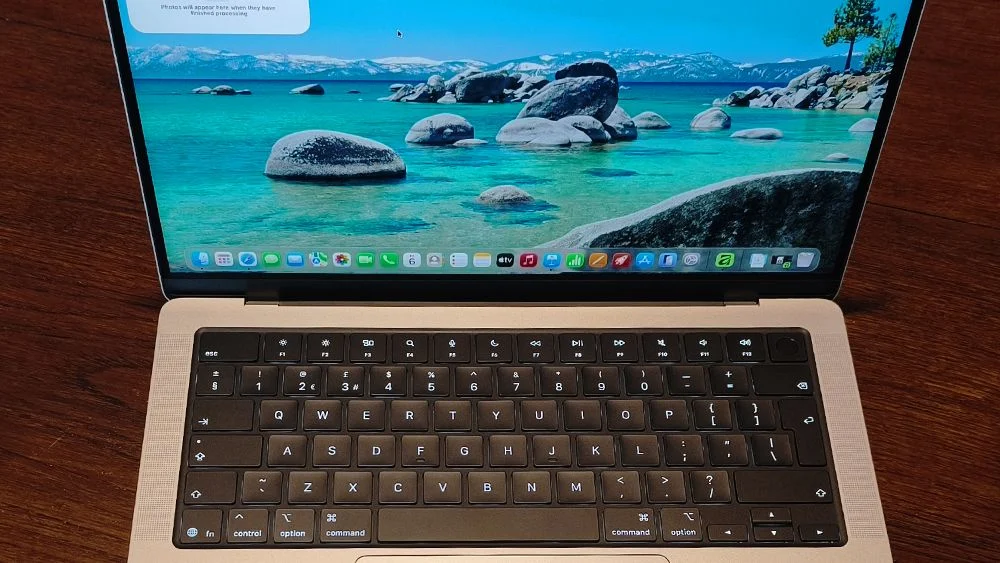
Cupertino, CA – In a striking reversal of historical consumer electronics trends, Apple is reportedly facing an unexpected challenge: its own success. The unparalleled performance and efficiency of its custom-designed M-series silicon have led to MacBooks enduring far longer than previous generations, paradoxically slowing down upgrade cycles and impacting sales figures. This phenomenon marks a significant departure from the era of "planned obsolescence" that once plagued the tech giant, particularly with its iPhone battery controversies.
Recent analysis, highlighted by Forbes, indicates a notable extension in Mac lifecycle durations. Users are increasingly holding onto their devices for more prolonged periods, with a substantial cohort still relying on the original M1 generation MacBook Air, first released in 2020. This suggests that even six years post-launch, the foundational M1 chip remains robust and far from obsolete, a testament to Apple’s engineering prowess but a potential headache for its quarterly revenue reports.
The Genesis of a New Era: Apple Silicon’s Impact
The narrative surrounding Apple’s hardware strategy has shifted dramatically since the introduction of its proprietary M-series chips. To fully grasp the current conundrum, it’s essential to trace the chronological evolution and impact of this groundbreaking technology.
The Shadow of Planned Obsolescence
Before the advent of Apple Silicon, the company frequently found itself embroiled in debates, most notably regarding the alleged throttling of older iPhones. In 2017, Apple admitted to deliberately slowing down older iPhone models, claiming it was to prevent unexpected shutdowns due to aging batteries. While the company asserted this was a measure to "preserve battery life" and maintain device functionality, critics and consumers alike widely condemned it as a form of planned obsolescence, designed to compel users to upgrade. This controversy led to lawsuits, apologies, and a significant dent in public trust. The memory of this period underscores the dramatic pivot Apple has made, perhaps inadvertently, with its Mac lineup.
The M1 Revolution: A Game Changer
The year 2020 marked a pivotal moment for Apple’s computing division with the introduction of the M1 chip, ushering in the era of Apple Silicon. This wasn’t merely an incremental update; it was a fundamental architectural shift from Intel x86 processors to ARM-based custom silicon. The M1 chip delivered unprecedented performance-per-watt, combining a powerful CPU, integrated GPU, and Neural Engine onto a single system-on-a-chip (SoC).
The initial M1 MacBook Air and MacBook Pro models instantly garnered critical acclaim for their astounding speed, silent operation (in the case of the fanless Air), and remarkable battery life. For the first time in years, a new MacBook felt truly revolutionary, offering a tangible and significant upgrade over its Intel-powered predecessors. Creative professionals, developers, and everyday users alike marveled at its capabilities, effortlessly handling demanding tasks that previously required more powerful, often hotter, and less efficient machines.
Rapid Iteration: M2, M3, M4, and M5
Following the M1’s success, Apple adopted an aggressive release schedule for its subsequent M-series chips. The M2, M3, M4, and most recently, the M5 chips, along with their Pro, Max, and Ultra variants, have been rolled out with almost annual regularity. Each generation has brought incremental improvements in CPU and GPU performance, memory bandwidth, and neural engine capabilities.
For instance, the M2 chip, while a solid upgrade, offered more refined performance rather than a revolutionary leap over the M1. The M3 series, built on a 3-nanometer process, brought further efficiency gains and hardware-accelerated ray tracing. The M4, unexpectedly launched in the iPad Pro before making its way to Macs, emphasized AI capabilities. And the latest M5 MacBook Pro, while lauded as a "wonderful thing to use" in reviews, continues this trend of powerful yet incremental enhancements.
This rapid cadence of chip releases, mirroring the annual iPhone cycle, was perhaps initially intended to maintain momentum and encourage regular upgrades. However, the foundational strength of the M1 chip, coupled with the nature of professional laptop usage, has inadvertently created a different outcome. Unlike smartphones, which often see yearly upgrades driven by camera improvements, design changes, or perceived obsolescence, laptops are typically viewed as longer-term investments. The expectation of upgrading a MacBook annually, a concept that would have seemed ludicrous in the Intel era, remains largely implausible for most users even with Apple Silicon.
The Data Behind the Dilemma: Extended Lifecycles
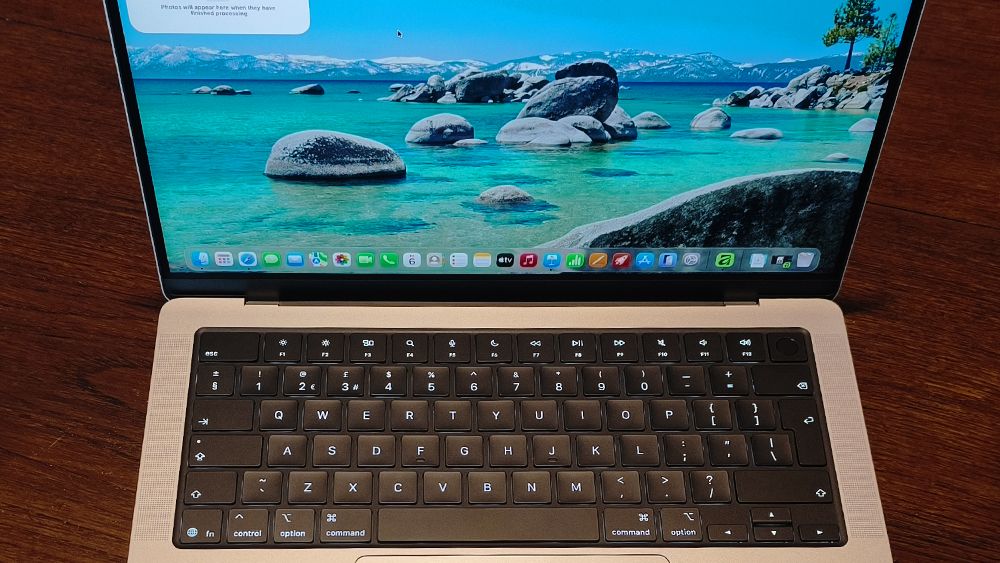
The core of Apple’s current predicament lies in the extended lifecycle of its M-series MacBooks. Forbes’ analysis underscores that users are simply not feeling the compelling need to upgrade their machines as frequently as Apple’s accelerated chip release schedule might imply.
The Endurance of the M1
The fact that many users are "still rocking 2020’s original M1 generation MacBook Air" six years later is a powerful indicator. The M1, even as the first iteration of Apple Silicon, set a remarkably high bar for performance and efficiency. For everyday tasks – web browsing, document editing, media consumption, and even moderate creative work like photo editing or light video editing – the M1 remains more than capable. Its battery life, still impressive today, was a revelation upon launch, allowing users to work for extended periods without searching for a power outlet.
This longevity stands in stark contrast to the Intel-based Macs, where performance degradation, fan noise, and battery drain often became noticeable after just a few years, prompting a stronger urge to upgrade. The M1’s robust design and software optimization mean that for a vast segment of the user base, the perceived benefits of upgrading to an M2, M3, or even M5 machine do not outweigh the significant financial investment.
The Law of Diminishing Returns
With each successive M-series chip, while performance does improve, the gains become less perceptible for the average user. A creative professional working with 4K video might notice the difference between an M1 and an M3 Pro chip, but someone primarily using email and spreadsheets will likely find the experience virtually identical. This "law of diminishing returns" on performance upgrades means that unless a user has specific, highly demanding workflows that push the limits of even the M1 or M2, the incremental speed boosts of newer chips don’t translate into a sufficiently compelling reason to spend thousands on a new machine.
The problem for Apple is that its M-series chips are, by design, incredibly "future-proof." They were engineered from the ground up to offer superior efficiency and power, qualities that inherently extend their useful lifespan. This means that while Apple continues to innovate and release more powerful chips, a large portion of its existing customer base is perfectly content with their older, yet still highly capable, M-series Macs.
Broader Market Context
This trend isn’t entirely isolated to Apple. The broader PC market has also seen a general slowdown in upgrade cycles. However, Apple’s situation is unique due to the magnitude of the performance leap with Apple Silicon, which created a new baseline of excellence. While global PC shipments have fluctuated, the M-series MacBooks have consistently stood out for their performance, often leading to longer holding periods compared to many Windows counterparts. This robust performance of older M-series chips makes it harder for Apple to stimulate demand for its latest models based solely on raw power.
Apple’s Unspoken Strategy: The Official Stance (and the Unofficial Implications)
Apple, as is characteristic of the company, has not issued any direct "official responses" acknowledging a slowdown in MacBook upgrade cycles or expressing concern over the longevity of its M-series chips. Their public messaging consistently focuses on innovation, performance, and the user experience, irrespective of the current market dynamics. However, the implications of this extended lifecycle are undoubtedly a topic of internal discussion within Cupertino.
The "Problem" of Being Too Good
From a purely engineering and user satisfaction perspective, creating a product that lasts longer and performs exceptionally well for years is an unqualified success. It builds customer loyalty and enhances the brand’s reputation for quality and reliability. However, from a business model perspective, particularly for a company that thrives on hardware sales and regular upgrades, this longevity presents a challenge.
Apple’s financial success relies heavily on a combination of hardware sales (iPhone, Mac, iPad), services revenue, and accessories. A slowdown in one of these key hardware categories necessitates a strategic recalibration. While Apple has been aggressively growing its services division (App Store, Apple Music, iCloud, etc.), Mac sales remain a crucial component of its ecosystem and overall revenue.
Potential Strategic Adjustments
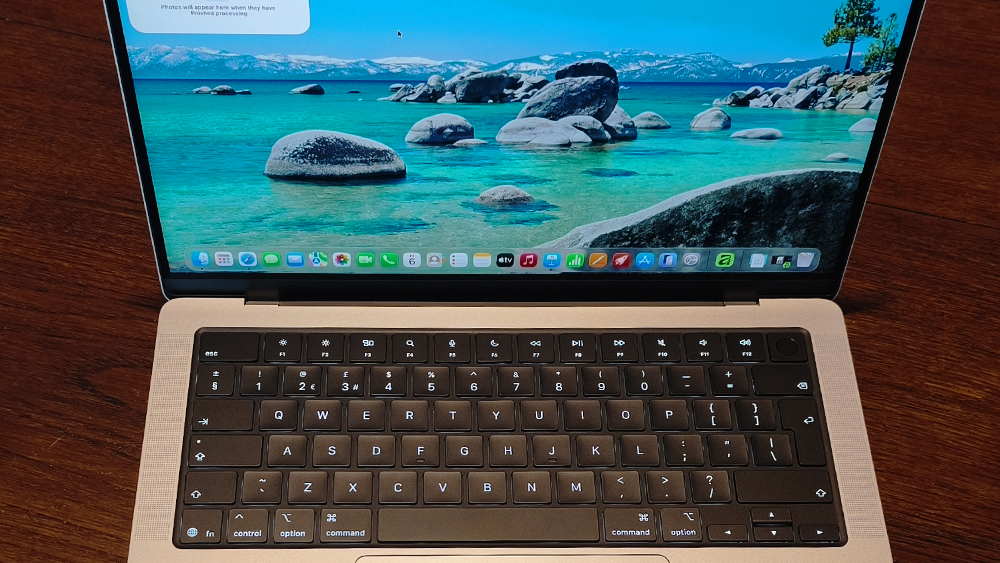
Without direct statements, one can only speculate on Apple’s internal deliberations. They might be exploring several avenues:
- Emphasizing Ecosystem and Services: Further integrating Macs into the broader Apple ecosystem (continuity features, iCloud, Apple services) to create sticky customers, even if they don’t upgrade hardware frequently.
- Targeting New User Segments: Focusing marketing efforts on users still on older Intel Macs or Windows PCs, highlighting the M-series’ advantages as a first-time purchase or a significant switch.
- Feature-Driven Upgrades: Shifting the upgrade narrative from raw performance to unique, chip-dependent software features. This is precisely where the recent Siri AI announcement comes into play.
- Aggressive Pricing/Trade-ins: While Apple is rarely known for aggressive pricing, they might offer more compelling trade-in values or financing options to lower the barrier to entry for newer models.
- Sustainability Messaging: Leaning into the environmental benefits of longer-lasting products, aligning with growing consumer demand for sustainable tech, even if it impacts sales velocity. This would be a clever way to frame the "problem" as a positive.
Implications: A Shifting Landscape
The phenomenon of extended MacBook lifecycles carries profound implications for Apple, its customers, the broader tech industry, and even environmental sustainability.
For Apple: A Balancing Act of Innovation and Revenue
The immediate implication for Apple is a potential impact on its hardware revenue from the Mac line. If users are upgrading less frequently, unit sales may stagnate or even decline, especially as the installed base of M1/M2 users matures. This places greater pressure on other revenue streams, particularly services, and new product categories (like the Vision Pro) to pick up the slack.
Apple faces a delicate balancing act: how to continue innovating and producing market-leading chips without undermining its own sales cycle. The current strategy of incremental performance gains, while impressive, is not proving sufficient to drive mass upgrades among existing M-series users. This might force Apple to re-evaluate its product release cadence or the nature of its "killer features."
For Consumers: Enhanced Value and Choice
For consumers, the extended longevity of M-series MacBooks is largely a positive development. It means:
- Better Value for Money: A MacBook purchase now represents a longer-term investment, providing excellent performance for many years. This enhances the perceived value of Apple products.
- Reduced Pressure to Upgrade: Users are freed from the constant feeling of needing the "latest and greatest" to remain productive.
- Sustainability: Longer-lasting devices contribute to reduced electronic waste, aligning with growing consumer awareness and demand for more environmentally responsible products.
- Accessibility: Older M-series Macs, potentially available at lower prices on the used market, offer excellent performance for budget-conscious users.
However, there’s a flip side. The aggressive chip release cycle can still create a sense of "fear of missing out" (FOMO), particularly as new, chip-dependent features emerge.
For the Industry: A New Benchmark for Longevity
Apple’s success with the M-series chips has set a new benchmark for laptop performance, efficiency, and longevity. This puts pressure on competitors like Intel, AMD, and Qualcomm, as well as Windows OEMs, to develop chips and systems that can rival the M-series’ staying power.
Intel, in particular, has been working on its own efficiency-focused architectures and has seen some success with its latest generations. Qualcomm is also making a renewed push into the Windows PC space with its Snapdragon X Elite and Plus chips, promising M-series like efficiency and performance. This competition is ultimately beneficial for consumers, driving innovation across the entire computing landscape. The focus might shift from raw benchmark numbers to real-world sustained performance and long-term usability.
The "Planned Obsolescence" Paradox Resolved (for now)
The current situation represents a fascinating paradox. Apple, a company once criticized for planned obsolescence, has inadvertently engineered a generation of products that defy it. The M-series chips are so robust that they are delaying the very upgrade cycles that drive sales. This "unplanned longevity" is a testament to superior engineering, but it necessitates a rethink of the business model.
The AI Catalyst: Apple’s New Upgrade Driver?
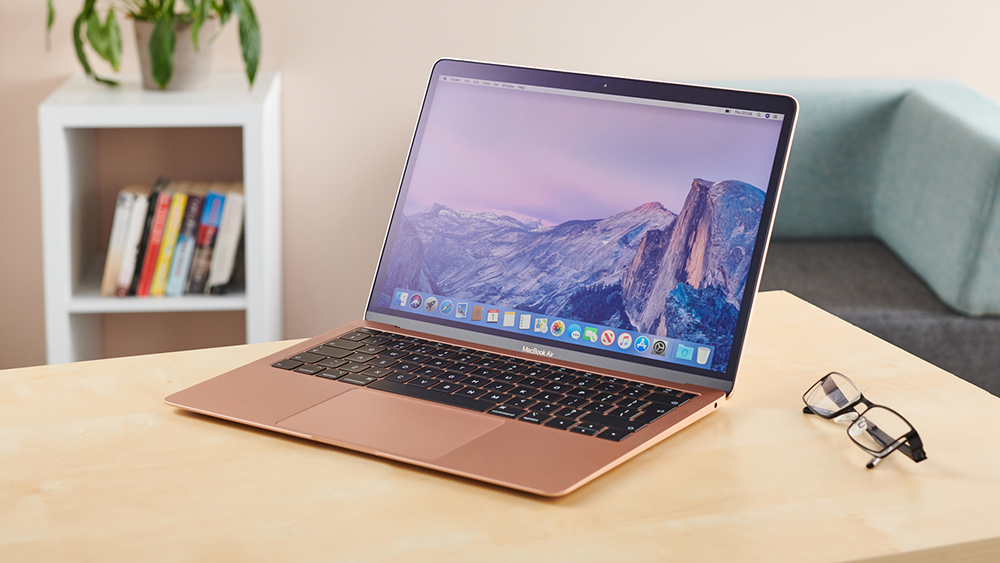
Just as the industry grapples with the implications of MacBook longevity, Apple has introduced a potential new catalyst for upgrades: Artificial Intelligence. The recent announcement of "Apple Intelligence" and the next generation of Siri AI at WWDC 2024 revealed a critical hardware requirement: to utilize the most powerful on-device AI models, a Mac equipped with an M3 chip or newer will be necessary.
This requirement immediately draws a line in the sand. While M1 and M2 Macs are still incredibly capable, they will not have access to the full suite of advanced, on-device AI features that Apple is rolling out. This strategic decision by Apple could be the solution to its upgrade dilemma.
The Power of On-Device AI
Apple’s emphasis on on-device AI for privacy and speed is significant. Unlike cloud-based AI, processing AI tasks directly on the device offers enhanced security, faster responses, and the ability to function even without an internet connection. The M3 chip, with its enhanced Neural Engine and overall architectural improvements, is evidently deemed the minimum hardware required to handle the computational demands of these advanced AI models effectively.
A New "Killer Feature" for Upgrades
For users who value cutting-edge features, particularly those related to productivity, creativity, and convenience that AI promises, this M3 requirement could be the compelling reason to upgrade that raw performance numbers alone couldn’t provide. Suddenly, those M1 and M2 chips, while still powerful for general computing, might begin to "feel ever-so-slightly obsolete" when it comes to accessing Apple’s latest, most integrated AI experiences.
This move effectively reintroduces a form of feature-driven obsolescence, albeit one based on advancing technological capabilities rather than intentional performance degradation. It shifts the upgrade conversation from "Do I need more speed?" to "Do I want access to the latest intelligent features that enhance my workflow and interaction with my device?"
The question now becomes how quickly and pervasively these M3-exclusive AI features will integrate into daily Mac usage. If they become indispensable tools for many, then Apple’s M3 requirement could indeed reignite upgrade cycles, providing a fresh impetus for sales and successfully navigating the paradox of its own exceptional hardware. The future of MacBook sales may well hinge on the perceived necessity of artificial intelligence.
 Evan Lee Salim
  Nana
Nana 