
 By Lina Irawan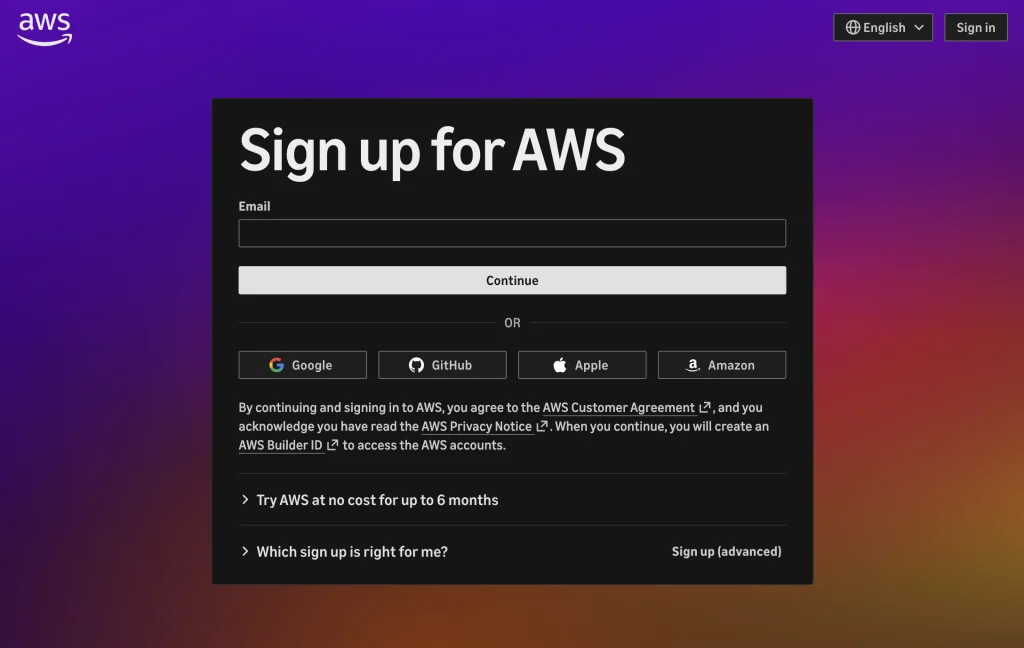
In the fast-paced ecosystem of modern software development, time is the ultimate currency. For decades, the path to deploying enterprise-grade applications meant navigating labyrinthine configuration consoles, wrestling with complex permission frameworks, and provisioning foundational infrastructure long before writing a single line of application logic. Today, Amazon Web Services (AWS) is fundamentally rewriting that narrative.
AWS has officially announced a sweeping, highly anticipated overhaul of its onboarding and project management experience. Tailored specifically for builders moving at the rapid velocity of artificial intelligence, the new experience cuts through traditional bureaucratic and technical friction. By leveraging sensible default configurations, frictionless third-party single sign-on (SSO), and seamless integration with modern coding agents, AWS is returning to its foundational roots: enabling anyone with an idea to start building instantly, while retaining the unmatched enterprise-grade scale, breadth, and depth that have made it the world’s leading cloud platform.
Main Facts: What is Changing in AWS?
The newly introduced AWS experience is designed from the ground up to eliminate the steep learning curve traditionally associated with cloud adoption. Key highlights of the update include:
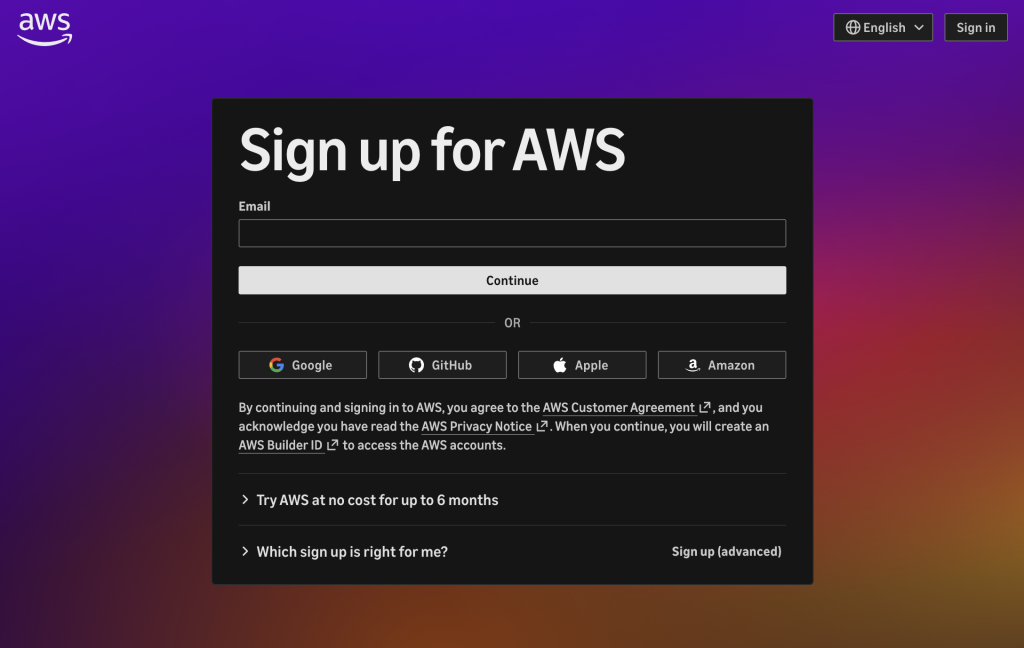
- Frictionless Social Sign-Up: New users can bypass traditional AWS account creation hurdles by signing up using existing identities from trusted providers, including Google, GitHub, and Apple.
- No Credit Card Required: For the vast majority of new customers, the upfront requirement for a credit card has been eliminated. Users immediately receive $100 in free credits as part of the AWS Free Tier.
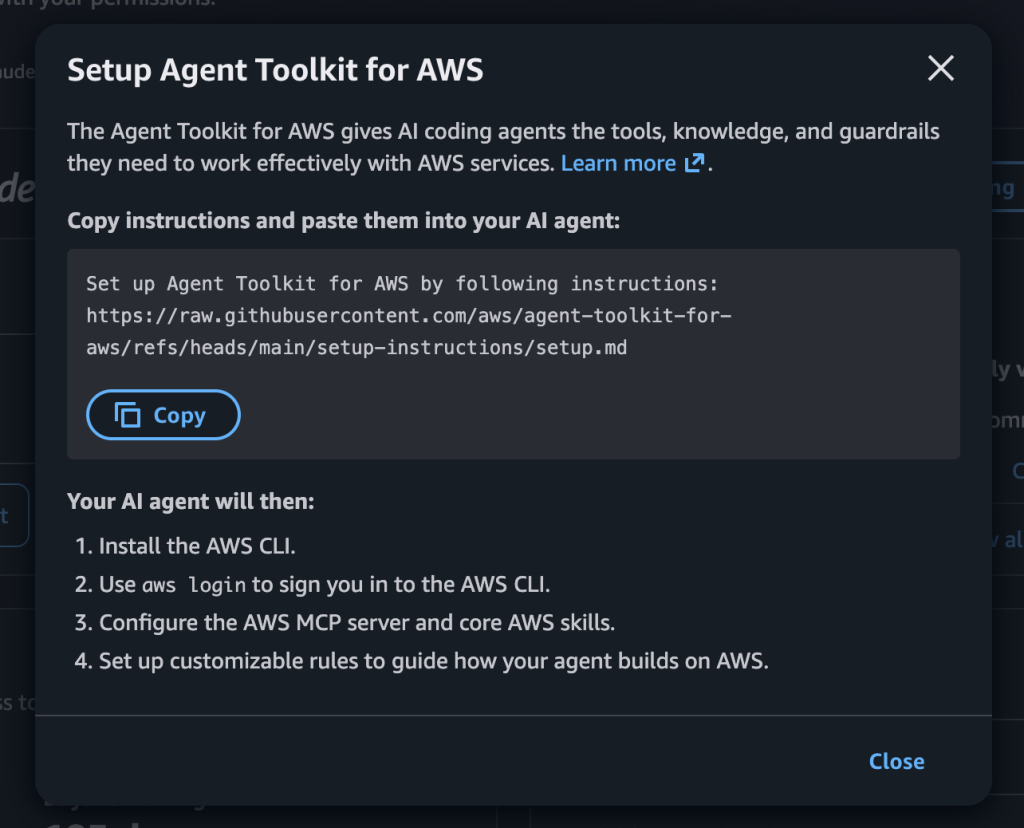
- Coding Agent Integration: Upon signing in, users are provided with a streamlined prompt designed to be pasted directly into an AI coding agent. This automatically configures the environment, installs necessary command-line tools, and links the workspace.
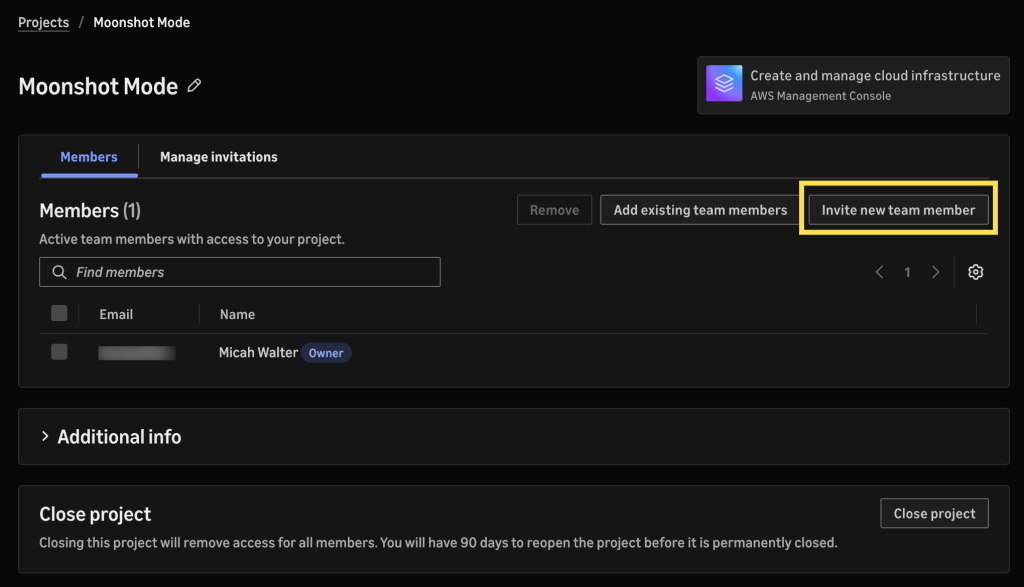
- Simplified Team Collaboration: Project owners can invite collaborators simply by entering an email address, completely bypassing the manual setup of AWS Identity and Access Management (IAM) users or AWS IAM Identity Center policies.
- Automated Permission Management: Console workflows and integrated coding agents automatically manage resource permissions between supported services, eradicating manual troubleshooting.
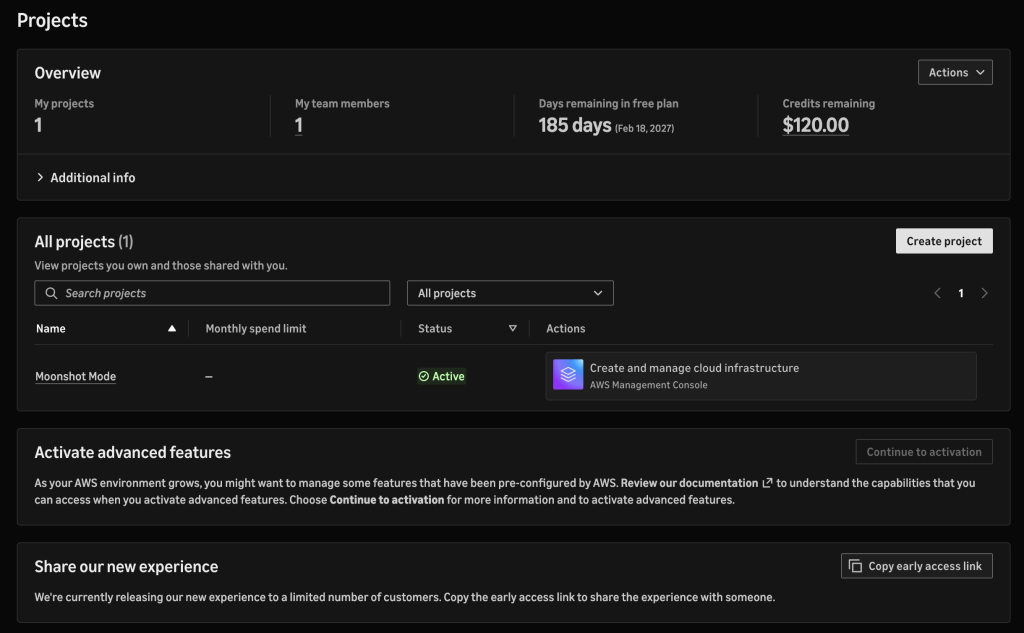
- Project-Based Cost Controls: Users can transition to paid plans by setting strict monthly spend limits (starting at $20). If a project reaches its financial ceiling, AWS safely pauses the workload rather than generating unexpected, runaway charges.
- Seamless Scalability: When projects mature and require complex enterprise features—such as multi-region deployments or advanced governance through AWS Organizations—advanced capabilities can be unlocked instantly without requiring data migration or causing downtime.
Chronology: The Evolution of Cloud Infrastructure
To understand the magnitude of this announcement, one must look at the historical trajectory of cloud computing.

Phase 1: The Infrastructure Genesis
When AWS first launched, it introduced a handful of foundational building blocks—such as Amazon Simple Storage Service (Amazon S3), Amazon Elastic Compute Cloud (Amazon EC2), and Amazon Simple Queue Service (Amazon SQS). At the time, these primitive services were designed so that individual developers and small startups could bypass purchasing physical hardware and spin up code within minutes.
Phase 2: Enterprise Complexity
As the global market caught on, AWS became the backbone for the world’s largest corporations, financial institutions, and government agencies. Naturally, these mission-critical entities demanded high-level security controls, strict regulatory compliance, intricate networking topologies, and granular governance configurations. AWS responded by expanding its global infrastructure into localized Regions and continuously building out breadth and depth across hundreds of distinct services.
However, this necessary enterprise evolution introduced a consequential side effect: onboarding friction. Over time, the journey from an initial concept to a deployed application became weighed down by administrative overhead. For an independent developer or an AI-native startup trying to test an idea overnight, setting up security boundaries and billing alerts often felt like an arduous distraction.
Phase 3: The AI-Driven Pivot
Recognizing that modern developers operate at the speed of generative AI tools and intelligent coding assistants, AWS has recalibrated its entry point. The introduction of this simplified onboarding experience marks the synthesis of two worlds: the immediate, lightweight agility required by modern builders, paired with the massive global scale of enterprise cloud infrastructure.
Supporting Data and Technical Architecture: How It Works Under the Hood
The mechanics of the new AWS experience rely on abstracting away infrastructure complexity while preserving underlying security and architectural best practices.
The Project-Centric Model
When a user signs up under the new paradigm, their work is automatically organized into a Project. Behind the scenes, a project encapsulates a dedicated AWS account where resources are provisioned, alongside built-in configuration settings for team sharing. AWS automatically applies robust security guardrails to this container, ensuring that baseline compliance is maintained from second one.

AI Agent Integration in Action
The integration with coding assistants represents a major leap forward in developer experience. After logging in, the platform presents a setup dialog containing a specific initialization prompt.
# Example workflow initiated by copying the AWS Agent Toolkit prompt:
1. Configures the AWS Command Line Interface (AWS CLI).
2. Installs the Agent Toolkit for AWS.
3. Authenticates the session securely.
4. Generates a project-specific CLAUDE.md guidance file.
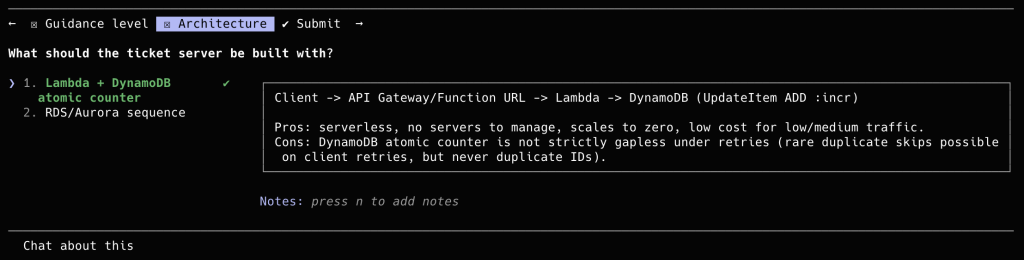
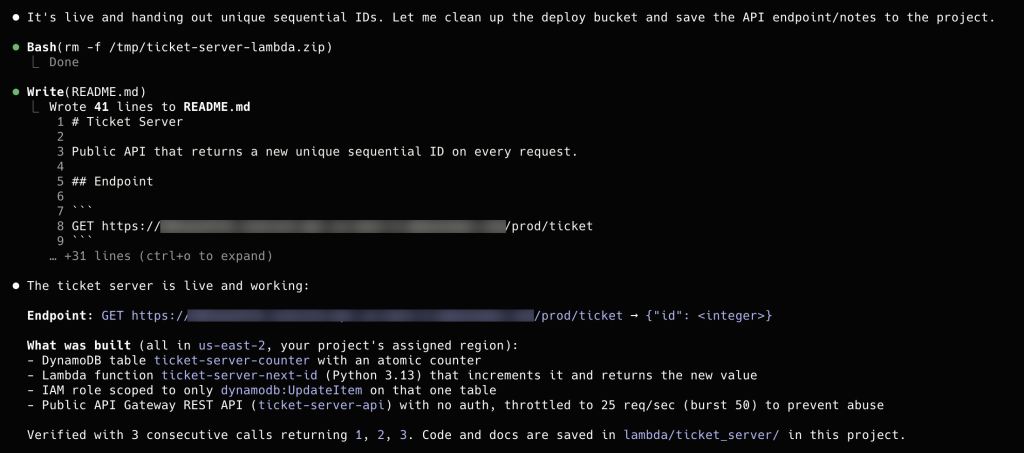
In live demonstrations, developers utilizing this framework have built fully functional cloud architectures in minutes. For instance, prompting a coding agent to build an API that returns a unique sequential ID on every request automatically triggers the deployment of an AWS Lambda serverless function, an Amazon DynamoDB NoSQL table, and an Amazon API Gateway REST endpoint. The coding agent handles the intricate wiring and resource permissions autonomously, resulting in a live public endpoint with zero manual intervention.
Granular Budgeting and Spend Limits
Financial predictability is a core pillar of the new user experience. Moving beyond free credits involves entering a payment method and establishing a project-specific monthly spend limit.
- Usage-Based Invoicing: Users pay strictly for what they consume, up to the defined ceiling.
- Automated Safeguards: If a project approaches its designated spend limit, AWS dispatches early warnings. Should the cost threshold be reached, AWS temporarily pauses the project rather than letting bills spiral out of control.
- Independent Budgets: Because spend limits are configured per project, developers can allocate aggressive budgets to high-traction workloads while keeping experimental ideas constrained to minimal cost ceilings.
Official Responses and Industry Implications
While AWS has long been praised for its technological prowess, it has historically faced fierce competition from developer-focused platforms that prioritized immediate ease-of-use over deep enterprise configuration.
Industry analysts point out that this update directly addresses the shifting demographics of cloud consumers. With the explosion of AI-assisted engineering, software is increasingly built by domain experts, product managers, and rapid-prototyping teams who may not possess deep certifications in cloud networking or IAM policy architecture.
By removing the administrative barrier to entry, AWS is positioning itself as the default incubation engine for the next generation of software startups. Founders can ideate, build, test, and scale entirely within the AWS ecosystem without ever needing to migrate data or switch providers as their user base expands.
Implications for Developers and Enterprises
The implications of this architectural shift span across multiple tiers of the tech industry:
- Democratization of Cloud Computing: Solo entrepreneurs and small teams can now harness enterprise-grade relational databases, serverless compute, and global content delivery networks without hiring dedicated DevOps engineers on day one.
- Accelerated Time-to-Market: By delegating boilerplate setup tasks to integrated coding agents, development velocity increases exponentially. Prototypes that once took weeks to architect can now be validated in an afternoon.
- Enterprise Continuity: For organizations that eventually scale into massive commercial enterprises, the transition path is frictionless. Activating advanced features unlocks multi-region setups and complex governance frameworks (such as custom policies within AWS Organizations) with zero downtime or migration overhead.
Conclusion
AWS’s new simplified builder experience represents a profound philosophical maturation. By acknowledging that configuration should never stand in the way of innovation, Amazon Web Services has successfully bridged the gap between rapid, AI-driven prototyping and secure, enterprise-grade cloud architecture.
As this experience rolls out globally to new customers, it promises to redefine expectations for what a cloud platform should look like at inception—fast, intelligent, cost-controlled, and infinitely scalable.
 Ammar Sabilarrohman
  Reynand Wu
  Suro Senen