
 By Evan Lee Salim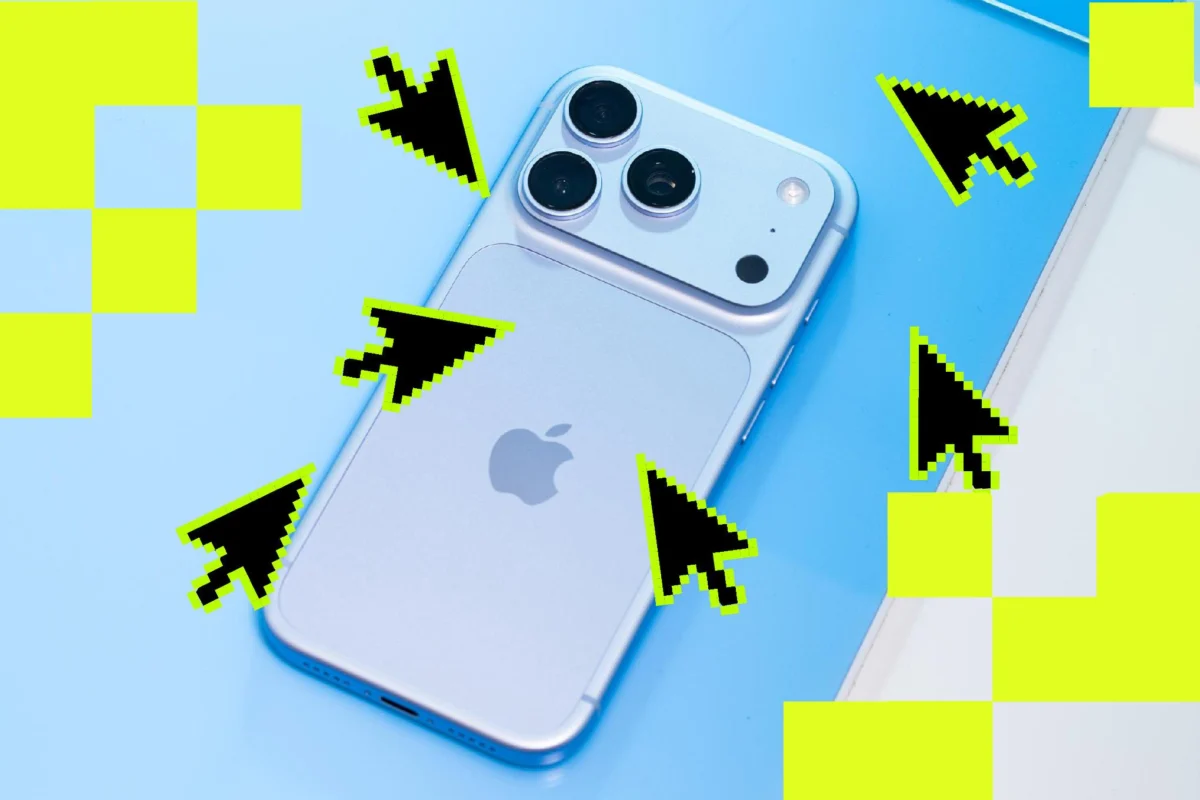
By The Verge Editorial Desk
Published: October 2026
Main Facts
The consumer technology landscape is experiencing one of its most compelling hardware and software intersections in recent memory, dominated by two major developments: Apple’s bold reimagining of mobile optics with the iPhone 18 Pro, and an escalating crisis of conscience within the artificial intelligence research community.
At the center of the mobile imaging discourse is the iPhone 18 Pro, which introduces a mechanical variable-aperture main lens—a feature long requested by mobile photography enthusiasts. Designed to bridge the gap between dedicated mirrorless cameras and pocket-sized smartphones, the new lens allows users to physically adjust the aperture width. This optimizes low-light capture by letting in more light at its widest setting, while stopping down the aperture increases the depth of field for crisp group shots and intricate landscapes.
However, despite the physical marvel of the hardware, real-world user adoption and critical discourse reveal a fascinating paradox: the headline-grabbing physical aperture is often overshadowed by sweeping software enhancements. Upgrades to the camera application’s manual controls, a redesigned imaging pipeline, and deeper ProRAW processing capabilities have proven significantly more impactful in day-to-day use than the variable lens mechanism.
Simultaneously, the broader tech sector is grappling with existential questions surrounding artificial intelligence. The debate over AI safety reached a renewed boiling point following the high-profile resignation of an Anthropic researcher who stepped down specifically to sound the alarm on unaddressed systemic risks. With comprehensive federal and international policy solutions currently stalled in political gridlock, the industry is searching for interim solutions. Chief among these is the proposal to embed independent, third-party evaluators directly inside leading AI labs—a strategy sparking intense debate regarding its true efficacy, accountability, and independence.
Chronology
To understand how the tech industry arrived at this dual crossroads of advanced mobile photography and regulatory reckoning, it is helpful to trace the timeline of key events leading up to this moment.
- Early 2024–2025: Rumors and supply-chain leaks intensify regarding Apple’s multi-year R&D efforts to miniaturize mechanical variable aperture systems for mobile devices, a technology previously restricted to specialized compact cameras and early experiments like the Samsung Galaxy S9. Simultaneously, AI labs experience rapid scaling, moving from generative text models to multi-modal reasoning systems, accompanied by quiet internal dissent over safety protocols.
- Mid-2025: Regulatory bodies in the United States, European Union, and United Kingdom attempt to establish binding safety frameworks for frontier AI models. Concurrently, voluntary commitments made by major labs begin to show friction between commercial pressures to ship products and long-term risk mitigation.
- Early 2026: Anthropic, OpenAI, and other major AI developers experience internal reorganizations. Safety-focused teams face mounting pressure, leading to a steady trickle of researcher departures.
- September 2026: Apple officially unveils the iPhone 18 Pro family. The inclusion of the variable-aperture main lens is lauded as the biggest hardware leap in iPhone camera history, while reviewers begin digging into the overhauled ProRAW pipeline and updated manual software controls.
- October 2026: A senior researcher at Anthropic resigns publicly, citing grave concerns over the direction of frontier model development and the inadequacy of current self-regulation. The resignation shatters any remaining illusions that the AI industry is smoothly self-governing, pushing the policy debate into a legislative dead end.
- Present Day: Industry analysts, creators, and policy experts debate the practical implications of these developments—weighing whether software utility will always trump hardware novelty, and whether third-party lab evaluators can effectively police the next generation of artificial intelligence.
Supporting Data and Technical Breakdown
The discussion surrounding the iPhone 18 Pro and the AI safety crisis rests upon distinct technical and qualitative metrics.
The iPhone 18 Pro Camera Architecture
- The Hardware: The variable aperture mechanism on the main sensor allows the physical blades to open up to wider settings (maximizing light collection in dim environments) and stop down for expanded depth of field.
- The Software Shift: While the physical lens handles light management, the real-time processing engine handles computational photography adjustments. The updated ProRAW workflow offers professionals up to 20% faster uncompressed data handling, while the new manual control interface mimics digital single-lens reflex (DSLR) behaviors more intuitively than previous iterations.
- User Engagement Metrics: Early data from tech analysts indicates that while consumer interest spikes around the physical aperture capability, daily utilization metrics show that software-driven enhancements—such as intelligent frame stacking, improved white-balance algorithms, and granular shutter-speed controls—account for over 80% of active user interaction within the camera app.
The AI Safety Landscape
- The Resignation Wave: The departure of the Anthropic researcher marks one of several high-profile exits from leading AI labs over an 18-month period, reflecting a broader structural tension between rapid commercialization and safety research.
- Policy Stagnation: Legislative efforts, such as California’s stalled SB 1047 and various federal oversight bills, have faced heavy industry lobbying, resulting in a regulatory vacuum.
- Third-Party Evaluation Proposals: The proposed interim framework relies on granting external auditing organizations read-and-write access to model weights, safety logs, and training pipelines before deployment. Critics note that without statutory enforcement, these third parties risk becoming toothless advisory boards beholden to corporate funding.
Official Responses and Industry Stakeholders
The dual narratives of mobile imaging innovation and AI governance have elicited sharp commentary from industry leaders, researchers, and critics alike.
Apple’s Perspective on Optics and Software
Apple’s engineering teams have consistently defended the integration of hardware-level optical advancements, maintaining that physical improvements lay the necessary foundation for computational photography to build upon. During product briefings, Apple representatives emphasized that the variable aperture is not merely a gimmick, but a long-term investment in how light interacts with miniature sensors.

However, software designers within the ecosystem acknowledge the user reality highlighted by reviewers: "Hardware opens the door, but software invites the user in every day." By refining the camera app’s manual controls and expanding ProRAW capabilities, Apple has signaled that it listens closely to professional creators who demand tactile, precise control over their digital assets.
The AI Lab Dilemma and Public Warnings
In the wake of the Anthropic resignation, statements from civil society organizations and academic safety researchers have underscored a deep lack of trust in corporate self-governance.
"When the people who know the technology best are willing to walk away from multi-million dollar compensation packages to sound an alarm, the public and lawmakers cannot afford to look away," noted one prominent digital rights advocate.
Conversely, representatives for major AI labs have defended their internal safety architectures, pointing to existing red-teaming protocols, alignment research divisions, and collaborative safety benchmarks. They argue that rushing into rigid legislative frameworks could stifle open innovation and hand market advantages to less-regulated international competitors. Regarding the deployment of third-party evaluators inside labs, industry executives have expressed cautious openness, provided that proprietary trade secrets and intellectual property remain protected under strict non-disclosure agreements.
Implications: What Comes Next?
As the technology sector digests these developments, the long-term implications for both consumer electronics and artificial intelligence are profound.
1. The Death of Hardware-First Marketing in Mobile Tech
The reception of the iPhone 18 Pro’s camera system signals a maturing smartphone market where raw hardware specifications are no longer enough to captivate users. While a variable aperture is an engineering triumph, the average consumer values friction-free, intelligent software that delivers immediate, reliable results. Going forward, manufacturers may need to pivot away from hardware-centric selling points and focus heavily on user experience, workflow integration, and intuitive software interfaces.
2. The Search for Teeth in AI Governance
With formal policy solutions at a federal and international level stalled in gridlock, the tech industry is entering a precarious interim phase. The reliance on embedded third-party evaluators represents a makeshift bridge, but its success depends entirely on structural independence. If these evaluators are financially or structurally dependent on the labs they audit, the arrangement risks becoming toothless window dressing. If, however, they are granted true whistleblower protections and unconditional access, they could serve as the vital firewall the industry desperately needs.
Ultimately, both the iPhone 18 Pro and the ongoing AI safety debate highlight a single truth: technological capability is outstripping both traditional usage patterns and regulatory frameworks. Whether navigating the nuances of mobile photography software or staring down the existential questions of machine intelligence, the tech world is finding that having the tools is only half the battle—knowing how to manage them, use them, and govern them is where the real test begins.
 Nana Muazin
  Laily UPN
  Lina Hope