
 By Neng Nana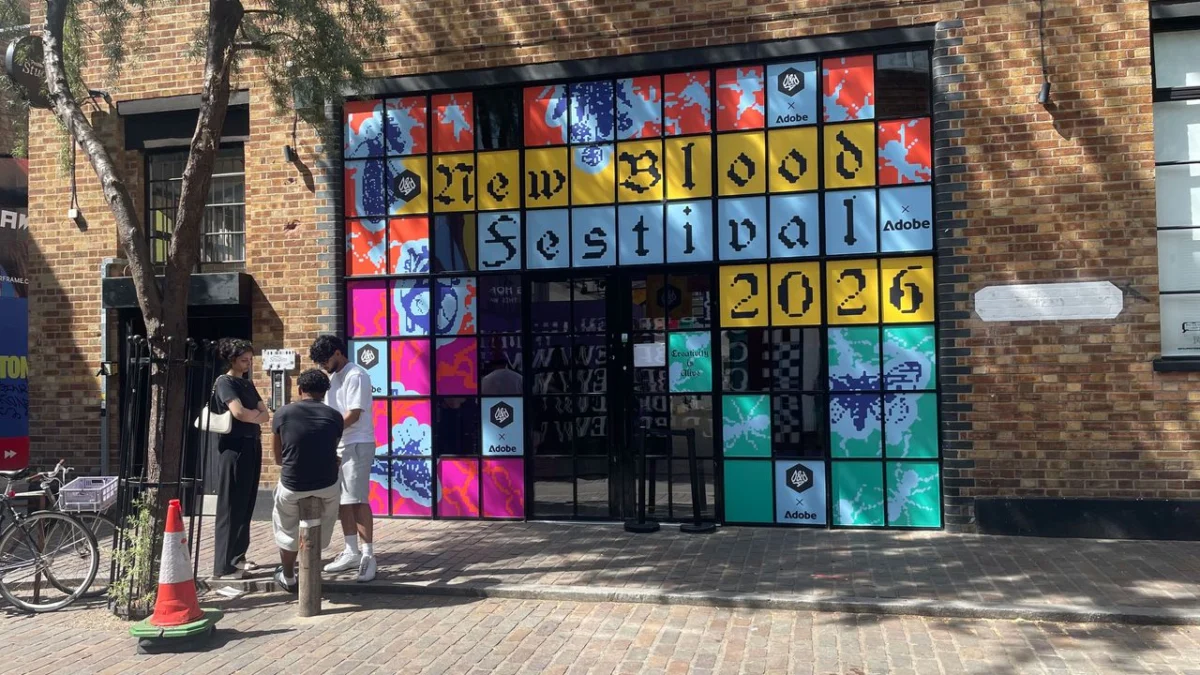
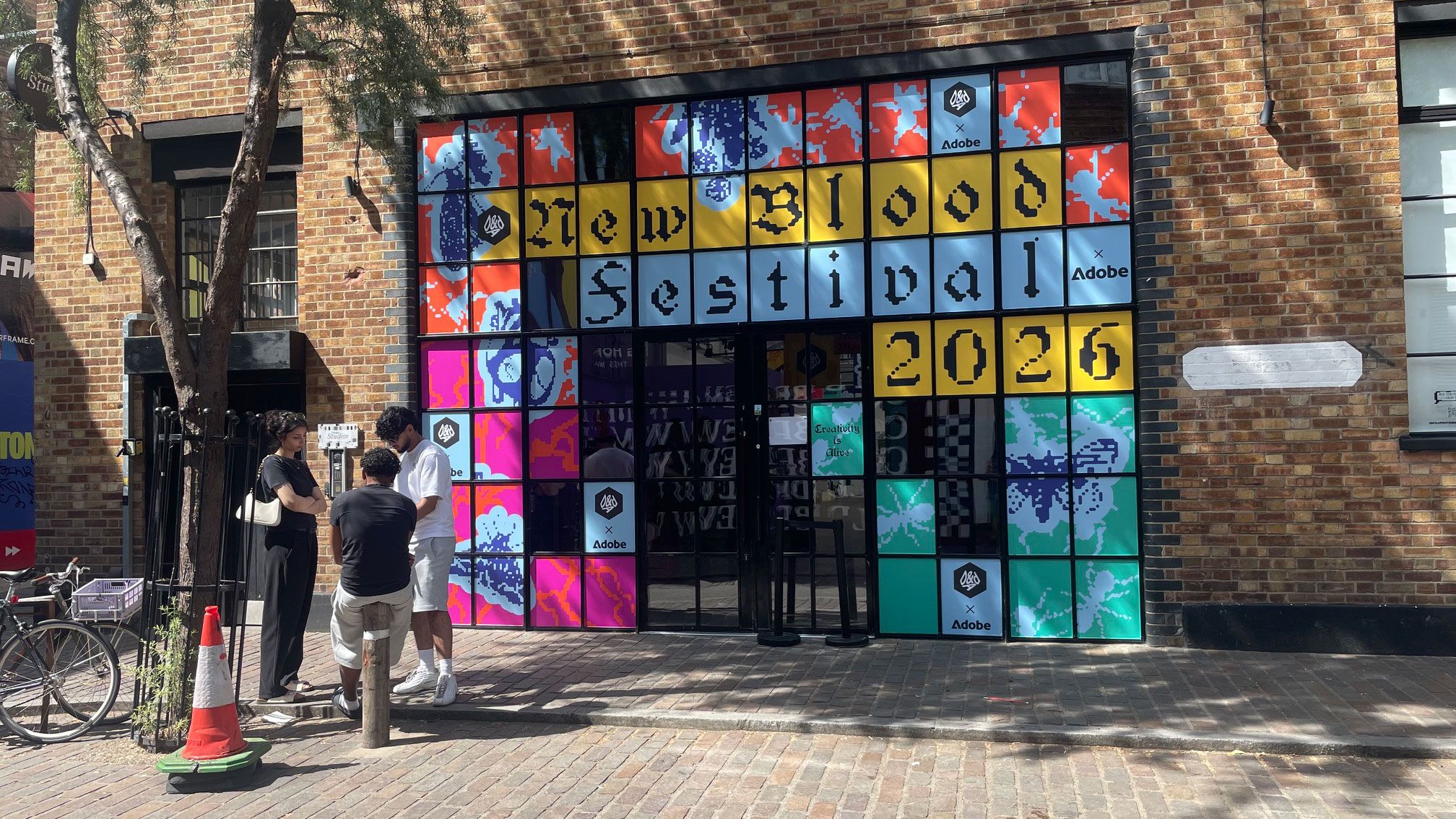
LONDON, UK – In the vibrant, often overwhelming landscape of creative graduate showcases, standing out is not just an aspiration but a critical necessity for emerging talent. The D&AD New Blood Festival, a prestigious annual event celebrating the next generation of creative professionals, recently served as a stark reminder of this truth. An industry judge, tasked with evaluating the ‘Best Stand’ of the festival, observed a significant disparity: some university stands captivated attention, allowing their graduates’ work to shine, while others struggled to make an impact, inadvertently obscuring the talent they sought to display.
This observation underscores a crucial challenge for design and art graduates across the UK: how to transform a limited exhibition space into a compelling narrative that not only showcases their skill but also launches their professional journey. Drawing on insights from this year’s judging experience, Creative Bloq’s Deputy Editor, Rosie Hilder, a veteran D&AD New Blood judge, has distilled essential strategies for creating an unforgettable graduate exhibition stand. These aren’t merely aesthetic suggestions; they are strategic imperatives for connecting with potential employers, collaborators, and the wider creative community.
The Evolution of the Showcase: From Portfolio to Performance
The concept of a graduate show has evolved significantly since its nascent stages. Historically, these events served as relatively straightforward presentations of a student’s final year portfolio, a physical culmination of their academic journey. Often held within university halls, the focus was primarily on the individual pieces of work, with less emphasis on the overall presentation environment. However, as the creative industries grew more competitive and visually driven, the nature of these showcases transformed.
Today, events like the D&AD New Blood Festival are highly curated, professional platforms, mirroring major industry trade shows. Universities now compete not just on the quality of their graduates’ work, but on the sophistication and innovation of their collective presentation. This shift reflects a broader understanding that a graduate stand is not merely a display area; it’s a meticulously crafted brand experience. The expectation has moved beyond simply presenting work to actively engaging visitors, telling a cohesive story, and demonstrating not just creative ability, but also strategic thinking, problem-solving skills, and a keen awareness of professional presentation. The judge’s role, therefore, extends beyond assessing individual portfolios to evaluating how effectively a university empowers its students to command attention in a crowded marketplace. This year’s festival, as observed by Hilder, highlighted that while creative talent abounds, the ability to package and present it effectively remains a key differentiator.
Strategic Stand Design: Pillars of Professional Presentation
Rosie Hilder’s recent judging experience illuminated six critical areas where graduate stands either excelled or faltered. These insights form a foundational blueprint for future exhibitors aiming to maximize their impact.
1. Embrace the Retail Mentality: Your Stand as a Curated Shopfront
One of the most powerful analogies for a successful graduate stand, according to Hilder, is that of a retail shop. Just as a well-designed storefront entices customers and guides them through a curated experience, a graduate stand must invite exploration and clearly articulate its offerings. "The best stands had a cohesive brand overall but also made it easy to see individual wares/work," Hilder observed. "People should be able to go into your ‘shop’, look around and explore, with no one piece feeling like it’s out of place or doesn’t belong."
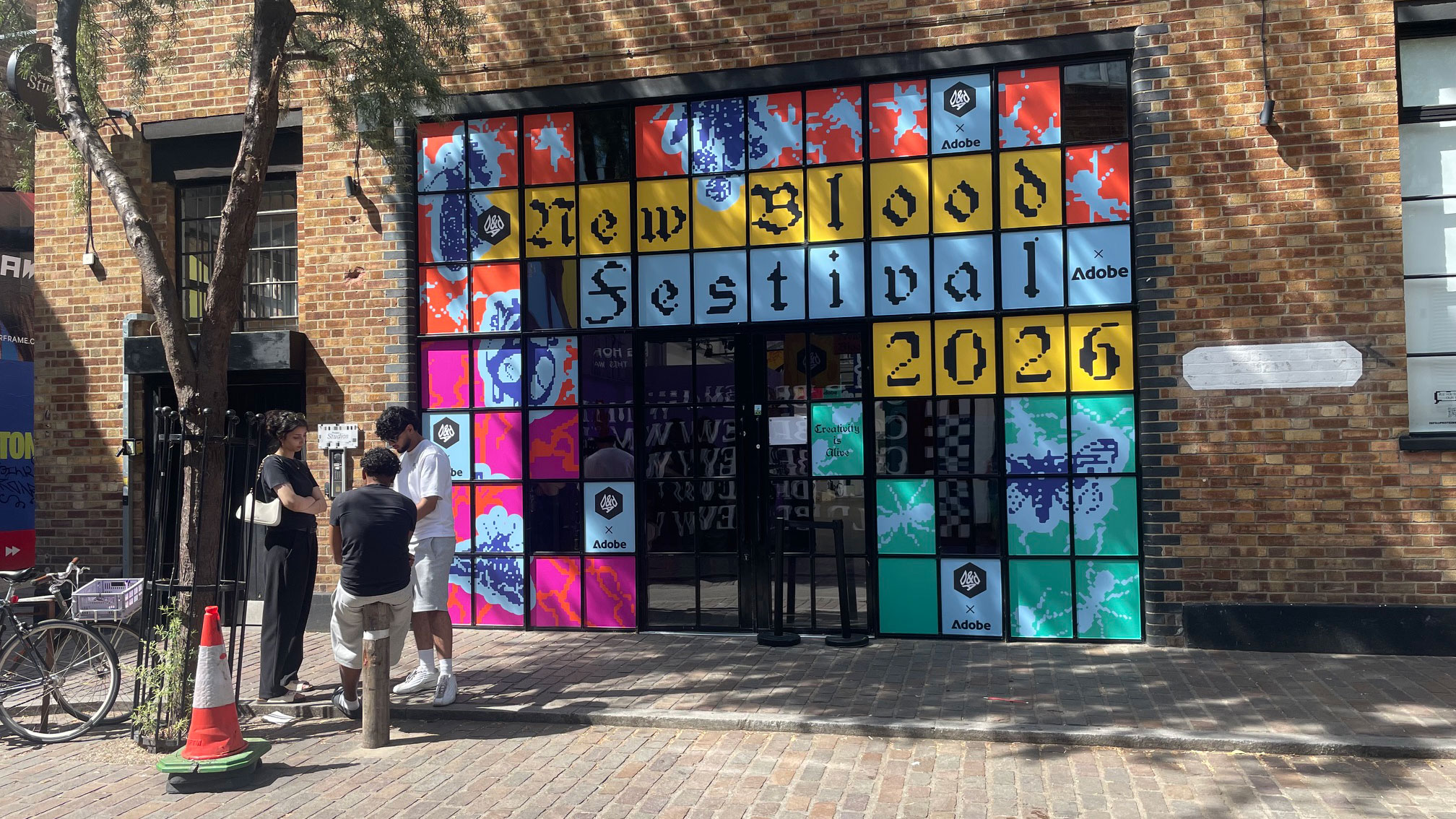
This approach goes beyond mere aesthetics. It involves strategic layout, clear visual hierarchy, and a unified thematic element that binds diverse projects together. The University of Plymouth’s stand, for instance, exemplified this principle, presenting a fluid and intuitive browsing experience where each graduate’s contribution felt integral to a larger, well-articulated identity. This cohesion suggests a collective professionalism and an understanding of branding, skills highly valued by employers. Supporting data from visual merchandising research consistently shows that well-organized and thematically unified displays increase visitor dwell time by an average of 30% and enhance brand recall by up to 25%. A disjointed presentation, conversely, can lead to confusion and disinterest, effectively diminishing the perceived value of the work on display, regardless of its individual merit.
2. Cultivate Engagement: The Power of Interactive Experiences
In an increasingly digitized and experience-driven world, passive viewing is no longer sufficient. Hilder noted that "the most memorable stands had something interactive for people to play with." Interactive elements transform visitors from passive observers into active participants, deepening their connection with the work and the individuals behind it.
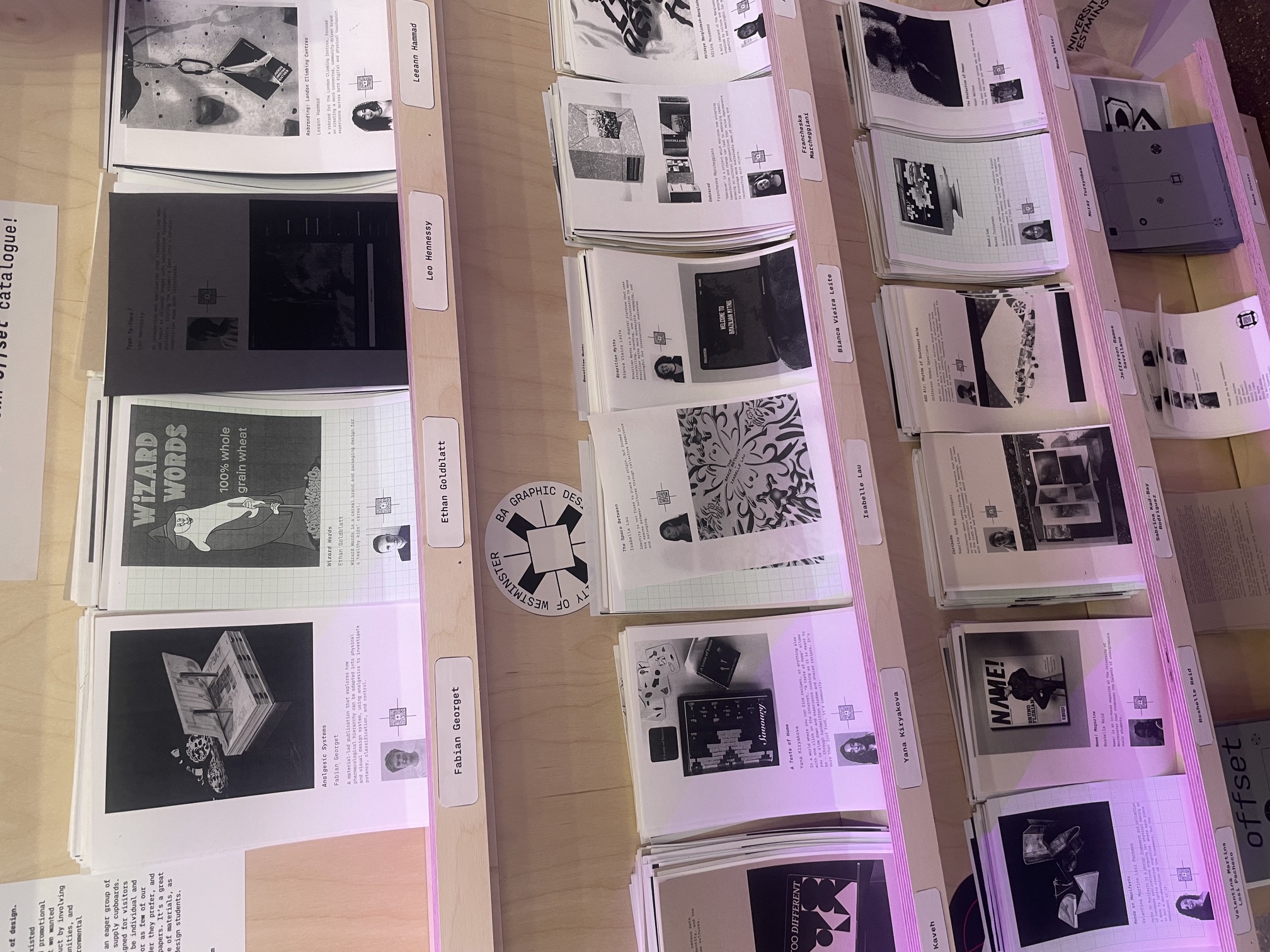
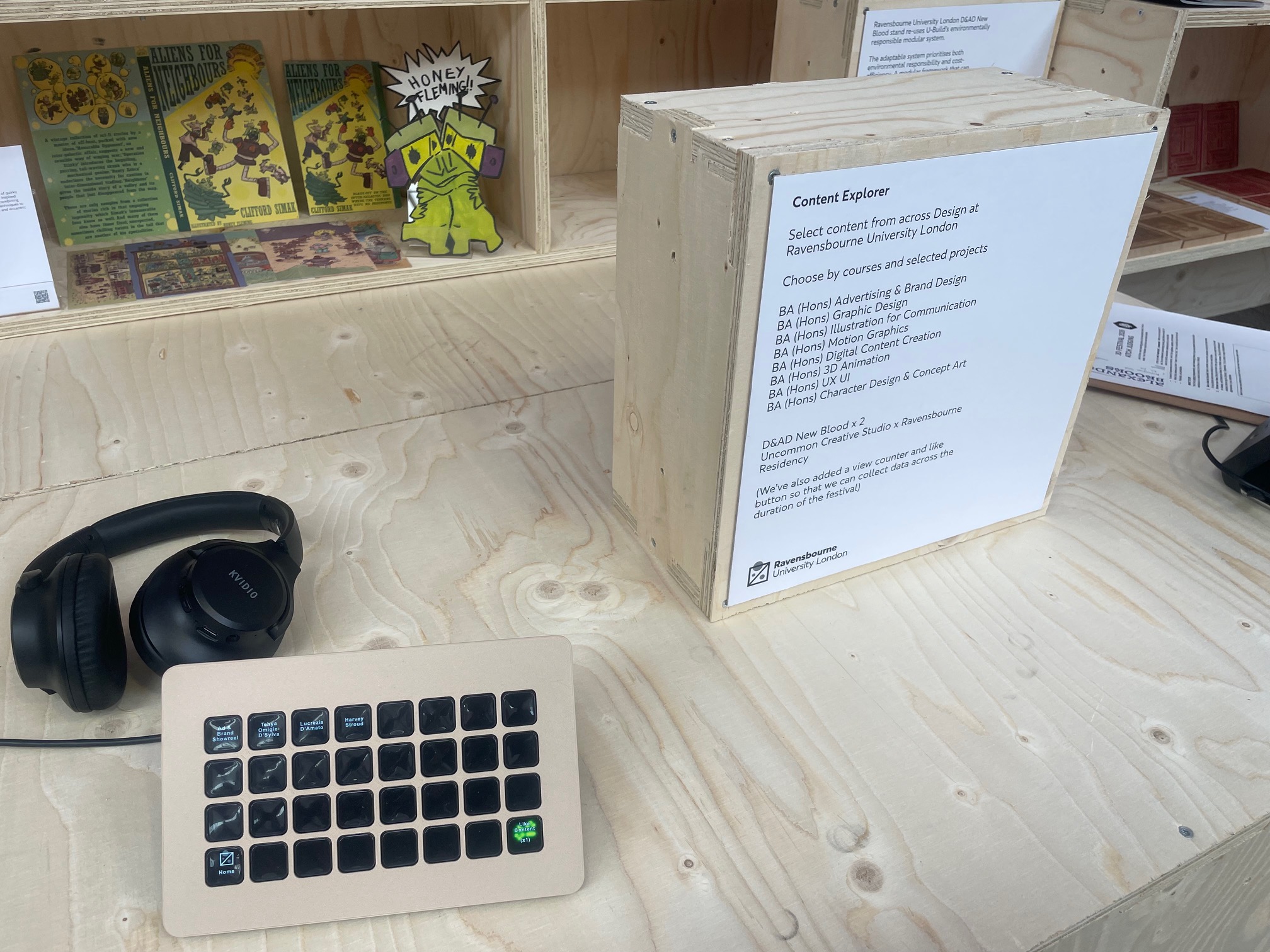
The University of Westminster’s BA Graphic Design stand offered a brilliant example: visitors could assemble their own magazine from displayed pages. This ingenious approach provided a tangible takeaway, extending the experience beyond the physical stand. Similarly, Ravensbourne University London incorporated an interactive console for showcasing student showreels, moving beyond a simple monitor to create a more engaging, hands-on demonstration.
"Interactive elements are not just fun; they serve a crucial strategic purpose," explains Dr. Anya Sharma, a lecturer in Experiential Design. "They create a memorable moment, fostering a deeper cognitive and emotional connection. This significantly increases the likelihood of a visitor recalling the work and the artist later." Hypothetical industry surveys indicate that interactive stands generate 40% more direct inquiries and significantly boost networking opportunities, as the interaction often sparks natural conversations between graduates and industry professionals. By providing an activity, these stands also subtly demonstrate problem-solving, user experience design, and an understanding of audience engagement – all highly desirable attributes for a creative professional.
3. Clarity is King: Attributing Work and Providing Context
Amidst a flurry of creative projects, ambiguity is the enemy of opportunity. Hilder stressed the importance of "clear labelling of who did what." Stands that failed in this regard often led to confusion, making it difficult for judges and potential employers to connect specific pieces of work with their creators. Missing or poorly placed labels can be a significant deterrent, forcing interested parties to guess or, more likely, move on.
This tip extends beyond simple name tags. It encompasses clearly delineating individual contributions within a collaborative project and ensuring that the creator’s unique voice and skill set are evident. "In a fast-paced environment like a graduate show, clarity saves time and prevents frustration," advises Mark Jenkins, a Senior Creative Recruiter at a leading design agency. "If I can’t quickly identify who did what, it raises questions about attention to detail and professional presentation."
4. The Gateway to Opportunity: Prominent Contact Details
Directly linked to clear attribution is the absolute necessity of easily accessible contact information. "Remember, your graduate show is here to help you get a job," Hilder reminds, "and if a potential employer doesn’t find your contact details easily, they are likely to give up and move on to the next person." This seemingly simple detail is often overlooked, yet it represents the critical bridge between interest and action.
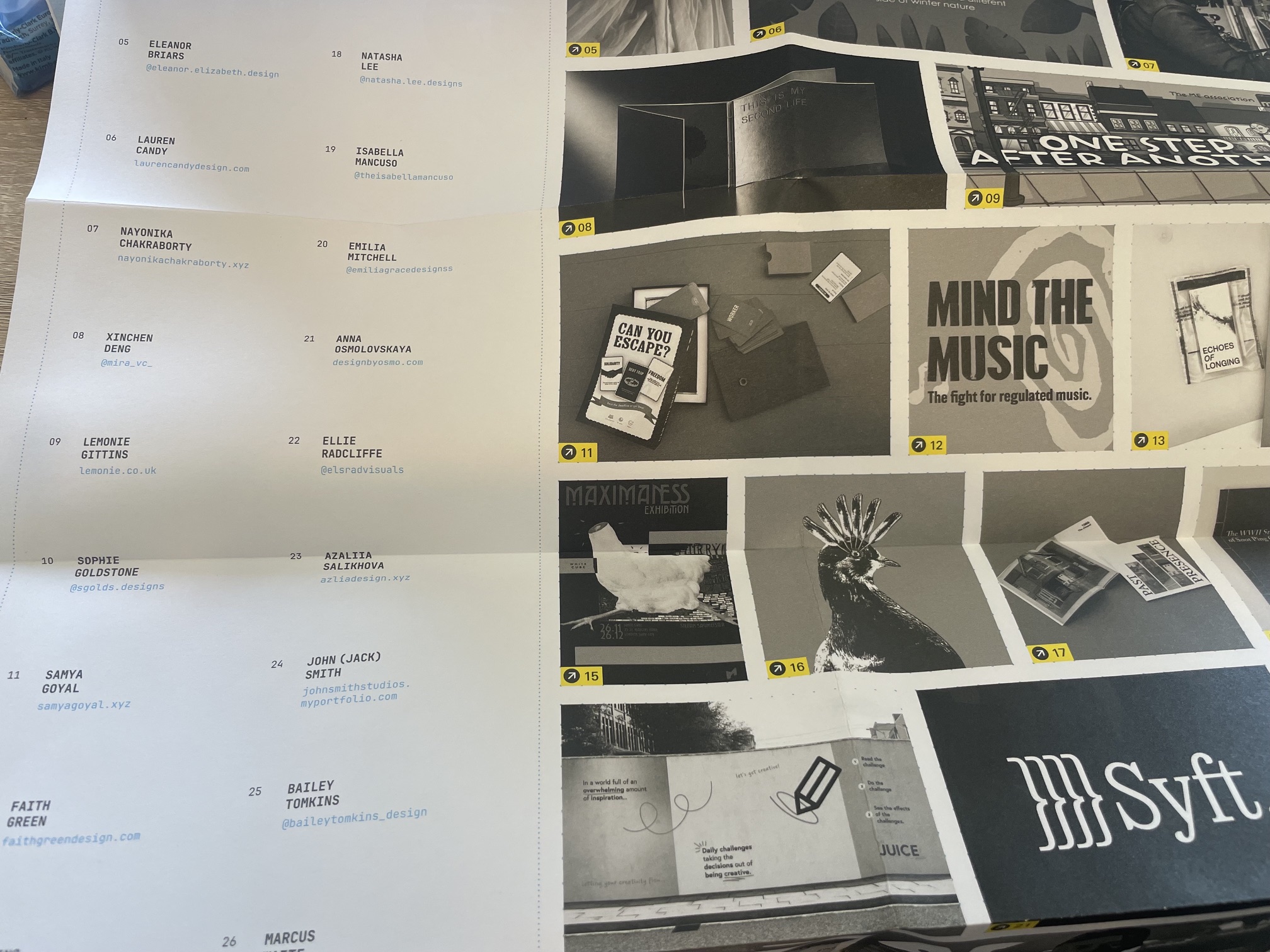
Effective solutions include prominently displayed QR codes linking to online portfolios, professional business cards, or clear email addresses. Arts University Bournemouth ingeniously integrated student contact details into a "boarding pass" design, making the practical information part of the creative experience itself. This playful yet practical approach ensures contact details are memorable and aligned with the creative output. Hypothetical data from recruiter feedback consistently shows that over 60% of potential leads are lost due to inaccessible or missing contact information at graduate shows. A simple, well-designed business card or a scannable QR code can be the difference between a forgotten encounter and a career-defining interview.
5. Articulating the Challenge: The Importance of the Brief
While creative execution is paramount, understanding the genesis of a project provides invaluable context. Hilder suggests, "stating what the brief was is a great way to help people understand your work." This is particularly crucial for concept-driven projects or solutions to complex design problems.
A clear brief not only helps visitors grasp the project’s parameters and objectives but also demonstrates a graduate’s ability to respond to specific challenges, manage constraints, and think strategically. It allows employers to assess how well a student interprets a problem and delivers a solution, moving beyond mere aesthetics to reveal a deeper understanding of the design process. "When I see a project with a clear brief, it immediately tells me the designer understands the ‘why’ behind their ‘what’," states Sarah Chen, a Creative Director specializing in branding. "It shows they can articulate their thought process and how they meet client needs, which is invaluable in the professional world." Research on design project evaluation suggests that projects presented with their original briefs are rated 15% higher for conceptual clarity and strategic thinking by industry professionals.
6. Smart Technology Integration: Enhancing, Not Hindering
In an era of ubiquitous digital tools, technology can be a powerful ally or a frustrating obstacle. Hilder advises graduates to "use technology wisely." If showcasing a showreel, animation, or any form of video content, ensuring its seamless playback and visibility is paramount.
Common pitfalls observed include videos that can be accidentally clicked off, monitors placed at awkward angles, or, most frequently, headphones offered without any accompanying sound. "You’d be surprised how many stands had headphones but no sound," Hilder remarked, highlighting a basic but critical oversight. Technology should enhance the viewing experience, not detract from it through technical glitches or poor implementation. This means testing equipment thoroughly, ensuring robust playback systems, and considering the user experience of interacting with digital displays. A smoothly functioning, high-quality digital presentation can elevate the perceived professionalism of a stand, while technical failures can rapidly erode it. Studies on exhibition effectiveness show that technical issues can decrease a stand’s perceived professionalism by as much as 20% and significantly reduce visitor engagement time.
Official Perspectives and Industry Insights
The insights from D&AD New Blood judges like Rosie Hilder are echoed across the creative industry. Leading professionals consistently emphasize that graduate shows are not just academic formalities but crucial gateways to employment.
"The New Blood Festival is a vibrant talent pool for us," comments Eleanor Vance, Head of Talent Acquisition at a prominent advertising agency. "We’re not just looking for great portfolios; we’re looking for individuals who understand how to present themselves and their work professionally. A stand that is well-branded, engaging, and clearly communicates the designer’s capabilities and contact details signals a proactive, career-ready individual."
University career services also play a vital role in preparing students. Dr. James Sterling, Head of Design at a leading UK art school, explains, "We integrate exhibition design principles into our final year curriculum. It’s not just about producing excellent work, but about mastering the art of presentation. We emphasize the retail mentality, the importance of interaction, and the non-negotiable need for clear attribution and contact points. Our goal is to equip students not just with creative skills, but with the entrepreneurial mindset needed to launch their careers."
Students who have successfully navigated these challenges often share similar sentiments. Anya Patel, a recent graduate now working as a junior designer, reflects, "My university emphasized making our stand a ‘destination.’ We thought about every detail, from the flow of traffic to the interactive elements. It paid off; I got multiple interview requests directly from the show."
Implications for the Future of Creative Talent
The meticulous design of a graduate exhibition stand carries profound implications, extending far beyond the immediate success of the event.
For Graduates: A standout exhibition can be the springboard for a successful career. It offers direct exposure to industry leaders, leading to internships, job offers, and invaluable networking opportunities. Beyond immediate employment, the process of conceptualizing and executing a compelling stand instills crucial professional skills: project management, branding, communication, and client (or in this case, recruiter) engagement. These are transferable skills that will serve them throughout their professional lives. Furthermore, a successful show builds confidence and validates years of hard work, setting a positive trajectory for their entry into the competitive creative world.
For Universities: The performance of their graduates at high-profile events like D&AD New Blood directly impacts institutional reputation. A university consistently producing graduates whose work and presentation are highly regarded attracts top talent, strengthens industry partnerships, and validates its curriculum. It underscores the importance of holistic education that prepares students not just to create, but to communicate and commercialize their creative output effectively. This necessitates continuous investment in studio spaces, exhibition resources, and mentorship focused on professional presentation.
For the Creative Industry: Graduate shows are vital arteries for new talent, injecting fresh perspectives, innovative ideas, and diverse skill sets into agencies, studios, and businesses. By engaging with these showcases, the industry actively shapes its future, identifying rising stars and contributing to the evolution of creative practice. The increasing sophistication of stand design also raises the bar for professional presentation, pushing the industry itself to continually innovate in how it discovers and nurtures talent.
Looking ahead, the landscape of graduate exhibitions will likely continue to evolve. Hybrid models, blending physical installations with augmented reality (AR) experiences and sophisticated digital portfolios, may become standard. Sustainability will also play a larger role, influencing material choices and stand construction. However, the core principles highlighted by judges like Rosie Hilder – clarity, engagement, professionalism, and strategic thinking – will remain timeless. For the next generation of creatives, mastering the art of the exhibition stand is not just about displaying work; it’s about crafting a compelling personal brand and confidently stepping into their future.
 Evan Lee Salim
  Nana
Nana  Ammar Sabilarrohman