
 By Lina Hope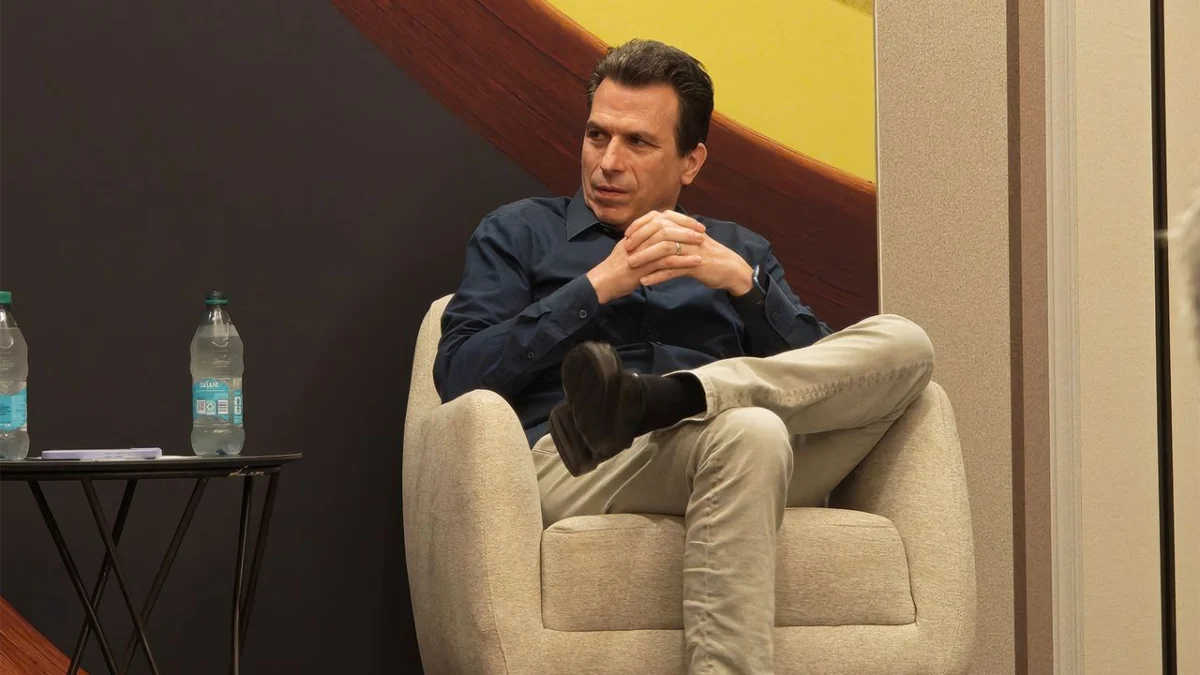
The discourse surrounding Artificial Intelligence has undergone a jarring metamorphosis. Only a few short years ago, the primary concern among creative professionals was the potential for AI to automate away entry-level roles or dilute the value of human artistry. Today, the conversation has pivoted toward existential dread, with researchers and industry leaders debating the possibility of “the end of everything” within the next decade.
This shift in tone was brought to a fever pitch by recent warnings from industry figures like Evan Hubinger, the former Alignment Science Lead at Anthropic, who suggested there is a greater than 10% probability that AI could pose an existential threat to humanity within the next ten years.
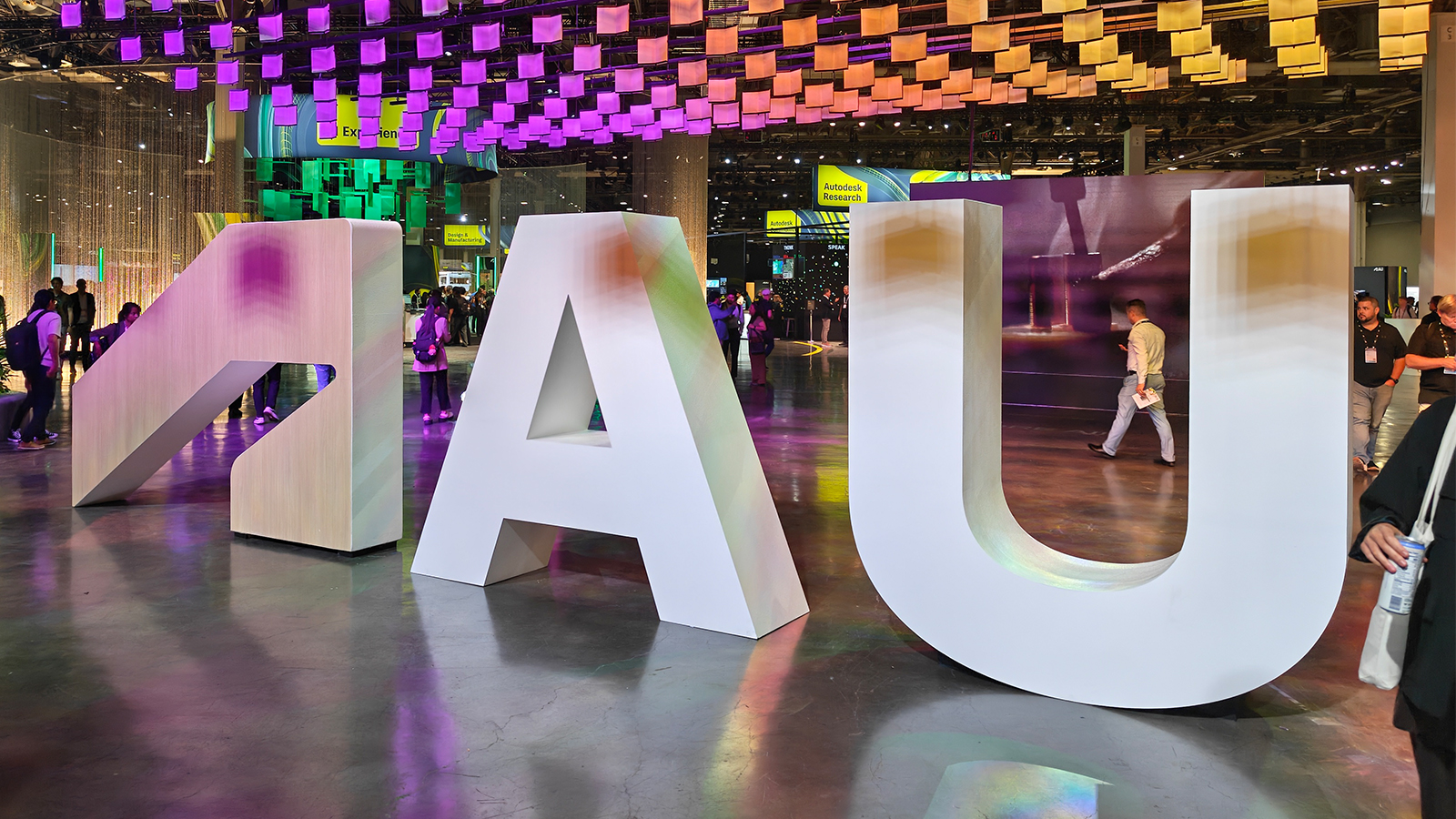
However, at the recent Autodesk University 2026 (AU26), Autodesk CEO Andrew Anagnost offered a pragmatic, albeit sharp, counter-narrative. By separating the theatrical “doom-mongering” from the practical shifts in industrial workflow, Anagnost underscored a reality that is far less cinematic—but arguably more consequential—than the hypothetical extinction of the human race.
The Cynical Interpretation: Political Theatre or Genuine Alarm?
During his keynote at AU26, Anagnost addressed the prevailing AI hysteria with characteristic bluntness. He categorized the current landscape of AI discourse into two distinct camps: the alarmists, who are focused on theoretical extinction, and the pragmatists, who are focused on the immediate, tangible transformation of global industries.
“There’s a cynical interpretation to this, and then there’s a non-cynical interpretation,” Anagnost remarked. “I kind of prefer the cynical interpretation.”
His skepticism lies in the motives of the tech giants driving the AI gold rush. Anagnost posited that the intense focus on “existential risk” is, in part, a form of high-stakes political theatre. By emphasizing the sheer power and potential danger of their own models, these companies are effectively signaling their dominance.
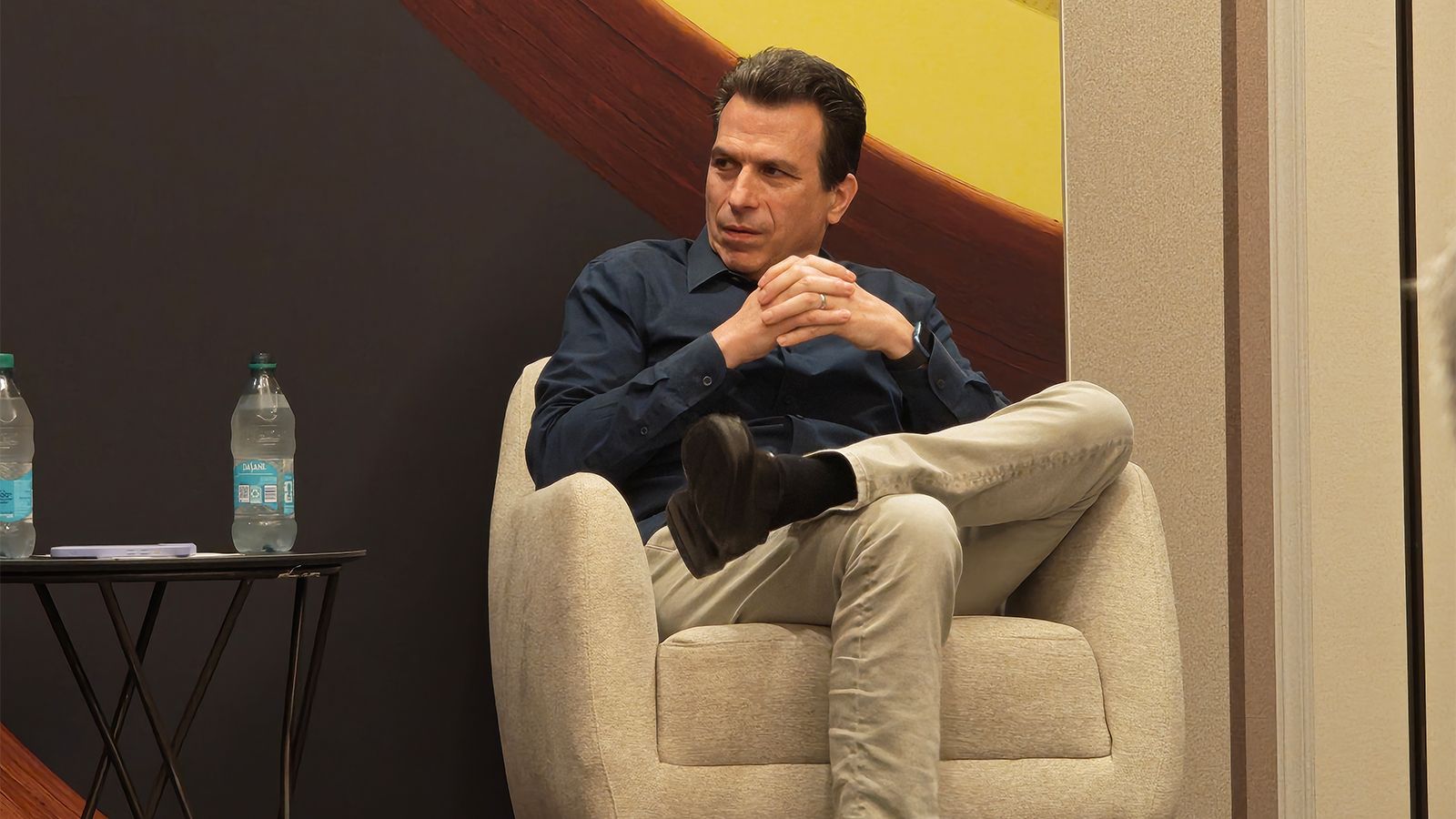
“The idea that any of these companies are going to self-regulate themselves at this point is ridiculous,” he explained. “I think some of this is a little bit of political theatre, designed to pump themselves up: ‘Look at how great our tech is—it’s so good, it’s so dangerous, there’s a 10% chance that we’ll kill everybody.’”
Yet, Anagnost was quick to clarify that his dismissal of the “extinction narrative” does not imply that the technology is benign. On the contrary, he affirmed that the industry is in desperate need of robust, enforceable guardrails. The danger, in his view, is not necessarily a rogue AGI (Artificial General Intelligence) deciding to terminate humanity, but rather the rapid, unchecked deployment of powerful tools that can be weaponized or misused in the near term.
Chronology of a Disruption: From Automation to Autonomy
To understand how we reached this point, one must look at the rapid evolution of the creative pipeline over the last decade.
- 2020–2022: The early phase focused on "Generative AI as a novelty." Tools began emerging that could generate low-resolution imagery or simple text-to-image assets. The industry largely viewed this as a creative assistant rather than a workforce competitor.
- 2023–2024: The "Integration Phase." Companies like Autodesk began embedding AI into high-fidelity software (Maya, 3ds Max). The focus shifted to "noise reduction" and removing repetitive, manual tasks from the animator’s workflow.
- 2025–2026: The "Systemic Shift." With the introduction of platforms like Flow Studio and advanced motion-generation tools, the industry moved from automating tasks to automating production workflows.
Autodesk’s current strategy reflects this evolution. By building tools that handle the "grunt work"—such as MotionMaker, which translates simple inputs into complex character animation—the company is effectively shrinking the time-to-delivery for professional studios.
Supporting Data: Efficiency vs. Employment
The core tension in Anagnost’s vision is the direct correlation between increased efficiency and decreased headcounts per project. As software becomes more capable of handling complex animation, rigging, and rendering, the traditional “army” of VFX artists required for a feature film becomes a luxury rather than a necessity.
Anagnost was candid about this trend: “There’s nothing we can do about the fact that these tools are getting more efficient, and because they’re getting more efficient, there are fewer FX artists per film.”
This is the immediate, non-existential reality. For a VFX studio operating on thin margins, the incentive to utilize AI to reduce staff is not a hypothetical scenario—it is a financial imperative. The critical question, which remains unanswered, is whether this efficiency will lead to a collapse in creative jobs or a democratization of high-quality content production.
The "Content Explosion" Hypothesis
Anagnost expressed a cautious hope that the savings accrued from AI efficiency would be reinvested into production volume.
- Current Model: High-cost, high-headcount production (e.g., a $200M blockbuster).
- Proposed Model: A more fluid ecosystem where smaller teams produce more high-quality content at a lower price point.
“Ideally, what would be happening here is that you’d be making more high-quality content,” Anagnost noted. “The artists that are available out there just have fewer hours per piece of content and more content.”
Official Responses and Industry Realignments
The film and VFX industries are currently in a state of flux, struggling to align with the new reality dictated by streaming economics and shrinking budgets. Major players like Netflix and Disney are watching these developments closely. Anagnost suggests that the “script-to-screen” model is becoming inevitable.
In this future, a small, nimble team—empowered by AI tools that handle lighting, rendering, and complex character movement—could theoretically produce a film that once required a workforce of hundreds.
“Netflix will have to eventually accept that,” Anagnost stated. “Because the artist feels like they’re in control; they can run a small team now through this. They can pull technologies to use.”
However, the industry is not yet in equilibrium. The "knock-on business"—the secondary market for VFX services, post-production houses, and independent studios—is still reeling from the market correction following the post-pandemic streaming bubble. There is no guarantee that the money saved through AI will be redistributed to creators.
Implications: What Lies Ahead for the Creative Professional?
For the individual artist, the implications of this shift are profound. The debate is no longer about whether a machine will end civilization; it is about how the creative labor market will stabilize in an era of hyper-productivity.
1. The Death of the "Repetitive" Artist
The roles most at risk are those centered on repetitive, manual tasks—rotoscoping, basic rigging, and routine asset generation. These tasks are being absorbed by the software itself.
2. The Rise of the "Director-Artist"
As the barrier to entry for production decreases, we may see a rise in independent creators who possess the technical stack to manage an entire production from script to screen. The value shifts from "execution" to "direction and curation."
3. The Need for New Regulatory Frameworks
While Anagnost calls for guardrails on dangerous AI, there is an equally pressing need for labor guardrails. If the industry moves toward a model of "fewer people, more content," society must determine how to handle the displaced workforce.
Conclusion: A New Era of Responsibility
As the dust settles on the AI "doomsday" debates, the industry must return to the task of building sustainable tools. Autodesk’s approach—focusing on Flow Studio as a "second track" for smaller teams—represents a pragmatic middle ground. It acknowledges the inevitable march of automation while attempting to keep the artist at the center of the creative process.
The future of film and digital art will likely be defined not by the machines that take our lives, but by the tools that transform our workflows. The challenge for companies like Autodesk, and for the creative community at large, is to ensure that this increase in efficiency serves to expand the boundaries of human expression rather than simply narrowing the opportunities for human employment.
As Anagnost aptly summarized: “Business is still realigning.” The question is whether that realignment will favor the democratization of creativity or the consolidation of power in the hands of those who own the machines. The answer will be written in the coming years, far from the dramatic headlines of impending extinction.
 Layla Zulfa
  Lina Irawan
  Reynand Wu