
 By Dwi Wanna
It is the perennial digital battlefield: Black Friday week. Your inbox transforms into a chaotic landscape of aggressive capitalization and frantic, high-pressure demands. "50% OFF EVERYTHING!" screams one subject line. "LAST CHANCE TO SAVE!" bellows another. "DON’T MISS OUT!" warns a third. For the average consumer, these notifications trigger a reflexive, almost Pavlovian response: Delete. Delete. Delete.
For business owners, the stakes are undeniably high. Seasonal shopping periods represent a massive portion of annual revenue. However, the traditional "shout-to-be-heard" marketing strategy is reaching a point of diminishing returns. As consumer fatigue sets in, the brands that thrive are those pivoting away from aggressive sales pitches toward a more nuanced, relationship-based approach. The secret to modern email marketing is not selling less; it is selling smarter.
The Anatomy of the Seasonal Fatigue Problem
The "inbox war" is a well-documented phenomenon in modern retail. Data consistently shows that as the volume of promotional emails increases during peak seasons, open rates drop proportionally. When every brand in a consumer’s ecosystem is vying for attention using the same psychological pressure tactics, the brand’s unique value proposition is drowned out by the noise.
The implication for founders is clear: the "spray and pray" method of email marketing—sending identical, discount-heavy blasts to an entire database—is no longer a viable long-term growth strategy. It risks high unsubscribe rates, diminished deliverability, and, most importantly, the erosion of brand trust.
Chronology: Building a Strategy Before the Season Peaks
The most critical mistake founders make is treating seasonal email as an ad-hoc, last-minute necessity. If you are drafting a Valentine’s Day campaign on February 13th, you have already lost the competitive edge.
Phase 1: Strategic Mapping (Months in Advance)
Effective seasonal marketing requires a robust content calendar that maps out key moments months before they occur. This does not mean creating a campaign for every obscure internet holiday—a "National Sock Day" sale is rarely the path to sustainable growth. Instead, it involves identifying the 3-5 seasonal moments that genuinely align with your audience’s lifestyle and your brand’s value.
Phase 2: The Give-and-Take Ratio
The most successful brands operate on a "Give-and-Take" psychological model. The rule of thumb for high-performing newsletters is to provide at least two pieces of high-value content—educational, entertaining, or inspirational—for every single promotional "ask."
By front-loading your communication with value, you build "relational capital." When the sales-focused email finally arrives, the subscriber is already conditioned to view your emails as a source of utility rather than a source of annoyance.
Supporting Data: Why Storytelling Trumps Statistics
In an era of AI-generated content and automated templates, human-centric storytelling has become a premium commodity. Research into consumer psychology reveals a startling disparity in how information is retained: studies suggest that human beings retain approximately 63% of information presented through stories, compared to a meager 5% when presented with standalone statistics or bare-bones promotional offers.
When a brand shifts its focus from "30% off our summer collection" to "The inspiration behind our summer collection," the conversion dynamic changes. The discount stops being the primary driver and becomes the "cherry on top" of a compelling narrative. This context gives the purchase a reason for existing beyond the simple goal of inventory clearance.
The Pillars of Modern Segmentation
Generic email blasts are the hallmark of an amateur strategy. Modern email platforms allow for sophisticated segmentation that treats every subscriber as an individual with a unique relationship to your brand.
1. The New vs. Returning Divide
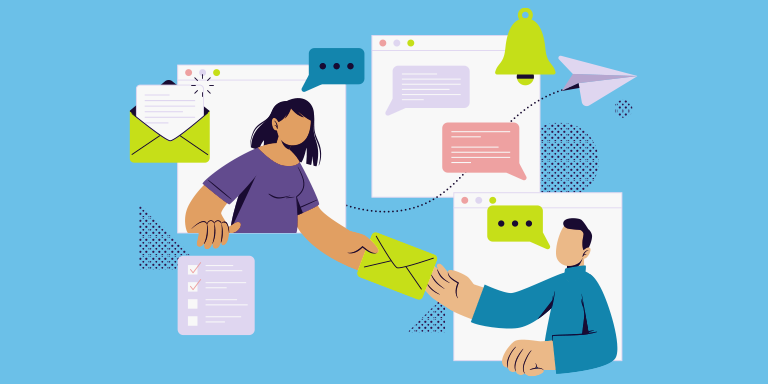
A new subscriber, potentially someone who just joined your list via a lead magnet, requires a brand introduction and social proof. They are in the "consideration" phase. A returning customer, conversely, is in the "retention" phase. They respond better to loyalty rewards, early access to new drops, or personalized "thank you" offers.
2. Behavioral Triggers
Beyond simple purchase history, sophisticated marketers now segment by browsing behavior and engagement levels. If a user has clicked on specific categories—such as "Outdoor Gear" or "Office Accessories"—your seasonal campaign should reflect those preferences. The more relevant the email, the more it feels like a personalized message rather than a bulk broadcast.
Urgency Without Desperation: A Strategic Shift
Urgency is an undeniable driver of conversion, but there is a profound difference between manufactured panic and genuine anticipation.
Manufactured urgency—the classic "LAST HOURS!" email sent to the entire list—is the marketing equivalent of a high-pressure, used-car sales pitch. While it might yield a short-term spike, it degrades brand equity.
Conversely, "Earned Urgency" builds demand through exclusivity. By providing early access to your most loyal subscribers, you foster a sense of belonging. When customers feel like "insiders" who get first dibs on limited-edition releases, they are more likely to act quickly. This isn’t about pressuring them to buy; it’s about providing them with a prioritized opportunity to secure an item they already want.
Official Perspectives: The Founder’s Role in Automation
Modern founders are often juggling dozens of priorities, from supply chain logistics to product development. This is where automation shifts from a convenience to a necessity. Automation allows a brand to deliver the right message at the right time without requiring the founder to be glued to their keyboard 24/7.
Industry leaders emphasize that automation should be used to handle the heavy lifting, not to replace the human voice. The goal is to set up workflows that nurture the customer journey—such as welcome series, abandoned cart sequences, and post-purchase follow-ups—so that the brand remains present and helpful during critical seasonal windows.
Implications for Future Growth
The landscape of e-commerce is shifting toward a model where "Community" is the ultimate competitive advantage. As advertising costs on platforms like Meta and Google continue to rise, the email list remains one of the few assets a founder truly owns.
The implications for long-term business health are clear:
- Retention over Acquisition: It is significantly cheaper to sell to an existing subscriber who trusts your brand than it is to acquire a new one through paid ads.
- Data-Driven Personalization: Utilizing tools like Omnisend allows even the smallest teams to leverage data to create personalized experiences that were once the exclusive domain of massive corporations.
- Sustainable Scaling: By moving away from "shout-based" marketing, brands can maintain higher margins and lower return rates, as customers are buying into a brand story rather than just a temporary price drop.
Conclusion: Treating Subscribers as People
Ultimately, the most successful seasonal email campaigns are those that feel like a well-timed conversation with a friend. When you treat your subscribers as people rather than as mere data points or revenue targets, you build a foundation of loyalty that can weather even the most competitive shopping seasons.
The founders who "win" at email marketing are not necessarily the ones with the deepest pockets or the most aggressive discounts. They are the ones who respect the subscriber’s time, provide consistent value, and understand that every email sent is an opportunity to strengthen—or weaken—a relationship.
As you prepare for your next major seasonal push, ask yourself: Is this email adding value to my subscriber’s day, or is it just another piece of noise in a crowded inbox? The answer to that question will determine whether you are building a transactional business or a lasting brand.
To start building seasonal campaigns that drive revenue without doubling your workload, explore platforms like Omnisend. Foundr readers can access 50% off their first three months by using the code FOUNDR50 upon signup.
 rifanmuazin
  Asep Darmawan