
 By Layla Zulfa
The global dropshipping market is projected to reach an staggering $2 trillion by 2030. Yet, for many veteran entrepreneurs, the "golden era" of dropshipping—characterized by low-effort viral marketing of cheap, mass-produced trinkets—is facing a significant identity crisis. The market has become saturated, consumer expectations for quality and shipping speed have skyrocketed, and the thin margins associated with commodity goods are increasingly difficult to defend against aggressive competition.
Enter DropXL, a B2B dropshipping platform that stands in stark contrast to the common "fast-fashion" or "impulse-buy" supplier models. By anchoring its ecosystem to the extensive vidaXL product catalog, DropXL offers a pivot toward sustainable, premium, and durable retail.
Main Facts: What is DropXL?
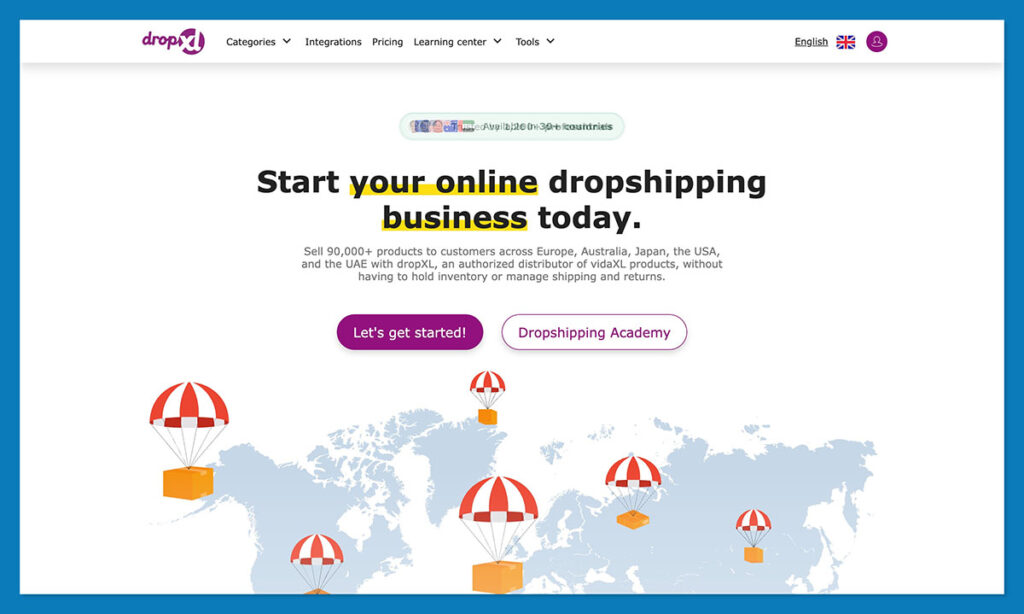
DropXL serves as a specialized bridge between the massive vidaXL inventory and independent online retailers. Unlike automated "one-click" platforms that prioritize quantity over quality, DropXL is built for those looking to build a long-term brand, specifically in categories such as furniture, garden equipment, DIY hardware, and pet supplies.
The platform provides sellers with access to over 130,000 products, many of which are exclusive to the vidaXL network. Crucially, the platform operates on a flat-fee structure—€30 per month—with zero commission fees on sales. This is a radical departure from many dropshipping apps that take a percentage of every transaction, effectively penalizing the seller for their own growth.
Chronology and Evolution of the Model
The shift toward platforms like DropXL mirrors the maturation of the e-commerce sector. In the early 2010s, dropshipping was defined by "arbitrage"—buying from a marketplace for $2 and selling for $10. Today, that model is dying under the weight of high customer acquisition costs (CAC) and shipping delays.
- Phase 1: The Commodity Era: Dropshippers focused on low-cost gadgets and apparel. The primary pain point was "supplier reliability."
- Phase 2: The Logistics Era: Platforms began focusing on shorter shipping times and better inventory management.
- Phase 3: The Value-Added Era (Current): Platforms like DropXL have emerged to address the "quality gap." By offering mid-to-high-range furniture and home goods, the focus has shifted from "selling a product" to "building a furniture store."
The integration of API-driven data feeds represents the latest stage in this chronology. Sellers are no longer just picking items from a static catalog; they are managing dynamic data feeds that update in real-time, allowing for a more sophisticated, retail-grade storefront experience.
Supporting Data: Why the Shift to "Premium" Dropshipping?
The appeal of DropXL lies in the nature of the products themselves. The current inventory includes:
- Furniture (Indoor & Outdoor): Sofas, desks, garden dining sets, and cabinets.
- DIY & Industrial: Tools, machinery, and hardware.
- Pet & Home Essentials: Specialized storage, animal enclosures, and pet accessories.
Data suggests that selling "non-impulse" items creates a higher Average Order Value (AOV). When a customer purchases a $300 dining set, the overhead costs of marketing are easier to absorb than when selling a $15 phone case.
Furthermore, the logistical backbone is significant. DropXL manages the storage, picking, packing, and shipping of these bulky, high-value items. The average shipping timeframe of 5–14 days is remarkably efficient for items of this size, which traditionally require specialized freight handling.
Operational Implications: How It Works
For an entrepreneur, the transition to the DropXL ecosystem involves several critical operational changes.
1. The Onboarding Process
To prevent market saturation and ensure the platform remains B2B-exclusive, DropXL requires a registration and verification process. This typically takes 2–5 days. Users must select the country they intend to sell in, as the inventory and shipping logistics are region-specific.
2. Integration and Automation
While DropXL provides the catalog, the heavy lifting is done through integrations. Using partners like SyncX or GoGetters, sellers can link their DropXL feed to platforms like Shopify, WooCommerce, or BigCommerce.
- API Access: For the tech-savvy, the raw API allows for complete control over the store’s backend, enabling real-time stock and price synchronization.
- The Margin Calculator: A built-in tool that allows sellers to factor in their overhead, advertising, and platform fees to determine the "break-even" price and profit margins.
3. The "Hidden" Complexity
The platform is not without its hurdles. The most significant is the regional restriction: an account is tied to a specific country. If a merchant wishes to expand from a UK-based store to a US-based store, they must manage separate accounts. This is a strategic choice by DropXL to ensure shipping and tax compliance, but it adds an administrative layer for the merchant.
Official Stance: Quality and Aftersales
DropXL emphasizes that while they handle the "back-end" of logistics, the merchant is still the primary face of the customer service experience.
Returns and Warranty:
The process requires the merchant to facilitate communication. If a customer wishes to return an item, the merchant coordinates with the DropXL support team to provide instructions. A point of caution for new sellers: return shipping costs are generally not refunded, and products must be returned in original packaging. Furthermore, while DropXL handles warranties for most regions, the US market has specific exclusions that merchants must be aware of to manage their own customer expectations effectively.
Strategic Implications: Is it Worth the Pivot?
The decision to adopt DropXL should be viewed as a business pivot rather than a simple supplier change.
The Pros:
- Exclusivity: Access to items not found on mass-market platforms.
- Zero Commission: A fixed cost allows for predictable scaling.
- Premium Positioning: Allows merchants to build a professional-looking brand rather than a "dropshipping store."
- Robust Data: Real-time, hourly feeds ensure you aren’t selling out-of-stock items.
The Cons:
- Barrier to Entry: The verification process and the requirement for a professional business entity.
- Complex Returns: Managing customer returns for large furniture is inherently more complicated than small parcel items.
- Regional Silos: The necessity of multiple accounts for international expansion.
Conclusion: A Tool for the Serious Entrepreneur
DropXL is not a "get-rich-quick" scheme for beginners looking to flip cheap products. It is a robust, professional-grade infrastructure for those who want to enter the home and garden retail space.
By removing the reliance on low-margin, high-competition commodities, DropXL allows entrepreneurs to focus on what actually drives e-commerce success: building a brand, managing customer relationships, and optimizing for high-value sales. While the initial setup requires more diligence than standard dropshipping platforms, the result—a more resilient, higher-margin, and professional e-commerce business—is arguably the only way forward in an increasingly crowded digital marketplace.
Frequently Asked Questions (FAQs)
Q: Is DropXL a legitimate business?
A: Yes, it is a transparent B2B platform directly tied to the vidaXL catalog. It operates with clear, publicly accessible terms and provides professional API/integration support.
Q: Why is there a 30-day "cashback" guarantee?
A: DropXL recognizes that their model requires a learning curve. By offering to refund the first month’s subscription if no sales are made, they lower the risk for entrepreneurs to test the viability of their product catalog in their specific niche.
Q: Can I use this for Amazon or eBay?
A: Yes. Many users connect their DropXL feeds to major marketplaces. However, it is essential to review the marketplace’s specific policies on dropshipping to ensure compliance, as some platforms have strict requirements regarding shipping times and packaging labels.
Q: What is the biggest mistake beginners make with DropXL?
A: Underestimating the logistics of furniture returns and ignoring the importance of professional product descriptions. Because the products are high-quality, the store presentation must match that quality to justify the mid-to-high price point.
 Dwi Wanna
  Lina Irawan
  Basiran