
 By Pevita Pearce
For many creators, Ko-fi has long been the "digital front porch"—a cozy, low-pressure space to collect coffee-money tips, offer a few digital downloads, and host a casual membership. It is the perfect entry point for those dipping their toes into the creator economy. However, as your audience grows and your creative practice matures, that "front porch" can start to feel cramped.
When you find yourself wanting more control over your branding, deeper analytics, or specialized tools for complex product launches, it is often a sign that you have outgrown the platform. Whether you are an artist ready to launch a high-quality print shop, a podcaster looking to build a multi-tiered membership program, or an educator packaging complex online courses, there is a specialized ecosystem waiting for you.
In this analysis, we evaluate the top-rated alternatives to Ko-fi in 2026, breaking down how they offer greater control, enhanced customization, and features tailored to the modern professional creator.
The Evolution of the Creator Economy: Why Platforms Matter
The shift from simple "tipping" to "business ownership" is the defining trend of the current creator cycle. Creators are no longer just hobbyists; they are small-to-medium enterprises. The core challenge for a growing creator is balancing convenience (easy setup) with scalability (the ability to handle more products, customers, and data).
Quick Comparison at a Glance
| Platform | Best For | Starting Price | Platform Fee | Standout Feature |
|---|---|---|---|---|
| Fourthwall | Merch & Digital | Free | 5% (digital) | Built-in fulfillment |
| Patreon | Community | Free | 10% | Robust gated content |
| Buy Me a Coffee | Quick Tips | Free | 5% | Speed & simplicity |
| Gumroad | Digital Goods | Free | 10% + $0.50 | Rapid checkout |
| Payhip | Storefronts | Free | 5% (on Free) | Flexible pricing |
| Substack | Writing | Free | 10% | Email integration |
| Memberful | Private Sites | Custom | 4.9% | Deep integration |
| Podia | Courses/All-in-one | $33/mo | 5% (Mover) | All-in-one hub |
| Liberapay | Non-profit/Tips | Free | 0% | No platform fees |
1. Fourthwall: The Integrated Merchandising Powerhouse
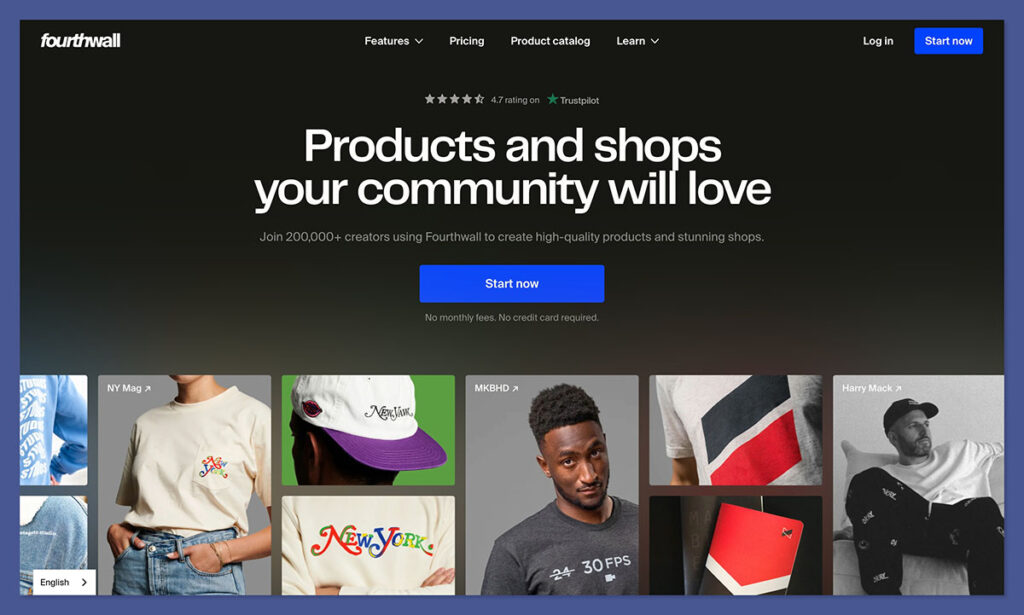
Fourthwall is arguably the most significant challenger to Ko-fi for creators who want to transition into physical goods. While Ko-fi treats physical products as an afterthought, Fourthwall is built on an ecommerce-first architecture.
The Implications: By integrating print-on-demand fulfillment directly into your store, Fourthwall eliminates the "logistics headache." You can sell high-quality hoodies, mugs, and posters without touching a single shipping label.
- Pros: Seamless integration of merch and digital products; high-end customization.
- Cons: Steeper learning curve than simple tipping platforms.
- Verdict: Ideal for creators with a strong visual brand who want a "Shopify-lite" experience.
2. Patreon: The Gold Standard for Membership Communities
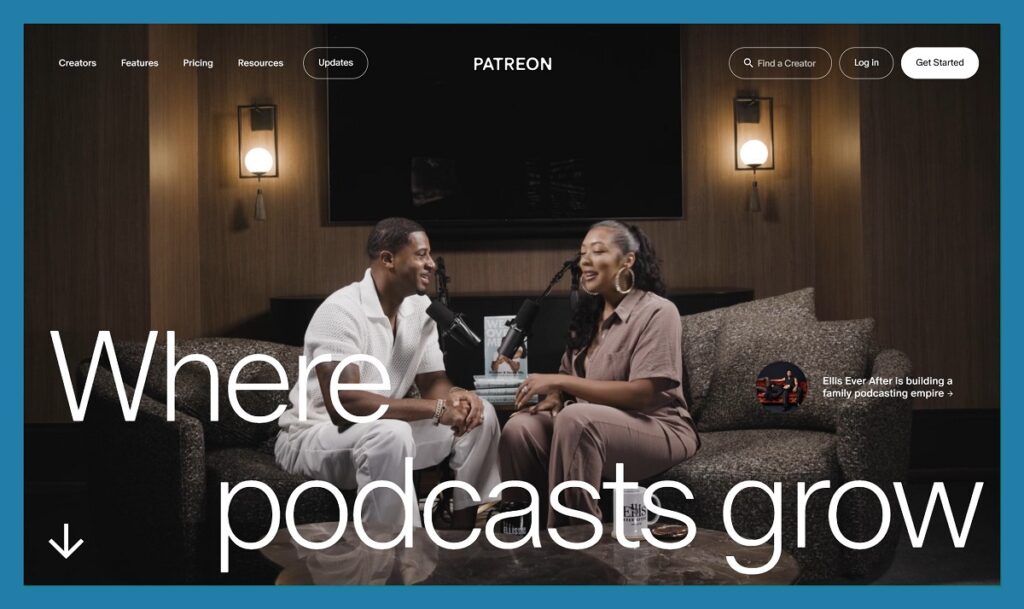
Patreon remains the industry leader for a reason. In 2026, it is not just a payment processor; it is a community management tool. If your goal is to build a recurring income stream based on exclusive interaction—such as Discord access, Q&As, or early releases—Patreon is unparalleled.
Supporting Data: Despite the rise of new competitors, Patreon’s retention rates for creators in the "educational" and "audio-entertainment" sectors remain the highest in the industry, largely due to the familiarity of the user interface for backers.
- Pros: High trust factor among fans; robust community tools.
- Cons: Limited branding customization compared to standalone sites.
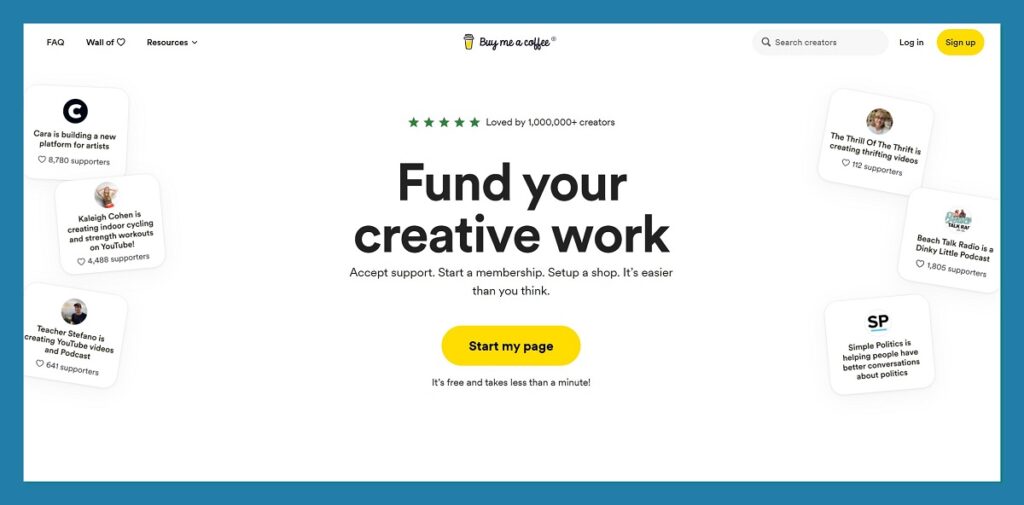
3. Buy Me a Coffee: The Minimalist’s Choice
If you are moving away from Ko-fi but are terrified of complexity, Buy Me a Coffee (BMC) is the natural sibling. It maintains the "casual" feel of Ko-fi but adds a more polished, modern interface that looks excellent on mobile devices.
- Key Advantage: It is arguably the fastest platform to set up. If you have a link-in-bio and want to keep your monetization as "no-pressure" as possible, BMC is the top choice.
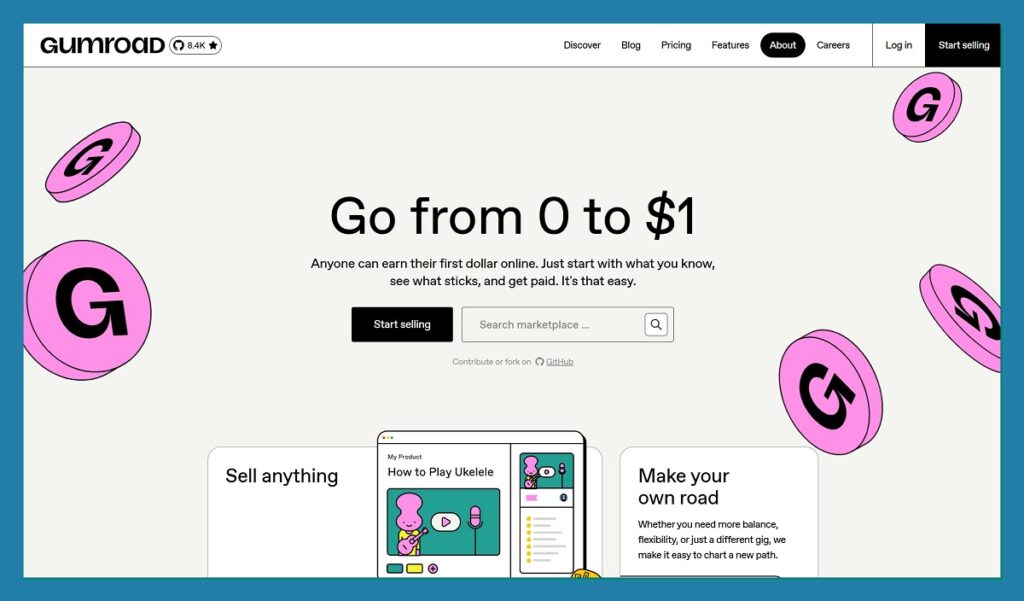
4. Gumroad: The Speed-to-Market Specialist
Gumroad is for the "product-first" creator. If you have an ebook, a Lightroom preset pack, or a software template to sell, Gumroad gets it in front of customers faster than any other platform.
Chronology of Growth: Gumroad evolved from a simple link-based payment tool into a full-fledged marketplace. Its ability to handle "Pay what you want" pricing models is a significant psychological advantage for creators testing the market value of their digital assets.
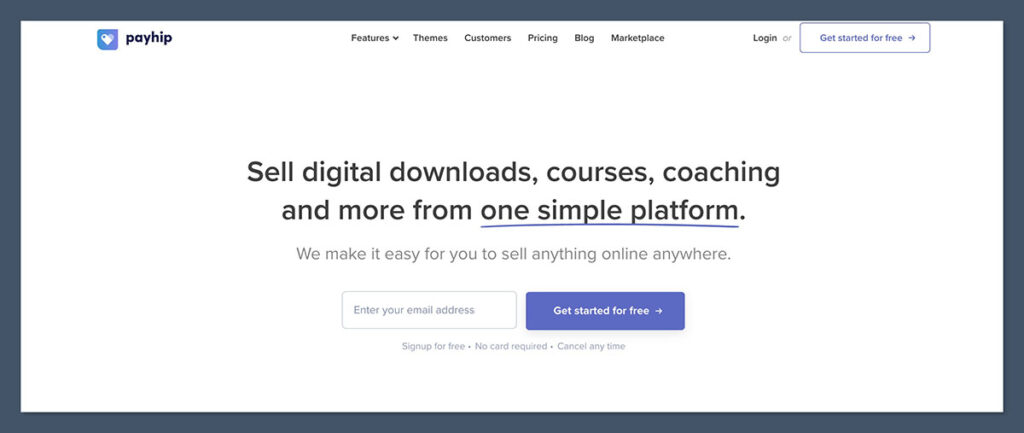
5. Payhip: Scaling for the Serious Entrepreneur
Payhip is the "hidden gem" of the creator economy. It offers a professional, fully customizable storefront that handles VAT and EU tax compliance automatically—a massive benefit for international creators.
- Scalability: Unlike other platforms, Payhip allows you to switch between a free plan with higher transaction fees and a pro plan with lower fees, allowing you to optimize your margins as your revenue grows.
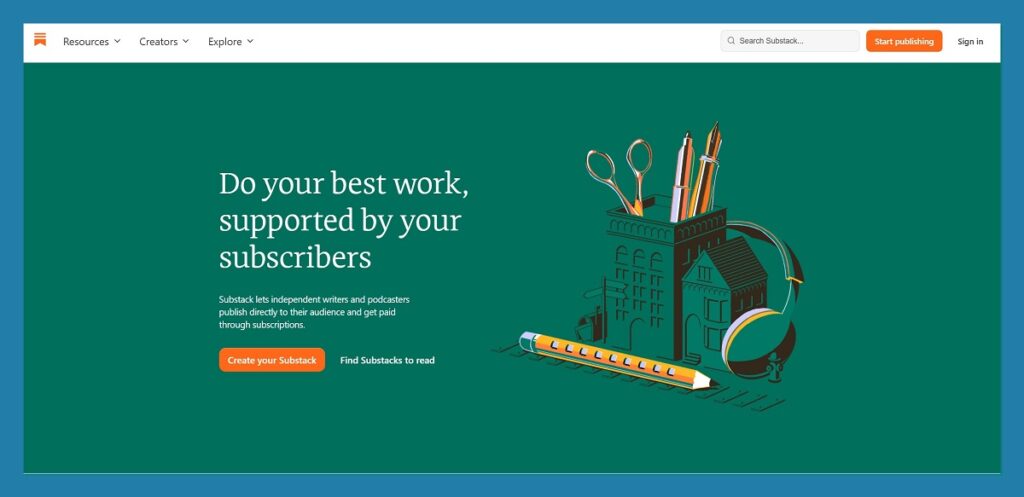
6. Substack: The Writer’s Engine
Substack has fundamentally changed how journalists and independent writers monetize. It is not a store; it is a publishing house. By combining email delivery with a payment gate, it creates a direct line to your audience’s inbox.
- Implication: Substack is best for creators who want to own their subscriber list. Unlike platforms that hold your customer data behind a wall, Substack encourages you to own the relationship with your readers.
7. Memberful: Owning Your Digital Territory
For established creators with an existing website, Memberful is the preferred choice. It allows you to "bolt on" membership features to your existing WordPress or Squarespace site.
- Why it works: You maintain 100% control over the user experience. There is no "redirect" to a third-party site. This is vital for high-end brands that need a cohesive, professional aesthetic.
8. Podia: The All-in-One Educational Hub
If you are an educator, Podia is the most efficient way to replace multiple subscriptions. It combines email marketing, website building, and digital product sales into one dashboard.
- Efficiency: By replacing separate tools for email, course hosting, and storefronts, Podia often results in lower net costs, despite the $33/month starting price.
9. Liberapay: The Ethical Alternative
For open-source developers and non-profit creators, Liberapay is unique. It is a donation-only platform that charges zero platform fees, relying entirely on the generosity of the community to sustain its own operations.
Strategic Considerations for the Transition
When moving from a basic platform like Ko-fi to a specialized solution, creators must consider three primary factors:
1. The "Platform Friction" Factor
Every time you move your audience to a new link, you lose a percentage of them. If you are moving from Ko-fi to a more complex platform like Podia or Fourthwall, ensure you have a "migration plan"—send a series of emails or social updates explaining why the move benefits them (e.g., "Better access to my new courses").
2. Branding and Ownership
Ask yourself: Do you want to be a "creator on [Platform Name]" or a "business owner with a website"? If the former, Patreon or Substack are excellent. If the latter, look toward Memberful or Payhip.
3. The Multi-Platform Strategy
Interestingly, the most successful creators in 2026 are not using just one tool. They are using a "hybrid stack." For example:
- Substack for free/paid newsletters (to drive traffic).
- Payhip for high-ticket digital products.
- Patreon for private community access.
This approach is highly recommended. By diversifying where you host your revenue streams, you protect yourself against platform policy changes or account suspensions.
Final Thoughts: Matching Tools to Your Ambition
There is no "best" platform—only the right platform for your current stage of business.
- If you are just starting: Stay with Ko-fi or move to Buy Me a Coffee.
- If you are selling products: Look at Fourthwall or Payhip.
- If you are building a community: Patreon is the logical next step.
- If you are an educator: Podia is the clear winner.
The creator economy is no longer a monolith. It is a diverse ecosystem of specialized tools. Your goal in 2026 should be to identify which of these tools serves your long-term vision rather than just your immediate need. By selecting the right infrastructure now, you set the stage for your business to transition from a side-hustle into a sustainable, scalable career. Don’t be afraid to experiment—many of these platforms offer free tiers precisely so you can test their workflow before you commit. The "front porch" was a great place to start, but the rest of the house is waiting for you.
 Dwi Wanna
  Lina Irawan
  Basiran