
 By Pevita Pearce
Introduction and Main Facts
For nearly two decades, the WordPress ecosystem has operated under a standardized architectural paradigm: the box. Whether using the native block editor or traditional third-party page builders, developers and designers have built websites by stacking rectangular containers, rows, columns, and modules. While this structured approach democratized web design, it frequently introduced significant compromises: rigid layouts, bloated codebases, slow page speeds, and a heavy reliance on a web of third-party plugins to achieve advanced functionality.
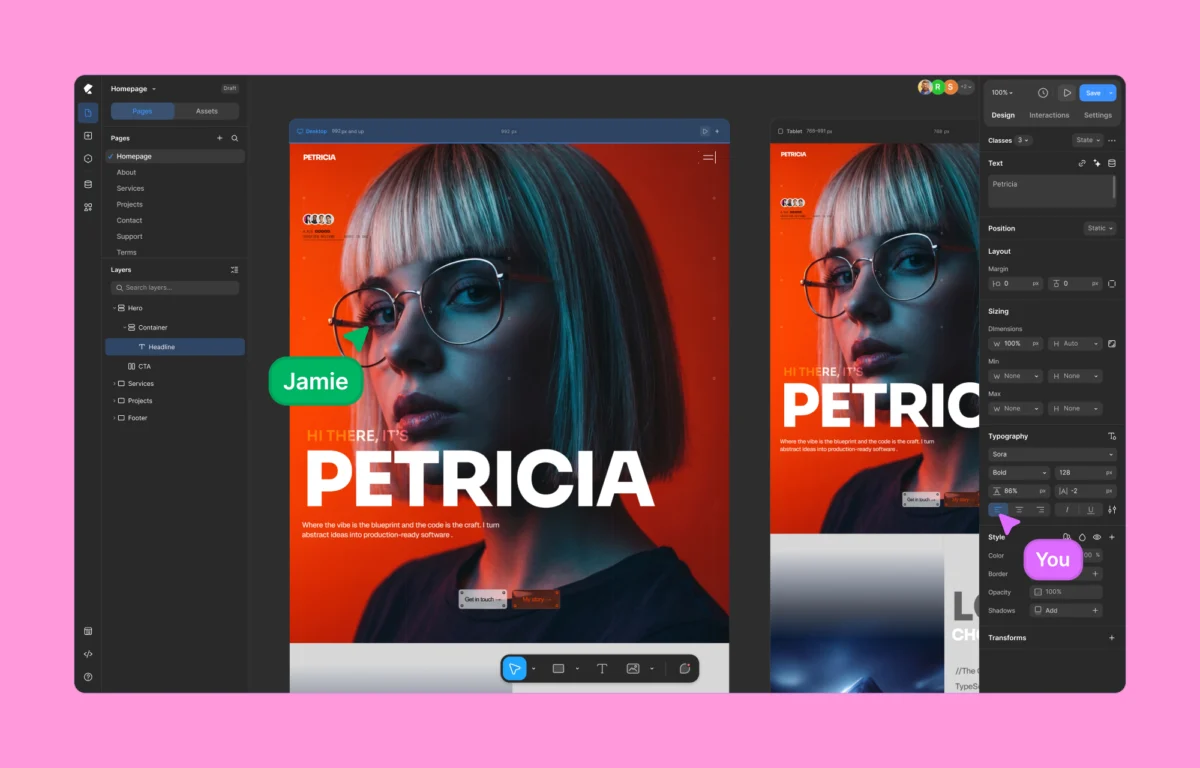
Enter Kirki, a next-generation, no-code visual website builder that fundamentally reimagines how websites are created within WordPress. Released as both a robust free version on WordPress.org and a scalable Pro offering, Kirki introduces the ecosystem’s first freeform visual builder featuring an infinite canvas. By breaking away from traditional row-and-column constraints, Kirki offers a workflow that mirrors modern standalone design tools like Figma and Webflow. It combines an integrated content management system, native dynamic content, timeline-based animations, and real-time multi-user collaboration into a single, high-performance platform with zero third-party plugin dependencies.

Chronology of Evolution: From Customizer Framework to Visual Powerhouse
The journey of Kirki within the WordPress community reflects a steady evolution toward developer and designer efficiency:

- The Early Years (Framework Era): Kirki initially established its footprint as a developer-friendly toolkit and Customizer framework. It allowed theme developers to generate WordPress Customizer controls seamlessly, abstracting complex code into clean JSON configurations.
- The Shift Toward No-Code (Re-engineering): Recognizing the limitations of legacy page builders and the growing demand for true design freedom, the development team completely re-envisioned Kirki. Instead of merely updating an existing plugin, they engineered a ground-up visual builder tailored for the modern web.
- The Introduction of the Infinite Canvas: In its latest iteration, Kirki abandoned the traditional boxed layout model. It launched a freeform visual canvas that supports pan-and-zoom design, overlapping layers, and direct manipulation of layout behaviors without writing code.
- Expansion of Pro Capabilities & Ecosystem Integration: The platform recently rolled out comprehensive pricing tiers—including an accessible $59/year Starter plan and a $499 Lifetime tier—alongside advanced native features like the Dynamic Content Manager, Kirki Apps for centralized third-party integrations, and real-time co-editing tools.
Supporting Data and Performance Benchmarks
Performance is no longer just a technical metric; it directly impacts search engine optimization (SEO), user experience, and conversion rates. To evaluate how Kirki compares to established heavyweights like Elementor, independent benchmarks were conducted under identical laboratory conditions.

Test Methodology
- Environment: A clean WordPress installation utilizing the default Twenty Twenty-Five theme.
- Layout: Identical multi-section layouts featuring text, images, buttons, and structural containers built using comparable design elements.
- Auditing Tool: Google Lighthouse performance audits measuring load times, script execution, and Core Web Vitals.
Empirical Findings
- Code Output and DOM Complexity:
- Kirki generated a remarkably clean Document Object Model (DOM) featuring minimal semantic HTML, significantly fewer
<div>tags, and no unnecessary wrapper elements. - Elementor produced heavily nested markup and injected extra JavaScript scripts even on simple layouts, creating a heavier payload.
- Kirki generated a remarkably clean Document Object Model (DOM) featuring minimal semantic HTML, significantly fewer
- Speed and Responsiveness: Kirki’s lightweight code output yielded substantially faster load times and higher scores across all Lighthouse performance metrics. The streamlined asset delivery ensures that sites built with Kirki meet stringent Core Web Vitals standards out of the box, outperforming traditional builders that often require additional caching and optimization plugins to achieve comparable speeds.
Official Responses and Industry Perspectives
The reception of Kirki within the design and development communities highlights a growing fatigue with bloated WordPress workflows.

- Designer and Developer Sentiment: Early adopters and UI/UX professionals migrating from tools like Webflow and Framer have praised Kirki for bridging the gap between external design software and WordPress execution. Many are dubbing it a paradigm shift for the CMS.
- Agency Feedback: Freelancers and agency owners managing multi-contributor projects have expressed strong approval for Kirki’s real-time co-editing features. The ability for multiple team members to view live cursor movements, leave pinned canvas comments, and co-edit pages simultaneously addresses a long-standing collaboration bottleneck in WordPress development.
- Value Proposition Stance: Kirki’s creators emphasize transparency. Unlike competitors that gate essential features behind tiered upsells or require auxiliary plugin purchases for forms, pop-ups, and dynamic content, Kirki includes its entire feature set from day one across all plans.
Implications for the WordPress Ecosystem
The introduction of Kirki carries profound implications for the future of WordPress site building, development agencies, and competitive page builders.

1. The Decline of Plugin Bloat
Traditionally, achieving a sophisticated WordPress site required installing separate plugins for custom fields (e.g., ACF), form building, pop-ups, animations, and performance optimization. Kirki’s all-in-one architecture centralizes these functions natively. This reduction in third-party dependencies lowers security risks, minimizes plugin conflict vulnerabilities, and simplifies site maintenance.

2. Bridging the Designer-Developer Gap
By offering an instant Figma-to-Kirki workflow, the platform dramatically accelerates handoff times. Designers can translate high-fidelity vector designs directly into functional, fully responsive WordPress structures without losing layout fidelity or breaking custom breakpoints.

3. Raising the Performance Standard for CMS Builders
As Google’s Core Web Vitals become increasingly critical for search rankings, page builders can no longer afford to output heavy, unoptimized code. Kirki’s DOM efficiency sets a new benchmark, forcing legacy page builders to re-architect their rendering engines or risk losing market share to leaner, performance-first alternatives.

Conclusion
Kirki represents a pivotal evolution in the WordPress landscape. By successfully merging the artistic freedom of an infinite canvas with the deep backend power of WordPress, it eliminates the traditional compromises of speed, cost, and structural rigidity.

Whether utilized through its feature-packed free version or its scalable Pro and Lifetime plans, Kirki provides designers, developers, and business owners with the tools to build fast, secure, and visually stunning digital experiences. As the ecosystem matures, Kirki stands not merely as an alternative to traditional page builders, but as a compelling glimpse into the future of WordPress site building.
 Azzam Bilal Chamdy
 Nila Kartika Wati
 Evan Lee Salim
