
 By Asro
In the current digital landscape, social media has evolved from a simple broadcast channel into a sophisticated engine for lead generation, brand sentiment, and customer loyalty. However, as platform algorithms grow more complex and consumer expectations for real-time engagement hit an all-time high, the "one-person-show" approach to social media is becoming a liability.
As we head into 2026, building a winning social media team is no longer just about hiring a content creator; it is about orchestrating a blend of human creative intuition, strategic business acumen, and AI-powered operational efficiency.

The Evolution of the Modern Social Team
The composition of a high-performing social team in 2026 is defined by its ability to balance artistic output with cold, hard data. Whether you are a lean startup leveraging AI to maintain a constant presence or an enterprise managing a dozen specialized roles, your structure must be dictated by your specific business objectives rather than arbitrary industry standards.
The primary drivers of your team structure should be:

- Business Stage: Are you in a growth phase, or are you focused on retention and brand maturity?
- Operational Capacity: When the volume of content and community interaction consistently outpaces your current team’s ability to respond, the window for hiring has opened.
- Strategic Competency: If you are looking to enter a new channel—like pivoting from static imagery to high-production short-form video—you need specialized expertise that your current team may lack.
Chronology: When to Scale Your Social Operations
There is no "magic button" that notifies a business it is time to expand its social department. However, industry experts point to a predictable progression of symptoms indicating that your strategy has outgrown your current personnel.
Phase 1: The Performance Plateau
The initial sign is a stagnation in growth. Despite consistent posting, your engagement rates remain flat. This often indicates that your team is too focused on the "grind" of posting and lacks the time for strategic iteration or data-driven optimization.
Phase 2: The Engagement Gap
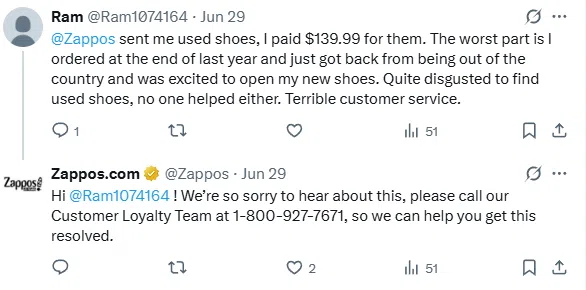
As your brand grows, so does the volume of incoming inquiries. When your team shifts from proactive content creation to reactive "firefighting" in the comments section, you are losing out on vital trust-building moments. As Eileen Kwok, a former Social & Influencer Marketing Strategist at Hootsuite, notes: "The minute the one-person-social-team feels like they can’t give each task their undivided attention, it’s time to hire additional headcount."
Phase 3: The Skillset Squeeze
Eventually, your business goals will require skills that fall outside the traditional SMM scope—such as advanced paid ad management, deep-dive data analytics, or AI-integrated workflow automation. At this point, you must move from generalists to a model of functional specialists.

Supporting Data: Mapping Roles to Organizational Goals
To build an effective department, businesses must map specific functions to clear business outcomes. The following framework serves as the standard for 2026 hiring:
| Role | Core Responsibility | Hiring Trigger |
|---|---|---|
| Social Media Manager | End-to-end execution | The foundational hire; manages the "daily heartbeat." |
| Social Strategist | Big-picture planning/KPIs | When you have the content but lack the roadmap. |
| Content Creator | Video/Graphics/Copy | When content quality becomes a bottleneck for reach. |
| Paid Specialist | Ad spend/Lead gen | When rapid growth and measurable ROI are top priorities. |
| Community Manager | Sentiment/Listening | When customer trust and brand reputation are at risk. |
| Analytics Lead | ROI/Attribution | When you have too much data and not enough insights. |
Official Perspectives: Expert Insights
The consensus among industry leaders is that hiring for social media must be treated with the same strategic rigor as hiring for engineering or sales.

Sebhendu Pattnaik, Chief Marketing Officer at Covasant, emphasizes that team growth must mirror business growth. "When the work volume increases, and the conversations we need to participate in are growing over capacity, that’s when we decide to hire," he says. Pattnaik also highlights the importance of adaptability: "Because social media platforms change over time, we prioritize candidates who are eager to learn and ready to pivot as the GTM (go-to-market) strategy evolves."
Kwok echoes this sentiment regarding the importance of transparency in the hiring process. She argues that job descriptions often suffer from "role inflation," where companies expect a single hire to be a videographer, copywriter, and ad strategist simultaneously. "Those are completely different roles," she warns. "Applicants should know exactly what they are signing up for to prevent early burnout and misalignment."

Strategic Implications: The Role of AI and Future-Proofing
In 2026, the "AI Social Media Strategist" has emerged as a critical role for scaling operations. While smaller teams may distribute AI-related tasks across existing members, larger organizations are now hiring specialists dedicated to workflow automation and AI-driven content efficiency.
Red Flags to Watch For
When interviewing candidates, be wary of the following red flags:

- The "Generic" Answer: If a candidate cannot name niche accounts or specific smaller brands that are performing well, they may lack the research-driven mindset required for success.
- The "Vanity" Focus: A candidate who is only interested in follower counts rather than engagement or business conversion metrics may not be aligned with your company’s bottom line.
- Lack of Data Fluency: In an era of performance marketing, an SMM who cannot articulate how they measure success or what tools they use to optimize their content is a liability.
Implementing Structural Models
Real-world application demonstrates that different businesses require different structures.
- The Startup Model (Covasant): A lean, agile team where roles are broad and heavily integrated. One person might own the voice and posting, while another focuses on community and high-level strategy, with analytics duties shared across the marketing department.
- The Mid-Sized Model (Hootsuite): A collaborative four-person team where each member owns a specific pillar—such as platform-specific strategy, content creation, and analytics—allowing for deeper expertise while maintaining a cohesive brand identity.
- The Enterprise Model (Appian): A highly segmented structure that separates paid and organic efforts. Here, the focus is on cross-functional consistency, where internal teams work in tandem with external agencies to handle regional and linguistic nuances at scale.
Conclusion: Setting Your Team Up for Success
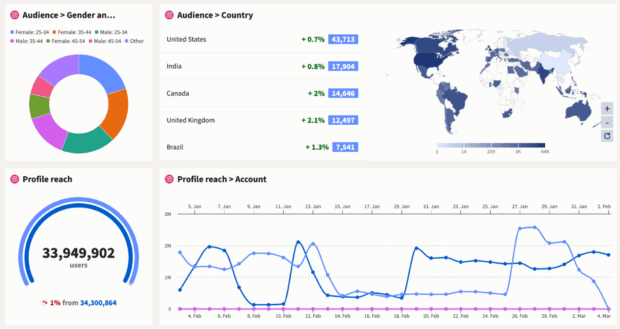
Hiring is only the first step. The true competitive advantage in 2026 comes from creating an environment where these professionals can thrive. This requires providing access to the right tools—such as centralized dashboards for publishing, approval workflows for brand safety, and robust analytics suites that turn raw numbers into actionable business intelligence.
Finally, prioritize ongoing upskilling. Social media is an industry in perpetual motion. Whether it’s adopting new AI tools, mastering a new video format, or adapting to a sudden algorithm shift, your team’s ability to stay ahead of the curve is the ultimate predictor of your brand’s longevity in the digital space.
By shifting from a reactive, task-based hiring mentality to a proactive, goal-oriented structure, companies can transform their social media presence from a simple utility into a powerful, revenue-generating pillar of their organization.
 Reynand Wu
  Muslim
  Nila Kartika Wati