
 By Nana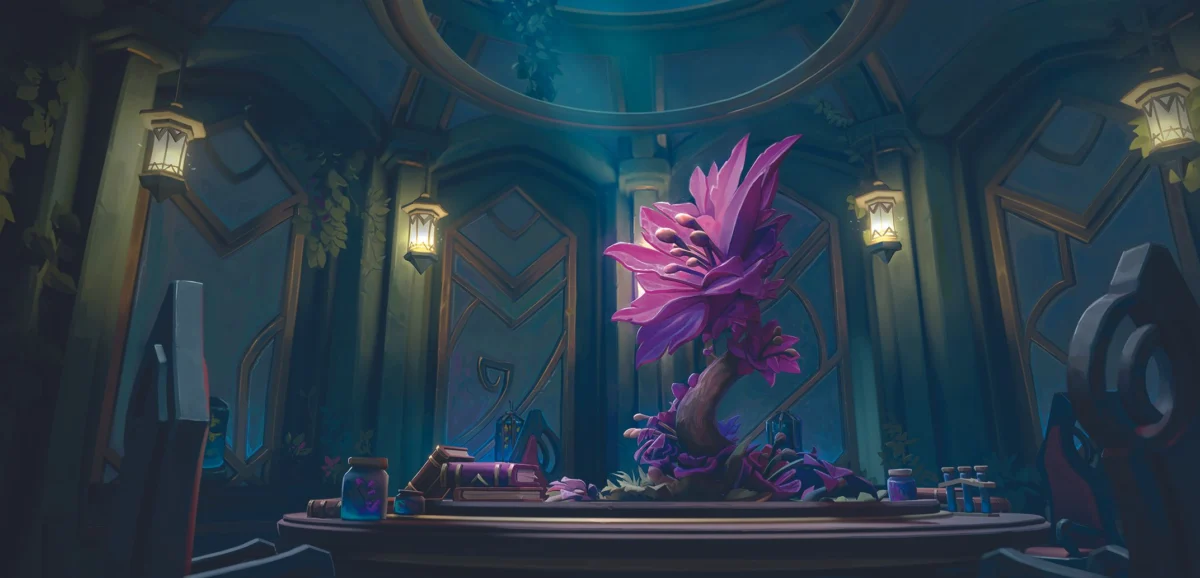
Nuremberg, Germany – In the dynamic realm where imagination takes tangible form, Niko Gesell stands as a prominent figure. A freelance Concept Artist based in Nuremberg, Germany, Gesell has carved a distinctive niche through his work for industry titans like Blizzard and Deep Silver. His artistic philosophy centers on crafting digital artwork that is not merely visually appealing, but also deeply authentic, immersively captivating, and undeniably striking. This dedication to evocative visual storytelling has propelled him from the intricate worlds of video games to the expansive canvases of cinematic production, marking a significant evolution in his already illustrious career.
Gesell’s journey reflects the broader shifts within the digital art landscape, a world increasingly shaped by technological advancements and new creative demands. We recently had the opportunity to delve into his creative process, explore the influences that shape his unique vision, and glean invaluable advice he would offer to his younger self navigating the demanding yet rewarding path of a concept artist. His insights provide a compelling glimpse into the mind of an artist who is not only mastering his craft but also actively shaping its future.
Main Facts: A Visionary in Digital Art
Niko Gesell is a celebrated freelance Concept Artist whose portfolio boasts collaborations with some of the most influential names in entertainment, including the gaming giants Blizzard Entertainment and Deep Silver. His core artistic mission revolves around producing digital art that resonates with authenticity, draws viewers into immersive narratives, and leaves a lasting visual impact. Gesell’s work is characterized by a blend of technical mastery and profound artistic sensibility, allowing him to translate complex ideas into compelling visual realities.
His technical toolkit includes industry-leading software such as Rebelle 8 Pro, renowned for its realistic paint simulations, and Blender, a powerful 3D creation suite. These tools are instrumental in bringing his diverse concepts to life, from vibrant aerial scenes to intricately detailed environmental designs. Beyond his established success in game development, Gesell has recently embarked on an exciting new chapter, transitioning his expertise into the film industry. This pivot culminated in his directorial debut with the animated short film, NOKORI, a project that is already garnering attention on the festival circuit. This move underscores his versatility and ambition, demonstrating a keen desire to explore new avenues for visual storytelling.
Gesell’s perspective on the contemporary digital art landscape is particularly insightful. He acknowledges the significant influence of artificial intelligence (AI) on the industry, noting its role in fostering a sense of insecurity among artists. In this rapidly changing environment, he emphasizes the paramount importance for artists to cultivate a unique voice and a distinctive style, asserting that individuality is key to thriving amidst technological evolution. His career trajectory and artistic philosophy offer a blueprint for navigating the complexities and opportunities of modern digital art.
Chronology: From Foundations to Cinematic Heights
Niko Gesell’s artistic journey is a testament to persistent dedication, continuous learning, and an innate drive to explore new creative frontiers. His progression from an aspiring artist to a recognized figure in both gaming and film industries provides a compelling narrative of growth and adaptation.
Early Career & Influences: The Roots of a Distinctive Style
Gesell’s formative years laid the groundwork for his unique aesthetic. Growing up in the vicinity of Nuremberg, he developed an early appreciation for the architectural heritage of the region, an influence deeply rooted in his personal history. His father’s work in renovating old buildings instilled in him a profound respect for the character, stories, and vibrant hues that historic structures embody. This early exposure to the beauty of weathered, colourful edifices clearly shaped his artistic sensibilities, fostering an affinity for designs that evoke a sense of history and lived experience. This influence is palpable in works like "The Estate," which he describes as feeling "most like home" and directly inspired by a local Nuremberg house, demonstrating how personal connections can infuse an artwork with profound authenticity. These early environmental observations taught him the power of detail and atmosphere, elements that would become hallmarks of his later concept art.
Pivotal Projects & Industry Experience: Forging a Path in Gaming
Gesell’s entry into the professional art world saw him contribute his talents to high-profile gaming companies. While specific project details remain under wraps, his association with Blizzard Entertainment and Deep Silver speaks volumes about his caliber. Blizzard, renowned for its expansive fantasy and sci-fi universes like World of Warcraft, Diablo, and Overwatch, demands concept artists who can craft immersive worlds and iconic characters. Working with such a studio would have honed Gesell’s ability to create visuals that are not only striking but also deeply integrated into rich lore and narrative. Similarly, Deep Silver, a publisher known for a diverse range of titles including action RPGs and open-world adventures, would have provided opportunities to work across various genres and visual styles, further diversifying his skill set. These experiences undoubtedly refined his understanding of game development pipelines, from early concept ideation to the creation of assets that could be directly implemented or inspire 3D artists and level designers. His ability to switch between broad "mood" pieces for pre-production and detailed "tile sets" for in-game assembly highlights his adaptability and comprehensive grasp of game art requirements.

Evolution of Artistic Style and Tools: Embracing Digital Innovation
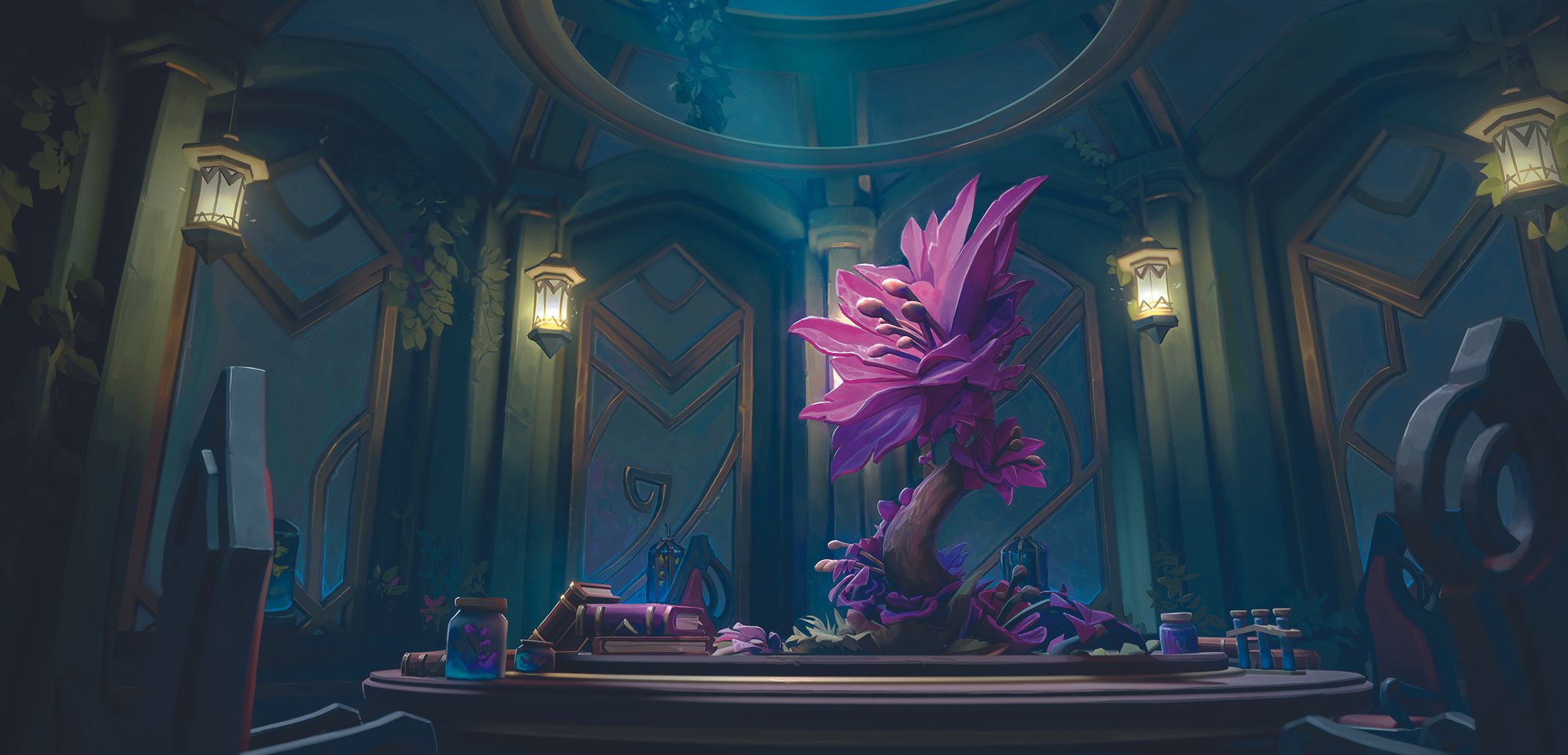
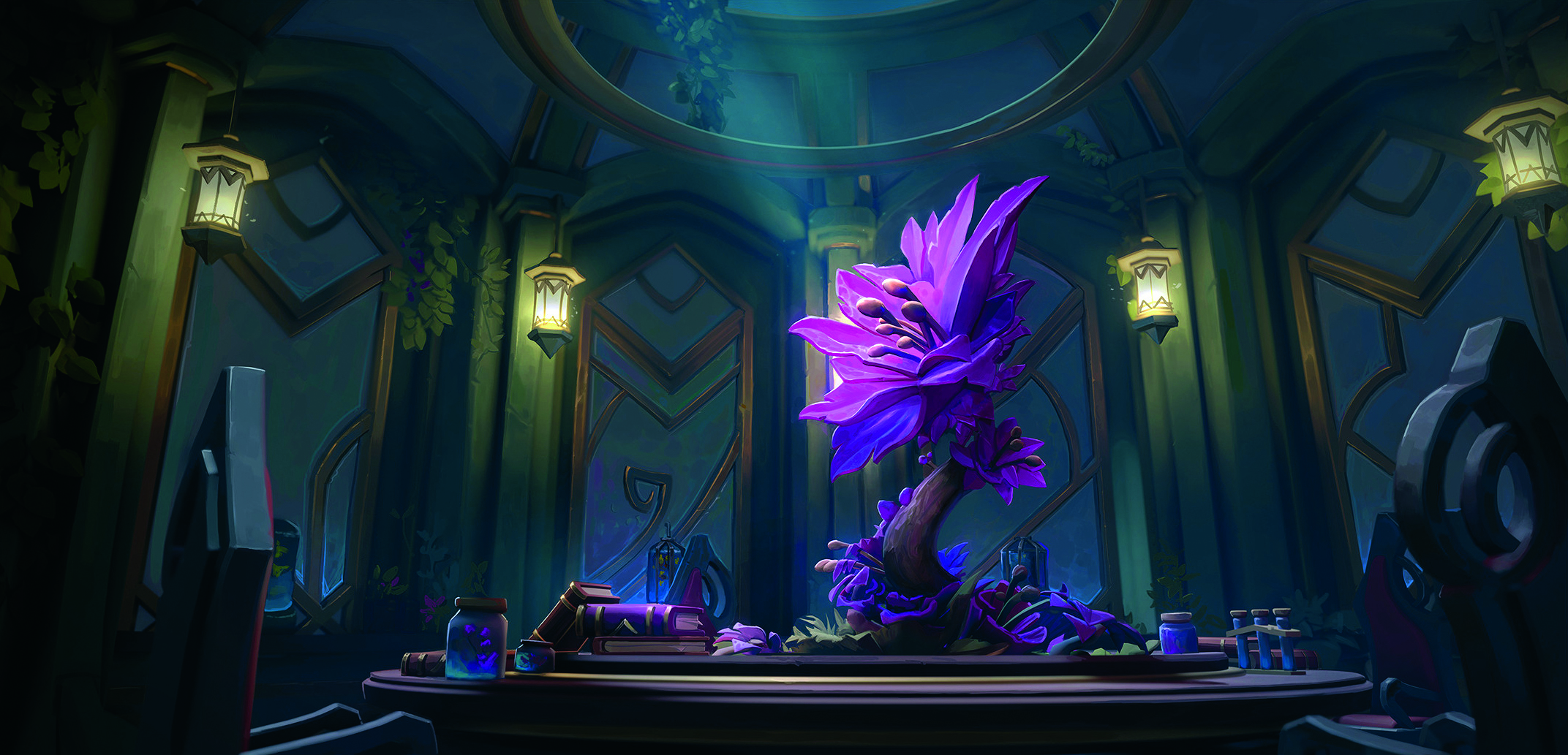
Over the years, Gesell’s artistic style has matured, characterized by a commitment to realism tempered with a vibrant, evocative quality. This evolution has been closely tied to his adoption and mastery of cutting-edge digital tools. His current arsenal, prominently featuring Rebelle 8 Pro and Blender, showcases his dedication to leveraging technology for artistic expression. Rebelle 8 Pro, with its advanced simulation of traditional media like oils, watercolors, and acrylics, allows Gesell to imbue his digital paintings with an organic, handcrafted feel that often belies their digital origin. This choice underscores his pursuit of authenticity, even in a digital medium. Blender, on the other hand, provides robust 3D modeling, sculpting, and rendering capabilities, enabling him to block out complex scenes, experiment with lighting, and refine perspectives with precision. The integration of 3D elements into his 2D concept workflow, as seen in "Herbologists Room" utilizing Blender’s Eevee renderer, demonstrates a modern approach to concept art that prioritizes efficiency and dimensional accuracy. These tools are not merely instruments; they are extensions of his creative vision, allowing him to push the boundaries of visual storytelling.
Transition to Film and Directing: A New Horizon
The most recent and significant development in Gesell’s career is his deliberate move into the film industry. A lifelong film enthusiast, he recognized the transferable nature of his skills developed in game concept art—world-building, character design, atmospheric rendering, and visual storytelling—to cinematic production. While the fundamental principles of visual development remain consistent, the nuances of film, such as framing, pacing, and sequential storytelling, presented new learning curves. This transition represents a natural progression for an artist driven by narrative. His recent directorial debut with the animated short film, NOKORI, marks a pivotal moment. The film, currently making its rounds at various festivals, is a testament to his expanded capabilities and ambition. Directing allowed him to not only create visuals but also to shape the entire narrative, bringing his comprehensive artistic vision to a new medium. This venture signals a clear desire to engage more deeply with storytelling, moving beyond individual concept pieces to orchestrate entire visual narratives.
Supporting Data: Deconstructing the Creative Process
Niko Gesell’s work offers a rich tapestry of visual narratives, each piece revealing a facet of his skill and artistic intention. His portfolio serves as compelling supporting data for his claims of creating authentic, immersive, and visually striking artwork, while also illustrating his versatile application of digital tools and understanding of production pipelines.
The Creative Process: From Concept to Completion
Gesell’s description of his latest finished piece, "Second Place," perfectly encapsulates the essence of concept art in its purest form. This aerial painting, depicting two airplanes racing through clouds, is less about meticulous detail and more about "selling an idea and getting a mood across." This distinction is crucial in pre-production, where the goal is to quickly visualize and communicate the emotional core and potential of a project to stakeholders or a production team. Unlike the creation of "tile sets" that are later assembled into a game’s environment—a more technical, modular approach—"Second Place" aims for evocative power, setting the stage for an entire experience. This highlights the concept artist’s role as a visual architect, laying the emotional and aesthetic foundations before the detailed construction begins. His ability to oscillate between these two demands demonstrates a comprehensive understanding of the production cycle, from broad strokes of inspiration to the granular details of implementation.
Mastering Digital Tools: Rebelle 8 Pro and Blender
Gesell’s choice of tools, Rebelle 8 Pro and Blender, is strategic and speaks to his pursuit of both organic artistry and technical precision. Rebelle 8 Pro is celebrated for its hyper-realistic simulation of traditional media. Artists can experience the nuanced flow of watercolors, the rich impasto of oils, and the delicate textures of pastels, all within a digital environment. For Gesell, this means infusing his digital work with the soul and tactile quality often associated with physical paintings, enhancing the "authentic" feel he strives for. This realism can be particularly effective in conveying mood and atmosphere, crucial for concept art.
Blender, a powerful open-source 3D suite, complements Rebelle by offering robust capabilities for modeling, sculpting, and rendering. Gesell utilizes Blender for 3D blocking, allowing him to establish accurate perspectives, lighting, and spatial relationships before committing to a 2D paint-over. His "Herbologists Room," which he notes was an exploration of Blender’s Eevee renderer, exemplifies this. Eevee, a real-time render engine, allows for quick iterations and previews, enabling artists to rapidly experiment with lighting and material properties. This integration of 3D into his workflow provides a solid foundational structure, ensuring compositional integrity and accelerating the creative process, ultimately contributing to the "immersive" quality of his environments.
Portfolio Highlights and Artistic Themes
Gesell’s diverse portfolio showcases not only his technical range but also his thematic depth:
- "Second Place": As discussed, this piece exemplifies his ability to capture dynamic action and convey a powerful mood for pre-production, a testament to his understanding of visual storytelling at its initial stages.
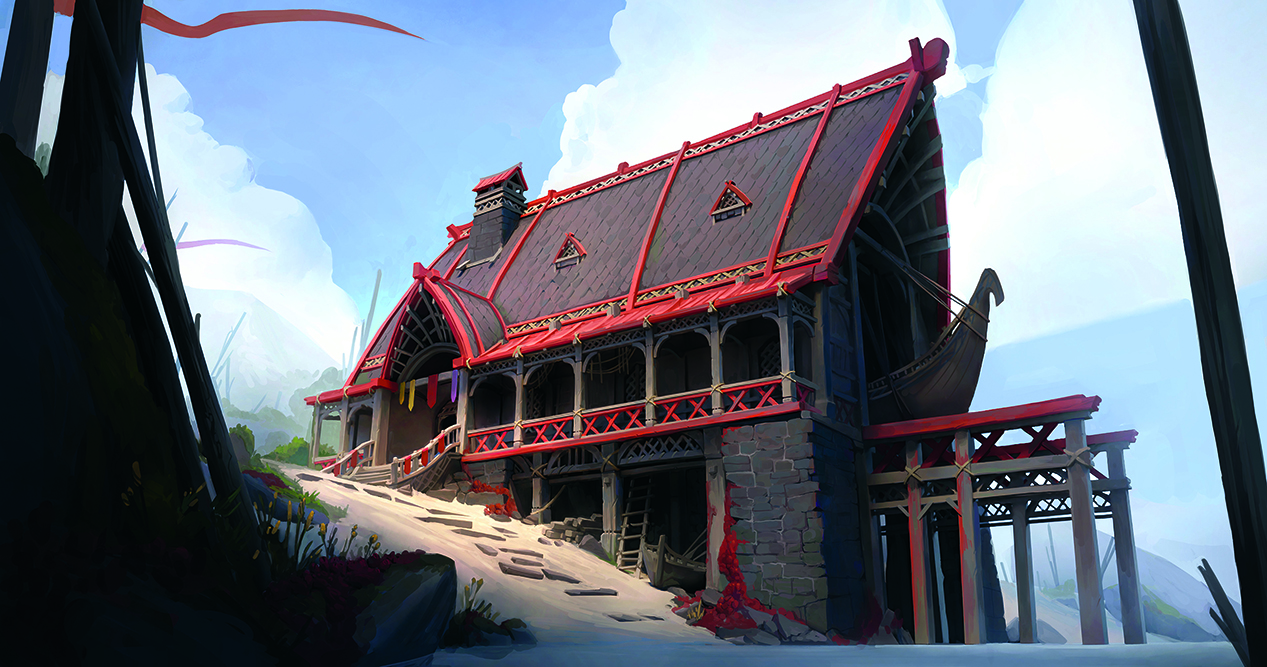
- "The Driftwood Shipyard": This artwork delves into rich world-building, proposing a narrative of "Driftwood Vikings" who scavenge resources from the sea. It highlights Gesell’s capacity to invent compelling lore and translate it into a visually coherent and thought-provoking scene, creating a sense of history and unique culture.
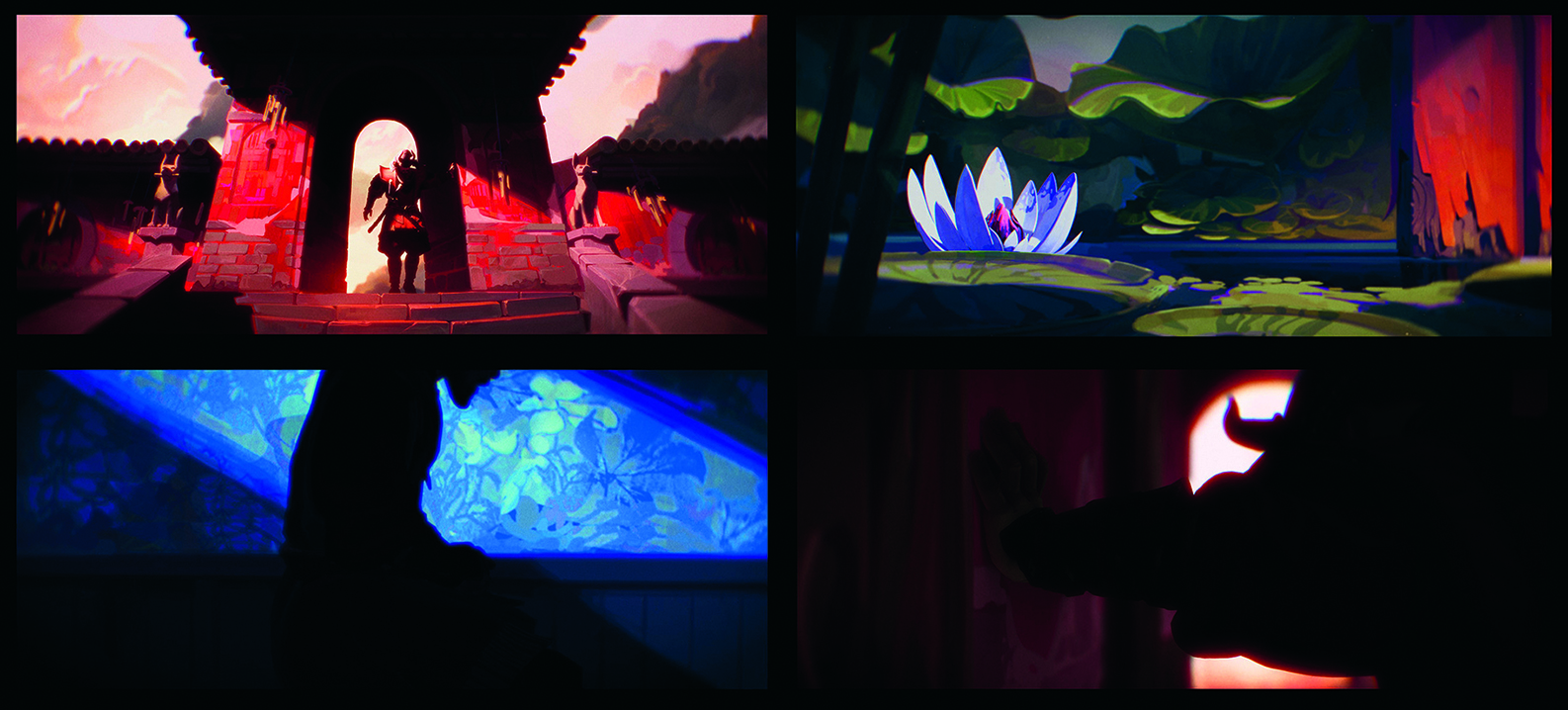
- Scenes from NOKORI: These images from his animated short film represent his foray into sequential narrative. They are designed not just as standalone art but as frames within a larger story, demanding a consistent visual style, character expression, and emotional resonance. This demonstrates his expanded role as a storyteller and director.
- "Herbologists Room": Beyond being a technical exercise in Blender’s Eevee renderer, this piece showcases Gesell’s knack for environmental storytelling. The room, presumably filled with botanical curiosities, invites viewers to imagine the life and work of its inhabitant, adding depth and intrigue.
- "The Estate": This work, with its personal connection to Nuremberg and his father’s work, embodies the "authentic" and "visually striking" aspects of his philosophy. The vibrant colours and aged charm of the building create a sense of warmth and familiarity, resonating deeply with his own experiences.
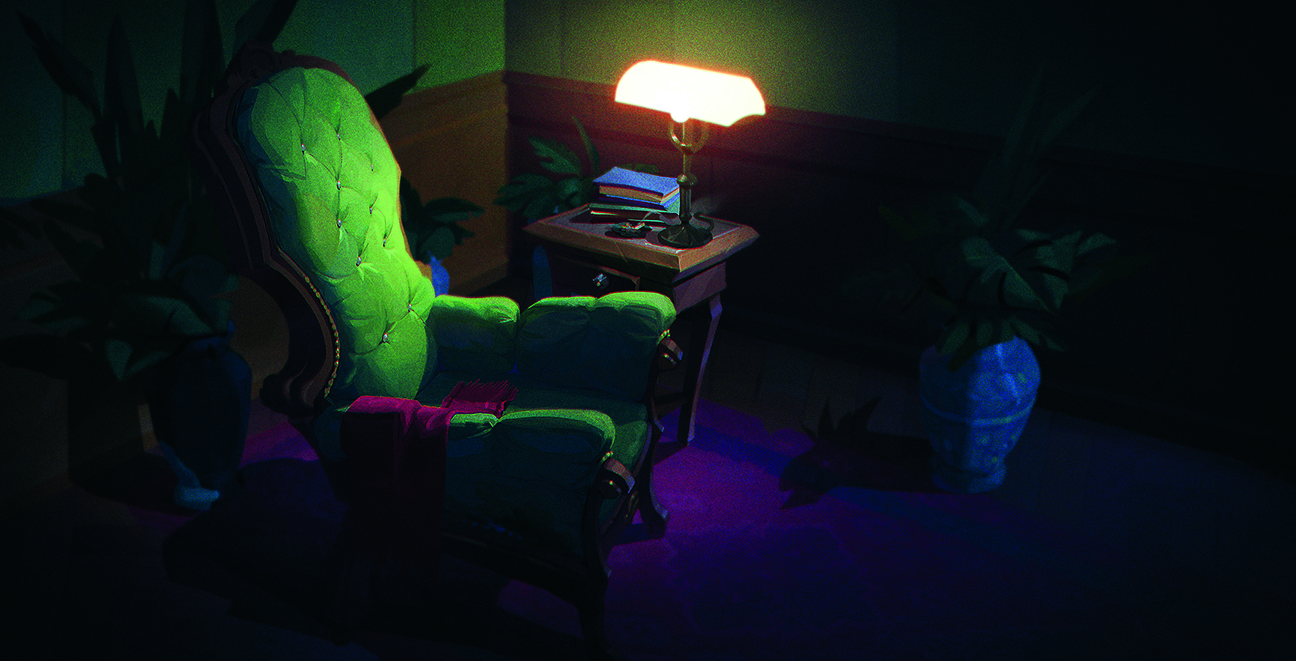
- "Reading Corner": Created as a practice piece, it underscores his continuous commitment to skill development, particularly in environment and background art. It’s a quiet, introspective scene that nonetheless speaks volumes about atmosphere and comfort.
- "Studying at the Temple": This piece further illustrates his ability to create serene yet majestic environments. The temple setting, bathed in evocative light, conveys a sense of tranquility and spiritual depth, showcasing his mastery of atmospheric perspective and lighting.
Collectively, these works demonstrate how Gesell consistently achieves his stated goals: authenticity through personal connection and realistic rendering; immersion through detailed world-building and atmospheric depth; and visual impact through dynamic compositions, vibrant palettes, and compelling narratives.
Official Responses: Niko Gesell’s Reflections and Perspectives
While this article focuses on Niko Gesell’s insights, his "official responses" are his deeply considered reflections on his journey, the industry, and the philosophy that guides his art. These perspectives offer invaluable guidance and a candid look into the challenges and triumphs of a digital artist.
On Personal Growth and Artistic Integrity: The Blessing of Ignorance
Gesell’s advice to his younger self reveals a profound understanding of the artistic path: "I honestly think ignorance was a blessing. If I had known the amount of hours it would take, I might have been discouraged early on." This candid admission speaks to the sheer volume of dedication, perseverance, and often solitary effort required to master any craft, especially in a field as competitive and constantly evolving as digital art. It highlights the importance of intrinsic motivation and a naive passion that allows one to push through daunting challenges without being overwhelmed by the scale of the commitment. This "ignorance" isn’t about lacking knowledge, but about possessing an unburdened enthusiasm that fuels relentless practice and exploration.
Furthermore, his counsel to "do more of the kind of art that I like, and not just what the industry demands" is a powerful testament to the importance of artistic integrity and self-expression. In a commercial industry, there’s often pressure to conform to popular styles or fulfill specific project requirements, which can sometimes lead to artists feeling like they are "moulding yourself into a cookie-cutter form." Gesell advocates for a balance, acknowledging the "huge upsides to making sure your art can be used in productions" but stressing the necessity of cultivating a personal artistic voice. This balance is critical for long-term fulfillment and for standing out in a crowded field. His contentment with "the journey I’ve had so far" despite the challenges, reinforces the idea that true success lies not just in achievements, but in the growth and self-discovery experienced along the way.
Navigating Industry Shifts: The AI Conundrum
Gesell’s observations on the changes within digital art, particularly concerning artificial intelligence, are both timely and crucial. He notes, "The prevalence of AI has scared a lot of people away from investing in games and has just created general insecurity among artists." This statement reflects a widespread sentiment within the creative community. The rapid advancements in AI image generation have raised existential questions about the future of traditional art roles, prompting concerns about job displacement, intellectual property, and the very definition of creativity. The ease with which AI can generate seemingly complex visuals has undeniably introduced a new layer of anxiety and uncertainty for many.
In response to this technological shift, Gesell posits a vital strategy: "It’s much more about being unique and having your own voice." This isn’t merely a platitude; it’s a strategic imperative. If AI can replicate styles and produce generic content efficiently, the value of human artists increasingly lies in their distinct vision, their ability to inject personal experience, emotion, and truly original concepts into their work. A unique voice becomes a shield against commoditization and a beacon for genuine artistic expression. This perspective challenges artists to delve deeper into their personal narratives, experiment with unconventional approaches, and cultivate an identity that AI, for all its capabilities, cannot authentically replicate. Gesell’s own journey into directing and pursuing personally resonant projects like "The Estate" aligns perfectly with this philosophy, demonstrating a practical application of his advice.
Implications: Shaping the Future of Digital Storytelling
Niko Gesell’s career trajectory and insightful perspectives carry significant implications for the future of concept art, digital storytelling, and the broader creative industries. His journey offers lessons for both aspiring artists and established professionals navigating a rapidly changing landscape.
The Future of Concept Art and Digital Storytelling: Converging Worlds
Gesell’s pivot from game development to the film industry is more than just a personal career change; it signifies a broader trend in digital storytelling. The lines between various media—games, film, animation, interactive experiences—are increasingly blurring. Concept artists, with their foundational skills in world-building, character design, and atmospheric rendering, are uniquely positioned to thrive in this convergent environment. The knowledge base and technical proficiencies developed in one medium are proving highly transferable to others. This suggests that future concept artists will need to be more versatile than ever, understanding not just how to create compelling visuals but also how those visuals function within different narrative structures and technological platforms. Gesell’s experience directing NOKORI further illustrates this point: concept artists are no longer just illustrators; they are becoming visual directors, story architects, and even independent filmmakers, harnessing their skills to lead projects from conception to completion. This convergence demands a holistic understanding of storytelling across various interactive and linear forms.
Inspiration for Aspiring Artists: Perseverance and Authenticity
Gesell’s journey serves as a powerful source of inspiration for those aspiring to enter the digital art field. His candid acknowledgment of the "amount of hours" required underscores the necessity of deep commitment and perseverance. It’s a reminder that mastery is a marathon, not a sprint, and that passion must be the driving force. Crucially, his advice to "do more of the kind of art that I like" encourages young artists to maintain their individual creative spark. In an industry often dictated by commercial demands, preserving one’s unique artistic voice is paramount. This message empowers aspiring talents to seek a balance between commercial viability and personal expression, fostering a sense of authenticity that can ultimately differentiate them in a competitive market. It champions the idea that genuine passion for one’s craft is not just personally rewarding but also a strategic advantage.
Niko Gesell’s Continuing Legacy: A Voice for the Evolving Artist
As Niko Gesell continues to explore new avenues in film and animation, his influence on the digital art community is set to grow. His embrace of both traditional-feeling digital tools like Rebelle 8 Pro and advanced 3D software like Blender positions him as a practitioner who values both craftsmanship and technological innovation. In an era where AI presents both challenges and opportunities, his emphasis on "being unique and having your own voice" provides a guiding principle for artists striving to remain relevant and impactful. His work, characterized by its authentic, immersive, and visually striking nature, will continue to inspire. More importantly, his willingness to share his experiences and insights offers a roadmap for how artists can not only adapt to change but actively shape the future of visual storytelling across all evolving digital canvases. Niko Gesell stands as a testament to the enduring power of human creativity and the boundless potential of the digital medium.
 Evan Lee Salim
  Ammar Sabilarrohman