
 By Nana Muazin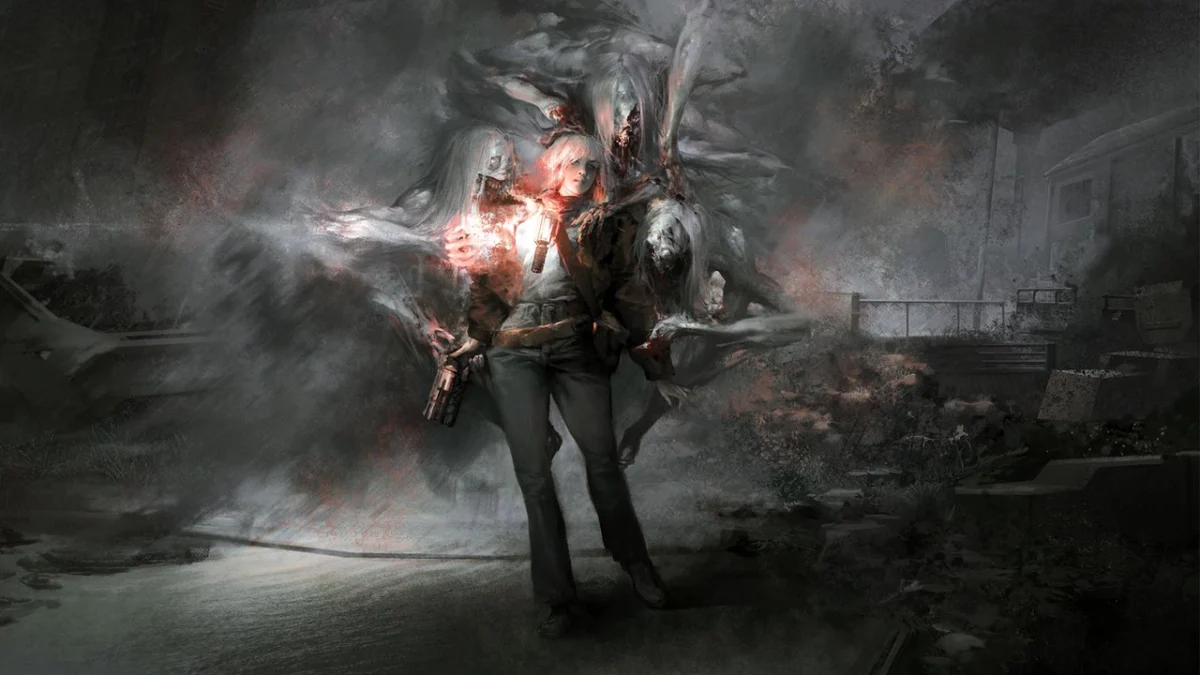
Our Verdict: A lean PS1-era horror revival, Hollowbody reanimates the fun and the flaws of 90s gaming, offering a deeply atmospheric experience rooted in a unique British decay, yet often grappling with the very design limitations it seeks to faithfully recreate.
Content Warning: This article discusses graphic violence, disturbing imagery, and mature themes in an 18+ game.
Introduction: Stepping Back into the Fog-Drenched Past
The landscape of video game horror has undergone significant transformations over the decades, evolving from pixelated terrors to hyper-realistic nightmares. Yet, for a dedicated segment of players, the true essence of fear remains tethered to a bygone era – specifically, the late 1990s and early 2000s, when the PlayStation 1 reigned supreme and the survival horror genre was in its foundational, albeit often clunky, prime. This is the fertile ground from which Hollowbody, the latest offering from solo developer Nathan Hamley of Headware Games, emerges.
Released on June 5th for PS5, and also available on Xbox Series X|S and PC, Hollowbody is less a modern reimagining and more a meticulous reconstruction, a digital time capsule designed to transport players back to the days of fixed camera angles, inventory puzzles, and deliberately awkward combat. Built with Unity, the game proudly wears its influences on its sleeve, drawing heavily from titans like Silent Hill, Resident Evil, and Parasite Eve. The ambition is clear: to recapture the mood, the mechanics, and even the frustrations of that specific gaming epoch, warts and all. The critical question, however, is whether a faithful recreation of the past serves the present, or merely highlights why the genre ultimately chose to evolve.
Main Facts: A Deep Dive into Hollowbody’s Retro Revival
Hollowbody is a game built on a very specific kind of nostalgia, a slightly uncomfortable longing for the days when technological limitations often dictated game design, inadvertently creating unique atmospheric tensions and gameplay challenges.
The Premise: A Blast from the Past
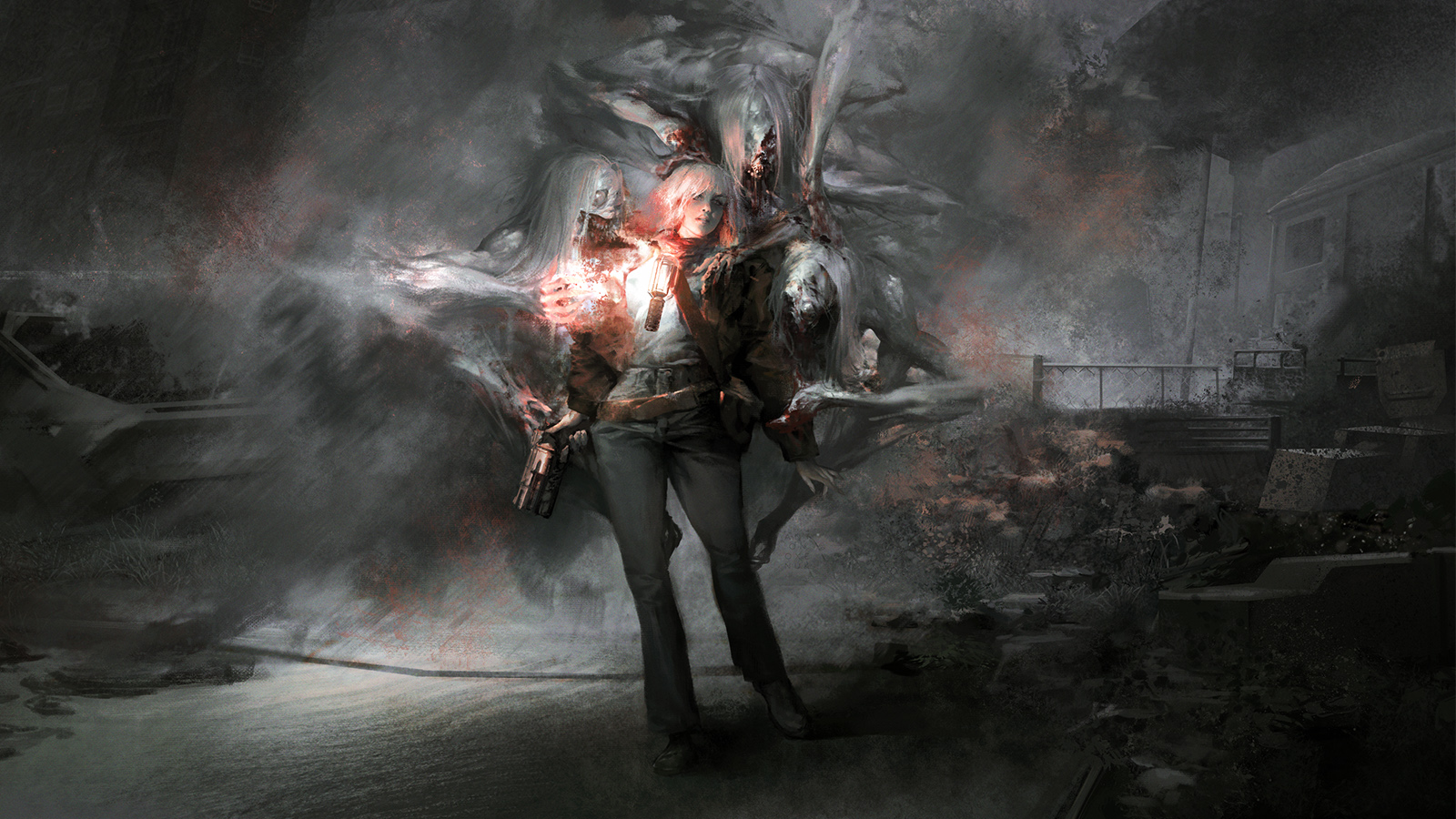
At its core, Hollowbody is a survival horror title that consciously emulates the design philosophy of the PS1 era. Players navigate eerie environments, solve puzzles, manage limited resources, and confront grotesque enemies, all while grappling with the signature fixed camera perspectives that defined so many of its inspirations. The narrative, though sparse in initial details, quickly immerses players in a world of decay and dread, where survival is paramount and every step feels precarious. The game’s commitment to this retro blueprint is evident from the outset, from its visual fidelity – deliberately low-poly and grimy – to its methodical pacing and reliance on environmental storytelling rather than extensive exposition.
Development Details: The Vision of Headware Games
Hollowbody stands as a testament to the singular vision of Nathan Hamley, the solo developer behind Headware Games. Undertaking such a project alone is a monumental task, particularly when aiming for a faithful recreation of a complex genre. Hamley’s intimate knowledge of the PS1 horror landscape is palpable throughout the game. His decision to develop Hollowbody in Unity speaks to the engine’s flexibility and accessibility for independent creators, allowing him to craft a world that feels both archaic and intentionally stylized. This solo effort means that every design choice, every environmental detail, and every gameplay mechanic is a direct manifestation of his artistic and nostalgic intent. It’s a bold statement, aiming to prove that the spirit of classic horror can be rekindled, even by a single creator. The game officially launched on June 5th, with the PlayStation 5 version being the focus of many early reviews, though it’s also available for Xbox Series X|S and PC, broadening its reach to a diverse audience of horror enthusiasts.
Core Mechanics: Embracing PS1-Era Design
The mechanics of Hollowbody are a direct homage to its forebears. The fixed camera angles, a hallmark of early survival horror, return in full force. These aren’t merely an aesthetic choice; they profoundly impact gameplay by creating tension through obscured views, forcing players to anticipate threats off-screen, and often making navigation deliberately disorienting. Complementing this are classic inventory puzzles, where players must find and combine items in logical (and sometimes illogical) ways to progress. Combat, too, mirrors the era, often feeling clunky and imprecise, contributing to a sense of vulnerability rather than empowerment. The goal is not smooth, satisfying action, but rather a constant struggle against both the environment and the control scheme itself, echoing the deliberate difficulty that often arose from pushing early console technology to its limits.
Chronology: Tracing the Influence and Evolution of Survival Horror
To fully appreciate Hollowbody‘s design, it’s crucial to understand the historical context of the genre it seeks to replicate and the evolutionary path it diverged from.
The Golden Age of Fixed Cameras: Defining a Genre
The mid-to-late 1990s marked a golden age for survival horror, largely catalyzed by the capabilities of the original PlayStation. Games like Resident Evil (1996), Silent Hill (1999), and Parasite Eve (1998) became cultural touchstones, defining the genre’s core tenets. These titles utilized pre-rendered backgrounds with fixed camera angles, a technical workaround to compensate for the PS1’s limited 3D rendering power. This limitation, however, became a powerful artistic tool. Fixed cameras allowed developers meticulous control over framing, guiding the player’s gaze, hiding jump scares in plain sight, and generating a pervasive sense of claustrophobia and vulnerability.
Resident Evil popularized the "mansion" setting, grotesque creature design, and item-based puzzles, alongside its infamous "tank controls" which, while awkward, added to the feeling of being a fragile human navigating a deadly world. Silent Hill then took psychological horror to new heights, leveraging fog (another technical trick to mask draw distance limitations) and unsettling sound design to create an oppressive, deeply disturbing atmosphere. Parasite Eve, with its unique blend of RPG elements and horror, also contributed to the diverse tapestry of PS1 horror, all united by the common visual language of the fixed camera. These games were difficult by design, not just because of clever enemy placement, but also because the technology often made movement and combat inherently challenging, transforming technical flaws into integral parts of the horror experience.
The Shift to Modern Horror: An Evolution Driven by Technology
As console technology advanced into the PS2 and Xbox generations, the fixed camera began to recede. Developers gained the power to render more complex 3D environments in real-time, leading to the adoption of dynamic camera systems, most notably the over-the-shoulder third-person perspective. Games like Resident Evil 4 (2005) famously revolutionized the genre by embracing this new viewpoint, offering players greater control, more fluid combat, and a sense of direct immersion that fixed cameras simply couldn’t provide.
This shift was driven by several factors:
- Player Agency: Modern cameras offered a more intuitive and empowering experience, allowing players to survey their surroundings freely and engage enemies with precision.
- Technological Capability: Real-time 3D rendering improved dramatically, making pre-rendered backgrounds and fixed angles less of a necessity.
- Genre Evolution: Developers sought to innovate, moving beyond the established tropes and exploring new ways to scare and challenge players. While some purists lamented the loss of classic tension, the new camera systems allowed for different kinds of horror, emphasizing action, exploration, and more complex environmental interactions.
Hollowbody’s Place in the Revival Trend: Indie’s Embrace of Retro
In recent years, the indie game scene has become a vibrant incubator for retro revivals, with developers intentionally revisiting older aesthetics and mechanics. Hollowbody fits perfectly into this trend. It’s part of a growing movement that seeks to celebrate and re-examine the design principles of yesteryear, often with a critical eye. These games aren’t simply remasters; they are new experiences crafted with the specific limitations and strengths of older hardware in mind. For Hollowbody, this means deliberately eschewing modern conveniences to evoke a pure, unadulterated PS1 horror experience. It’s a statement that these "flaws" were, in fact, integral to the original terror and are worth experiencing again, even if they sometimes clash with contemporary player expectations. The indie scene, unburdened by the commercial pressures of AAA development, provides the perfect platform for such niche, passion-driven projects.
Supporting Data: The Gameplay Experience Unpacked
Hollowbody presents a fascinating dichotomy: a game that excels in its atmospheric aspirations while simultaneously challenging players with deliberately antiquated mechanics.
Atmosphere and Setting: A Uniquely British Dread
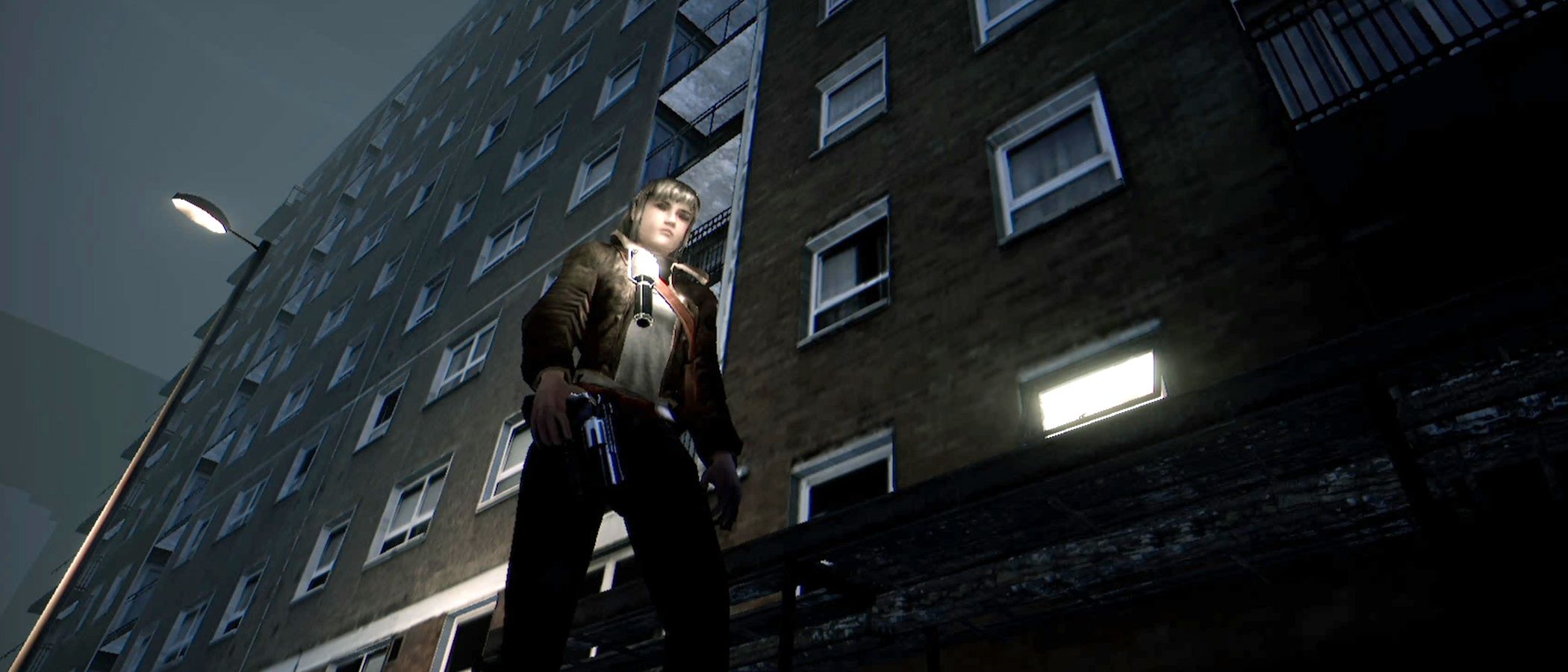
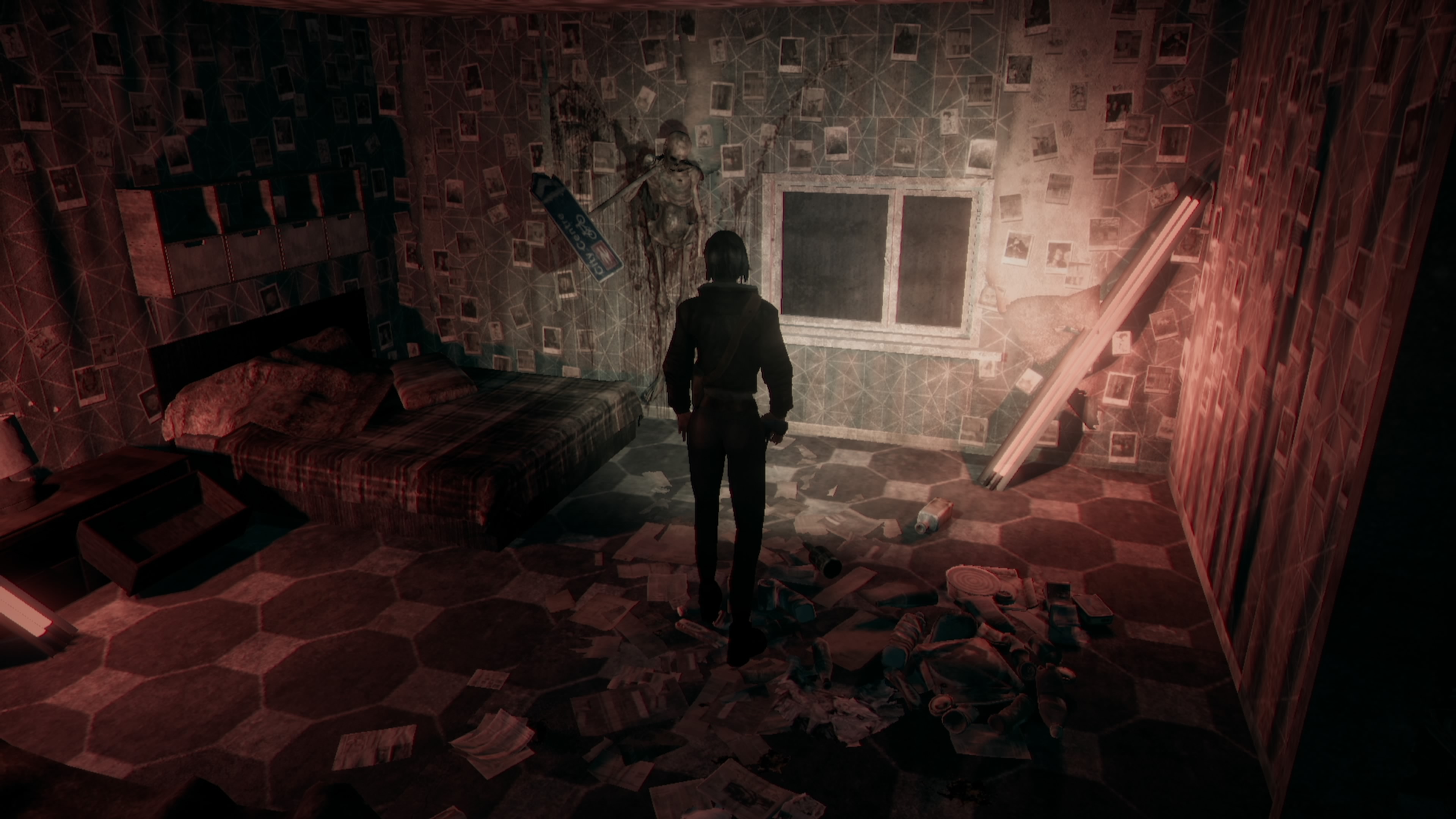
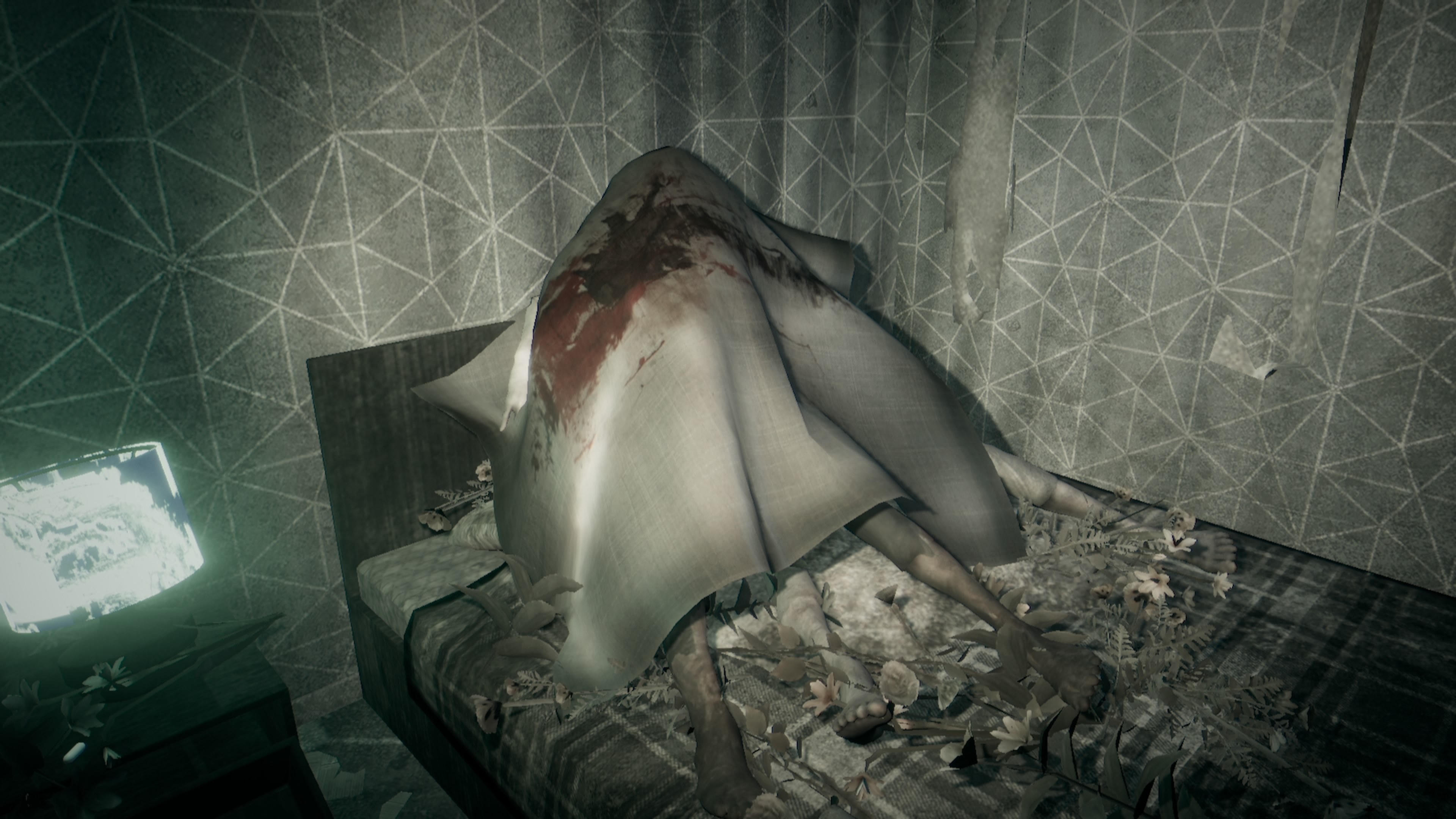
Where Hollowbody truly shines is in its masterful creation of atmosphere and its unique setting. Unlike the more common American ghost towns or Japanese supernatural locales, the game plunges players into a decaying British housing estate and tower blocks. This choice immediately sets it apart, lending a distinct sense of mundane, almost kitchen-sink realism to the horror. Rain hammers down, flickering fluorescent tubes illuminate grimy stairwells, and corridors stretch out, feeling too long, too empty, littered with scrappy detritus and the occasional corpse. This isn’t the grand, gothic horror of a European castle or the cosmic dread of a hidden cult; it’s the unsettling familiarity of urban blight, a "hollowed out" landscape that feels eerily recognizable.
The aesthetic evokes a sense of dread akin to British dystopian fiction or horror films like 28 Days Later, where the horror isn’t just supernatural but deeply embedded in societal decay. This grounded, almost gritty approach makes the unsettling imagery and graphic violence even more impactful. The environmental storytelling is subtle but effective, with cadavers and scattered notes hinting at a tragic backstory, allowing players to piece together the grim narrative through careful observation. This tone-first approach ensures that even when mechanics falter, the player remains deeply immersed in Hollowbody‘s oppressive world.
The Dual Nature of Design: Atmosphere vs. Mechanics
The central tension of Hollowbody lies in its commitment to recreating the past wholesale – both its strengths and its weaknesses. The atmosphere, sound design, and pacing are undeniably pitch-perfect, crafting an illusion of a lost PS1 classic. However, this dedication extends to the gameplay mechanics, which can be a double-edged sword. The developer is clearly aware of this inherent conflict, offering a choice between the classic fixed camera and an optional modern third-person perspective during exploration. This "smart touch" genuinely smooths out some of the worst navigational issues, a welcome compromise that acknowledges modern player sensibilities without abandoning the retro vision entirely. Yet, the core design remains tethered to the past, leading to moments where authenticity gives way to frustration.
Combat and Control: The Price of Authenticity
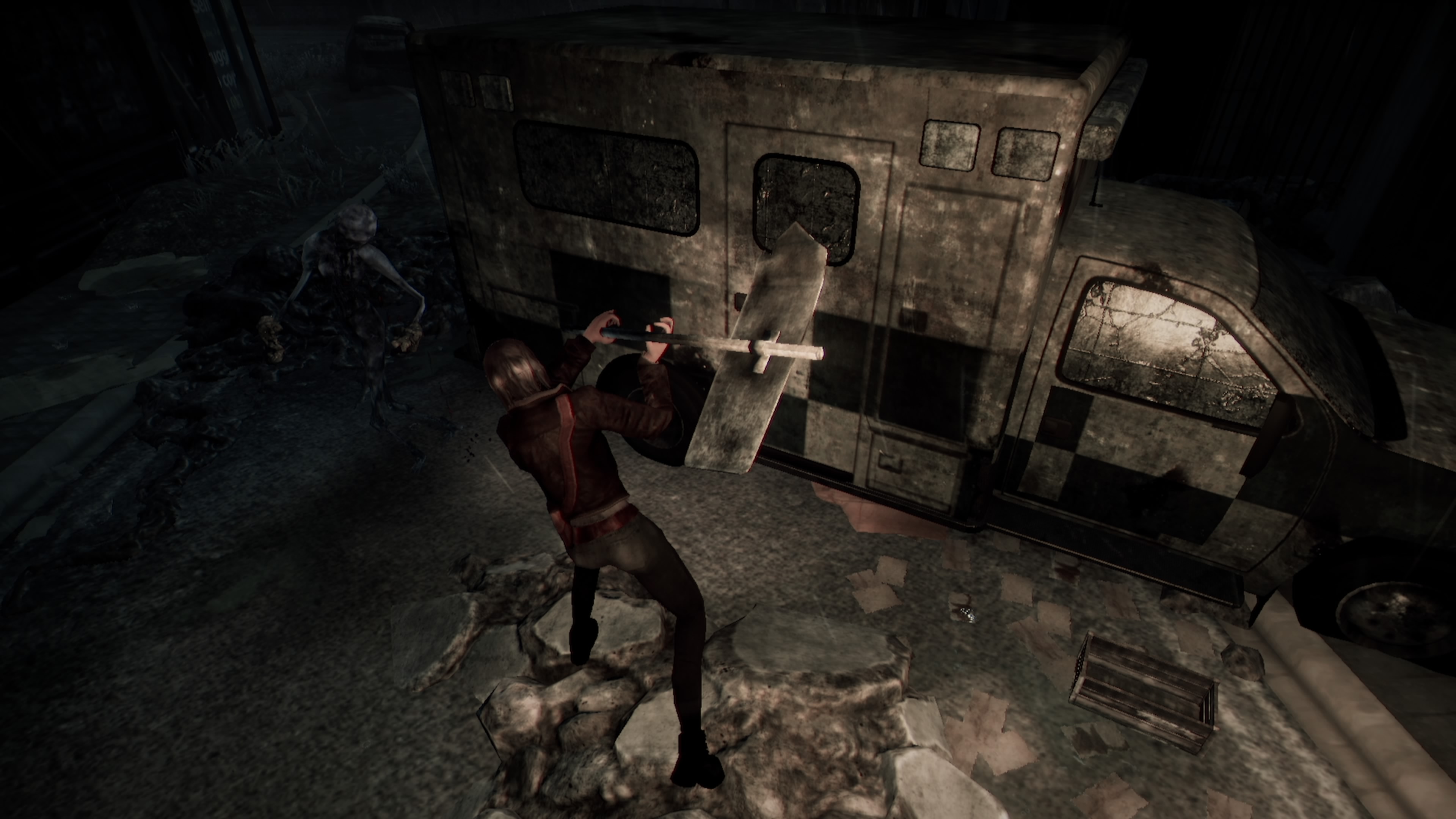
Combat in Hollowbody is, to put it mildly, rough. It’s not rough in a charming, retro way, but rather in a manner that often feels genuinely frustrating. The fixed camera angles, while excellent for atmosphere, become a significant hindrance during encounters. Players often find themselves swinging a makeshift weapon – be it a signpost or even a guitar – at enemies that are off-screen or barely visible. The lack of precision, combined with deliberately clumsy controls (reminiscent of tank controls), means wrestling with the input system becomes as much a challenge as fighting the monsters.
While solo developer Nathan Hamley’s intent to instill a "classic sense of vulnerability and disorientation" is respectable, the execution often tips into annoyance. Instead of feeling genuinely scared or unnerved by the shambling enemies, players might find themselves focused more on the mechanics of merely hitting them. The predictability of enemy patterns further diminishes the sense of dread, as the challenge shifts from tactical engagement to simply overcoming the control scheme, much like many players experienced in 1998.
Puzzles and Exploration: Moments of Brilliance, Pits of Frustration
Hollowbody‘s puzzles generally fare better than its combat, at least for the most part. When the game slows down, asking players to meticulously read rooms, piece together scattered notes, track down key items, and mentally map out their surroundings, it truly clicks into the classic survival horror design. There are moments of genuine satisfaction when a puzzle solution becomes apparent, unlocking a new area or revealing a crucial piece of lore. These are the instances where Hollowbody successfully channels the cerebral aspect of its influences, rewarding patient exploration and keen observation.
However, even here, the commitment to retro design can occasionally stumble. The article notes a tendency for things to "overextend or undershare," implying that some puzzles might be either overly drawn out or lack sufficient clues. A specific mention of a "battery puzzle" that felt illogical highlights that even well-intentioned retro design can sometimes lead to accidental confusion rather than clever challenge. Players might find themselves looping through similar-looking spaces, unsure if they’ve missed something obvious or if the game’s internal logic is simply off, a common frustration point in older titles.
Visuals and Sound: Crafting the ’90s Illusion
Despite its mechanical challenges, Hollowbody remains compelling due to its unwavering commitment to its visual and auditory identity. The low-poly aesthetic, while clearly a stylistic choice, also serves to enhance the retro feel, recalling the early days of 3D graphics where imagination filled in the missing details. The grim color palette, the deliberately sparse environments, and the subtle lighting effects (flickering lights, shadowy corners) all contribute to a pervasive sense of unease.
The sound design is equally crucial. The constant drumming of rain, the distant moans of unseen entities, the creak of old structures, and the unsettling ambient score combine to create an auditory landscape that is genuinely immersive. These elements work in concert to build a suffocating atmosphere, proving that dread doesn’t always require cutting-edge fidelity. The game effectively uses sound cues and environmental details to hint at dangers and flesh out its bleak world, even when the lore might feel less expansive than, say, Silent Hill‘s intricate mythos.
Official Responses: The Developer’s Intent and Player Reception
While direct official responses from Nathan Hamley regarding Hollowbody‘s reception are not extensively detailed, the game’s very design implicitly communicates the developer’s intent and can allow for an inference of how it might be received by different player demographics.
Nathan Hamley’s Vision: Authenticity Above All
From the game’s meticulous design, it’s clear that Nathan Hamley’s primary vision for Hollowbody was one of uncompromised authenticity. He sought not merely to be inspired by PS1 horror but to recreate its essence, including its inherent challenges and limitations. This suggests a developer deeply passionate about a specific era of gaming, willing to make bold design choices that prioritize faithful homage over modern accessibility. The inclusion of an optional modern third-person camera for exploration hints at an awareness of contemporary expectations, but its limited application suggests a reluctance to fully dilute the core retro experience. Hamley’s project, being largely solo, is a pure expression of this vision, a love letter to the classics that defined his appreciation for the genre. He seems to have embraced the idea that for some players, the "flaws" were part of the charm, part of the challenge, and therefore essential to the Hollowbody experience.
Early Player Impressions: A Divided Nostalgia
Based on the review’s assessment, early player impressions for Hollowbody are likely to be polarized. Those who cherish the specific era of PS1 survival horror, who fondly recall the frustrations of fixed cameras and clumsy combat, will likely find much to admire. For these players, Hollowbody will be a nostalgic trip, a meticulously crafted recreation of a feeling they miss. They will appreciate the atmosphere, the deliberate pacing, and the unique British setting that differentiates it from its inspirations.
Conversely, players accustomed to modern game design, with its emphasis on fluid controls, dynamic cameras, and streamlined experiences, may struggle with Hollowbody. The deliberate clunkiness of combat and the disorienting camera angles could easily tip from "charming retro" into "unnecessary frustration." The game asks players to meet it on its own terms, to shed contemporary expectations and embrace the design language of a bygone era. This will undoubtedly alienate some, but for its target audience, it will be precisely the experience they crave. The game’s niche appeal is a direct consequence of its uncompromising design philosophy.
Implications: The Future of Retro Horror and Design Choices
Hollowbody serves as a compelling case study in the ongoing conversation about retro gaming, deliberate design flaws, and the challenges of bridging different eras of game development.
The Art of Deliberate Flaws: A Design Philosophy
The concept of "deliberate flaws" in game design is contentious. In Hollowbody, the awkward controls and confusing camera angles are not bugs but features, intended to evoke a specific kind of vulnerability and disorientation that was characteristic of PS1 horror. This design philosophy argues that certain limitations were integral to the original experience, contributing to the horror rather than detracting from it. For a game like Hollowbody, these flaws are an artistic choice, aiming to recreate the precise texture of retro gaming. However, this approach risks alienating a broader audience who might perceive these elements simply as poor design, highlighting the fine line between artistic intent and player frustration. It prompts a question: when does a homage become an impediment?
Bridging Eras: The Challenge of Modern Expectations
Hollowbody‘s primary challenge lies in its attempt to exist simultaneously in two eras: faithfully preserving a very specific past while trying to function as a modern game. This inherent tension is rarely resolved cleanly. Modern players have grown accustomed to decades of UI/UX improvements, more intuitive controls, and dynamic camera systems. To suddenly revert to mechanics that were abandoned for good reason can be jarring. The optional modern third-person camera is a smart attempt to bridge this gap, offering a concession without fully compromising the core vision. This compromise suggests a recognition that while nostalgia is powerful, a completely unvarnished retro experience might be too much for many. Developers in this space must continually weigh the purity of their homage against the practicalities of modern playability.
The Niche Appeal: For Purists and Nostalgia Seekers
Ultimately, Hollowbody is a game with a very specific target audience. It is for the purists, the dedicated fans of Silent Hill and Resident Evil‘s early iterations, who yearn for that particular blend of atmosphere, puzzle-solving, and clumsy combat. It’s for those who appreciate the ambition of a solo developer pouring their passion into a niche project. For this audience, the frustrations become part of the experience, a price worth paying for the authentic atmosphere and unique setting. It’s a game that demands patience and a willingness to engage with its design on its own terms, making it less of a mainstream appeal and more of a cult classic in the making. Its success will be measured not by broad appeal, but by its ability to deeply satisfy this dedicated segment of horror enthusiasts.
Lessons for Future Revivals
Hollowbody‘s journey offers valuable lessons for future retro-inspired games. It underscores the importance of a strong artistic vision and the power of atmosphere, even when technical fidelity is deliberately limited. It also highlights the delicate balance between faithful recreation and necessary modernization. The optional camera mode, for instance, is a pragmatic approach that allows for a degree of accessibility without sacrificing the core identity. Future developers looking to revive classic genres might consider:
- Selective Modernization: Which "flaws" are integral to the experience, and which are simply outdated and can be improved without losing the essence?
- Player Choice: Offering options (like camera modes or control schemes) can cater to both purists and newcomers.
- Unique Identity: While drawing inspiration, finding a distinct voice (like Hollowbody‘s British setting) can elevate a homage beyond mere imitation.
Conclusion: A Haunting Homage, Imperfectly Rendered
Hollowbody is, in the end, best understood as an experiment in mood and a profound act of nostalgic reverence. It succeeds admirably in committing to its vision, crafting a deeply unsettling and uniquely atmospheric horror experience that genuinely channels the spirit of PS1-era classics. The pervasive sense of British decay, the meticulous sound design, and the deliberate use of fixed cameras all contribute to a powerful, immersive dread that few modern games manage to replicate.
However, as a game, particularly a modern one, Hollowbody feels perpetually caught between eras. Its unwavering commitment to recreating the gameplay mechanics of its inspirations, including their inherent clumsiness and frustrations, often undermines the immersive atmosphere it so expertly builds. Combat feels like a chore, and certain puzzles can lead to accidental confusion rather than satisfying challenge.
Hollowbody is a game to be admired for its ambition, its singular vision, and the evident care poured into it by a solo developer. It’s a testament to the enduring appeal of a specific type of horror. Yet, it also serves as a poignant reminder, sometimes very directly, of why the survival horror genre ultimately chose to evolve beyond fixed cameras and tank controls. It’s a haunting homage, imperfectly rendered, offering a compelling journey for those willing to embrace its deliberate anachronisms, but perhaps a difficult recommendation for everyone else.
 Nila Kartika Wati
  Dwi Wanna
  Asep Darmawan