
 By Layla Zulfa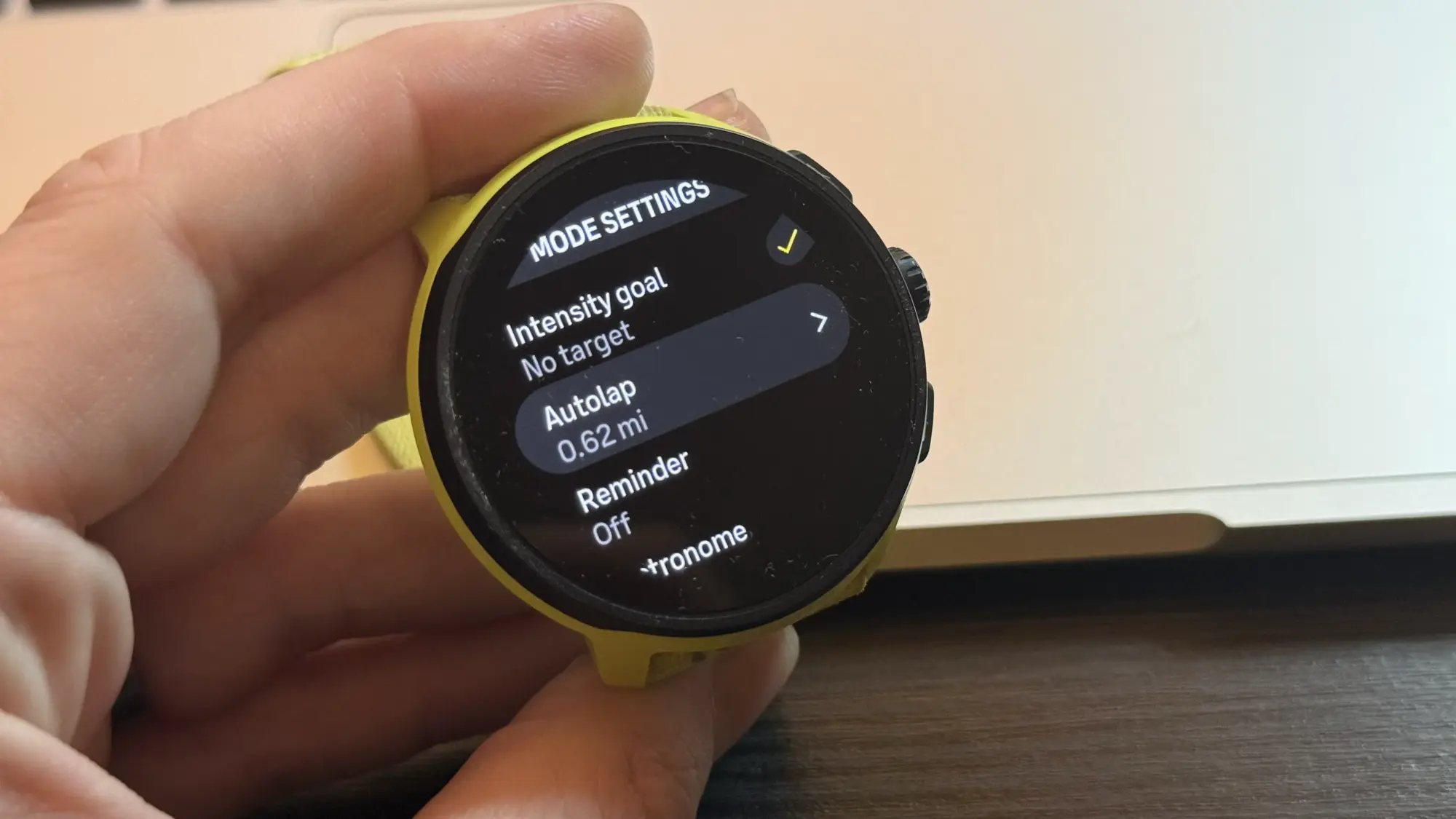
The wearable technology market is saturated with devices that promise to track every heartbeat, stride, and calorie. Yet, amidst the premium offerings from industry giants, the Suunto Run has carved out a distinct niche. Priced competitively at approximately $200, it offers the lightweight, high-performance functionality of entry-level Garmin models while maintaining an aesthetic and user interface that appeals to both casual joggers and dedicated trail enthusiasts.
However, owning a powerful piece of hardware is only half the battle. As Senior Health Editor Beth Skwarecki noted in her recent review, the Suunto Run is a "delightful little watch," but its true value is unlocked only when a user navigates its deeper, often hidden, settings. Whether you are a weekend warrior or an aspiring ultramarathoner, mastering these nuances can transform your training experience.
The Core Philosophy: Why Settings Matter
The modern fitness tracker is designed to be "plug-and-play," but default settings are rarely optimized for the individual. The Suunto Run operates on a philosophy of deep customization. By tweaking the interface, notification systems, and data collection parameters, users can bridge the gap between simple data logging and actionable performance intelligence. Understanding these configurations is not just about convenience; it is about ensuring that the data you collect is accurate, meaningful, and reflective of your specific athletic goals.

Chronology of Optimization: Setting Up Your Device
When you first unbox the Suunto Run, the initial setup process is straightforward. However, the true optimization journey begins once you move past the basics.
Phase 1: The Initial Calibration (Days 1–3)
Immediately upon syncing with the Suunto mobile app, users should focus on unit consistency. As many users have discovered, the device often defaults to metric measurements. For those accustomed to the Imperial system, the "kilometer-based" notification cycle can be jarring.
Phase 2: Widget Customization (Week 1)
Once the basic unit settings are corrected, the focus should shift to the widget hierarchy. By customizing the "swipe-up" menu, users can prioritize the data they need most—whether that is a stopwatch, heart rate zones, or weather alerts—thereby reducing friction during high-intensity workouts.

Phase 3: Advanced Feature Integration (Month 1+)
After becoming comfortable with the basics, the final phase involves utilizing the barometer, altimeter, and Point of Interest (POI) tagging. This is where the watch shifts from a simple running monitor to a robust outdoor navigation tool.
Essential Adjustments: Improving the User Experience
1. Conquering the Kilometer/Mile Divide
The most frequent point of contention among Suunto Run users is the "Autolap" feature. Even if a user selects "Imperial" in the general settings, the watch may persist in marking laps and providing audio feedback at every kilometer.
The Fix:
The solution is not in the global settings, but rather in the individual activity profiles. Navigate to the specific exercise—such as "Run" or "Trail Run"—and select "Free Training." It is within this specific menu that you will find the "Autolap" configuration. Changing this to 1.00 mile ensures that your data aligns with your personal training metrics. Note that this must be done for each activity profile separately, a design choice that, while slightly tedious, allows for extreme granularity in how you track different types of movement.

2. Streamlining the Stopwatch
Many runners waste precious seconds fumbling through menus to find a basic stopwatch. Suunto allows you to move this functionality directly into your widget list. By pressing the top button (the "pencil" icon) while in the widget view, you can prioritize the stopwatch. Once placed at the top of the stack, the stopwatch becomes instantly accessible. Furthermore, the live-display feature allows you to exit the screen and return later to see the running time, a critical feature for interval training.
3. Multisport Transitions
One of the most impressive features of the Suunto Run is its ability to adapt to changing environments mid-workout. If a road run transitions into a technical trail, you can long-press the top button to swap activity profiles without terminating your session. The watch records the transition as a pause, allowing you to seamlessly integrate different data sets (such as elevation gain in "Trail Run" vs. pace-tracking in "Run") into a single, cohesive workout log.
Supporting Data: The Science of Sensory Input
The utility of the Suunto Run extends beyond simple GPS tracking. By leveraging its internal barometric sensor, the watch provides environmental insights that are vital for outdoor safety.

- Barometric Pressure as a Predictive Tool: The barometer measures atmospheric changes. When the watch detects a rapid drop in pressure, it triggers a "Storm Alarm." This is not merely a convenience; it is a safety feature that can warn a runner or hiker of an approaching front, allowing for a timely retreat to safety.
- Altimeter Calibration: The accuracy of elevation data is dependent on the calibration of the internal barometer. Users can choose between "Auto Adjust" (using GPS triangulation) or manual calibration. For those in high-altitude environments, manual calibration against a known map coordinate remains the gold standard for accuracy.
Official Perspective and Community Feedback
Suunto has acknowledged that the learning curve for their interface is steeper than that of their competitors. The company’s support forums and community-driven platforms (like the Suunto subreddit) serve as the primary knowledge base for users struggling with these settings.
The consensus among the user community is that while the "hidden" settings can be frustrating at first, they provide a level of control that is lacking in more "locked-down" ecosystems. Official documentation often focuses on the high-level features, leaving power users to discover the intricacies of the "Free Training" menu and the multi-layered widget system through trial and error.
Implications for Long-Term Training
Why bother with these settings? The implications for your fitness journey are significant:

- Data Integrity: When your autolaps and activity profiles are correctly configured, the data exported to platforms like Strava or TrainingPeaks is cleaner and more accurate. This allows for better long-term trend analysis.
- Cognitive Load: By configuring the watch to show only what you need, you reduce the "mental tax" of checking your device during a run. This allows you to focus on form, breathing, and pacing.
- Safety and Exploration: Utilizing the POI library to mark water sources, trail junctions, or dangerous terrain transforms the watch into a genuine navigation companion. By treating the device as a repository of local knowledge, you gain the confidence to explore more remote trails, knowing that you have a reliable way to mark your path.
The Role of Points of Interest (POI)
Beyond just navigation, the POI feature reflects a deeper engagement with the environment. Whether you are using it to mark water taps on a long trail, or tagging locations for foraging or wildlife observation, the ability to store these points directly on your wrist encourages a more immersive outdoor experience. Planning these POIs in the mobile app before you head out is a best practice that ensures you spend your time on the trail, not on your screen.
Conclusion
The Suunto Run is a testament to the fact that you do not need to spend $600 to get professional-grade insights. However, the device requires an investment of time to personalize. By moving past the default settings and diving into the granular control offered by the "Free Training" mode, the widget editor, and the navigation tools, you can ensure that your watch is working as hard as you are.
As technology continues to evolve, the devices that survive in the marketplace will be those that provide both simplicity for the novice and depth for the expert. The Suunto Run manages this balance, provided the user is willing to take the time to learn the language of their device. With the right configuration, it is more than just a watch—it is an essential training partner.
 Asro
Asro  Reynand Wu