
 By Nana Wu
By Chris Jones
Published: September 11, 2026 | Updated: October 5, 2026
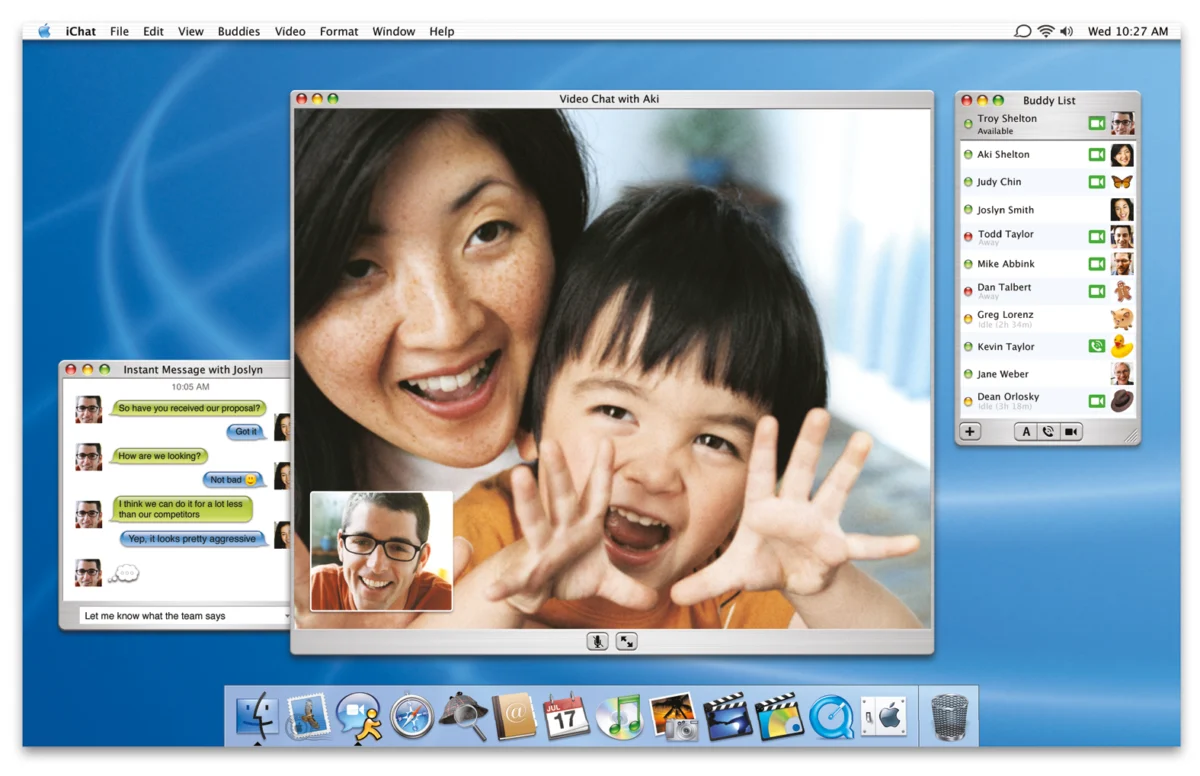
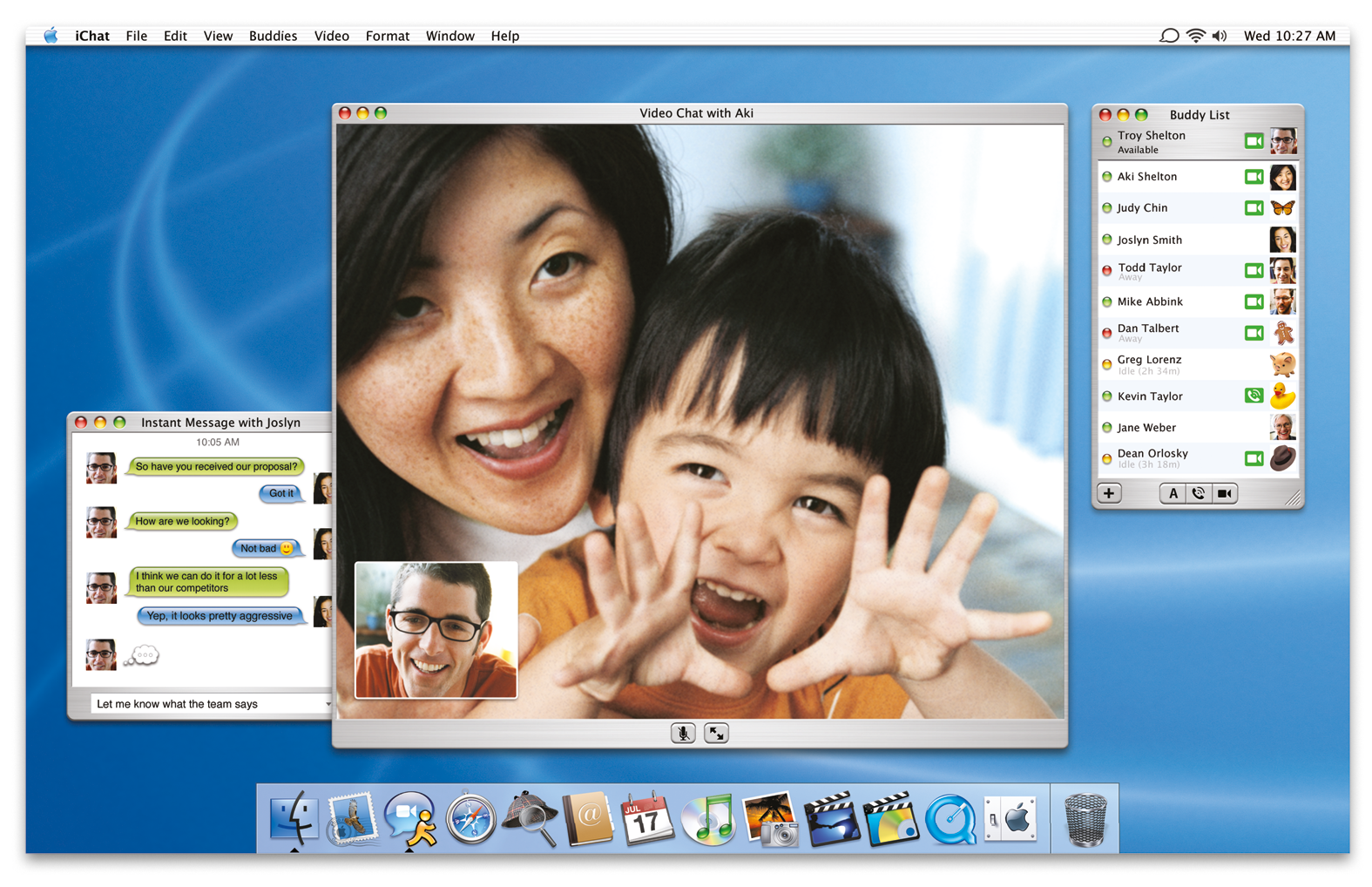
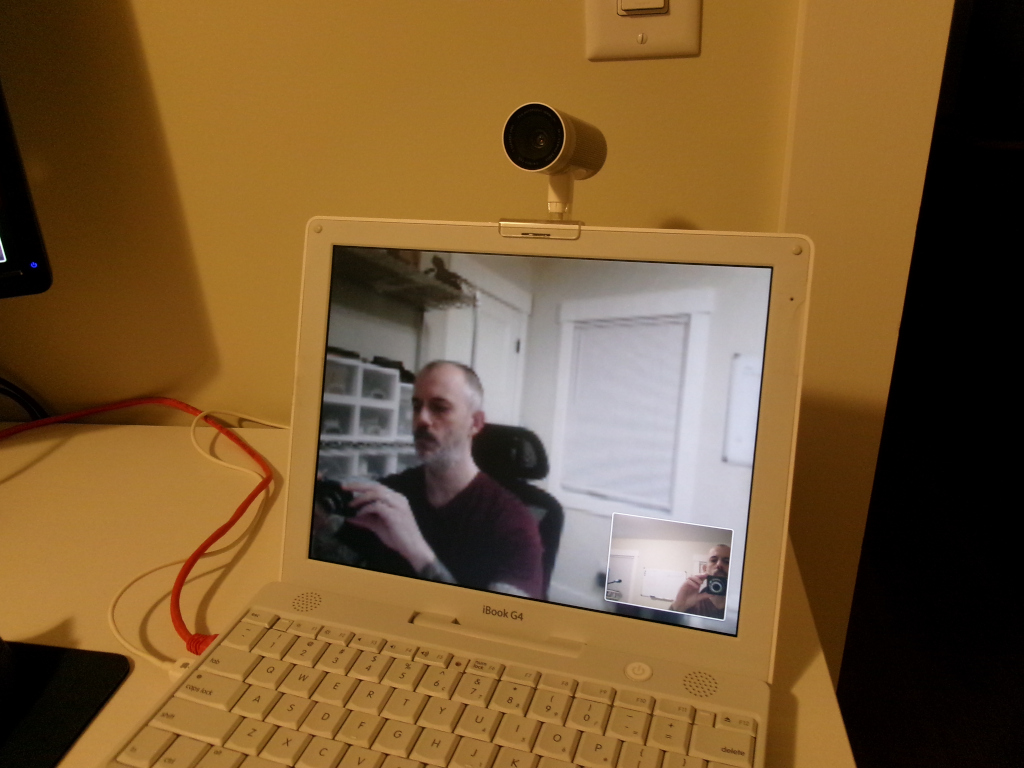
In the early 2000s, the landscape of digital communication was a fractured, experimental frontier. While Microsoft dominated with MSN Messenger and AOL ruled the IM roost with AIM, Apple sought to unify the user experience under the banner of "iChat AV." Announced at the 2003 World Wide Developer Conference (WWDC) alongside the powerhouse G5 processor and OS X 10.3 "Panther," iChat AV represented a watershed moment in consumer-grade video conferencing. Coupled with the "iSight"—a sleek, over-engineered cylindrical webcam that felt like a prop from a science fiction film—it gave early Mac adopters a glimpse into a future that felt both elegant and inevitable.
For many, iChat AV was more than just software; it was a cultural artifact of the "Golden Age" of Apple design. Yet, as the years marched on and Apple pivoted toward FaceTime, the infrastructure supporting these legacy services was quietly decommissioned. By 2026, the prospect of placing a video call on a PowerPC-era machine seemed destined for the graveyard of technological history. However, through a meticulous process of reverse engineering and a touch of modern artificial intelligence, the service has been brought back from the brink.
The Technical Barrier: Why iChat Stopped Talking
The failure of iChat AV on modern networks wasn’t due to the obsolescence of the software itself, but rather the disappearance of the "SNATMAP" server—a critical component in Apple’s original NAT traversal strategy.
When a user clicks the "call" button on an old Mac, the software initiates a handshake to determine how to route audio and video traffic through restrictive home routers. This process relies on a server located at configuration.apple.com. In its heyday, this server provided the location of a SNATMAP (Simple Network Address Translation Mapping) server. This server was essential for identifying the public-facing IP address and port of the user, allowing the iChat client to negotiate a direct peer-to-peer connection.
When Apple shuttered the support for these legacy endpoints, the SNATMAP server went dark. Without it, iChat could not determine how to punch a hole through the user’s firewall, resulting in an infinite "connecting" loop or an immediate handshake failure. For the average user, this rendered the "Green Call Button" a decorative relic.

Chronology: From Failure to Resurrection
The First Attempt (2023)
In early 2023, my collaborator, "Methodius," and I decided to challenge the inevitability of this obsolescence. Our initial approach was simplistic: we assumed that because iChat utilized XMPP (Jabber) for its messaging backbone, the video component would be similarly straightforward. We established accounts on jabb.im and attempted a standard audio call. The result was a stark reminder of the complexities of networking: the connection would initiate, ring, and then abruptly collapse.
Debugging the Black Box
To understand the failure, we turned to the terminal. Utilizing tcpdump for packet inspection and launching iChat in debug mode—a poorly documented feature triggered via /Applications/iChat.app/contents/MacOS/iChat -errorLogLevel 7—we began to map the handshake. We discovered that iChat was attempting to contact the aforementioned configuration server. While the HTTPS endpoint was technically still reachable, it returned a protocol definition pointing to a non-responsive server. We were at an impasse: we lacked the expertise to decompile the binary and the documentation for the proprietary SNATMAP protocol.
The Turning Point (2026)
The project stalled until the summer of 2026, when the emergence of advanced Large Language Models (LLMs) provided the missing link. By feeding our 2023 network captures into an LLM, we were able to synthesize a functional specification of the SNATMAP protocol. The model helped us decode the binary request patterns and the expected server responses. This allowed us to write a custom, lightweight Python-based UDP server that mimics the original Apple infrastructure.
Supporting Data: The Lab Environment
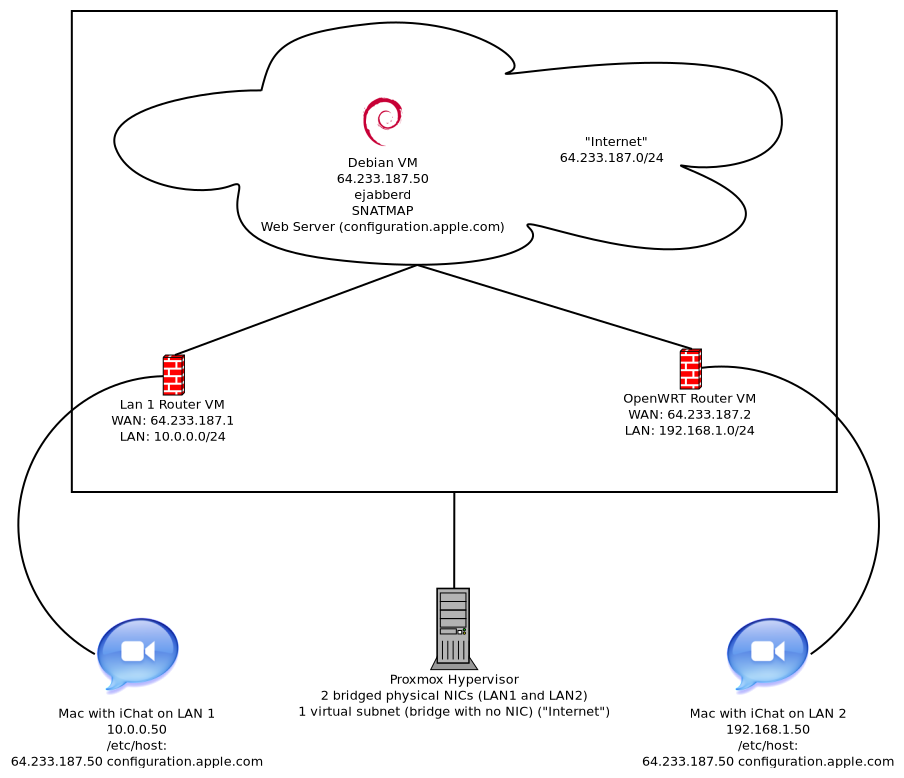
Testing across the modern public internet is fraught with variables, particularly concerning NAT behavior and port preservation. To ensure the solution was robust, I constructed a "sandbox internet" in my laboratory.
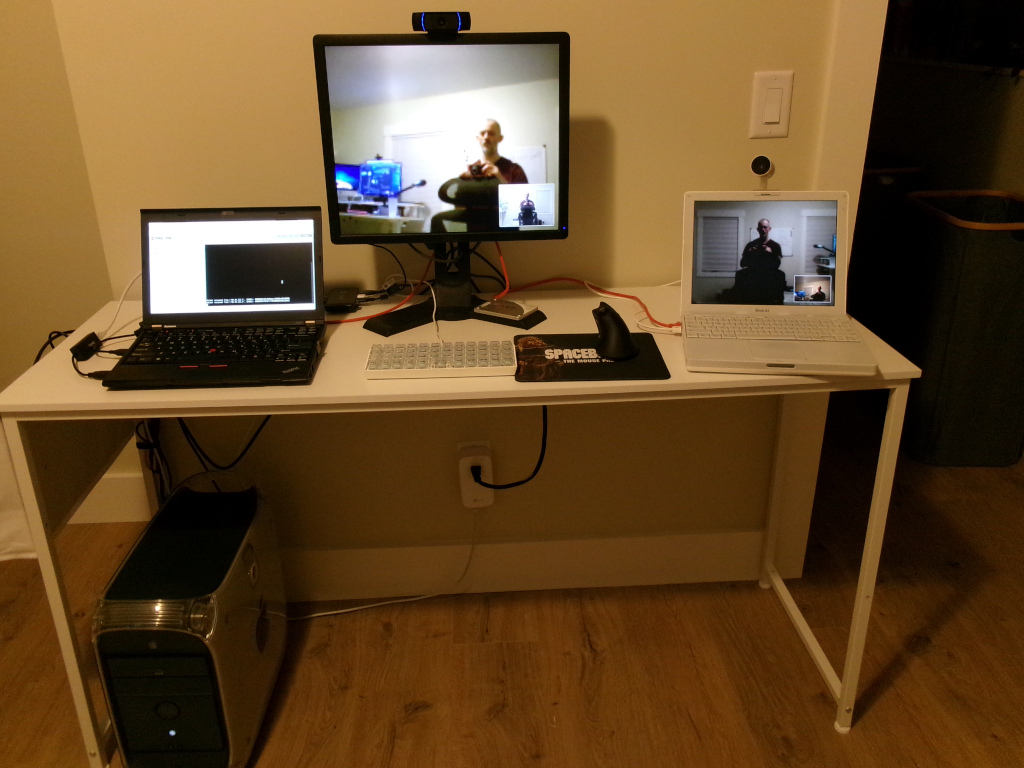
Using a Proxmox KVM host, I virtualized two OpenWrt routers to act as distinct gateways. Two physical vintage Macs were connected to these virtual networks via USB network adapters. This setup mimicked a real-world scenario where two users reside behind different ISP-grade NATs. By hosting the Jabber server (ejabberd), a local web server (lighttpd), and our custom SNATMAP server on a Debian virtual machine, I was able to observe the traffic flow in a controlled environment. The success of this lab test confirmed that iChat’s video conferencing could indeed traverse modern network architectures, provided the SNATMAP component was present.
Implications for Digital Preservation
This project carries significant implications for the field of digital history. As software-as-a-service (SaaS) becomes the standard for modern applications, the lifespan of any piece of software is tethered to the longevity of the developer’s servers. When the "cloud" turns off, the software becomes a brick.
The successful revival of iChat AV demonstrates that with enough persistence and the right analytical tools, the "digital afterlife" of proprietary software can be extended by the community. By reverse-engineering the handshake protocols, we have shifted the paradigm from relying on a centralized corporate entity to a decentralized, self-hosted model. It raises the question: if a hobbyist can restore a service from 2003, what other digital experiences are currently being lost simply due to the lack of a server-side handshake?
Official Responses and Current Status
To date, Apple has provided no official comment on the reactivation of these legacy endpoints, as the services have been officially deprecated for over a decade. The solution provided here is entirely community-driven and independent of Apple’s current infrastructure.
For those interested in attempting this restoration, the requirements are minimal:
- The Host File Edit: Add
157.230.2.213 configuration.apple.comto your/etc/hostsfile. - The Infrastructure: Ensure your router supports source port preservation. For users of modern, robust routers like pfSense or OPNsense, this requires an explicit toggle in the outbound NAT settings.
- The Hardware: While the original iSight remains the aesthetic choice, the software is surprisingly flexible. Modern USB webcams, such as the Logitech C920, are compatible with iChat AV on OS X Leopard and Snow Leopard, providing a strange but functional bridge between the hardware of the past and the present.
Conclusion: Why We Still Chat
There is a profound satisfaction in seeing a high-resolution video stream flicker to life on an operating system that predates the iPhone. It is not merely about the utility of the call; it is about reclaiming agency over the devices we own. The "iChat Project" is a testament to the fact that while technology may age, the human desire to connect remains constant. Whether you are a collector, a historian, or simply a fan of the early OS X aesthetic, the ability to fire up a G4 PowerBook and see a friend on the screen—exactly as we did in 2003—is a triumph of curiosity over obsolescence.
For the handful of users who still cherish the "brushed metal" aesthetic and the simplicity of the early Mac interface, the lines are once again open. Happy chatting.
 Sagoh
 Pevita Pearce
 Layla Zulfa
