
 By Basiran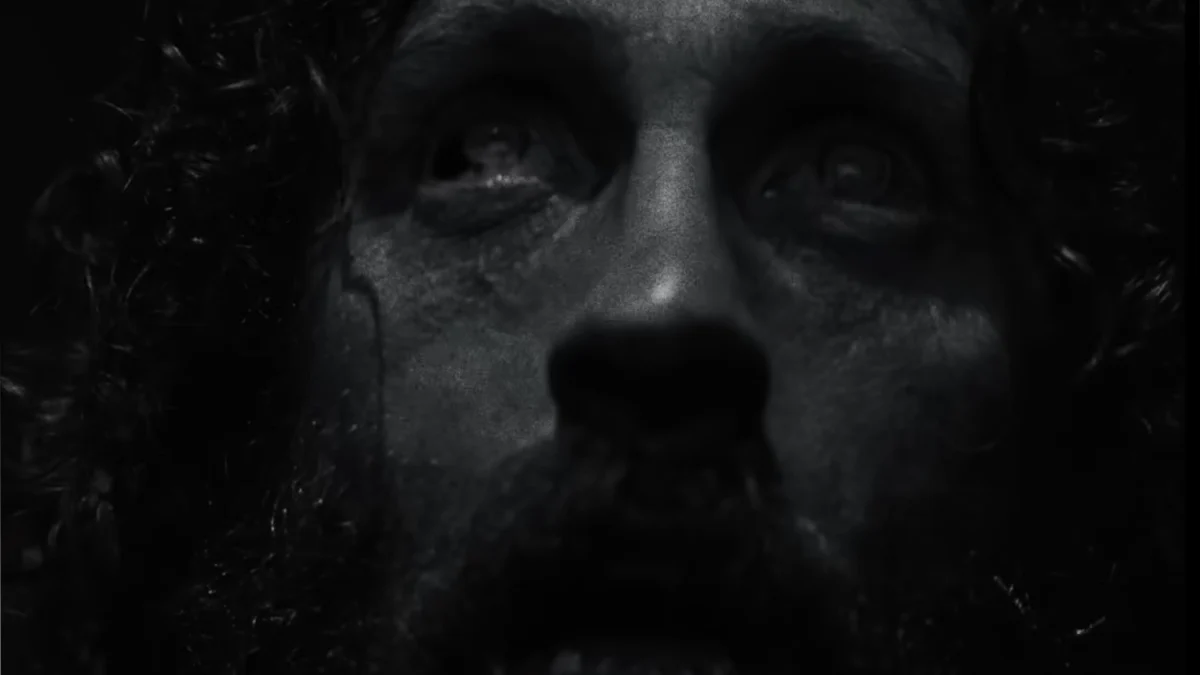
Main Facts
The cinematic landscape is bracing for another profound impact from visionary director Robert Eggers, whose latest offering, "Werwulf," is slated for a highly anticipated December release. Following the projected critical and commercial triumph of his impending 2024 film, "Nosferatu," Eggers returns to the genre he has masterfully redefined: folk horror steeped in historical authenticity and psychological dread. The initial trailer for "Werwulf" has already sent tremors through the film community, promising a sensory assault of eerie aesthetics, meticulous typography, and breathtaking cinematography that positions it as an immediate contender for cult classic status.
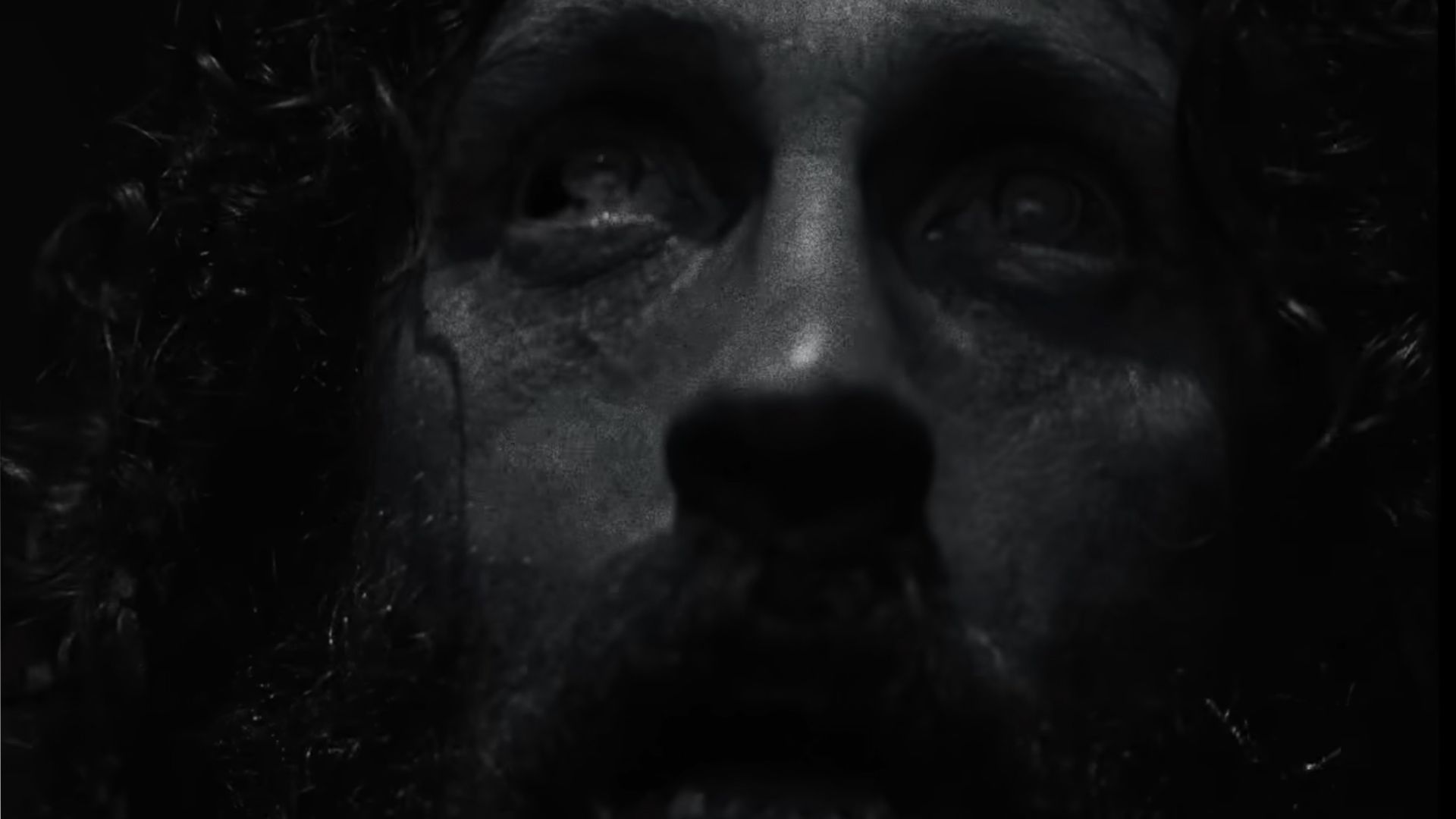
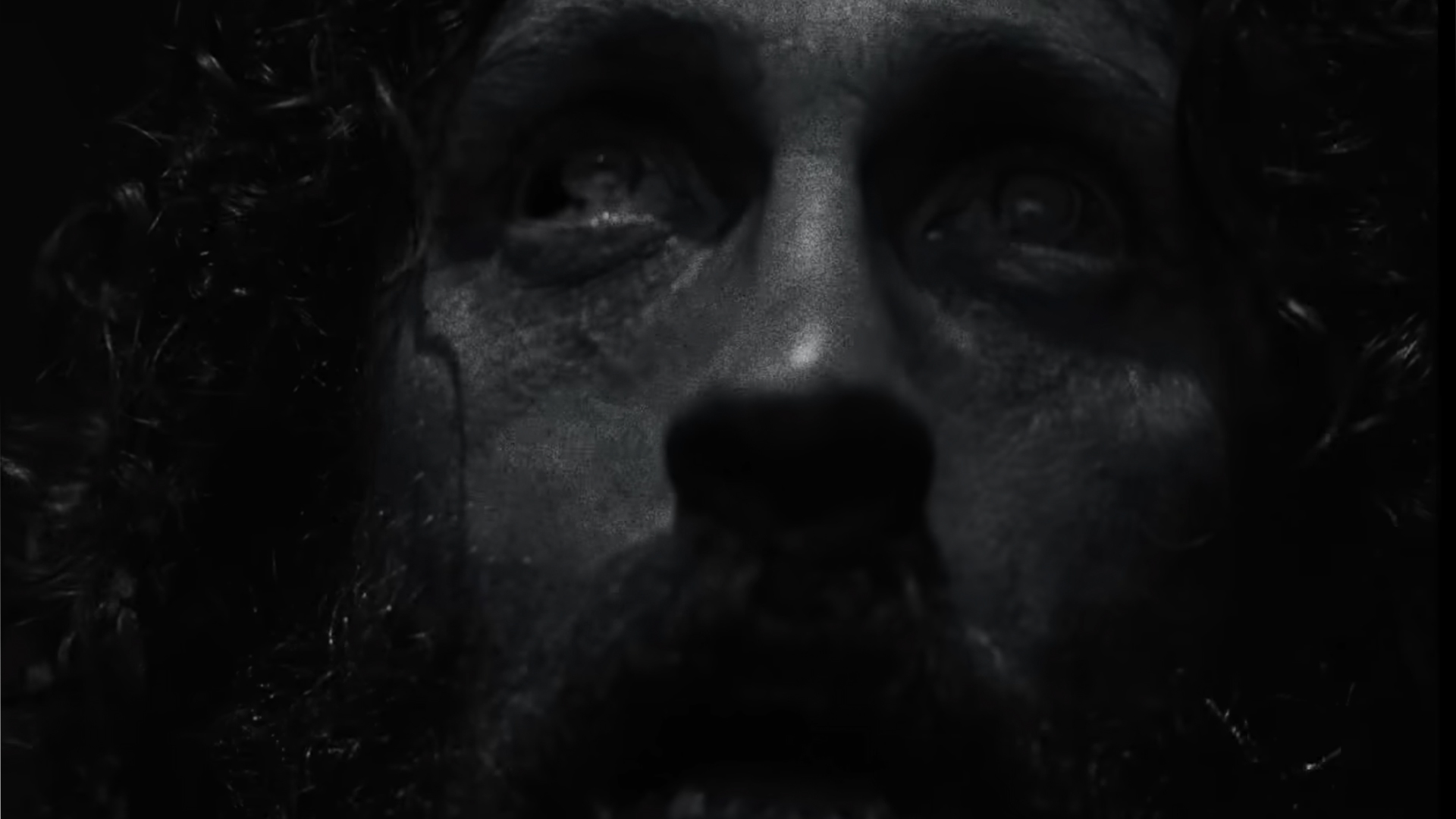
Starring the versatile Aaron Taylor-Johnson in a central role, "Werwulf" plunges audiences into 13th-century England, tracing the harrowing journey of a cursed farmer who undergoes a monstrous transformation. The trailer alone serves as a chilling prelude, its "slicing score" and "spine-chilling sound design" orchestrating a symphony of terror that resonates deeply with all senses. Yet, it is the film’s audacious visual strategy that truly sets it apart. Eschewing the conventional black-and-white palette often associated with classic horror or even Eggers’ own past works, "Werwulf" adopts a meticulously crafted, washed-out colour grading designed to emulate the distinct look of orthochromatic film. This antiquated film stock, inherently insensitive to red light, produces a unique visual language, intensifying shadows and drawing forward muted blue and green tones. The result is a murky, foreboding aesthetic that subverts audience expectations, cultivating a cold, uncanny palette that fosters a profound sense of subtle discomfort, lingering in the unfamiliar and the unknown. "Werwulf" is not merely another horror film; it is an immersive, period-accurate descent into primal fear, filtered through Eggers’ unparalleled artistic lens.
Chronology
The Evolution of a Visionary: Robert Eggers’ Trajectory
Robert Eggers has carved a distinctive niche in contemporary cinema, establishing himself as a director whose films are as academically rigorous as they are viscerally unsettling. His career trajectory showcases a steady ascent, each project building upon the foundational stylistic and thematic elements that have become his hallmark.
From "The Witch" to "The Northman": A Signature Unfolds
Eggers first captured widespread attention with his directorial debut, "The Witch: A New-England Folktale" (2015). Set in 17th-century New England, the film was a stark, Puritanical nightmare that meticulously recreated the period’s language, superstitions, and anxieties. It wasn’t just a horror film; it was an ethnographic study disguised as one, earning critical acclaim for its unwavering commitment to historical accuracy and its slow-burn psychological terror. "The Witch" immediately signaled Eggers’ unique approach: a blend of genuine folklore, immersive period detail, and an unsettling exploration of human fragility in the face of the unknown.
He followed this with "The Lighthouse" (2019), a black-and-white psychological thriller starring Willem Dafoe and Robert Pattinson. Set on a remote, desolate island in the late 19th century, the film delved into the deteriorating sanity of two lighthouse keepers. Its square aspect ratio, claustrophobic cinematography, and archaic dialogue further cemented Eggers’ reputation for artistic daring and his profound interest in historical verisimilitude. "The Lighthouse" pushed boundaries not just in its narrative ambiguity but also in its technical execution, earning an Academy Award nomination for Best Cinematography and proving that Eggers could craft compelling narratives with minimal elements.
His most ambitious project to date, "The Northman" (2022), marked a significant leap in scale and budget. A Viking epic of vengeance, "The Northman" brought Eggers’ signature historical authenticity to a broader canvas, depicting the brutal realities of 10th-century Scandinavia. While still retaining his meticulous eye for detail and a pervasive sense of grimness, the film demonstrated his ability to manage large-scale productions while staying true to his artistic vision. Its fantastical elements were grounded in Norse mythology, presented with a seriousness that made the supernatural feel like an organic extension of the historical world.
These three films collectively form the bedrock of Eggers’ unique cinematic identity. He is a director obsessed with historical accuracy, not just in costumes and sets, but in language, worldview, and the very fabric of the societies he portrays. This commitment lends his horror a chilling realism, making the fantastical elements all the more potent because they emerge from a meticulously reconstructed past. His films are often characterized by their atmospheric tension, psychological depth, and an unwavering refusal to pander to conventional horror tropes, instead opting for a more intellectual and deeply unsettling form of fear.
The Road to "Werwulf": Building on Anticipation
The announcement of "Werwulf" arrives at a particularly exciting juncture in Eggers’ career, hot on the heels of the immense anticipation surrounding his take on "Nosferatu" (2024). This upcoming gothic horror film, a direct homage to F.W. Murnau’s silent classic, stars Bill Skarsgård as the iconic vampire Count Orlok and features a star-studded ensemble including Lily-Rose Depp, Nicholas Hoult, Aaron Taylor-Johnson (making this his second collaboration with Eggers), Emma Corrin, and Willem Dafoe. The very concept of Eggers tackling "Nosferatu" has generated significant buzz, promising a visually stunning and deeply unsettling reimagining of one of horror’s foundational texts. The "explosive success" mentioned in the original article, while perhaps anticipatory given its 2024 release, reflects the pervasive industry belief that "Nosferatu" will be a critical darling and a significant cultural event, further solidifying Eggers’ standing as a master craftsman.
Against this backdrop of heightened expectation, the news of "Werwulf" surfaced, igniting further excitement among horror aficionados and cinephiles alike. Details regarding "Werwulf" have been carefully guarded, amplifying curiosity. Early whispers suggested a return to the more intimate, character-driven horror that defined "The Witch" and "The Lighthouse," albeit with the expanded visual and thematic scope that "The Northman" demonstrated Eggers could command. The initial casting of Aaron Taylor-Johnson, already a participant in the "Nosferatu" ensemble, underscored Eggers’ preference for working with a trusted cadre of actors who understand and can embody his demanding vision. The premise of a cursed farmer in 13th-century England offered a tantalizing glimpse into a world ripe for Eggers’ particular brand of historically informed, folkloric terror, promising a fresh, unsettling interpretation of the werewolf mythos.
Supporting Data
Unveiling the Terror: A Closer Look at "Werwulf"
"Werwulf" is poised to be more than just a creature feature; it is an immersive historical experience, meticulously crafted to evoke a sense of dread through every cinematic element.
Cast and Character Dynamics: Aaron Taylor-Johnson’s Transformation
The casting of Aaron Taylor-Johnson as the cursed farmer is a pivotal decision. Taylor-Johnson, known for his diverse roles ranging from blockbuster action ("Kick-Ass," "Godzilla") to critically acclaimed dramas ("Nocturnal Animals," for which he won a Golden Globe), brings a unique intensity and a capacity for portraying tormented characters. His ability to convey both vulnerability and simmering rage will be crucial for a character grappling with a horrifying transformation. In the context of 13th-century England, a farmer’s life was dictated by the land, community, and deeply ingrained religious and superstitious beliefs. For such a man to be "cursed" and transform into a "monstrous creature" implies a profound violation of his identity, his connection to nature, and his soul. Taylor-Johnson’s portrayal is expected to delve into the psychological disintegration that accompanies such a grotesque metamorphosis, exploring themes of sin, damnation, and the loss of humanity.
The archetype of the cursed individual, particularly one undergoing a physical transformation, is a rich vein in folklore and horror. Eggers’ historical grounding suggests that this will not be a typical Hollywood werewolf narrative. Instead, it will likely draw heavily from medieval European folklore surrounding lycanthropy, where such transformations were often seen as divine punishment, demonic possession, or the result of dark magic. This historical lens allows for a deeper exploration of the character’s internal struggle and the societal reaction to his terrifying condition, moving beyond simple jump scares to a more profound and disturbing examination of the human psyche under extreme duress.
A Symphony of Fear: Visual and Auditory Craftsmanship
Eggers’ films are renowned for their technical brilliance, and "Werwulf" appears to elevate this commitment to an even higher degree, particularly in its visual and auditory design.
Cinematography and Aesthetic: The Orthochromatic Revelation
The decision to employ a "washed-out colour grading" that emulates orthochromatic film is arguably the most striking artistic choice revealed in the "Werwulf" trailer. To understand its profound impact, one must grasp what orthochromatic film is and its historical context. Popular in the early days of photography and cinema (roughly until the 1920s), orthochromatic film stock was sensitive to blue and green light but largely insensitive to red light. This meant that reds would appear as very dark tones, often black, while blues and greens would be rendered with stark clarity. Skin tones, which contain reds, would often appear pale or even ghostly, and skies could look unnaturally bright.
By deliberately replicating this effect in post-production, despite shooting on modern colour 35mm film, Eggers achieves several powerful outcomes:
- Historical Verisimilitude: It instantly transports the audience to a different era, evoking the visual language of early cinema and photography, thus reinforcing the 13th-century setting with an anachronistic yet deeply effective visual cue.
- Mood and Atmosphere: The resulting palette – dominated by cool blues, greens, and desaturated earth tones, with reds conspicuously absent or rendered as oppressive dark masses – inherently creates a "murky, foreboding" atmosphere. It’s a world stripped of vibrant warmth, replaced by a "cold, uncanny palette" that feels alien and inhospitable.
- Psychological Discomfort: Modern audiences are accustomed to the full spectrum of colour, especially in high-definition digital formats. Subverting this expectation by presenting a world with an altered colour perception creates a subtle yet pervasive sense of unease. It makes the familiar unfamiliar, fostering a "subtle discomfort that lurks in the unfamiliar and unknown." This isn’t the overt horror of gore; it’s the insidious horror of perception being subtly warped.
- Challenging Norms: The article correctly notes that this subverts the "typical black-and-white horror aesthetic." While black and white can be incredibly effective for creating stark contrasts and timeless dread (as Eggers himself demonstrated in "The Lighthouse"), the orthochromatic emulation in colour is a far more nuanced approach. It leverages the psychological impact of colour (or lack thereof) in a way that black and white cannot, adding a layer of deliberate desaturation and tonal distortion that is distinct. It’s a modern film deliberately stripping itself of modern visual comforts, making it feel ancient and primal.
Beyond colour, the mention of "gorgeous typography" is not to be overlooked. In Eggers’ work, every detail contributes to immersion. Period-appropriate typefaces in titles, intertitles (if used), or promotional materials can significantly enhance the film’s overall aesthetic and authenticity, subtly guiding the audience into the film’s historical and thematic world.
Sound Design and Score: The Aural Landscape of Fear
The "slicing score" and "spine-chilling sound design" are integral to Eggers’ method. His films rarely rely on cheap jump scares; instead, they build tension through a masterful manipulation of sound. In "Werwulf," this will likely translate to:
- Atmospheric Soundscapes: The creaking of ancient timber, the howls of wind across desolate moors, the rustle of unseen creatures in dense forests – these ambient sounds will build an environment that feels alive and threatening.
- Visceral Effects: The "slicing" element of the score and the "spine-chilling" sound design suggest a focus on the brutal, physical aspects of transformation and violence. This could involve unsettling animalistic sounds, distorted human cries, and the wet, tearing sounds of flesh and bone, all designed to make the audience feel the horror on a primal level.
- Psychological Resonance: Sound in Eggers’ films often mirrors the internal state of the characters. The score and sound effects will likely amplify the farmer’s descent into madness, reflecting his internal turmoil and the growing monstrousness within him. This auditory experience, combined with the unique visuals, will create a truly immersive and terrifying encounter.
The Narrative Heart: Werewolf Lore and Reinterpretation
The werewolf mythos is one of the oldest and most enduring in human folklore, spanning cultures and centuries. From ancient Greek myths of Lycaon to medieval European tales of cursed individuals, the concept of a human transforming into a predatory beast taps into deep-seated fears about humanity’s savage nature, the fragility of civilization, and the thin veil between man and animal.
Eggers’ decision to set "Werwulf" in 13th-century England is crucial. This period was deeply steeped in Christian belief, but also heavily influenced by lingering pagan superstitions and a profound connection to the natural, often brutal, world. Werewolves in this context were not merely monsters; they were manifestations of sin, witchcraft, or divine wrath. Eggers’ meticulous research suggests that he will likely delve into historical accounts, legal records (some medieval courts did try animals or people accused of lycanthropy), and local legends to craft a werewolf narrative that feels historically authentic rather than a modern genre exercise.
This approach will likely allow Eggers to:
- Deconstruct Tropes: Rather than adhering to conventional cinematic werewolf rules (silver bullets, full moons), Eggers might explore the transformation as a slow, agonizing process, a physical and spiritual corruption.
- Explore Themes of Identity: The core horror of lycanthropy lies in the loss of self. How does a man reconcile his human consciousness with the primal instincts of a beast? This internal conflict, set against the backdrop of medieval beliefs about the soul and the body, promises rich psychological depth.
- Ground the Supernatural: By rooting the werewolf in a specific historical and cultural context, Eggers makes the supernatural feel more tangible and terrifying. The horror doesn’t come from an external, fantastical threat, but from a deeply embedded fear within the historical psyche.
Official Responses
Echoes of Anticipation: Trailer Reception and Industry Buzz
The release of the "Werwulf" trailer has been met with an immediate and overwhelmingly positive response, cementing the film’s status as one of the most eagerly awaited horror releases of the year. Both the general public and seasoned critics have reacted with a palpable sense of excitement, confirming the initial assessment that "Werwulf" is "already a feast for the eyes from the trailer alone."
Initial reactions across social media platforms and film blogs highlighted the trailer’s visceral impact. Phrases like "strikes horror into all the senses" encapsulate the collective experience, with viewers praising the seamless integration of haunting visuals, oppressive sound design, and a narrative premise that promises profound psychological torment. The distinctive visual style, particularly the orthochromatic emulation, has sparked considerable discussion among film enthusiasts and cinematographers, many of whom recognize Eggers’ audacious move to redefine period aesthetics. This choice has been lauded as both innovative and deeply unsettling, creating a unique visual signature that stands apart from contemporary horror fare.
Film critics, known for their discerning tastes, have echoed this enthusiasm. Early reviews of the trailer have positioned "Werwulf" not just as a significant horror film, but as a potential artistic achievement. Critics are particularly keen on how Eggers continues to push the boundaries of genre, proving that horror can be both intellectually stimulating and viscerally terrifying. The promise of a "cult classic in the making" is a testament to Eggers’ track record and the unique allure of "Werwulf." His previous films have all achieved a dedicated following, revered for their uncompromising vision and meticulous craft. "Werwulf" appears set to follow this trajectory, appealing to audiences who crave more than just scares, but a truly immersive and thought-provoking cinematic experience.
Industry insiders are also closely watching "Werwulf." Its December release places it in a prime position for awards consideration, a testament to the growing recognition of elevated horror as a legitimate artistic form. The involvement of Focus Features, known for distributing critically acclaimed and distinctive films, further validates the film’s artistic merit and commercial potential. "Werwulf" is not just another entry in the crowded horror landscape; it is positioned as a benchmark, a film that will undoubtedly influence future genre offerings and spark further conversations about the intersection of art, history, and terror.
Implications
The Broader Canvas: Implications for Horror and Filmmaking
"Werwulf" is more than an isolated film project; it is a significant statement on the current and future trajectory of the horror genre and filmmaking as a whole. Its release carries substantial implications for how period pieces are conceived, how aesthetic choices can redefine audience engagement, and the ongoing evolution of "elevated horror."
Redefining Period Horror
Robert Eggers, with "Werwulf" as his latest testament, is single-handedly redefining what period horror can achieve. He moves beyond merely using a historical setting as a backdrop for genre tropes, instead integrating history into the very DNA of the horror. His commitment to authenticity – from language and customs to the prevailing superstitions and fears of an era – makes the horror feel organic and deeply unsettling, rather than manufactured. "Werwulf" will further solidify the idea that period films need not be confined to staid dramas or romanticized interpretations of the past. Instead, they can be potent vehicles for exploring primal fears and societal anxieties through a lens of meticulous historical reconstruction.
This approach has a profound influence on other filmmakers, encouraging a more rigorous and imaginative engagement with historical subjects. It challenges the notion that historical accuracy must come at the expense of genre excitement, demonstrating that the two can not only coexist but enhance each other, creating a richer, more terrifying experience.
The Art of Subversion
Eggers’ aesthetic choices, particularly the orthochromatic film emulation in "Werwulf," represent a bold act of subversion in a visually saturated cinematic landscape. In an era dominated by hyper-realistic CGI and vibrant, often overwhelming, colour palettes, Eggers deliberately chooses to restrict and manipulate the visual information presented to the audience. This is not merely a stylistic flourish; it is a profound artistic statement.
By creating a "cold, uncanny palette," Eggers forces audiences to engage with the film on a different level. The absence of expected visual cues, the deliberate distortion of natural colours, and the intensification of shadows create an environment that feels inherently wrong, fostering a subtle discomfort that penetrates deeper than overt frights. This subversion of visual norms challenges viewers to actively participate in the film’s world, to grapple with its unfamiliarity, and to confront the psychological impact of its unique aesthetic. It suggests that true innovation in filmmaking can sometimes come from looking backward, reinterpreting antiquated techniques with modern sensibilities to achieve entirely new effects.
A Future for Elevated Horror
"Werwulf" further solidifies the position of "elevated horror" or "art-house horror" within the mainstream cinematic discourse. For years, horror was often relegated to a niche, seen as a genre primarily concerned with cheap thrills. However, a new wave of directors, including Eggers, Ari Aster, Jordan Peele, and others, has demonstrated that horror can be a sophisticated medium for exploring complex themes, showcasing exceptional acting, and pushing artistic boundaries.
"Werwulf," with its intellectual approach to folklore, its meticulous historical setting, and its groundbreaking visual design, is another beacon for this movement. It proves that horror can garner critical acclaim, attract dedicated audiences beyond the traditional genre fanbase, and still deliver profound, unsettling experiences. This continued success contributes to a broader acceptance of horror as a legitimate art form, encouraging more studios to invest in ambitious, artistically driven horror projects. It expands the possibilities for what horror can be, moving it beyond simplistic narratives to a realm of deep psychological and cultural exploration.
In conclusion, "Werwulf" is shaping up to be far more than just Robert Eggers’ latest film. It is a testament to his unwavering artistic vision, a bold experiment in cinematic aesthetics, and a powerful reaffirmation of horror’s capacity for profound storytelling. As December approaches, the anticipation for this meticulously crafted, historically resonant, and terrifyingly original film continues to build, promising an unforgettable cinematic experience that will resonate deeply within the horror genre and beyond.
 Evan Lee Salim
  Nana
Nana  Ammar Sabilarrohman