
 By Ammar Sabilarrohman
By Daniel Oropeza
October 12, 2026
Main Facts: The 46% Discount That Changes the Game
When severe weather strikes or unexpected grid failures hit a neighborhood, the difference between a minor inconvenience and a major household emergency often comes down to one thing: reliable backup power. Portable power stations have transitioned over the past decade from niche hobbyist gear for camping trips into essential home infrastructure. However, high-end units have historically commanded steep prices, placing them out of reach for many budget-conscious households.
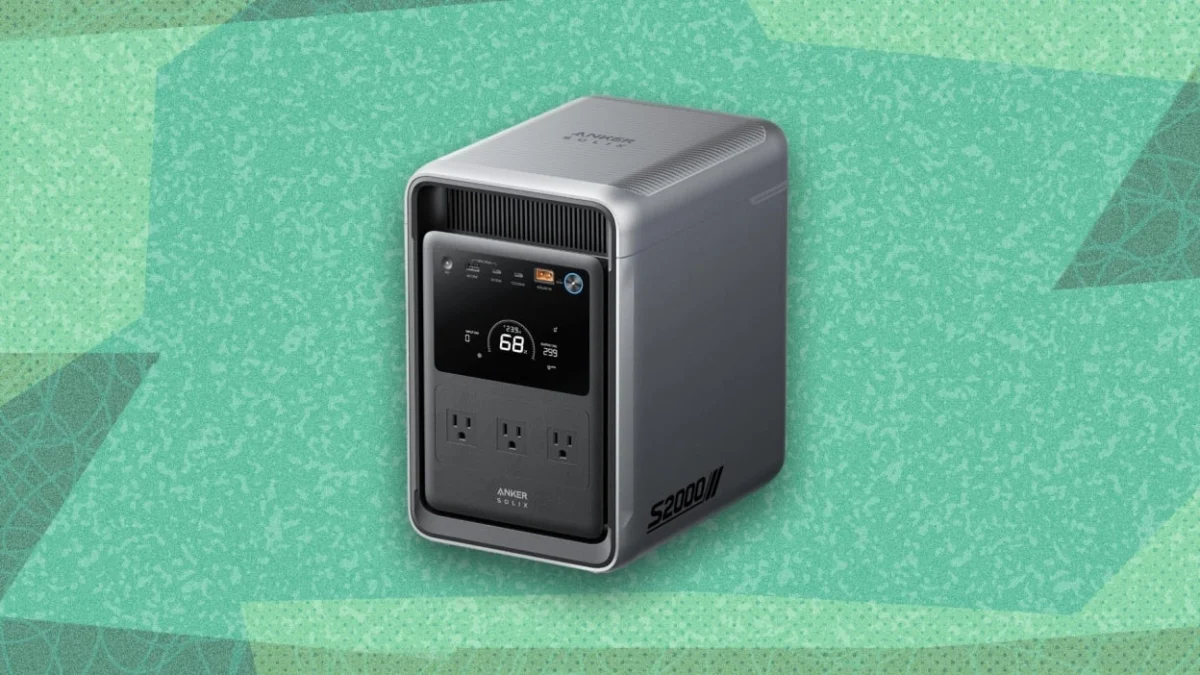
That narrative shifted significantly when the Anker SOLIX S2000 dropped to $649.99—a striking 46% discount off its standard $1,199.00 retail price.
For consumers living in storm-prone regions, rural areas with fragile infrastructure, or outdoor enthusiasts looking for high-capacity mobile energy, this price cut represents a rare opportunity. The S2000 strikes a balance between physical portability and heavy-duty output, capable of powering an average household refrigerator for approximately 35 hours. Featuring a robust 2,010 Wh battery capacity housed in a chassis that weighs just 36 pounds, the unit has quickly become a focal point for tech editors and consumers seeking emergency preparedness solutions ahead of the winter weather season.
Chronology: The Evolution of Portable Emergency Power
To understand why the arrival of a deal like the Anker SOLIX S2000 matters, it helps to examine how the portable power station market has evolved over the past two decades.
Early Days: Gas Generators and Lead-Acid Batteries
Before lithium-ion chemistry became commercially viable for high-capacity energy storage, homeowners relying on backup power faced limited choices. Standard options were restricted to loud, fossil-fuel-burning gas generators that required outdoor ventilation, manual pull-starts, and the storage of volatile gasoline. Alternatively, smaller consumer setups relied on heavy lead-acid batteries that were inefficient, difficult to transport, and prone to rapid degradation if left unmaintained.
The Lithium-Ion Revolution (Late 2010s)
As electric vehicle technology spurred massive advancements in battery chemistry, companies began adapting lithium-ion cells into portable, enclosed power stations. Brands introduced units that could quietly run indoor appliances without toxic exhaust fumes. However, early iterations were plagued by high costs per watt-hour, limited output ports, and rudimentary software integration. Users had to manually monitor battery levels on basic LCD screens with little insight into power draw or efficiency.
The Smart Power Era (2020s–Present)
Today’s generation of power stations—exemplified by manufacturers like Anker, EcoFlow, and Bluetti—incorporates advanced battery management systems (BMS), high-efficiency pure sine wave inverters, and dedicated smartphone applications. The introduction of Lithium Iron Phosphate (LiFePO4) chemistry transformed the industry further by drastically increasing safety profiles and extending cycle lifespans into thousands of charges.
The launch and subsequent discounting of models like the Anker SOLIX S2000 in late 2026 reflect a maturing market where high-end capabilities—once reserved for premium, enterprise-tier equipment—are becoming accessible to everyday consumers looking to bulletproof their homes against grid instability.
Supporting Data and Technical Specifications
A closer examination of the Anker SOLIX S2000 reveals engineering choices that explain its strong reception among tech reviewers and consumer advocates alike.
Dimensions and Portability Metrics
Despite packing a substantial energy reserve, the S2000 maintains a compact physical footprint:
- Dimensions: 8.2 × 11.1 × 12.7 inches (Length × Width × Height)
- Weight: Approximately 36 pounds
This relatively light weight-to-capacity ratio makes it manageable for a single person to transport from a garage storage area to a living room, or to load into the trunk of a car for a weekend camping excursion.

Battery Capacity and Longevity
- Energy Capacity: 2,010 Wh
- Expected Lifespan: Up to 10,000 charge cycles before the battery experiences severe degradation, equating to roughly 15 years of daily use under standard operational conditions.
According to independent testing by industry publications like PCMag, the S2000 outperforms many competitors in efficiency metrics. Reviewers noted that the unit delivers an unusually high percentage of its rated capacity while keeping idle power consumption remarkably low. This efficiency is critical when running intermittent, cycling loads such as refrigerators, chest freezers, or Wi-Fi routers, where poorly optimized power stations can waste significant amounts of stored energy simply maintaining standby circuits.
Input and Output Interface
The S2000 is equipped with a versatile array of connection ports designed to handle multiple devices simultaneously:
- AC Outlets: Two located on the rear panel and three on the front panel, providing ample space for standard household plugs without requiring cumbersome power strips.
- USB-C Ports: Two front-facing high-output ports for fast-charging modern laptops, tablets, and mobile phones.
- USB-A Port: Included for legacy peripheral charging.
- Solar Integration Port: Allows users to plug in compatible external solar panels (sold separately) to recharge the unit off-grid using renewable energy.
Furthermore, the unit operates at a remarkably low decibel level under load, avoiding the loud, disruptive whir of cooling fans that plagued older generation power stations. Anker’s companion mobile application has also earned high praise for offering intuitive remote monitoring, allowing users to track input/output wattage, adjust charging speeds, and update firmware directly from a smartphone.
Official Responses and Industry Reception
The tech community and consumer advocacy spaces have largely lauded the capabilities of modern high-capacity power stations, particularly as climate anomalies and aging electrical grids increase the frequency of blackouts.
Industry experts frequently emphasize the financial wisdom of purchasing emergency equipment during planned promotional periods rather than reactive buying windows.
"Power stations are notoriously pricey, and the absolute worst time to invest in one is immediately preceding a severe storm or during an active blackout when local retailers experience surge pricing and stock shortages," notes retail tech analyst consensus.
Manufacturers like Anker have responded to consumer demand by refining their inverter technology to handle sensitive electronics—such as medical devices, precision computers, and audio equipment—safely. By incorporating pure sine wave output, these power stations deliver electrical currents as clean as, or cleaner than, standard wall outlets, eliminating the risk of damaging delicate microchips during a power surge or brownout.
Implications: What This Means for Consumers and the Future of Home Backup
The widespread availability of discounted, high-capacity power solutions like the Anker SOLIX S2000 carries broader implications for household resilience, energy independence, and the consumer electronics market.
1. Shift Toward Decentralized Household Preparedness
As extreme weather events become more frequent, reliance on centralized municipal utility grids carries inherent risks. The normalization of devices that store over 2,000 watt-hours of electricity allows ordinary households to maintain basic operational continuity—keeping food fresh, medical equipment running, and communication lines open—without the noise, fumes, or logistical hurdles of traditional gas generators.
2. The Democratization of Clean Emergency Power
With price points dropping below the $700 threshold for units capable of multi-day basic emergency support, robust backup power is no longer restricted to high-income households or dedicated survivalists. This democratization helps bridge the gap in disaster preparedness across diverse socioeconomic demographics.
3. Sustainability and Solar Synergy
The inclusion of dedicated solar input ports on units like the S2000 encourages a transition toward micro-scale renewable energy storage. Consumers are increasingly pairing portable power stations with foldable solar panels, creating self-sustaining emergency kits that can harvest grid-free energy indefinitely during extended infrastructure failures.
Ultimately, while gadget deals come and go, price drops on essential safety equipment like the Anker SOLIX S2000 offer a tangible way for households to mitigate uncertainty, secure peace of mind, and adapt to an increasingly unpredictable climate landscape.
 Layla Zulfa
 rifanmuazin
 Nila Kartika Wati
