
 By Layla Zulfa
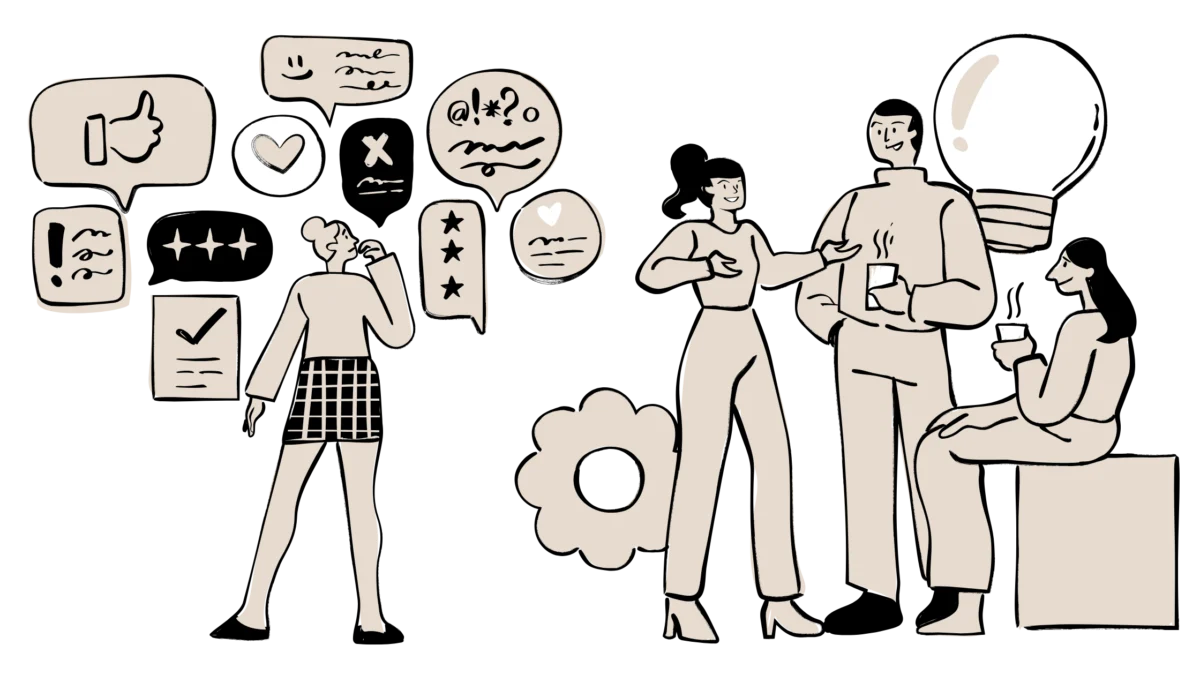
Every legendary email marketing campaign shares a singular, potent commonality: it bypasses the analytical mind to trigger a visceral emotional response. While many businesses fixate on A/B testing button colors or obsessing over subject line word counts, the most successful brands understand that conversion is not a technical output—it is a psychological outcome.
To move a subscriber from a passive scroll to a decisive "buy now" click, one must understand the silent dialogue occurring within the reader’s mind. Behind every open rate and click-through metric lies a human brain making micro-decisions based on trust, identity, and risk. This article explores the four pillars of psychological influence—Urgency, Scarcity, Social Proof, and Personalization—that transform standard promotional blasts into high-converting opportunities.
The Core Thesis: Decisions are Emotional, Logic is the Follow-Up
The fundamental reality of consumer behavior is that we do not make decisions based on cold, hard data; we make them based on emotion, then scramble to justify those choices with logic after the fact. When a customer opens your email, they are not auditing your layout or performing a cost-benefit analysis of your call-to-action (CTA). They are asking three subconscious questions: Do I trust this brand? Am I missing out on something vital? Is this offer designed for someone like me?
When an email fails, it is usually because it treats the reader like a data point rather than a person. When it succeeds, it is because it acknowledges the "invisible forces" that drive human decision-making. By weaving specific psychological triggers into your copy and strategy, you transition from being "just another email" to a welcome interruption in the user’s day.
1. Urgency: The Catalyst for Immediate Action
Urgency is the psychological antidote to procrastination. It functions because human beings are hardwired to fear loss—a phenomenon often referred to by behavioral economists as "loss aversion."
Why Timing Triggers Action
When a consumer believes they have unlimited time to make a decision, they inevitably delay it. The longer they wait, the more their internal doubt creeps in. "Do I really need this?" "Should I compare prices elsewhere?" These questions erode the momentum of your marketing. Urgency acts as a disruptor, forcing the reader to prioritize the decision now.
Implementing Authentic Urgency
The most critical factor in utilizing urgency is authenticity. If you run a "48-hour flash sale" every single week, your audience will quickly identify the artificial nature of the deadline, and your emails will be relegated to the "ignore" folder. Effective urgency must be tied to genuine, time-sensitive milestones:
- Product Drops: New arrivals that are limited by seasonal availability.
- Conditional Bonuses: Offering a gift or a discount that expires alongside a specific event.
- Hard Deadlines: Clearly communicated end-times that are strictly enforced.
2. Scarcity: Elevating Value Through Limitation
While urgency is about the clock, scarcity is about the inventory. It is one of the most powerful levers in the marketing toolkit because it exploits the psychological principle that things which are harder to obtain are inherently more valuable.
The Psychology of "Limited"
When we perceive that an item is scarce, our brain’s reward center lights up, and we experience a heightened sense of desire. This is the "fear of missing out" (FOMO) in its purest form. If a store has an infinite supply of a product, there is no psychological pressure to act. However, if a product is limited by quantity, color, or access, the customer feels a sudden pressure to secure their piece of the pie.
Practical Applications of Scarcity
- Low Stock Alerts: Informing customers that only a few units remain in their size or preference.
- Exclusive Tiers: Offering products only to a specific segment of your email list (e.g., VIPs).
- Limited Editions: Framing a product as a "one-time run" rather than a permanent inventory item.
3. Social Proof: Bridging the Trust Gap
In an era of digital skepticism, customers are wary of brand promises. They trust other customers infinitely more than they trust corporate marketing copy. Social proof is the psychological signal that validates a purchase decision, effectively saying, "You are not the guinea pig; others have traveled this path and emerged satisfied."

The Anatomy of Trust
Social proof acts as a lubricant for the sales process. It reduces the perceived risk of a transaction. If a customer sees a review, a user-generated photo, or a testimonial, the "risk" of buying a subpar product drops significantly.
Best Practices for Integrating Social Proof
- The "One-Review" Rule: Often, a single, punchy, authentic quote from a real customer is more persuasive than a long-form marketing paragraph.
- Visual Evidence: A customer’s photo using your product in the real world is worth ten studio-shot marketing images.
- Case Studies/Results: If you sell a service, show, don’t tell. Use data-backed testimonials that quantify the success your customers have achieved.
4. Personalization: Breaking the Generic Pattern
The average inbox is a sea of generic, templated noise. Most emails feel like they were sent to a million people at once—because they were. True personalization breaks this pattern by acknowledging the specific relationship you have with the subscriber.
The "Why Me?" Factor
Personalization answers the customer’s most pressing question: Why are you showing me this right now? When you leverage data—such as past purchase history, browsing behavior, or demographic interests—the email feels less like a broadcast and more like a conversation.
- Behavioral Triggers: "We noticed you were looking at X, so we thought you might like Y."
- Loyalty Acknowledgment: "As a thank you for your last three purchases, we’ve unlocked this exclusive offer."
- Dynamic Content: Changing images or product recommendations based on what the user has previously expressed interest in.
Case Study: The "PadelLab" Model
To visualize how these four pillars function in harmony, consider a hypothetical email for a performance shoe brand, PadelLab:
Subject: Your next match just got faster (limited sizes left)
- Opening: "Hi FirstName, you’ve been checking out our performance padel shoes lately…" (Personalization)
- The Hook: Introduce the Velocity Pro 2.0 as a game-changer for footwork.
- Social Proof: Include a direct quote from a verified player: "The stability is unreal. I’ve never moved this confidently at the net."
- Scarcity: "We’re already running low on popular sizes after the first 72 hours."
- Urgency: "We’re giving subscribers early access for the next 24 hours only."
- The CTA: "See the Velocity Pro 2.0 before your size disappears."
This structure works because it moves the customer through a journey: it identifies them (Personalization), validates their interest (Social Proof), highlights the rarity of the offer (Scarcity), and gives them a clear, time-sensitive reason to stop browsing and start buying (Urgency).
Implications for Modern Marketers
The shift toward psychologically-driven email marketing has profound implications for how teams should be structured. Moving forward, the most successful founders and marketers will prioritize:
- Behavioral Automation: Investing in platforms that allow for dynamic, event-based emails rather than static, one-size-fits-all blasts.
- Data Integrity: Maintaining clean email lists where user preferences and behaviors are tracked, allowing for true personalization.
- Ethical Persuasion: Using these psychological levers to help customers find what they actually want, rather than manipulating them into purchases they don’t need.
Final Thoughts: From Promotion to Opportunity
The most successful campaigns are not the ones that shout the loudest or offer the deepest discounts. They are the ones that understand the decision-making process of the human brain. When you blend urgency, scarcity, social proof, and personalization with genuine intent, your emails stop feeling like unwanted promotions and start feeling like valuable moments of discovery.
To achieve this at scale, brands need the right infrastructure. Tools like Omnisend provide the technical framework—from behavioral automations to dynamic personalization blocks—to ensure these psychological triggers are deployed effectively. By marrying the art of human psychology with the science of modern marketing technology, founders can transform their email lists into their most consistent and reliable revenue drivers.
 Azzam Bilal Chamdy
 Asep Darmawan
 Reynand Wu
