
 By Evan Lee Salim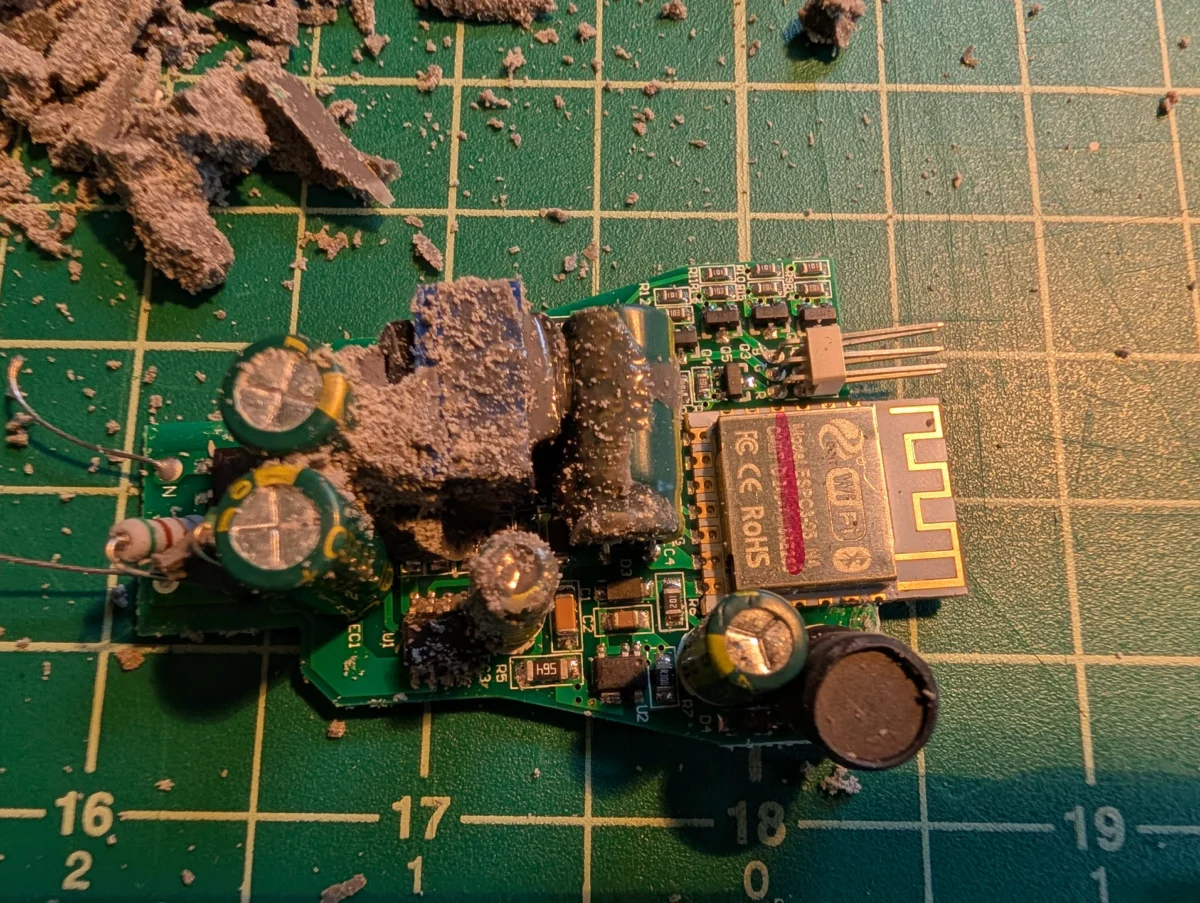
In a digital age defined by cloud-based control and remote censorship, the ability to access information is increasingly tethered to the whims of service providers. When a book is removed from a library, it is a local event; when a digital text is wiped from a server or made inaccessible due to regional filtering, the loss can be global. For software engineer Richard Osgood, the solution to this fragility is not to fight the system from within, but to subvert the hardware already occupying our homes.

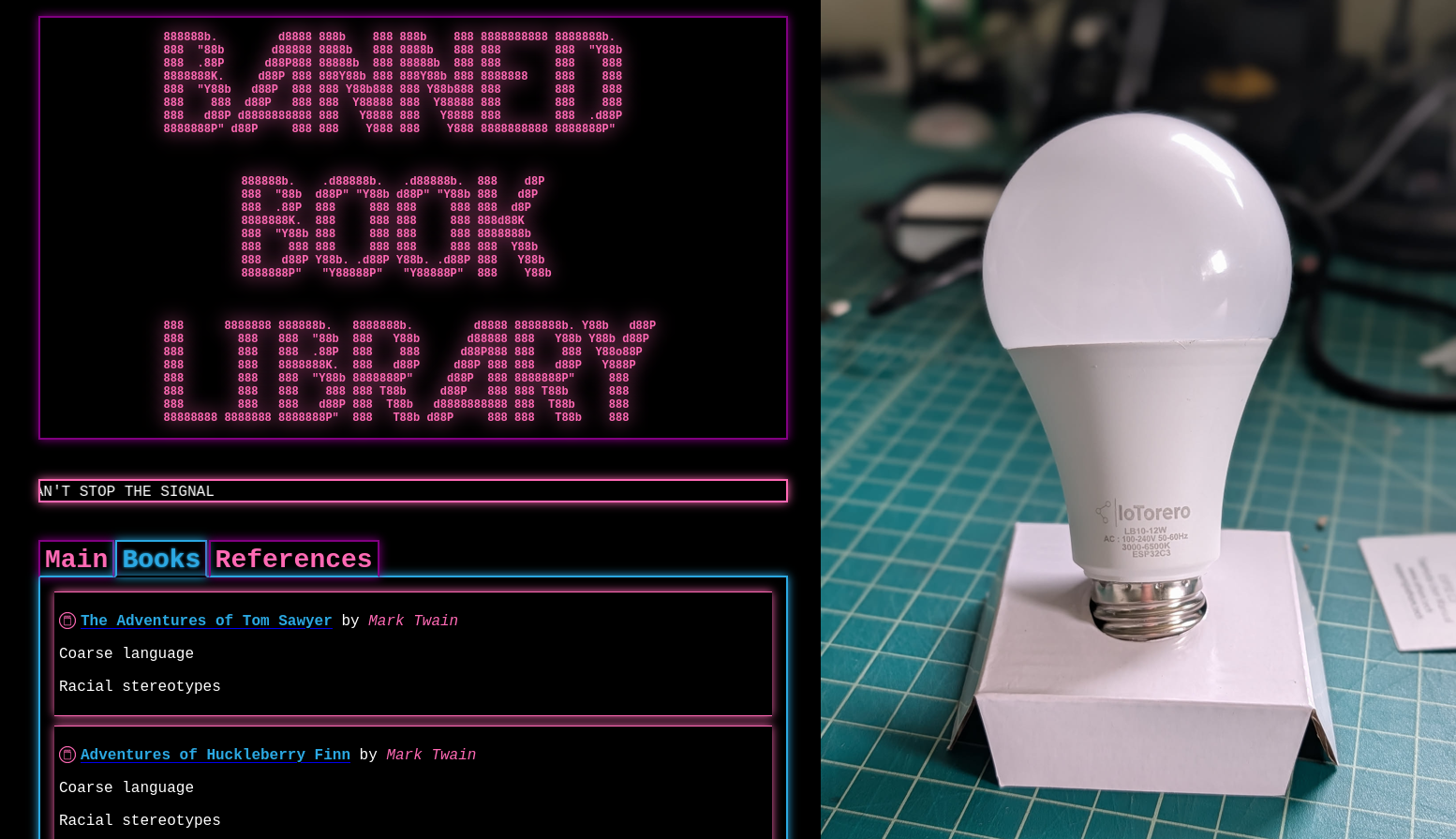
Osgood’s latest project, the "Banned Book Library," is a radical exercise in hardware hacking. By repurposing inexpensive, off-the-shelf WiFi-enabled smart light bulbs, Osgood has created a network of decentralized, undetectable digital dead drops. These devices, once installed in a home or community space, function as local web servers that host banned literature, available to anyone within range of their WiFi signal.
The Genesis of an Underground Library
The concept is rooted in the intersection of speculative fiction and practical engineering. Osgood cites Ben Brown’s short story Library—which depicts a clandestine archive of human knowledge—as a primary inspiration. In the story, a "library" acts as a repository for essential documents and creative works that might otherwise vanish from the internet.
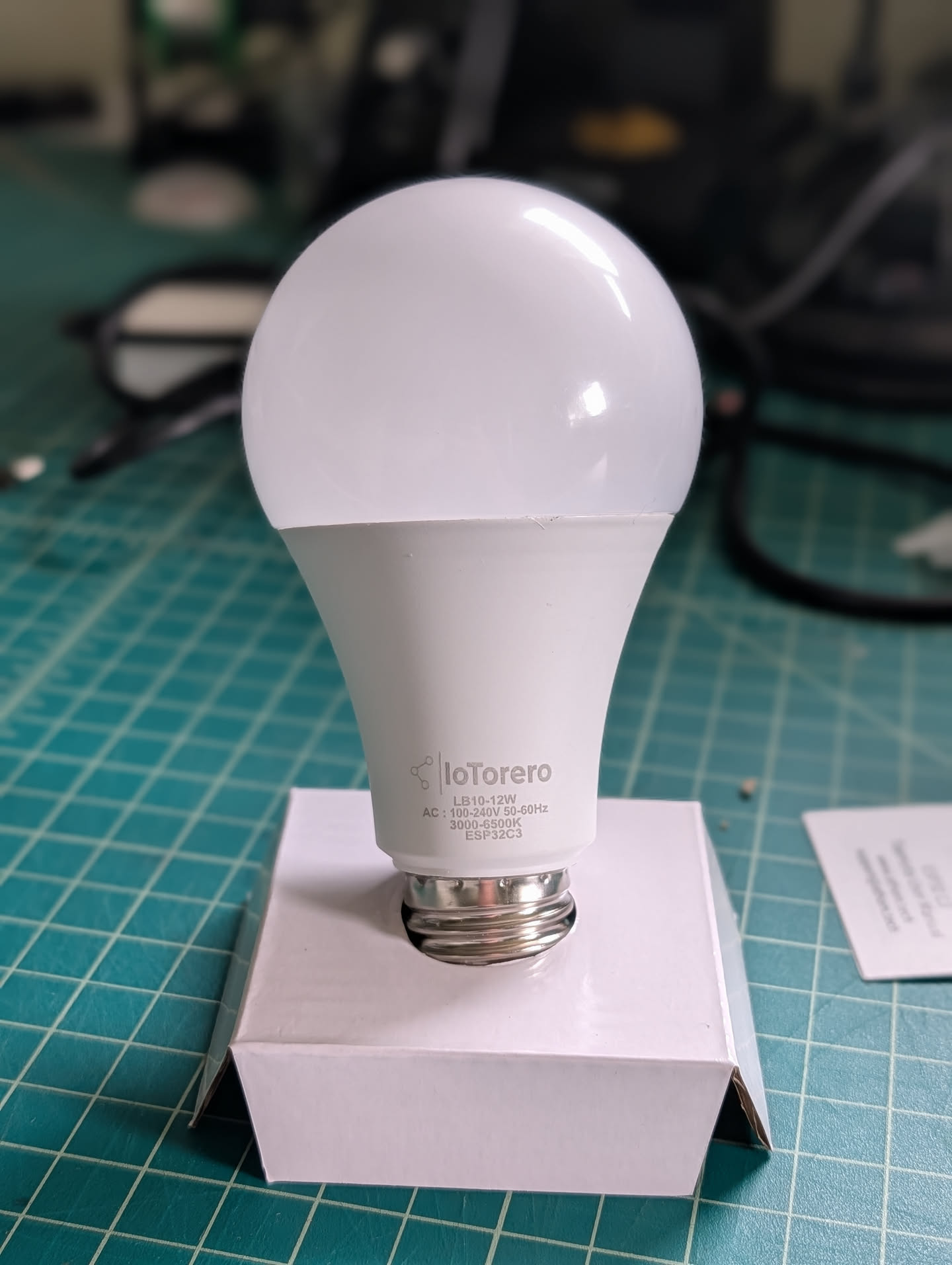
"The idea was that if you lived somewhere that banned books you thought were important, you could theoretically stick a digital copy on one of these light bulbs," Osgood explains. "Since the device is a light bulb, it is difficult to detect and likely to go unnoticed. It’s a cyberpunk digital dead drop."
By utilizing the hardware’s ubiquity, Osgood turns a standard household appliance into a beacon of free information. Because the devices are inexpensive and designed to be installed in plain sight, they bypass the scrutiny often applied to more specialized networking equipment.
Chronology of a Hack
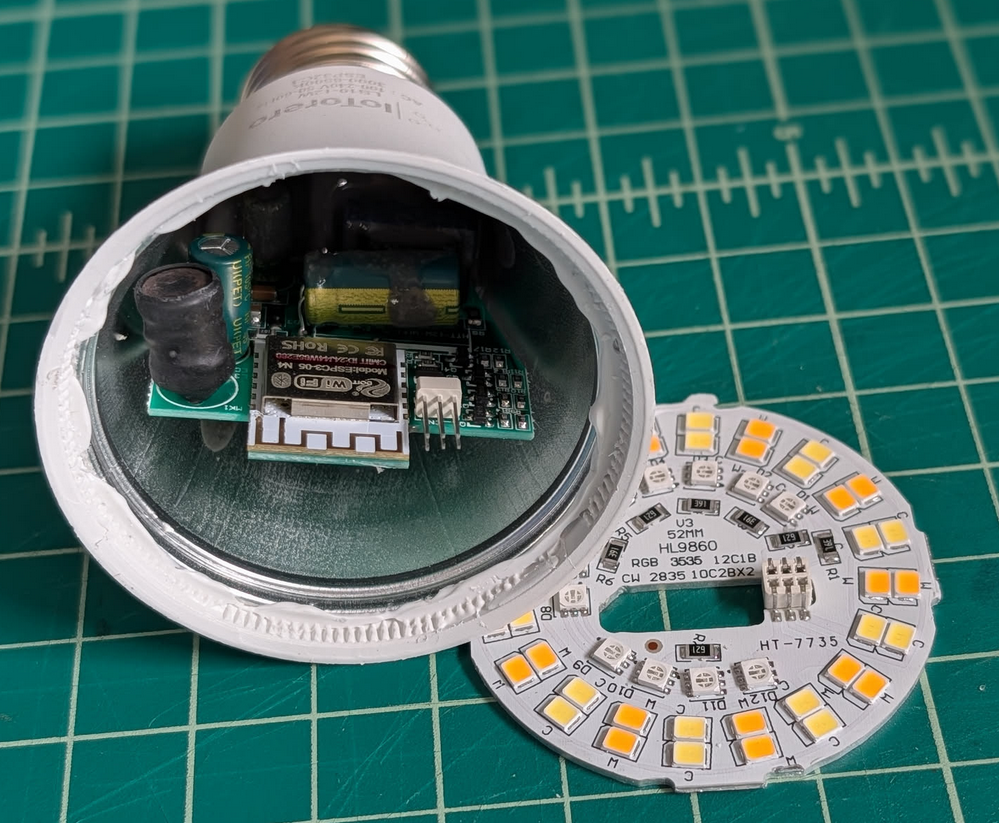
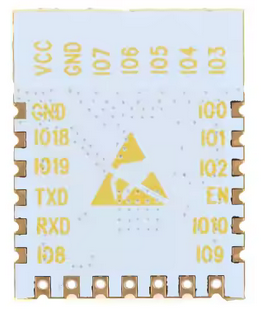
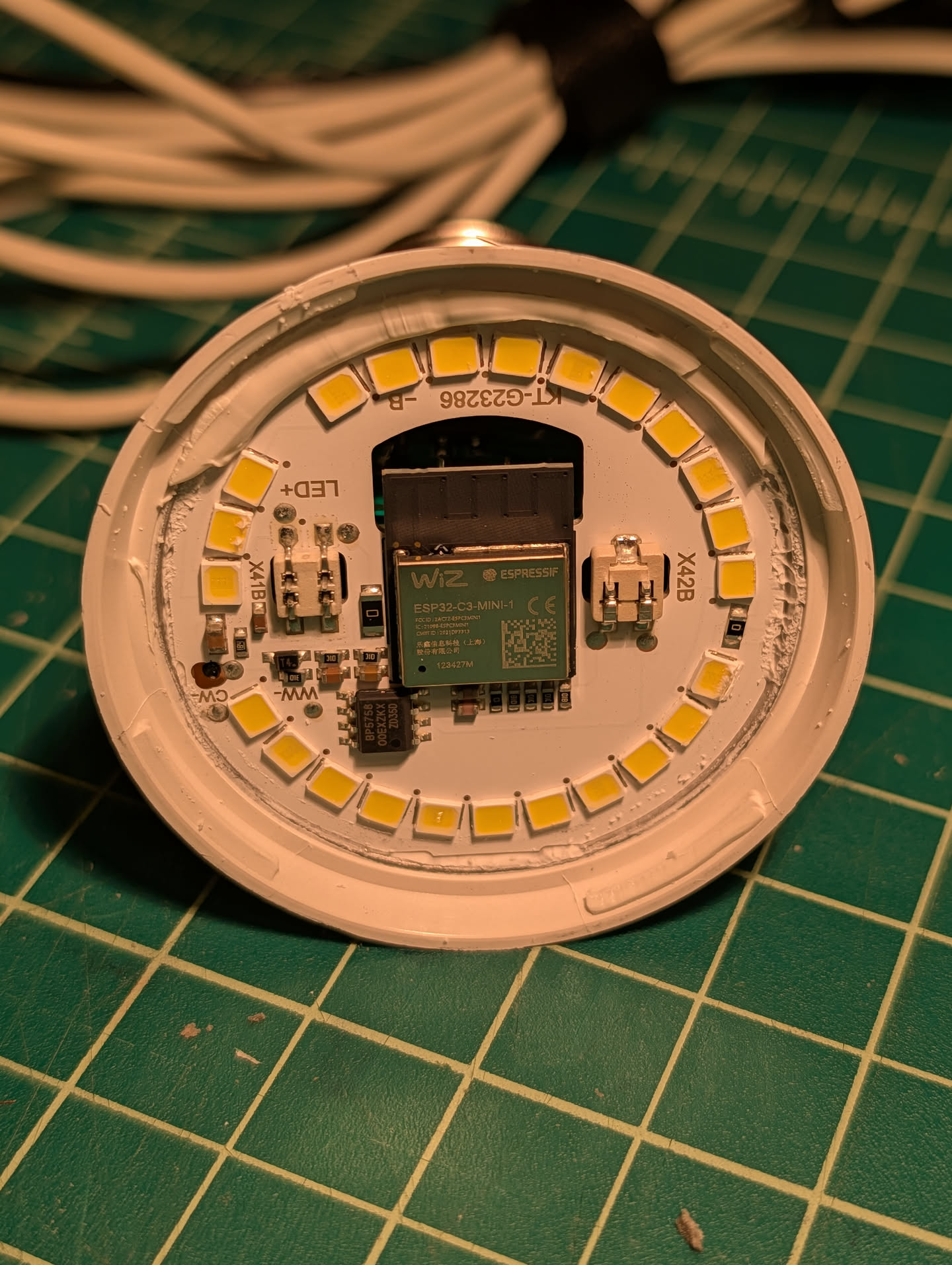
The project began as an exploration of Tasmota, an open-source firmware designed to liberate smart devices from their dependence on proprietary cloud services. For the average user, Tasmota is a tool for home automation privacy; for Osgood, it was a gateway to understanding the internal architecture of the ESP32C3 chip, the silicon heart of the modern smart bulb.
Phase 1: Hardware Acquisition and Teardown
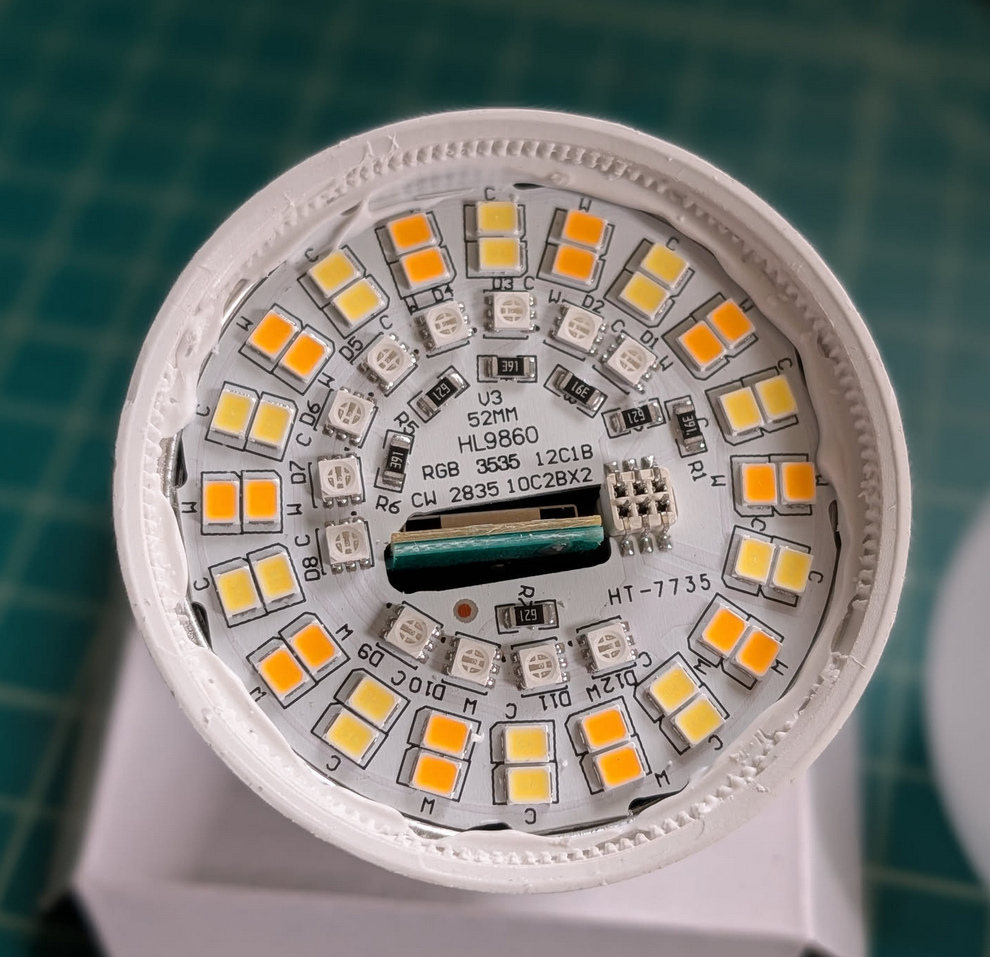
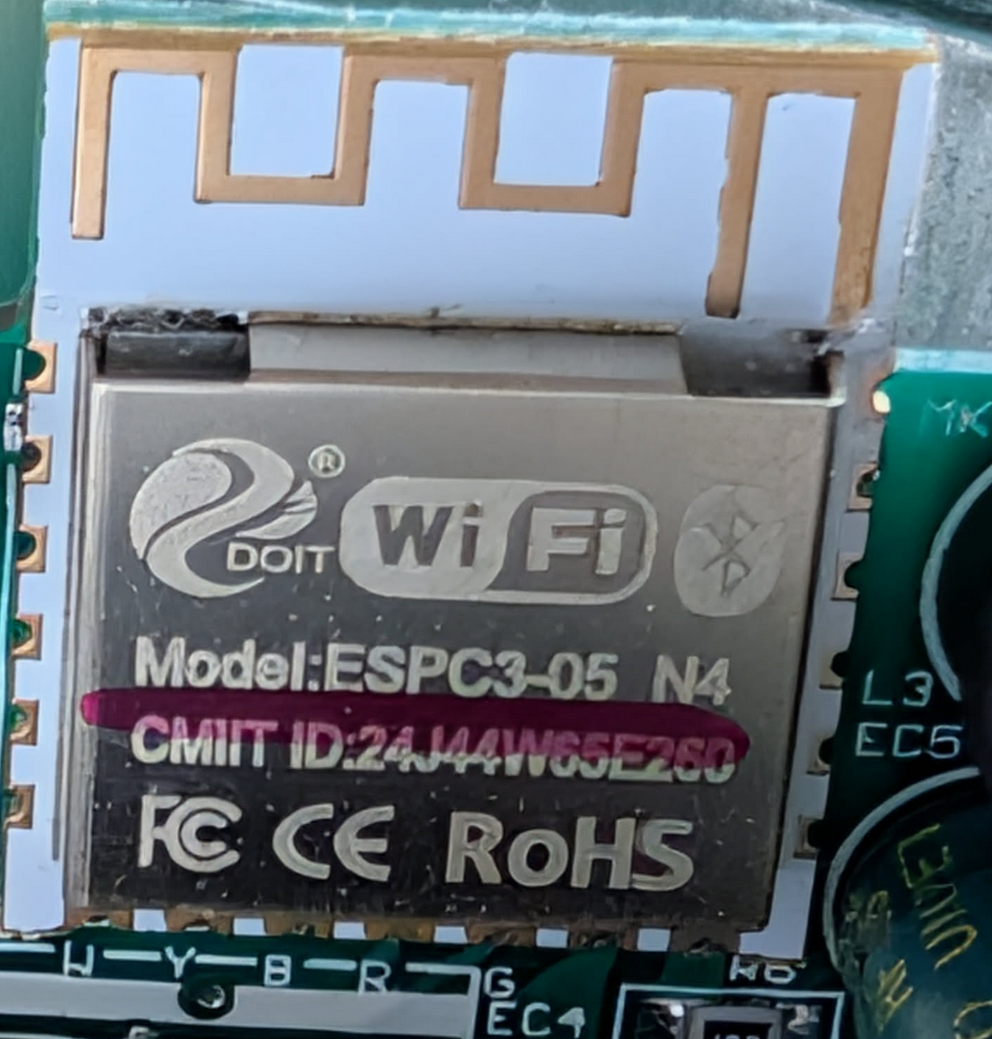
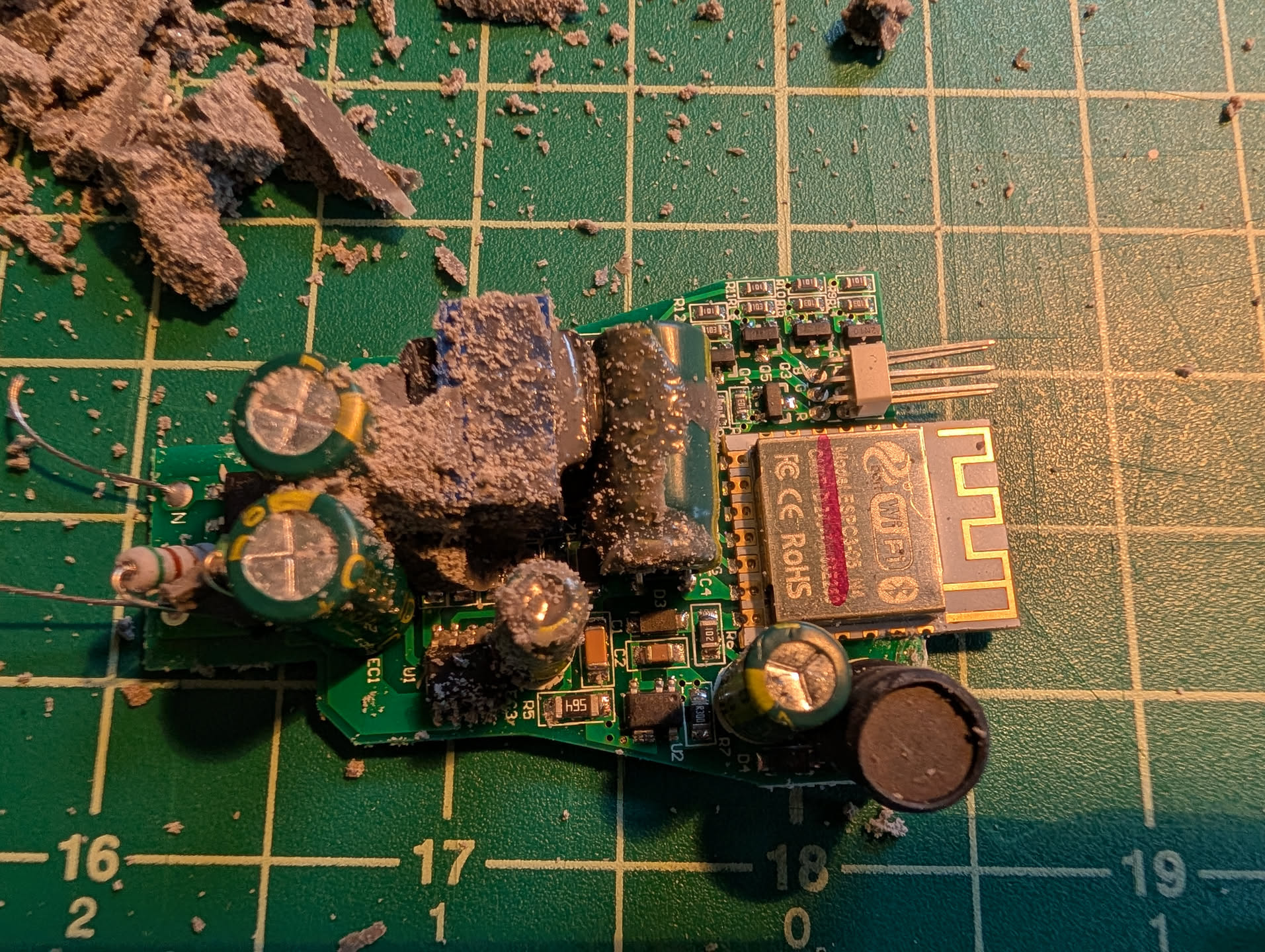
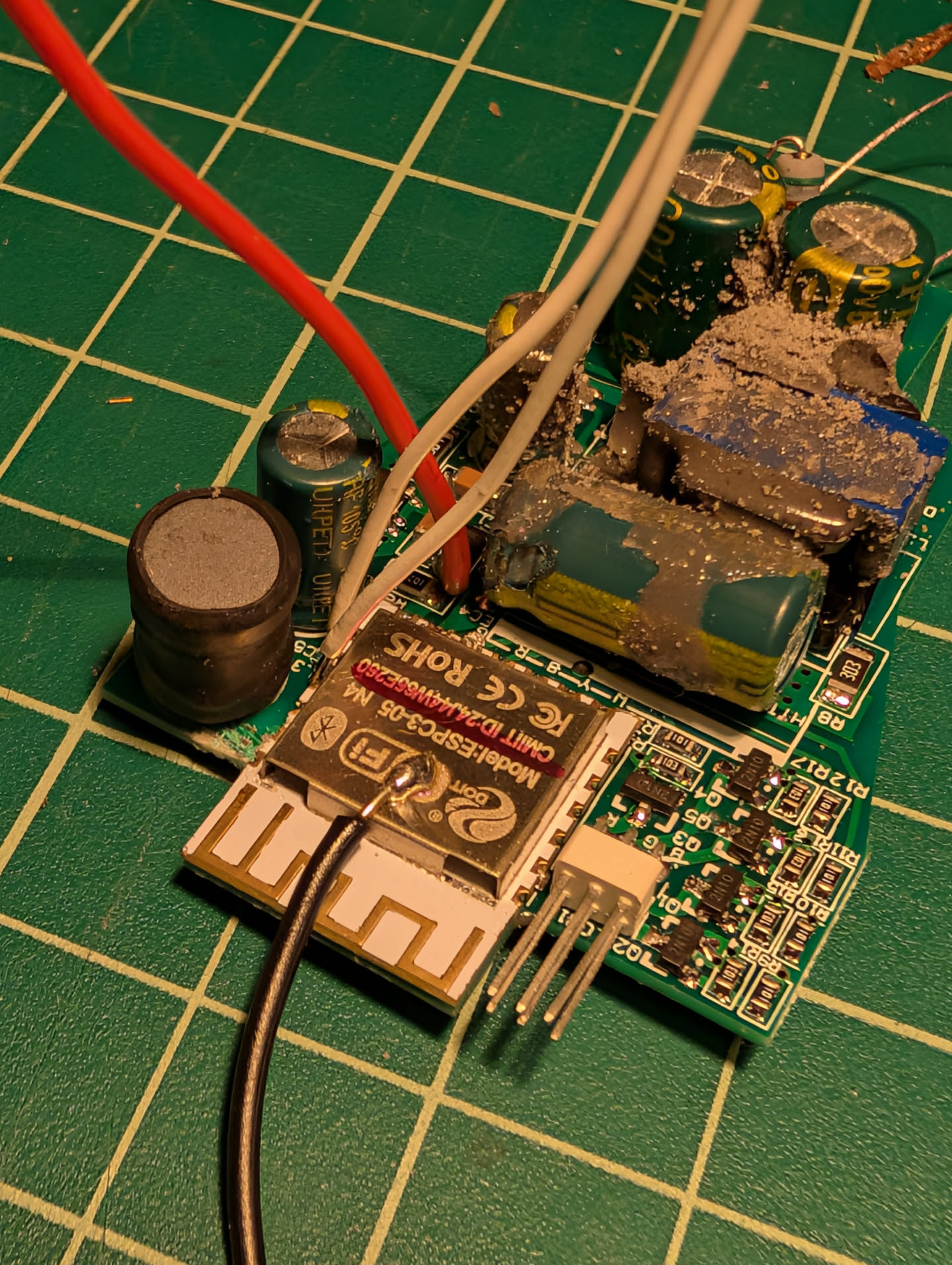
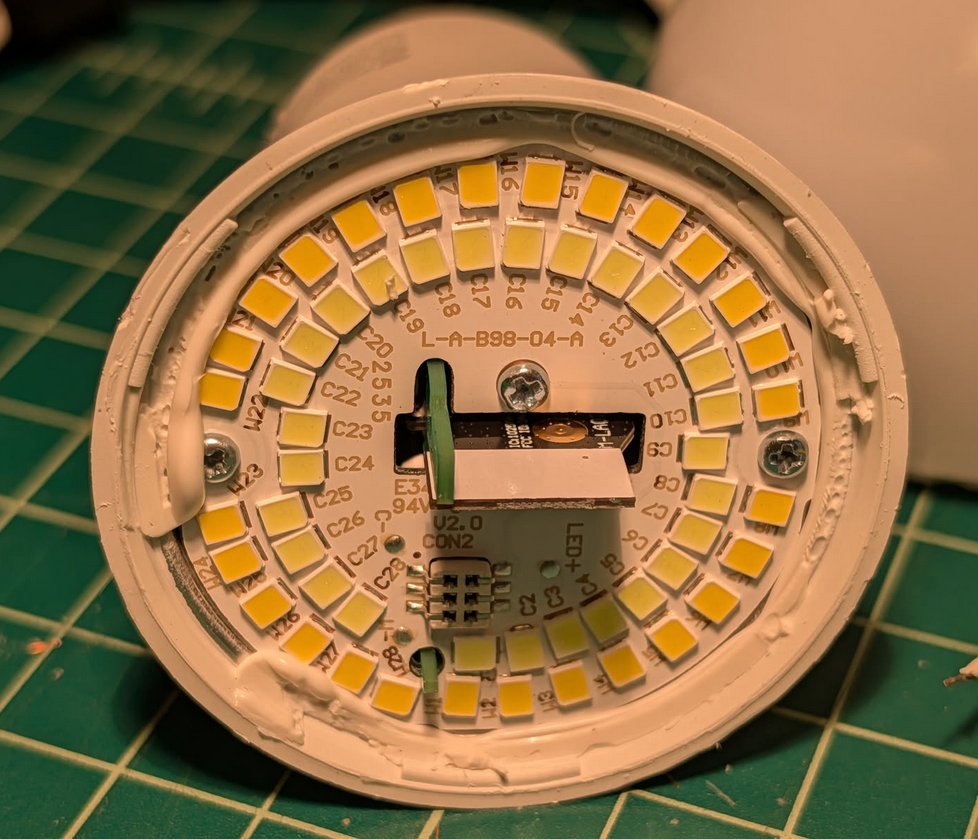
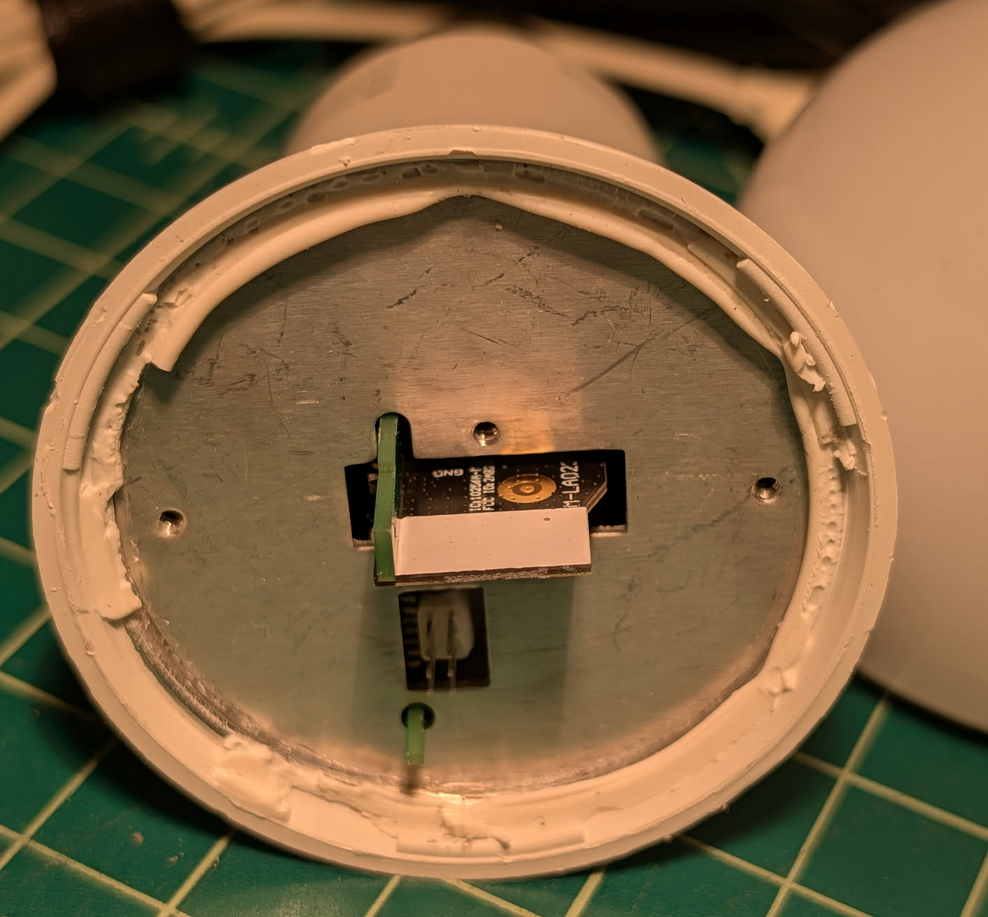
Osgood began by purchasing pre-flashed Tasmota bulbs from specialist vendors. The physical teardown revealed a complex, potted assembly. To gain access to the ESP32C3 chip, Osgood had to surgically remove the top plastic housing and chip away layers of rubbery potting compound—a process that highlighted the inherent difficulties in modifying mass-produced consumer electronics.
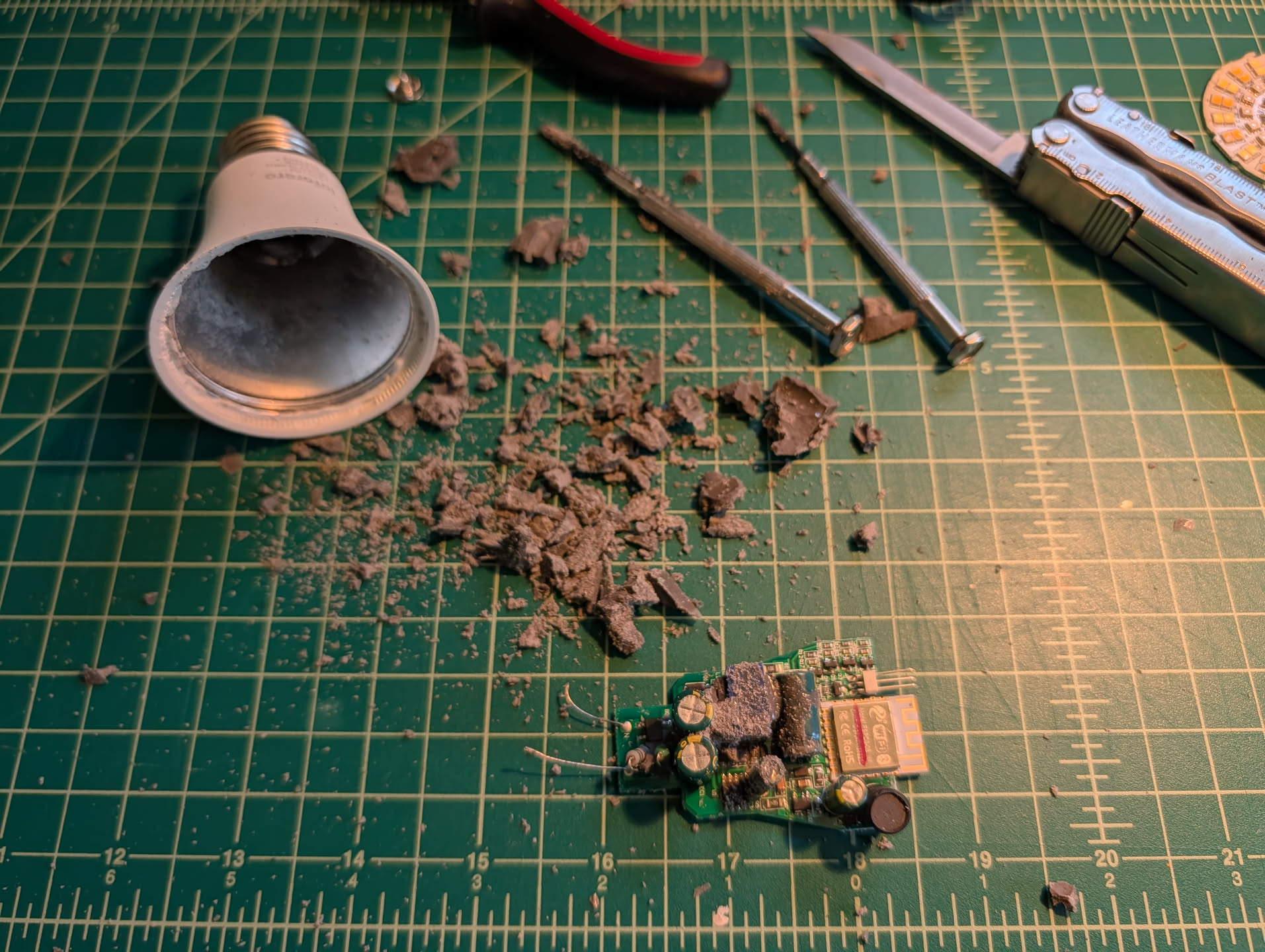
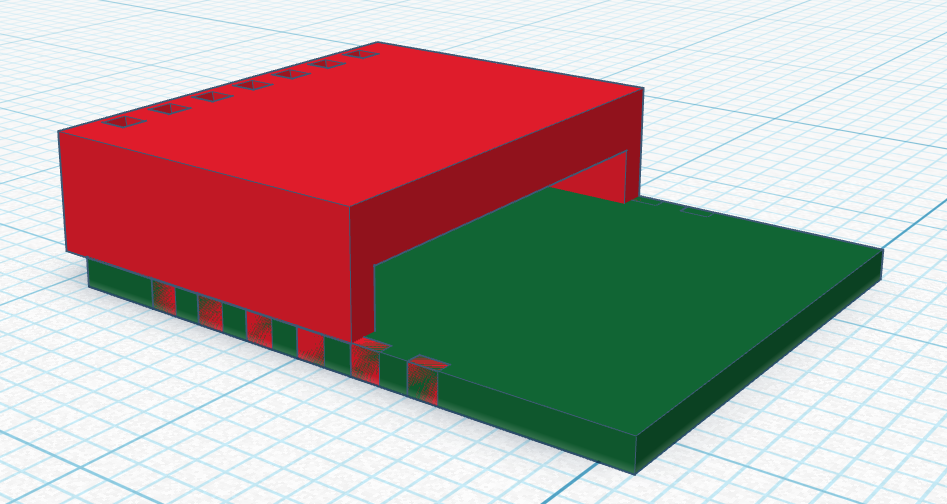
The initial goal was to attach a microSD card reader to expand storage capacity beyond the bulb’s native 4MB limit. However, the internal constraints—specifically the lack of accessible pins and the risk of rendering the device a fire hazard—forced a shift in strategy. Osgood pivoted from physical hardware expansion to software-based optimization.
Phase 2: Partition Engineering
With the 4MB storage limit acting as the primary bottleneck, Osgood turned to the ESP32’s partition table. By default, the device allocates large swathes of memory to redundant firmware copies and overhead. Using esptool and gen_esp32part.py, Osgood painstakingly reconfigured the device’s internal map, shrinking the primary application space to carve out a 2MB "SPIFFS" (LittleFS) partition. This space now houses the library’s web files and collection of e-books.
Phase 3: Firmware Development and Captive Portals
The project required a custom firmware that could function as a "captive portal"—the same technology used by hotels and cafes to redirect users to a login page. By configuring a DNS server that resolves every request to the device’s internal IP, Osgood ensured that any user who connects to the bulb’s open WiFi network is automatically greeted by the library’s interface, regardless of the URL they attempt to access.
Supporting Data: Technical Constraints
The hardware limitations imposed by the ESP32C3 are severe, yet they provide a unique philosophical constraint.
- Storage: The 4MB flash limit restricts the library to a small, curated collection. While this might appear to be a drawback, it forces the "librarian" to make meaningful choices about which texts are essential.
- Networking: The captive portal implementation mimics the behavior of major device manufacturers (Android, iOS, Windows), ensuring that when a user connects to the "Banned Book Library" WiFi, their phone automatically triggers a browser window.
- Power Management: The device maintains its primary function as a light source. Using the ESP32’s ability to send signals to the bulb’s internal transistors, Osgood implemented an administrative interface that allows the owner to adjust light temperature, ensuring the device remains indistinguishable from a standard smart bulb.
Implications for Digital Privacy
The project serves as a practical demonstration of how "sinister" IoT appliances—a term popularized by authors like Cory Doctorow—can be reclaimed. The implications are two-fold:
- Decentralized Access: By moving information from the cloud to the physical edge, the Banned Book Library creates a censorship-resistant network that does not rely on ISPs or centralized servers.
- The "Librarian" as Architect: The project shifts the role of the reader. In a centralized system, we consume what is curated for us. In Osgood’s model, the individual who hacks the bulb becomes the curator, deciding the intellectual landscape of their local environment.
Official Responses and Ethical Considerations
The "Banned Book Library" exists in a legal and technical gray area. While the project uses open-source tools, it involves the modification of consumer hardware that, according to some manufacturers’ Terms of Service, is intended to remain locked to their cloud ecosystems.
Furthermore, the act of distributing potentially banned or restricted material raises questions regarding intellectual property and regional law. Osgood remains transparent about the project’s purpose, emphasizing that this is a proof-of-concept for personal liberty. When asked about the potential for abuse, Osgood notes that the project is inherently local; it does not broadcast across the internet, meaning the scale of impact is limited to the physical vicinity of the light bulb.
Future Outlook: A Mesh of Knowledge
While Osgood has achieved a functional prototype, the project is far from static. Future iterations may explore:

- Mesh Networking: By allowing multiple bulbs to communicate, the library could theoretically expand. If one bulb hosts a section of a collection and another hosts another, a mesh network could allow users to access a wider, distributed catalog.
- Enhanced UI: Moving beyond simple text listings, Osgood plans to implement more sophisticated CSS-driven interfaces, including "glitch" effects and interactive navigation, to enhance the user experience.
The Banned Book Library is more than a novelty hack; it is a profound statement on the fragility of our digital archive. By reclaiming the hardware that surrounds us, Osgood demonstrates that even within the confines of a 4MB chip, the human impulse to share and preserve knowledge remains undiminished. As we continue to drift toward a future of centralized, monitored networks, these small, glowing beacons of rebellion offer a glimpse of an alternative: a world where the library is not a building, but a light bulb in every room.
 Ammar Sabilarrohman
  rifanmuazin
  Layla Zulfa