
 By Laily UPN
In the digital-first era, the distance between a brand and its customer has shrunk to the width of a smartphone screen. As consumers increasingly turn to Instagram, X, Facebook, and LinkedIn to voice their opinions, seek support, and discover new products, the traditional, siloed approach to customer relationship management (CRM) has become obsolete. Enter Social CRM—a strategic evolution that bridges the gap between historical customer data and the dynamic, real-time pulse of social media.

By integrating social media data into a central CRM system, organizations are moving beyond simple contact management to build holistic, living profiles of their customers. This transition represents more than just a software update; it is a fundamental shift in how businesses listen, engage, and grow.

The Core Concept: What is Social CRM?
At its simplest, Social CRM (short for Social Customer Relationship Management) is the practice of incorporating social media data into a traditional CRM workflow. While a legacy CRM tracks structured data—such as purchase history, email correspondence, and support tickets—a Social CRM platform captures the "unstructured" gold mine of social media: comments, mentions, direct messages (DMs), and public sentiment.
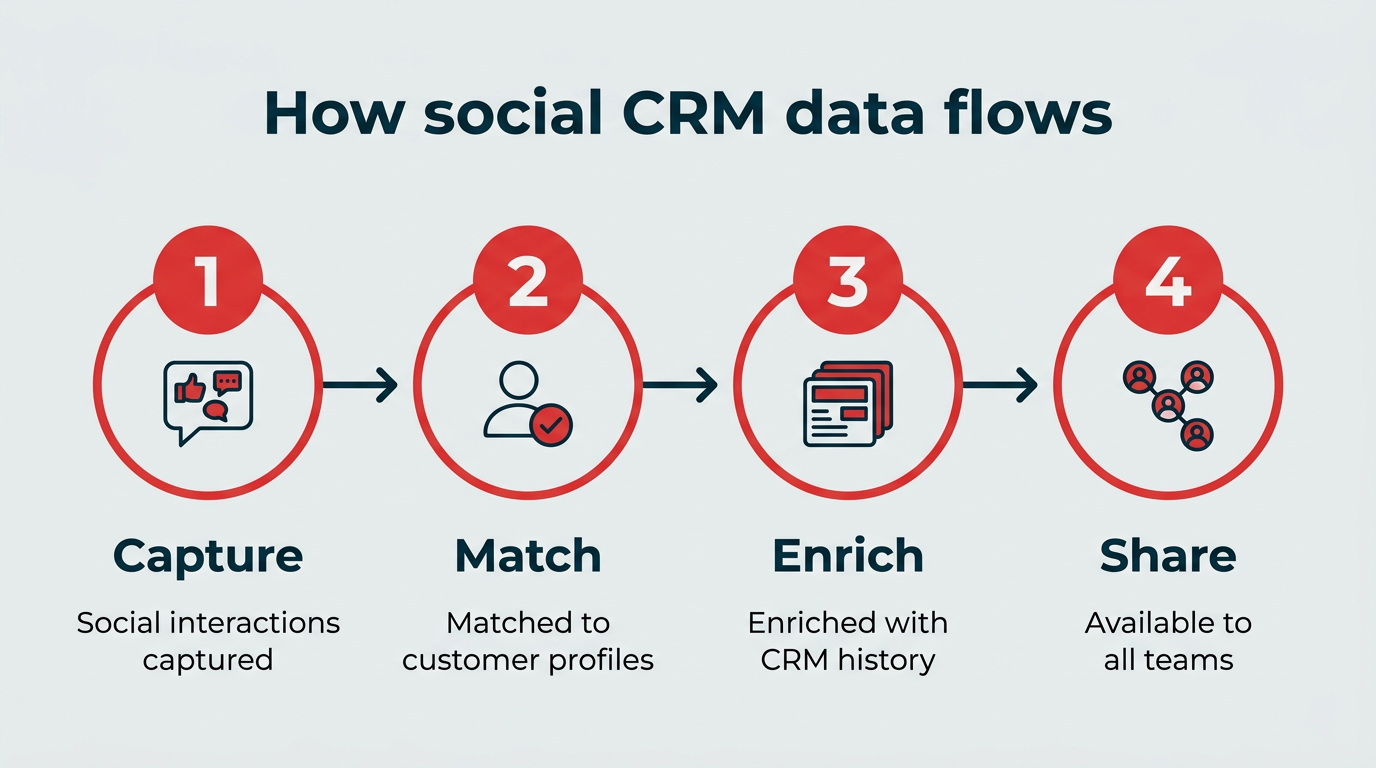
By merging these datasets, customer-facing teams—marketing, sales, and support—gain a 360-degree view of the individual. When a customer reaches out via a tweet or an Instagram DM, the brand no longer sees a stranger. They see a person with a history of past purchases, previous support inquiries, and established brand preferences. This level of context is the difference between a generic automated response and a meaningful, personalized interaction.
Chronology of Change: From Static Databases to Real-Time Relationships
To understand the necessity of Social CRM, one must look at the trajectory of business-to-customer communication:

- The Traditional Era (Pre-2000s): CRM was primarily a ledger. Businesses stored static information—names, addresses, and transaction logs. Communication was unidirectional and slow, relying on phone calls and letters.
- The Digital Transition (2000s–2010s): As email and web forms became standard, the volume of digital interaction increased, but it remained largely reactive. Companies stored "contact records," but these records were often disconnected from the public conversations happening on emerging social platforms.
- The Social CRM Era (2015–Present): With the rise of the "Social Customer," the definition of a relationship changed. Today’s consumers expect brands to be present where they are. Modern enterprises have realized that failing to integrate social data into the CRM creates a "blind spot," where customer loyalty is left to chance rather than strategy.
Supporting Data: The Cost of Ignoring Social Context
The shift toward Social CRM is driven by clear, empirical data. According to recent market research, the "intended-versus-actual" customer experience (CX) gap is widening, and social media is the primary battleground where this gap is won or lost.
- Responsiveness is a Dealbreaker: Data indicates that 53% of consumers cite timely replies to questions as the primary reason they follow a brand. Conversely, 28% of users will unfollow a brand that ignores negative feedback, and 32% will abandon a brand that fails to interact with their community entirely.
- The 24-Hour Rule: Roughly 48% of consumers expect a response to their social media inquiries within 24 hours. Without a Social CRM, maintaining this speed while ensuring high-quality, personalized answers is nearly impossible.
- Business ROI: Companies that bridge the gap between social metrics and business outcomes report significantly higher conversion rates. By linking a social comment to a specific customer profile, sales teams can move from "cold outreach" to "informed engagement," nurturing leads based on their expressed interests rather than demographic guesses.
How Social CRM Transforms Departmental Workflows
The beauty of a robust Social CRM strategy lies in its ability to synchronize disparate departments.

For Customer Service: The Power of Context
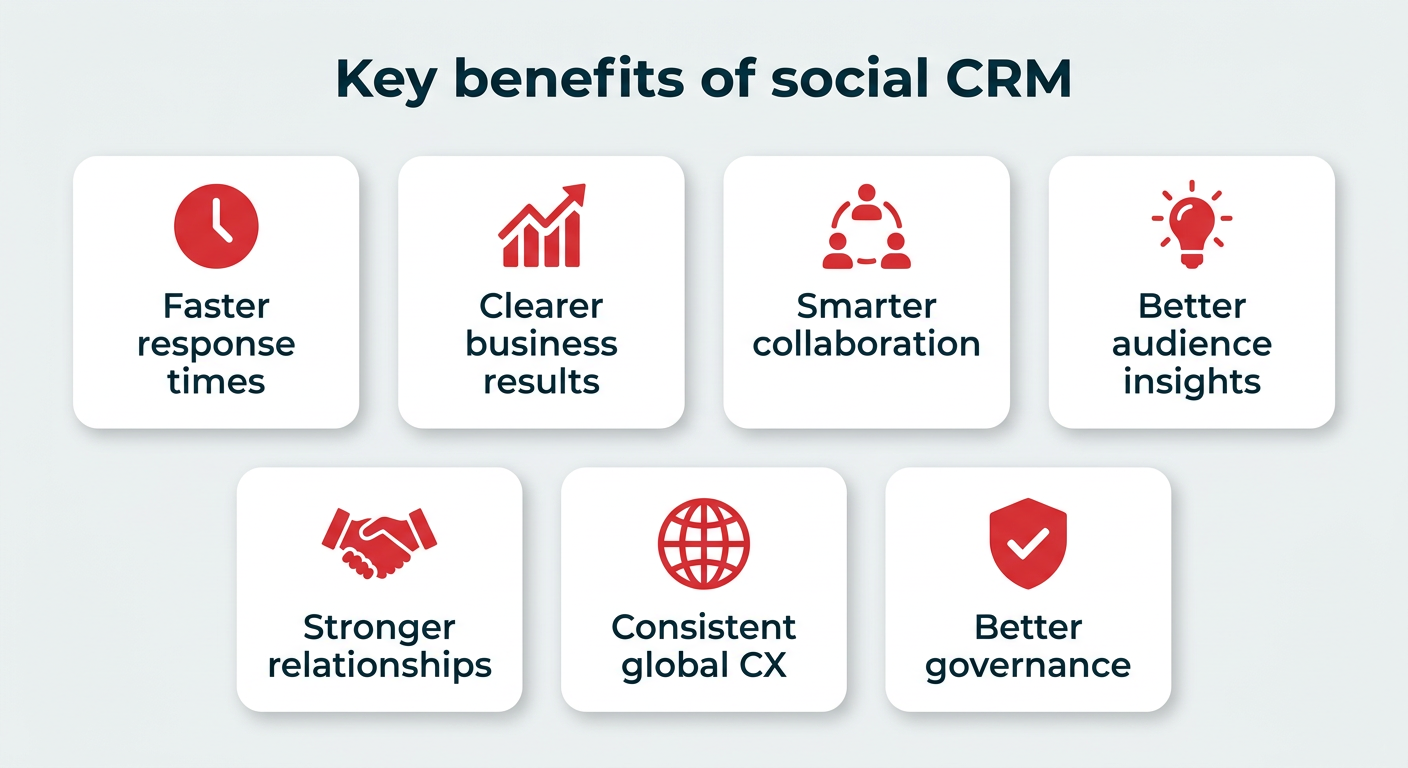
In a traditional support environment, a customer may need to explain their issue multiple times across different channels. With Social CRM, the support agent sees the "full picture." If a customer complains on Facebook about a faulty product, the agent can immediately cross-reference that with the customer’s purchase history. This enables a rapid, informed, and empathetic resolution that builds trust rather than frustration.
For Sales: Precision Lead Nurturing
Social media is rarely the place for a "hard sell," but it is the premier environment for relationship building. Social CRM allows sales teams to monitor social signals—such as a prospect asking for recommendations or expressing interest in a specific product category. This provides the "warm" opening needed to start a conversation that feels organic rather than invasive.
For Marketing: Data-Driven Content
Marketing teams often struggle with the "what" of content creation. By using social listening—a key component of Social CRM—brands can identify the exact pain points and interests of their audience. If analytics show a spike in questions regarding a specific product feature, the marketing team can pivot their strategy to create content that answers those questions directly, increasing relevance and engagement.
Official Perspectives: The Strategic Necessity of Integration
Leading industry experts and platforms like Hootsuite, Salesforce, and HubSpot emphasize that Social CRM is no longer an optional "extra"—it is the backbone of the modern customer-centric organization.

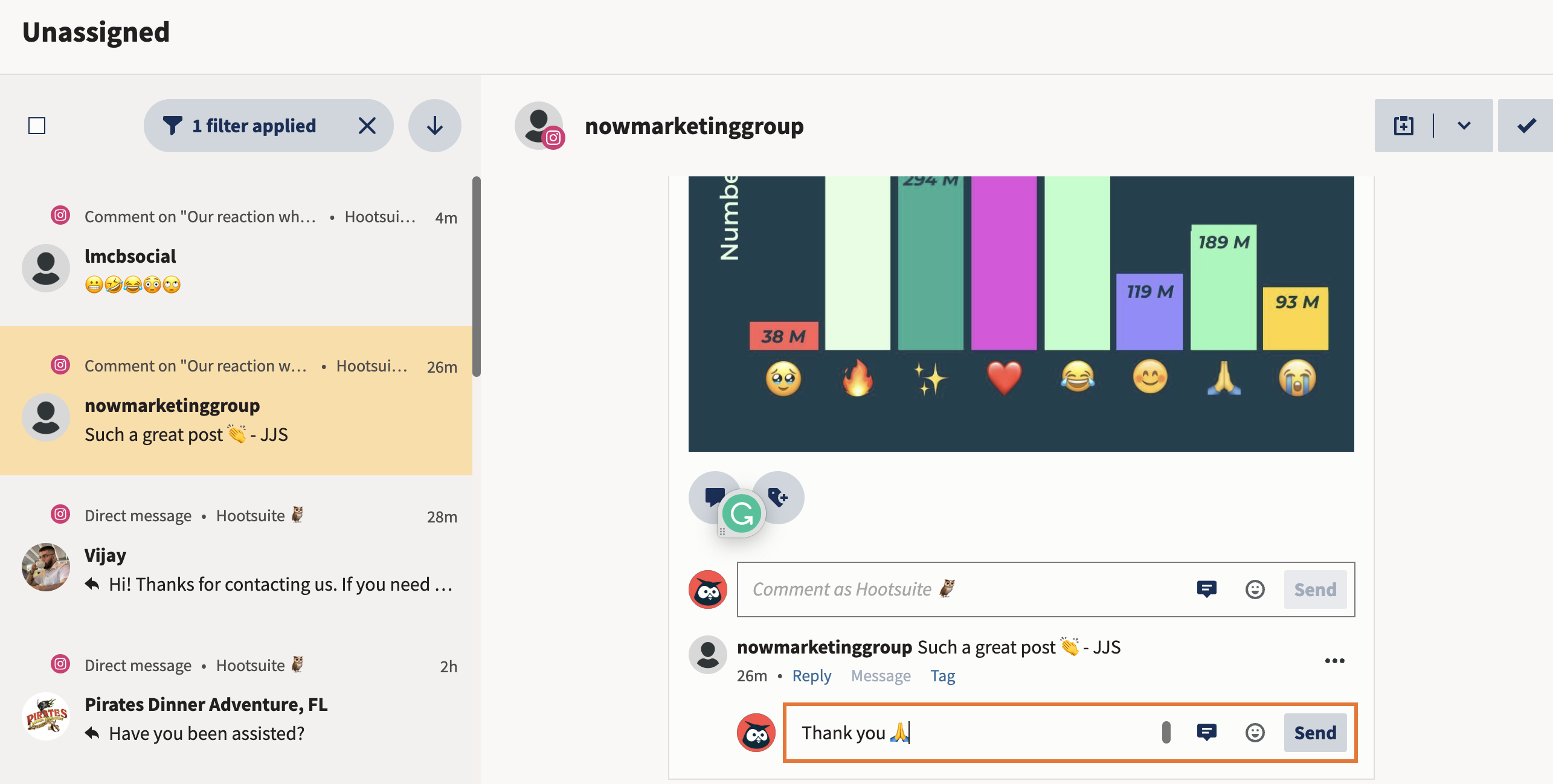
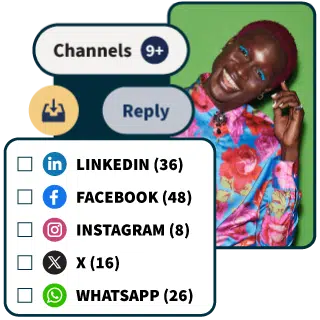
As platforms like Hootsuite have demonstrated, the integration of an "Inbox 2.0" into a CRM ecosystem allows for seamless routing of messages to the right team member. This reduces the burden on staff and ensures that no lead or support ticket goes unanswered.
HubSpot and Salesforce have further solidified this trend by building "Smart CRMs" that use AI to predict customer intent. By analyzing social activity alongside CRM data, these tools offer recommendations on when to reach out and what content is most likely to resonate. The consensus among these industry leaders is clear: the brands that win will be those that treat social media as an extension of their database, not as a siloed marketing channel.

Implications for the Future: Governance and Scalability
While the benefits are clear, the path to implementation is not without challenges. Businesses must account for:

- Data Governance: Managing unstructured data requires robust privacy protocols. As brands collect more social data, they must ensure compliance with global regulations like GDPR and CCPA.
- Cross-Team Alignment: A tool is only as good as the team using it. Implementing Social CRM requires a cultural shift where marketing, sales, and support agree on shared routing rules and response guidelines.
- Scalability: As a brand grows, the volume of social mentions can become overwhelming. Investing in AI-driven tools that can filter, categorize, and prioritize interactions is essential to preventing burnout and ensuring high-value customers get the attention they deserve.
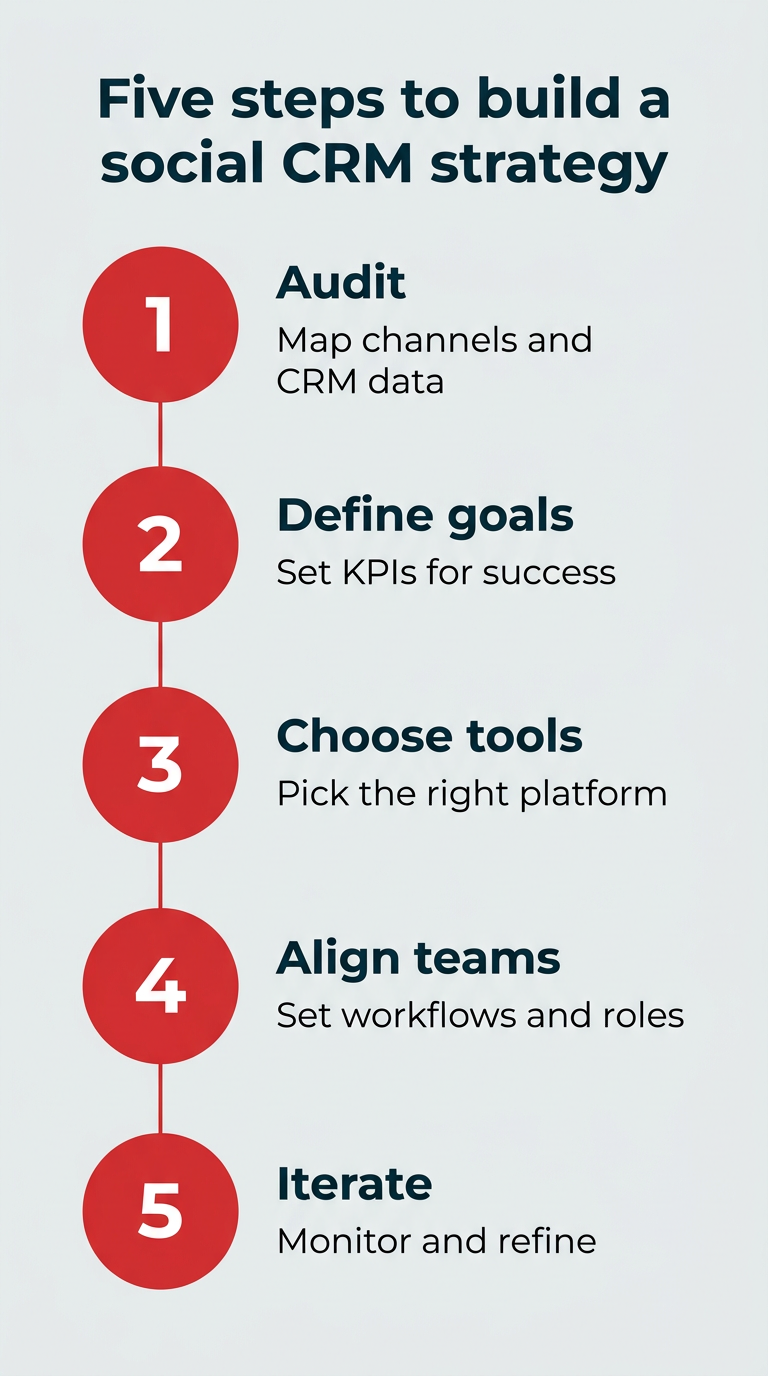
The Path Forward: A Five-Step Framework
To successfully deploy a Social CRM strategy, organizations should follow this roadmap:

- Audit: Map your current social channels against the data currently living in your CRM. Identify the gaps.
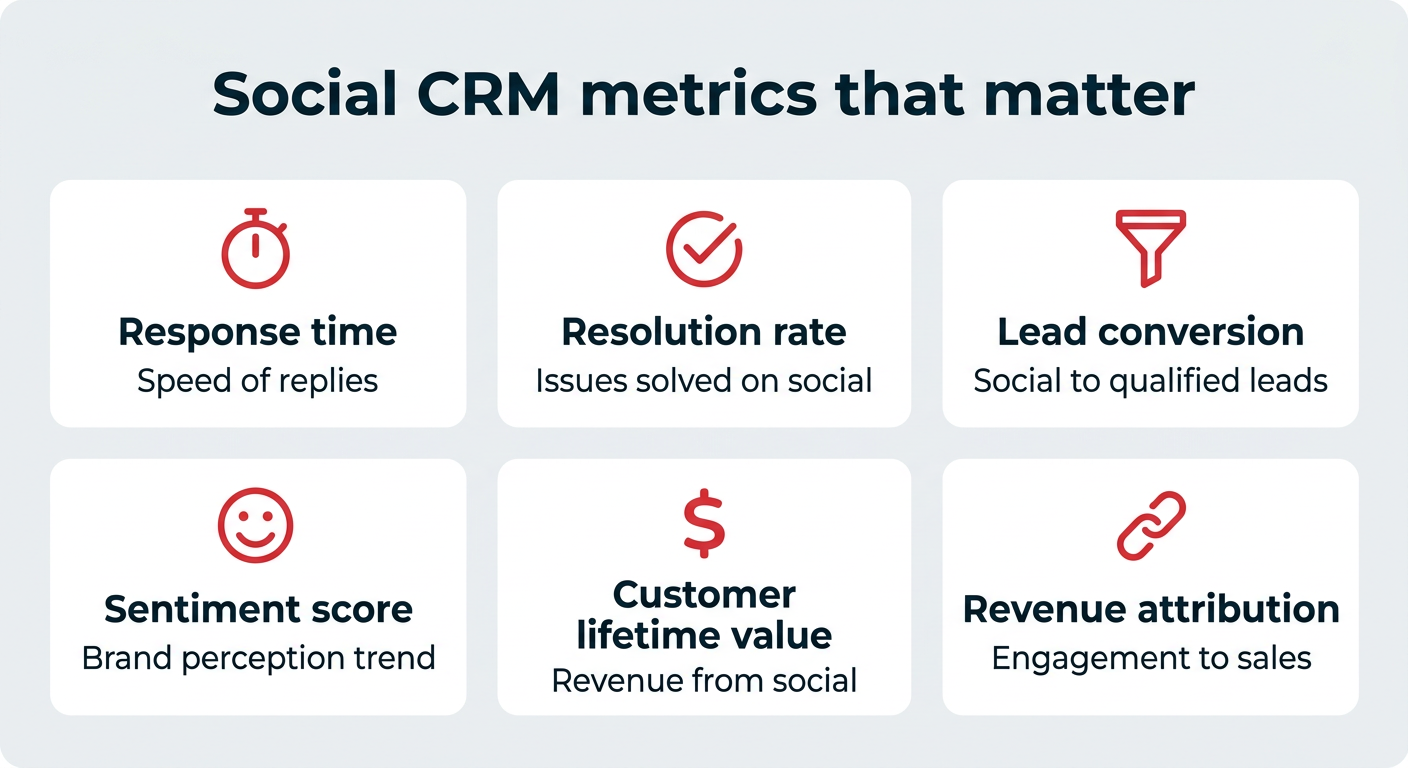
- Goal Setting: Define KPIs. Are you trying to reduce response time by 20%? Are you aiming to increase lead conversion from social channels by 10%?
- Tool Selection: Choose a platform (such as Hootsuite, Salesforce, or Dynamics 365) that offers native or seamless integration between your social monitoring and your CRM database.
- Workflow Alignment: Define which team is responsible for which type of interaction. Ensure that a "Sales Lead" identified on Twitter is automatically routed to the correct sales rep.
- Iteration: Review your performance monthly. The social landscape changes rapidly; your CRM strategy must be agile enough to pivot based on what the data tells you.
Conclusion
The era of anonymous, transactional relationships is coming to an end. Today’s consumers communicate with brands through a mosaic of platforms, expecting a consistent, recognized, and personalized experience every time they click "send."

Social CRM provides the structure to make this possible. By synthesizing real-time social engagement with deep historical context, businesses can transform fleeting interactions into long-term, loyal relationships. Whether you are a small business looking to improve response times or an enterprise seeking to unify global customer experiences, the message is the same: in a social world, your CRM is only as smart as the data you give it. It is time to start listening.
 Lina Irawan
  Nana Muazin
  Nila Kartika Wati