
 By Asep Darmawan
Close your eyes and visualize the quintessential fashion of the 1980s. You likely see neon leg warmers, structured shoulder pads, and teased hair. Move to the 90s, and the image shifts to distressed flannel, slip dresses, and minimalist grunge. The 2000s conjure visions of velour tracksuits and the polarizing return of low-rise denim. These eras possess a distinct visual shorthand—a cultural consensus that allowed society to categorize fashion by the decade.
However, if you attempt to pin down the "look" of the 2010s, the mental image becomes murky, oscillating between colored leggings, "hipster" glasses, and the rise of fast-fashion streetwear. When we look at the 2020s, that clarity evaporates entirely. We have moved from a system of singular, decade-defining icons to a fragmented landscape of infinite, hyper-specific micro-trends. This shift, driven by the digital revolution, has fundamentally altered our relationship with our wardrobes, our sense of individuality, and the health of the planet.
The Chronology of Trend Acceleration
Historically, fashion operated on a cyclical, predictable cadence. A trend would be born on the runways of Paris or Milan, trickle down through high-end magazines, be adopted by the cultural elite, and eventually reach the mass market. This process—the "trickle-down theory"—typically spanned fifteen to twenty years. A style would spend years in the introduction phase, rise to cultural prominence, plateau, and eventually fade into obsolescence before being recycled by a future generation.
Today, those cycles are being compressed into months, or sometimes weeks. This "speed-run" approach to style is a direct byproduct of the internet. As digital connectivity surged over the last quarter-century, the gatekeepers of fashion—editors, critics, and luxury houses—lost their monopoly on taste. In the modern era, 42% of Gen Z consumers cite social media platforms like TikTok and Instagram as their primary source of fashion inspiration. The runway is no longer the starting line; the "For You" page is.
Supporting Data: The Digital Influence
The shift in how we consume fashion is mirrored by staggering digital engagement statistics. With over 5.17 billion people worldwide using social media and the average user spending more than two hours a day scrolling, the exposure to global aesthetic variety is unprecedented.
The demographics of these platforms highlight why this shift is so pervasive. Instagram boasts over 3 billion monthly active users, with Gen Z representing nearly a third of that base. TikTok, the engine of modern micro-trends, hosts 1.9 billion monthly active users, predominantly from the same generation. Pinterest, which serves as a digital mood board for millions, reports that 42% of its 553 million users are Gen Z, specifically utilizing the platform to curate their personal visual identity.
This constant influx of content creates a paradoxical environment. While younger generations are inundated with thousands of style choices daily, the pressure to maintain a unique "individual" identity has never been higher. When 71% of Gen Z prioritizes personality as the cornerstone of their style, yet everyone is exposed to the same viral algorithms, the result is not a uniform "look," but a frantic race to find ever-more specific "aesthetic niches."
The Rise of the "Core" Culture
In the absence of a unified fashion identity for the 2020s, the concept of the "aesthetic" has stepped in to fill the void. To the uninitiated, an aesthetic is simply a noun for a set of principles guiding an artistic movement. In the digital fashion lexicon, however, an aesthetic is a curated visual identity that defines one’s entire lifestyle.
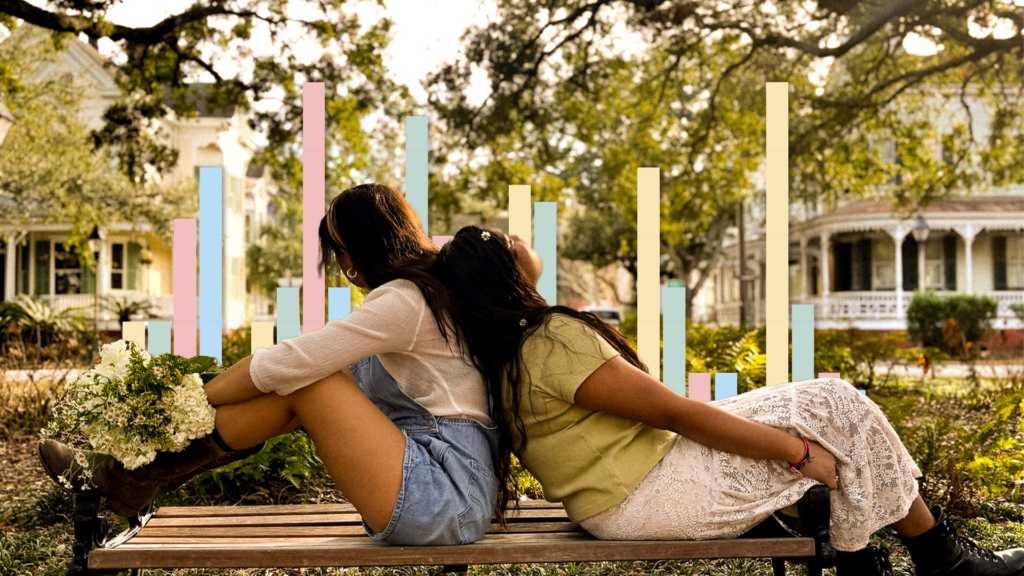
According to the Copenhagen Fashion Summit, there are dozens of active, distinct aesthetics currently circulating. From "Cottagecore"—a 2019-born movement romanticizing rural life, gardening, and earth-toned linens—to "Dark Academia," these styles act as identity markers. They are not merely clothes; they are performance art.
The longevity of these trends varies, but their specificity is increasing. According to Depop’s 2024 Trend Report, the highest search volumes were driven by highly granular categories:
- Contemporary Classics: An evolution of "old money" aesthetics, blending Ivy League sensibilities with rural, stable design.
- Minimalist Renaissance: A reaction against trend-churn, focusing on craftsmanship, tailoring, and neutral palettes.
- Retro Sportswear: A nostalgia-heavy blend of 80s and 90s athletic gear, fueled by the real-world resurgence of recreational sports like pickleball.
- Indie Vanguard: A bold, chaotic reimagining of 2010s "indie sleaze," characterized by punk-grunge influences and the maximalist energy seen in performers like Charli XCX.
These aesthetics allow individuals to curate their persona with surgical precision, yet they often exist as transient bubbles of interest that pop as quickly as they form.
Official Responses and Industry Shifts
The fashion industry has had a complicated relationship with this acceleration. Major retailers, once slow to pivot, have embraced ultra-fast manufacturing models to keep pace with social media. However, the environmental cost of this "speed-run" fashion is becoming impossible to ignore. The fast-fashion sector, which relies heavily on synthetic materials like polyester, is responsible for up to 10% of annual global carbon emissions. The cycle of "buy, post, discard" leads to millions of tons of textile waste entering landfills and oceans annually.
There are, however, signs of a structural correction. While the industry is still reeling from the high-volume model, consumer sentiment is shifting. Data from 2024 and 2025 indicates a significant cooling of interest in hyper-fast fashion giants. For instance, downloads for major ultra-fast fashion apps saw a near 50% decline in the mid-2020s compared to previous years. This suggests that the "trend-churn" model may be hitting a ceiling. Younger consumers are increasingly turning to the secondhand market, prioritizing durability and sustainable curation over the ephemeral thrill of a viral haul.
Implications: Where Does Fashion Go From Here?
The implications of this shift are profound. We have effectively traded the "decade-defining style" for a "thousand niches." While this offers unprecedented freedom for individual expression, it creates a fragmented culture where there is no longer a shared visual language.
The "death of the decade" means that we are no longer looking back at the 2020s as a singular entity. Instead, future historians will look back at this era as a chaotic, kaleidoscopic collage of competing aesthetics. The environmental crisis forced by fast fashion is the most urgent byproduct of this fragmentation, and the market’s pivot toward sustainability is the first step in a long, necessary maturation.
As we move toward the latter half of the decade, the question is not what the next big "trend" will be, but rather how we can reclaim fashion as a medium of art and utility rather than a disposable commodity. The internet gave us the world’s wardrobe at our fingertips, but it also taught us that just because we can have everything, doesn’t mean we should. The future of fashion, it seems, lies not in the next viral niche, but in the conscious, curated return to personal longevity.
 Lina Irawan
  Nana
Nana  Nila Kartika Wati