
 By Iffa Jayyana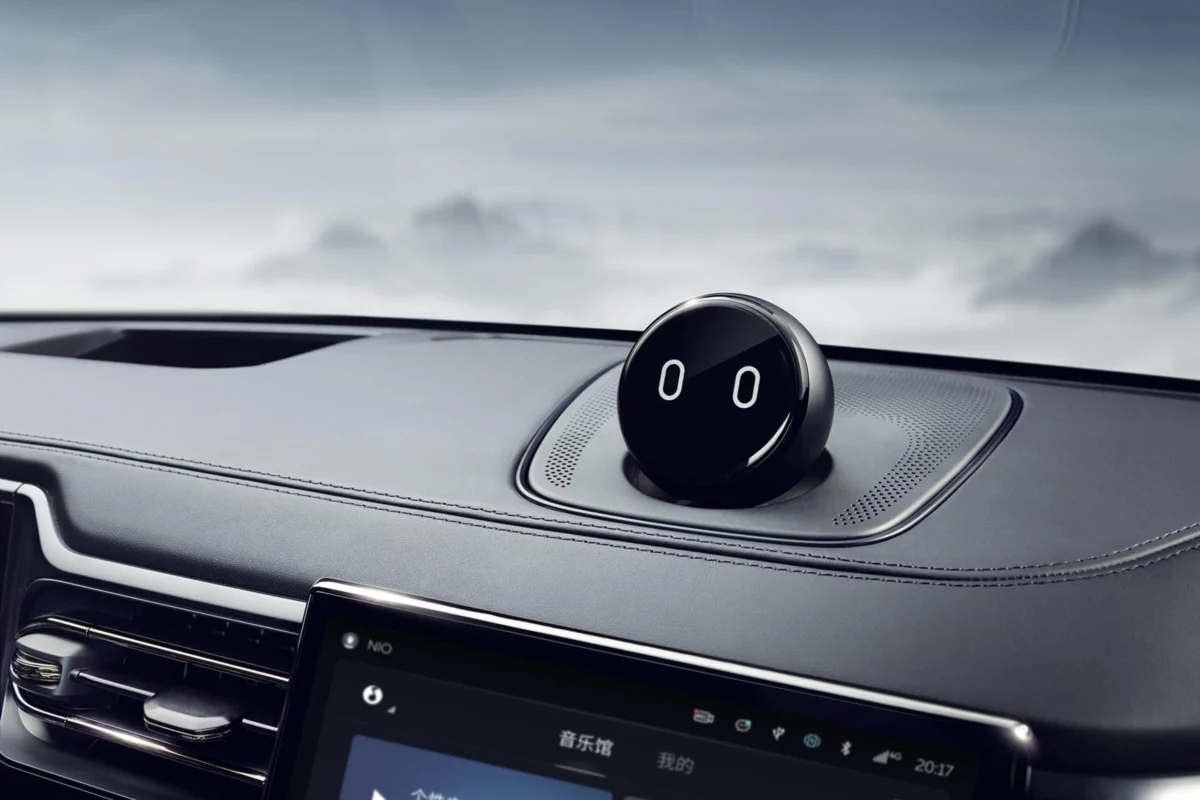
Introduction: The Adorable Invasion of AI Mascots
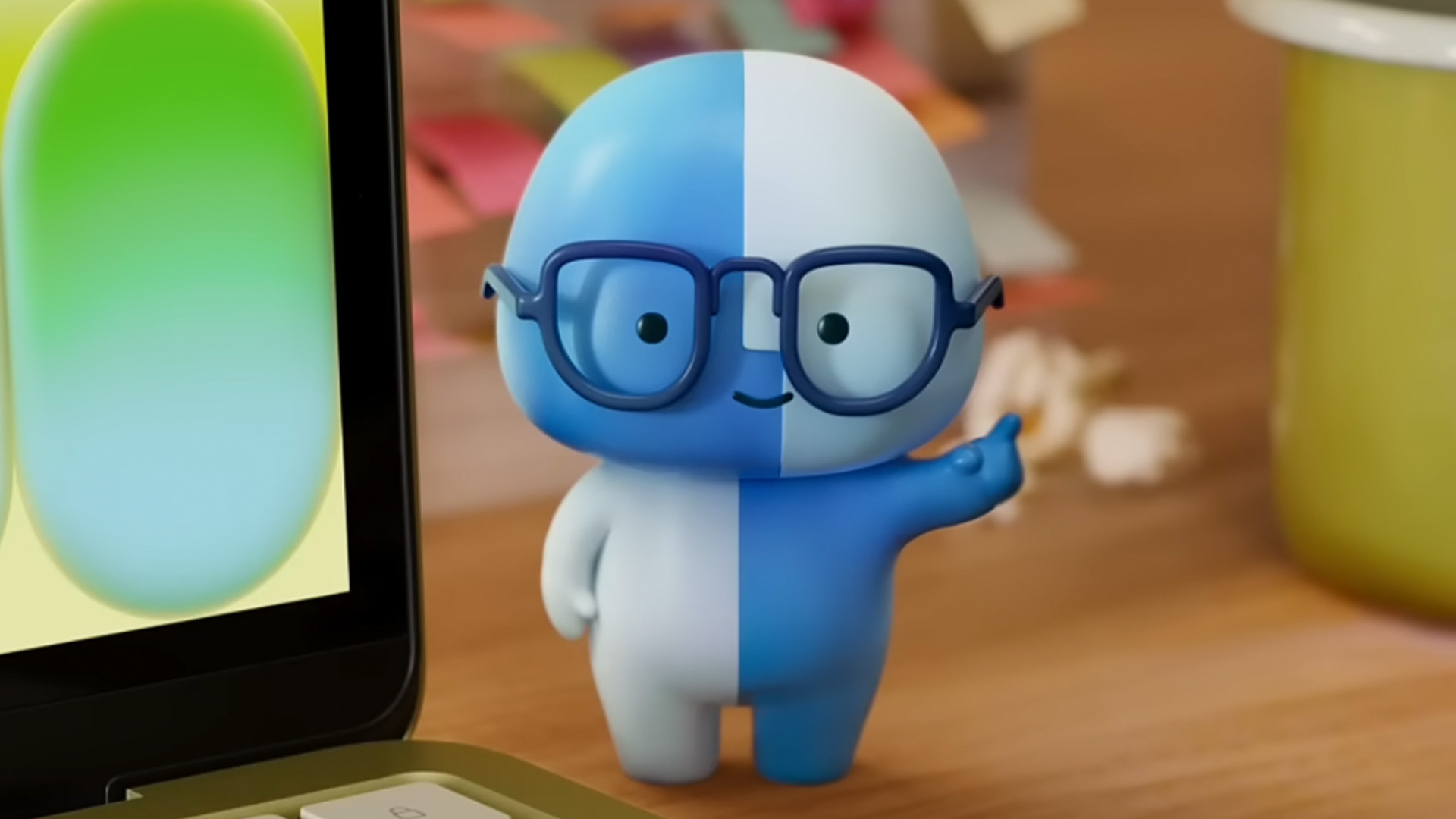
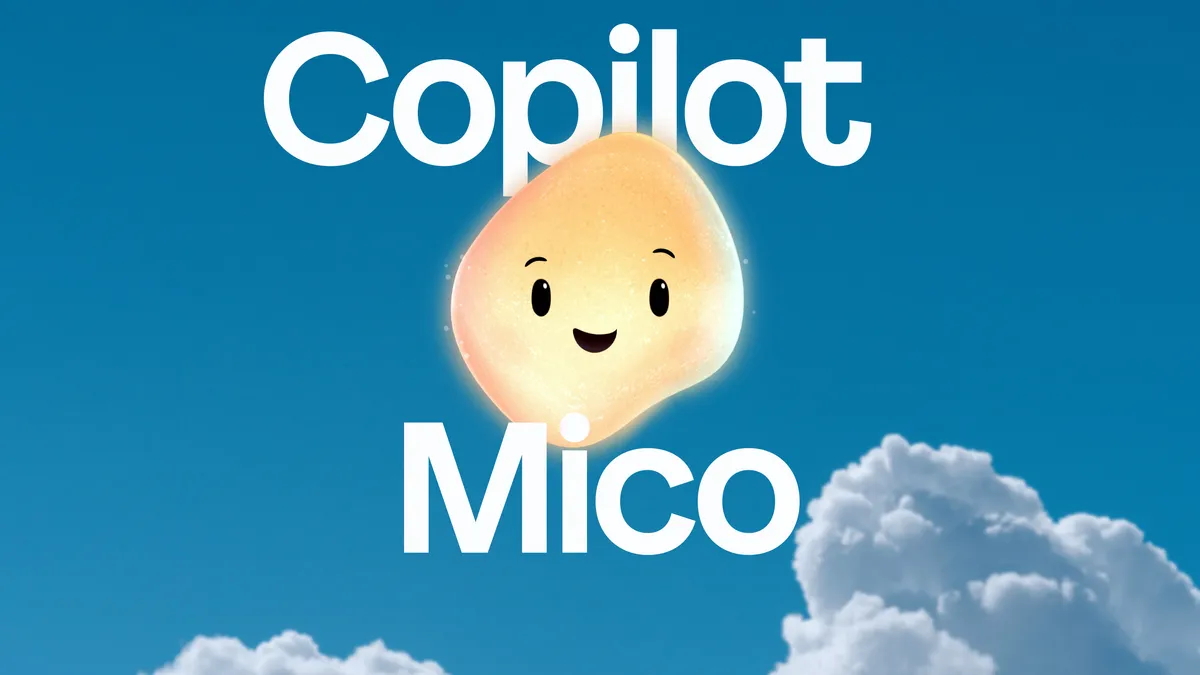
In an era increasingly defined by artificial intelligence, a curious and captivating trend is sweeping across the tech landscape: the proliferation of cute, anthropomorphic AI mascots. From the playful pixelated puppy, Mico, introduced by Microsoft for its AI design assistant, to Apple’s familiar "Little Finder Guy" now animated with a welcoming wave on Mac screens, and even Mozilla joining the fray, these digital characters are rapidly becoming the friendly faces of complex algorithms. This surge in AI personification, however, raises a critical question: are these charming avatars genuinely fostering trust and enhancing user experience, or are they merely a superficial mask designed to alleviate growing anxieties about opaque AI systems?
The phenomenon is not entirely new, but its current manifestation is particularly potent given the rapid advancement and pervasive integration of generative AI. Companies are investing heavily in these characters, hoping to bridge the perceived gap between advanced technology and human understanding. Yet, as these digital companions become ubiquitous, industry experts and consumers alike are scrutinizing their true impact, questioning whether a smiley face can truly build the profound trust required for human-AI interaction or if it risks becoming a mere corporate facade.
A Legacy of Loyalty: Mascots Through the Ages
The strategic use of mascots in brand building is a time-honored tradition, deeply rooted in marketing psychology.
From Print to Pixels: The Evolution of Brand Personification
For over a century, mascots have served as powerful conduits for brand identity, imbuing inanimate products or abstract services with personality, relatability, and memorability. Iconic figures like the Michelin Man, the Pillsbury Doughboy, and Ronald McDonald have transcended mere advertising tools to become cultural touchstones, fostering emotional connections and building deep-seated brand loyalty. Research highlighted in a BBC report, even before the current generative AI boom, found that campaigns featuring mascots were an impressive 37% more likely to grow market share. This enduring effectiveness stems from our innate human tendency to connect with characters, to imbue them with traits and stories, making complex entities more approachable and trustworthy.
However, the journey of digital mascots has not been without its cautionary tales. Microsoft’s infamous Clippy, the animated paperclip assistant in Microsoft Word during the late 1990s, serves as a prime example of both the potential and pitfalls of digital personification. Intended to be helpful and friendly, Clippy often became an intrusive and irritating presence, its well-meaning suggestions frequently missing the mark. Its eventual demise taught the industry valuable lessons about context, user control, and the fine line between assistance and annoyance. Clippy’s legacy underscored that simply slapping a cute, animated face onto an interface is insufficient; true success lies in seamless integration, genuine utility, and a deep understanding of user needs and preferences.
The Digital Frontier: Why AI Needs a Face
The contemporary wave of AI mascots emerges from a different, yet equally compelling, imperative. As AI systems become increasingly sophisticated, capable of processing vast amounts of data, generating creative content, and performing complex tasks, their inner workings remain largely opaque to the average user. This "black box" nature of AI, coupled with growing public concerns about data privacy, algorithmic bias, and job displacement, has fueled a pervasive sense of mistrust and unease towards big tech companies.
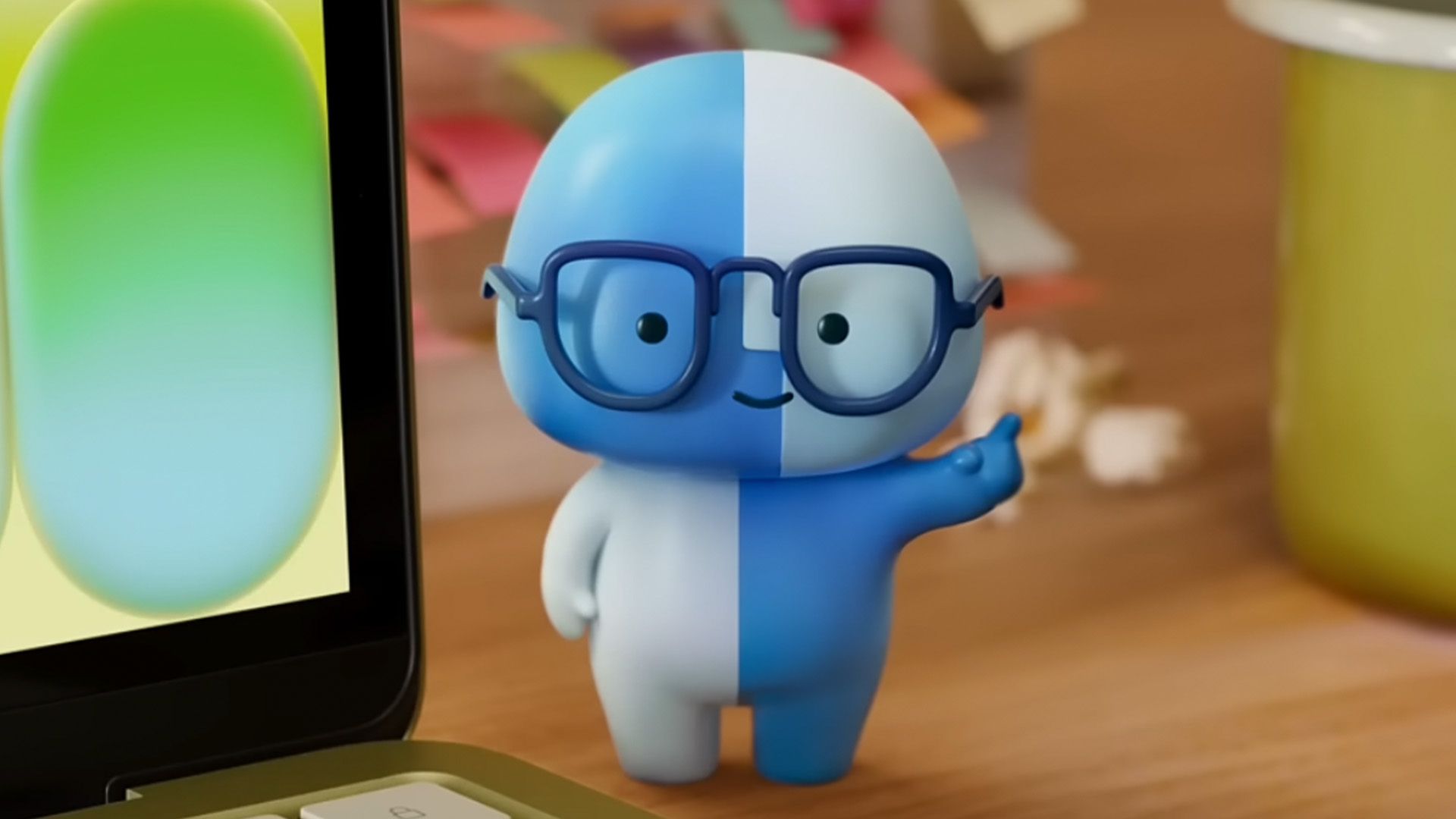
In this context, AI mascots are positioned as a crucial interface, a friendly intermediary designed to demystify complex technology and humanize the interaction. Microsoft’s Mico, for instance, aims to make AI design assistance feel collaborative and intuitive, while Apple’s Little Finder Guy seeks to personalize the Mac experience, transforming a utilitarian operating system function into an engaging, interactive element. These mascots are not just decorative; they are strategic attempts to make advanced AI feel less like an intimidating machine and more like a helpful, understanding assistant. Their presence on our screens, in our cars, and potentially in every smart device, represents a conscious effort by tech giants to reshape public perception and build a softer, more approachable image for their powerful AI offerings.
The Psychology of Connection: Why We Love (or Distrust) Digital Characters
The effectiveness of AI mascots is deeply rooted in fundamental psychological principles.
Anthropomorphism and the Promise of Familiarity
At the heart of our connection with mascots lies anthropomorphism – the attribution of human characteristics, emotions, and intentions to non-human entities. Humans are naturally inclined to anthropomorphize, a cognitive shortcut that helps us understand and predict the behavior of the world around us. When an AI system is given a name, a face, and a personality, it becomes easier for users to relate to it, to understand its actions, and to feel a sense of connection. This process can reduce cognitive load, making complex interactions feel simpler and more intuitive.
For AI, which often operates on principles far removed from human intuition, anthropomorphism can serve as a vital bridge. A mascot can embody the brand’s values, communicate its purpose, and even express simulated empathy, making the user experience feel more personal and less transactional. This familiarity can be particularly powerful in building initial engagement and encouraging users to explore features they might otherwise find daunting. The promise of a friendly, consistent presence can alleviate the intimidation often associated with cutting-edge technology, fostering a sense of comfort and control.
The Double-Edged Sword: Trust, Transparency, and the Uncanny Valley
However, the very psychological mechanisms that make mascots effective also harbor potential pitfalls. The BBC report, while highlighting the market share benefits of mascots, also sounded a note of caution: the current surge in big-tech mascots coincides with a period of growing mistrust in these same companies. If users already harbor deep-seated fears about opaque AI systems, is merely adding a "smiley face" truly building trust, or is it simply acting as a veneer, a cheerful mask for deeper, unresolved anxieties?
This concern points to a crucial distinction between genuine trust and superficial charm. Authentic trust is built on transparency, reliability, and ethical conduct. If a cute mascot is deployed to front an AI system that is still biased, insecure, or manipulative, the mascot risks becoming a symbol of deception rather than connection. The disconnect between a friendly facade and a problematic backend can exacerbate mistrust, making users feel patronized or even manipulated.
Furthermore, designers must navigate the treacherous waters of the "uncanny valley." This concept describes the unsettling feeling of revulsion or unease that arises when non-human entities (like robots or animated characters) appear almost, but not quite, human. While current AI mascots often lean into stylized, cartoonish aesthetics to avoid this effect, the risk remains if companies push for overly realistic or emotionally manipulative designs. The goal should be to create characters that are relatable and engaging, not creepy or disingenuous. The real challenge, therefore, is to ensure that the mascot’s personality and purpose are deeply integrated with the AI’s functionality and ethical framework, rather than being a mere afterthought or a marketing gimmick.
Beyond Cuteness: Designing AI Mascots for Enduring Relationships
For AI mascots to be truly successful and not just fleeting novelties, their design must transcend superficial aesthetics and delve into the complexities of human-computer interaction and long-term engagement.
The "Hiring a Person" Paradigm: Insights from forpeople
As articulated by Patrick, who leads the creative team at forpeople, an independent global creative studio, the crucial question for designers is not merely whether a mascot looks "cute or creepy," but "whether it can foster a long-term relationship." Drawing from years of experience in designing AI-driven brand experiences and physicalized companions, forpeople advocates for a paradigm shift: treating the design of an AI mascot akin to "hiring a person" for a vital role within a brand.
This approach begins by rigorously defining the mascot’s role:
- Problem Solving: What specific user challenges is this AI entity designed to address? Is it simplifying complex tasks, providing proactive assistance, offering creative inspiration, or guiding users through intricate processes?
- Embodying Values and Behaviors: How does the mascot consistently reflect the core values and culture of the brand? Its demeanor, tone of voice (if applicable), and interaction style must be authentic extensions of the brand’s identity.
- Growth and Adaptation: How will the mascot evolve alongside the user’s needs and the technological advancements of the AI system? A static character will quickly lose relevance; a dynamic one can build a deepening relationship.
The core lesson learned is that the most successful mascots act like the best employees: they embody the brand’s culture, grow with the user, and earn trust over time. They are not "generic blobs slapped on an interface" but "characters with backstories, motivations, and a human-centered purpose."
Case Study: NIO’s Nomi – A Co-Driver, Not Just a Car Feature
A compelling example of this philosophy in practice is NIO’s in-car AI, Nomi, which forpeople helped design. Nomi is not just a voice assistant; it’s a "physicalized companion" that embodies the role of a co-driver. The design team understood that an in-car AI needs to remain engaging and relevant over the multi-year lifespan of a vehicle. To achieve this, Nomi was imbued with nuance and relatability:
- Moods and Micro-animations: Nomi expresses subtle moods and uses micro-animations to convey understanding, curiosity, or even contemplation, making its interactions feel more natural and less robotic.
- Contextual Awareness: Crucially, Nomi doesn’t always "crack a joke" or maintain an overly cheerful demeanor. It has the ability to "withdraw when you’re tired or when children are asleep," demonstrating an understanding of context and respect for the user’s state. This adaptability is key to preventing user fatigue and building genuine rapport.
- Long-term Engagement: By behaving like a responsive, empathetic presence rather than a mere utility, Nomi transitions from a novelty to a trusted co-driver, becoming an integral part of the driving experience over years. This depth of character fosters a bond that generic, purely functional interfaces cannot replicate.
Redefining the Creative Brief: From Aesthetics to Authenticity
The implications for creative briefs are profound. Instead of posing the simplistic question, "What should our AI mascot look like?", designers are urged to ask, "Who would we hire to represent our brand in this intimate role?" This reframing shifts the focus from superficial aesthetics to comprehensive character development:
- Interaction Dynamics: How would this "person" speak? When would they be proactive versus staying silent? When would they be light-hearted, and when would they be deadly serious?
- Adaptability and Resilience: How would they adapt to different circumstances? How would they build relationships with diverse users? How would they handle adversity or user frustration?
- Purpose Beyond Marketing: While the mascot must certainly be "onboarded" with corporate values, its personality should not be dictated solely by corporate aims. The ultimate goal is to inspire trust, connection, and engagement, not to become a "corporate megaphone." Authenticity dictates that the mascot’s actions and personality must align with its stated purpose and the user’s genuine needs, fostering a relationship built on respect rather than overt persuasion.
The Ethical Imperative: Navigating the Future of Human-AI Interaction
The design and deployment of AI mascots carry significant ethical responsibilities, particularly concerning the nature of human-AI relationships.
The Peril of False Companionship
The concluding statement of the original article – "Oh, and please let’s stop pretending anyone wants your brand’s AI to be their companion" – delivers a sharp, necessary critique. While the desire to humanize AI is understandable, pushing the narrative of "companionship" can be problematic and even dangerous.
- Unrealistic Expectations: Presenting AI as a companion sets unrealistic expectations for emotional connection and reciprocity that current AI simply cannot fulfill. This can lead to disappointment, frustration, or even emotional exploitation if users develop attachments to entities that are fundamentally algorithms.
- Manipulation and Control: The illusion of companionship can be leveraged for manipulative purposes. An AI designed to feel like a friend might more easily persuade users to share excessive personal data, make specific purchasing decisions, or spend more time within a platform, blurring the lines between helpful assistance and subtle control.
- Erosion of Human Connection: Over-reliance on AI "companions" could potentially diminish the importance of genuine human relationships, particularly for vulnerable individuals seeking connection.
- Lack of Agency: An AI mascot, no matter how sophisticated, lacks true consciousness, feelings, or agency. To treat it as a companion is to project human attributes onto a machine, potentially obscuring the underlying technological processes and the intentions of its human creators. It risks making users complacent about the ethical implications of the AI they are interacting with.
It is crucial to maintain clear boundaries between human and machine interaction. An AI mascot can be a delightful, helpful, and trustworthy assistant, but it cannot replace human companionship. Designers and tech companies have a responsibility to be transparent about the nature of these interactions and to avoid language or design choices that foster a misleading sense of emotional intimacy.
Recommendations for Responsible AI Mascot Design
To ensure AI mascots genuinely enrich the user experience and build trust, rather than erode it, companies must embrace a framework of responsible design:
- Purpose-Driven Design: Every mascot must have a clearly defined purpose and role that genuinely enhances the user’s interaction with the AI, solving a real problem or improving usability.
- Authenticity and Transparency: The mascot’s personality and behavior must align with the true capabilities and ethical guidelines of the underlying AI. Brands should be transparent about what the AI can and cannot do.
- Ethical Considerations First: Prioritize user privacy, data security, and the prevention of algorithmic bias. The mascot should be an interface to an ethically designed system, not a distraction from an unethical one.
- Nuance and Adaptability: Design mascots that exhibit contextual awareness, emotional intelligence (simulated), and the ability to adapt their behavior to user moods and situations. Avoid perpetually cheerful or overly simplistic personas.
- Respect for User Agency: Empower users with control over their interactions with the mascot. Allow for customization, muting, or even disabling if desired, respecting individual preferences.
- Avoid False Companionship: Refrain from marketing or designing mascots in a way that suggests they are true companions or emotional substitutes. Emphasize their role as intelligent tools or assistants.
- Long-Term Vision: Design mascots with the capacity to evolve and grow with the technology and user needs, ensuring they remain relevant and valuable over time.
Conclusion: The Future is Not Just Cute, It’s Considered
The rise of AI mascots presents both a fascinating design challenge and a profound ethical responsibility. While these charming characters undeniably possess the power to make complex AI more approachable and engaging, their long-term success hinges on far more than mere cuteness. As the creative team at forpeople aptly puts it, trust is built through "consistent behaviour, authenticity and respect." Simply bolting "a face with big adoring eyes onto a black box won’t earn you loyalty."
The journey to making AI both powerful and palatable is ongoing. The future of human-AI interaction will likely be populated by more personalized, character-driven interfaces. However, the true measure of their success will not be in how adorable they are, but in how thoughtfully they are designed, how genuinely they serve user needs, and how responsibly they navigate the delicate balance between helpful automation and the preservation of authentic human connection. The future of AI interfaces is not just about being cute; it’s about being considered, purposeful, and ultimately, trustworthy.
 Evan Lee Salim
  Nana
Nana  Ammar Sabilarrohman