
 By Pevita Pearce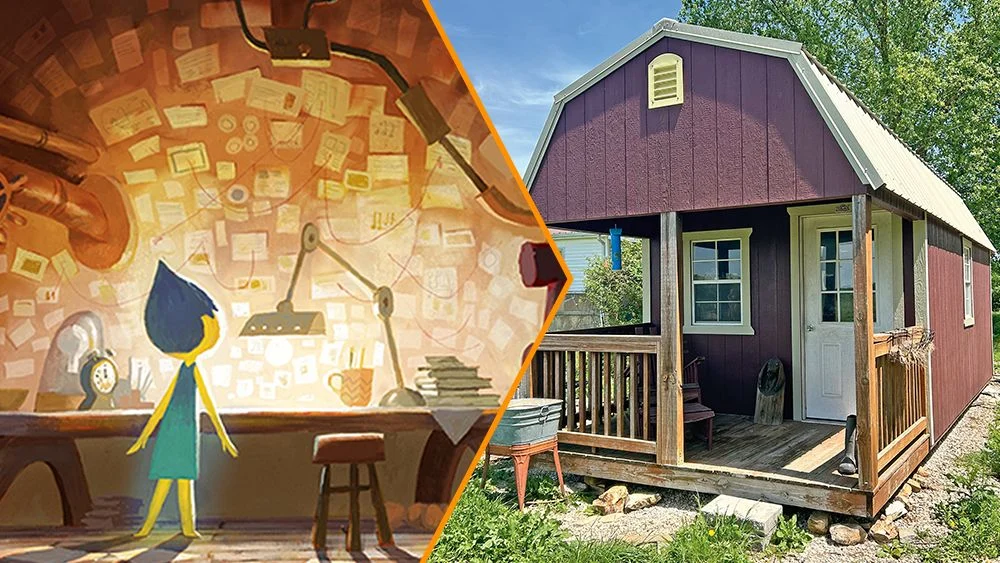
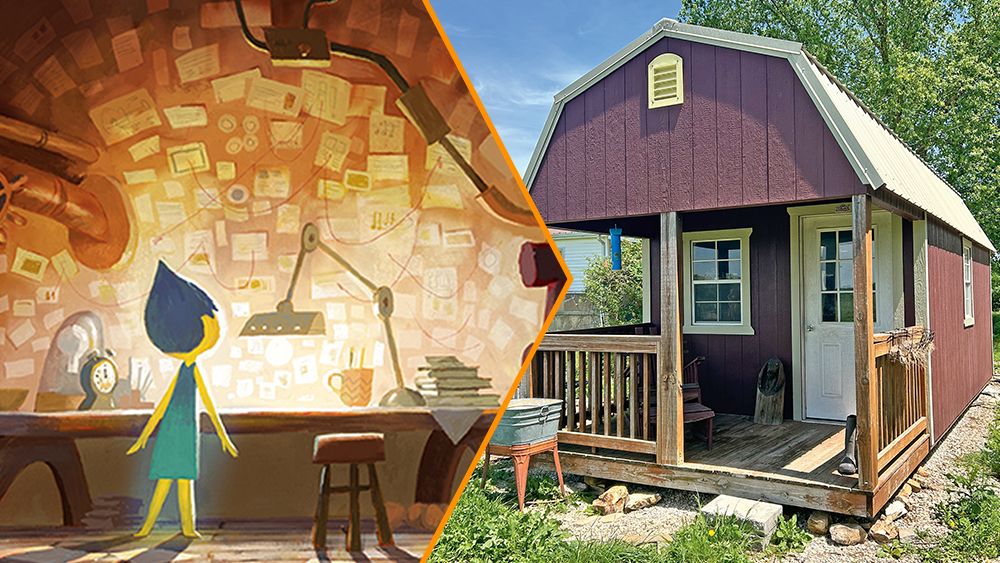
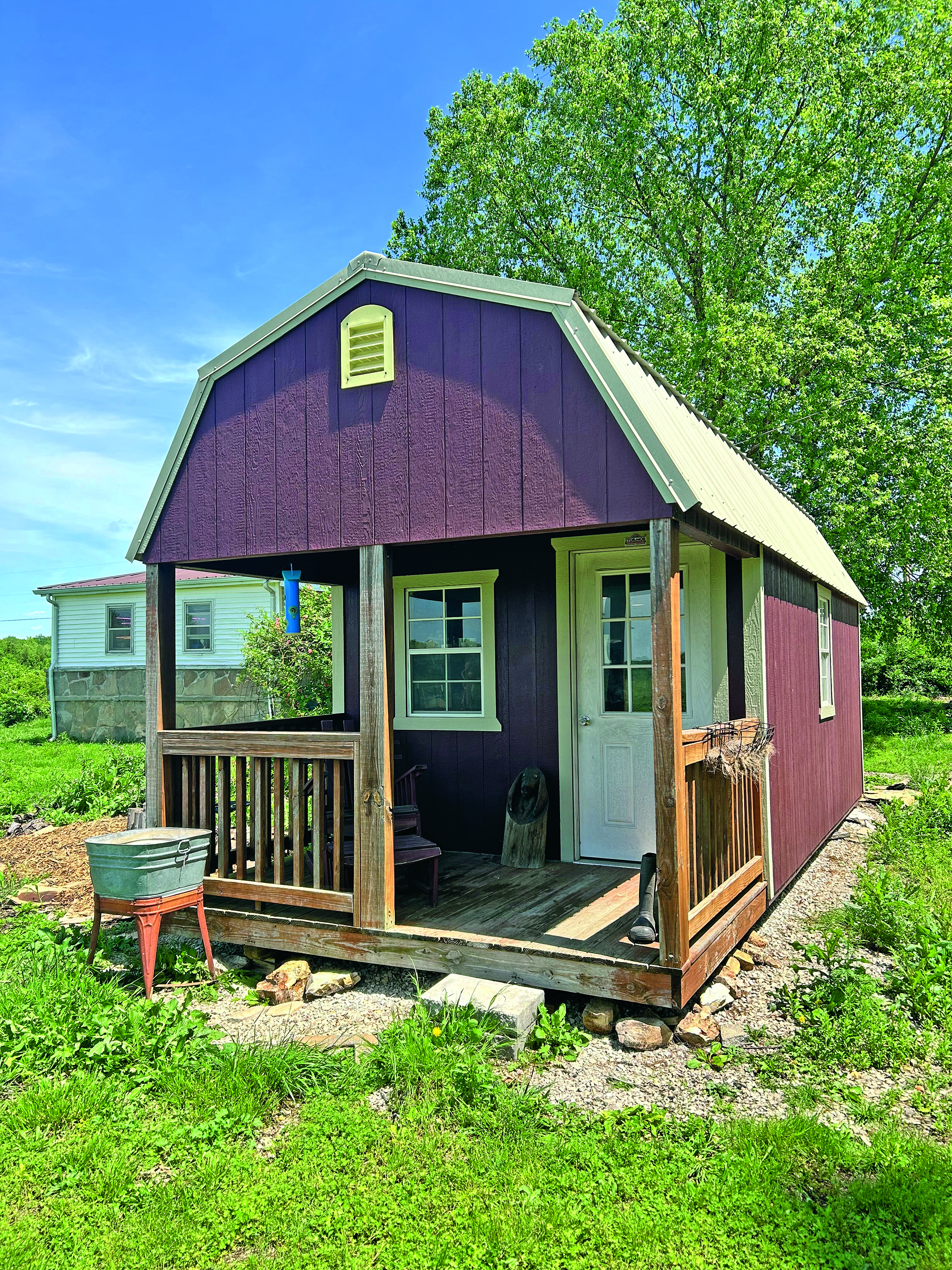
SOUTHERN MISSOURI – Far from the bustling art districts and urban studios, a unique creative sanctuary thrives amidst the tranquil, rolling landscapes of southern Missouri. Here, acclaimed illustrator and visual development artist Nik Henderson has transformed a humble garden shed into a vibrant, multi-disciplinary workspace, proving that inspiration can flourish in the most unexpected of places. Since early 2021, this converted shed, with its unusual neighbors—cows and a "freakishly large and oddly friendly armadillo"—has served as the crucible for a burgeoning career that boasts clients like Pixar, HarperCollins, and Penguin Random House.
Henderson’s journey from art school graduate to a sought-after artist is intimately tied to this unassuming structure. What began as a mere storage space has evolved into a fully customized studio, a testament to resourcefulness and a deep understanding of creative needs. His story offers a compelling glimpse into the evolving landscape of artistic practice, where personal vision and a connection to nature coalesce to define a truly bespoke workspace.
The Genesis of a Rural Art Hub
Nik Henderson’s creative odyssey began shortly after he completed his studies in illustration at SCAD in early 2021. Rather than seeking a conventional studio space, he embarked on a more personal, hands-on project: converting an existing shed on his southern Missouri property. This decision was born out of a desire for complete creative control and an environment free from urban distractions.
From Storage to Sanctuary: The Conversion Process
The initial structure was, by Henderson’s own admission, "meant for something like gardening equipment and storage tubs." However, with a clear vision, he undertook the transformation, infusing the utilitarian space with the elements essential for artistic production. The process involved crucial upgrades: "some insulation, drywall, and electricity," converting a cold, unadorned shell into a comfortable and functional year-round workspace. This meticulous conversion speaks volumes about Henderson’s dedication not just to his art, but to crafting the perfect environment for it. The insulation ensures a stable temperature, the drywall provides a clean backdrop for creative thought, and electricity powers both his tools and the crucial ambient lighting that defines his nocturnal working hours. This initial investment of time and effort laid the foundation for a space that has consistently "held up strong" for years, becoming the birthplace of numerous professional projects.
Embracing the Ozark Wilderness: Neighbors and Inspiration
The geographic isolation of Henderson’s studio is not a drawback but a profound source of inspiration. His nearest neighbors are "cows and a freakishly large and oddly friendly armadillo," an amusing detail that underscores the rural charm of his surroundings. This natural setting offers a unique tapestry of sights and sounds that actively shapes his creative process. The expansive views, particularly of incoming thunderstorms, provide a dramatic backdrop to his daily work, while the quiet solitude fosters deep concentration.
The occasional "yipping" of coyotes at night, though a distraction, is a reminder of the vibrant ecosystem surrounding his studio. This direct, unfiltered connection to nature imbues his art with an authenticity and a distinct sense of place. The porch, described as "perfect for reading and watching the sunset," further highlights how the studio seamlessly integrates with its environment, offering moments of respite and reflection that are often vital for creative renewal. This symbiotic relationship between artist, studio, and nature is a cornerstone of Henderson’s practice, distinguishing his work and his process from those operating in more conventional settings.
Crafting the Ideal Creative Ecosystem
The beauty of building a studio from scratch, Henderson notes, is the freedom to "design my space however I want." This philosophy has resulted in a highly personalized and efficient layout, tailored to his multi-faceted artistic practice.
Custom Design for Multifaceted Creativity
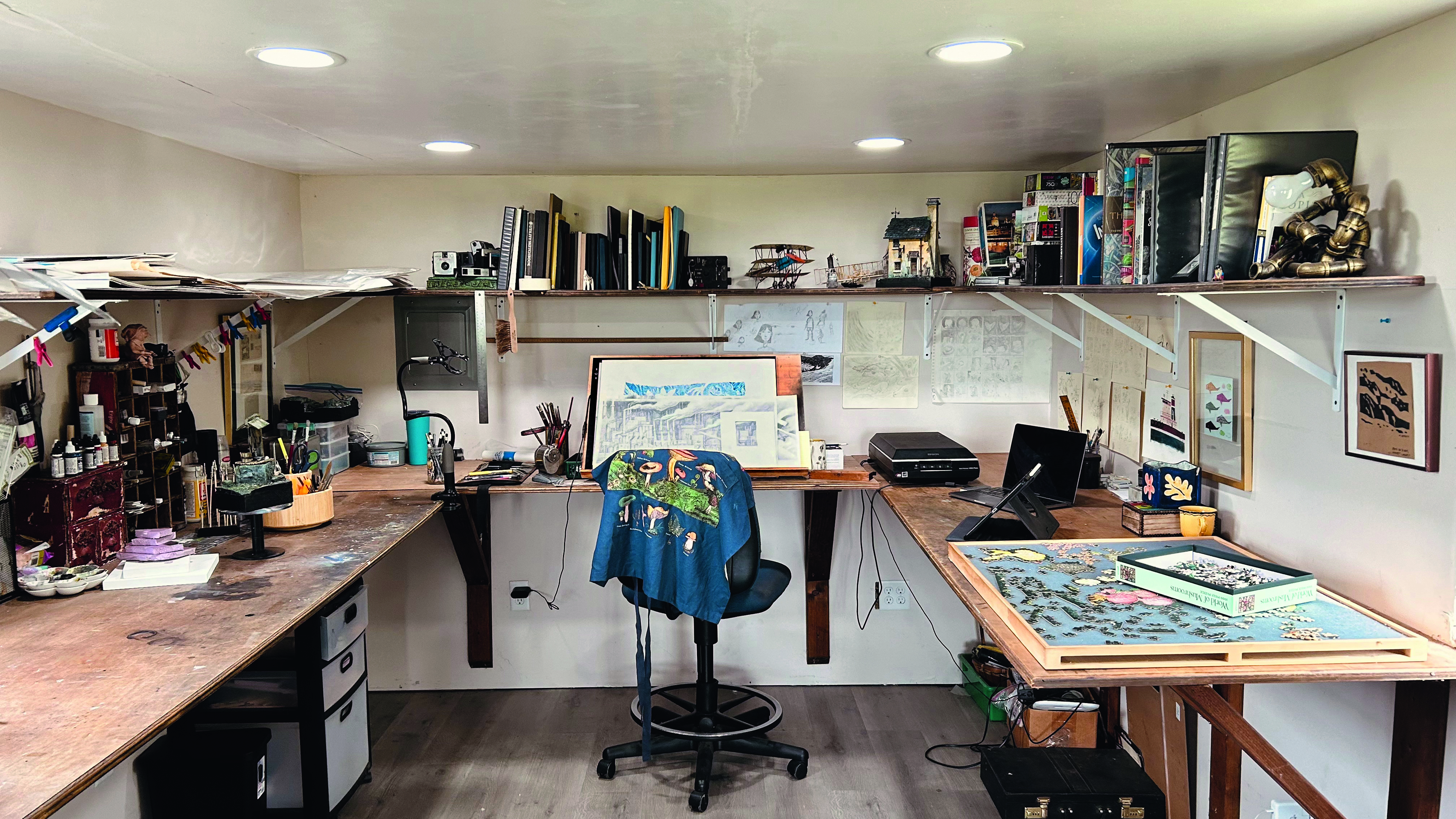
At the heart of Henderson’s studio design is a pragmatic approach to workflow. He installed a "wrap-around desk," a seemingly simple feature that dramatically enhances his ability to manage multiple projects concurrently. This ergonomic design allows him to "easily switch between projects" without disrupting his flow or requiring a complete reset of his workspace. Above this expansive desk, "plenty of shelving" provides convenient storage for essential resources like "books and sketch-pads," keeping reference materials and tools within arm’s reach.
Beyond the desk, the entire studio is intelligently segmented into three distinct zones, each dedicated to a different aspect of his creative output. This intentional division ensures that each discipline has its dedicated space, minimizing clutter and maximizing focus. This bespoke design eliminates the compromises often found in pre-built or shared studio environments, allowing Henderson to move fluidly between various media and techniques, from traditional drawing to intricate model-making and digital finishing.
The Rhythms of a Night Owl Artist
Henderson’s daily routine is as unconventional as his studio’s location. "My work day usually starts around 11 am," he reveals, embracing his natural chronotype. His most productive hours stretch well into the night, often continuing "until 1 am" after dinner. This nocturnal schedule is not merely a preference but a strategic choice, as "Night is my favourite time to work as there are far less distractions." In the quietude of the Missouri night, the absence of daytime interruptions allows for an immersive focus, broken only by the occasional sounds of the wild. This deep work, free from the demands of a conventional schedule, is a hallmark of many successful creative professionals who tailor their environment and hours to optimize their unique creative rhythms.
A Symphony of Sounds: Music and Podcasts for the Muse
To further enhance his nocturnal creative flow, Henderson cultivates a specific auditory environment. "I always have something playing while I work," he states, highlighting the importance of background audio in his process. His musical preferences lean towards "film scores, particularly those by Joe Hisaishi, John Williams, and Howard Shore." The grand, emotive, and often narrative qualities of these scores likely provide an inspiring, non-distracting accompaniment to his visual storytelling. Beyond music, he also enjoys "audiobooks and paranormal podcasts," suggesting an appetite for narrative and intriguing concepts that might subtly feed into his imaginative work, particularly his fantastical illustrations or model dioramas. This curated soundscape underscores his holistic approach to creativity, where every element of his environment is designed to foster inspiration and productivity.
A Spectrum of Artistic Pursuits
Henderson’s studio is not just a workspace; it’s a dynamic laboratory for artistic exploration, reflecting his mantra: "I like to dabble in everything."
Traditional Illustration: The Heart of the Studio
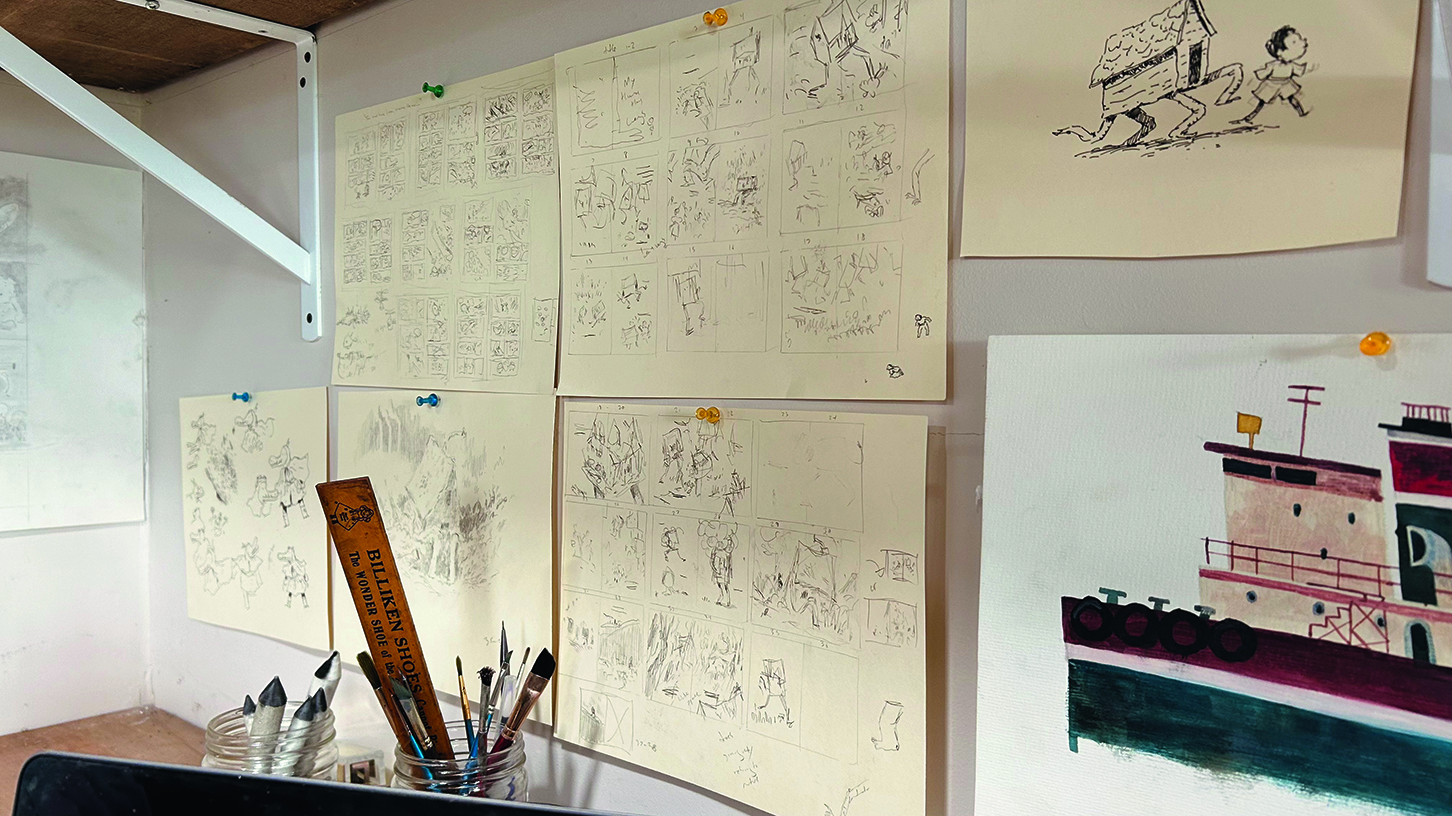
At the very center of his three-part studio layout lies the core of his professional work: the traditional illustration section. "The middle is where I have my easel and is where I do my traditional illustration work, primarily for children’s books," he explains. This dedicated space is a repository of diverse media, equipped with "paints, graphite, colour pencils, charcoal, etc." His passion for experimentation is evident in his continuous pursuit of new techniques, driven by a self-professed dissatisfaction with "doing one thing for too long." This constant exploration ensures his work remains fresh and dynamic, allowing him to adapt to various project demands and maintain a vibrant portfolio.
A unique, personal touch in this section is a "control panel from an F4U Corsair (my favourite plane) holding up way too many sketchbooks." This detail not only showcases his personality and passions but also symbolizes the blend of technical precision and imaginative freedom inherent in his artistic process. The image of "loose sketches from current projects" on "cheap paper for brainstorming ideas" further illustrates his iterative and exploratory approach, where initial concepts are freely developed before being refined into final pieces. This commitment to traditional methods, coupled with a willingness to experiment, defines his distinct artistic voice.
The Tactile World of Model-Making and Dioramas
To the left of his easel, Henderson dedicates a significant portion of his studio to a deeply cherished hobby: model-making. "To the left is where I have my model-making setup. Building models and dioramas from scratch is a big hobby of mine," he shares. This tactile, three-dimensional pursuit serves as a vital "creative outlet that isn’t tied to the stress of deadlines and income." It’s a space for pure, unadulterated creation, allowing him to explore concepts and techniques without external pressures.
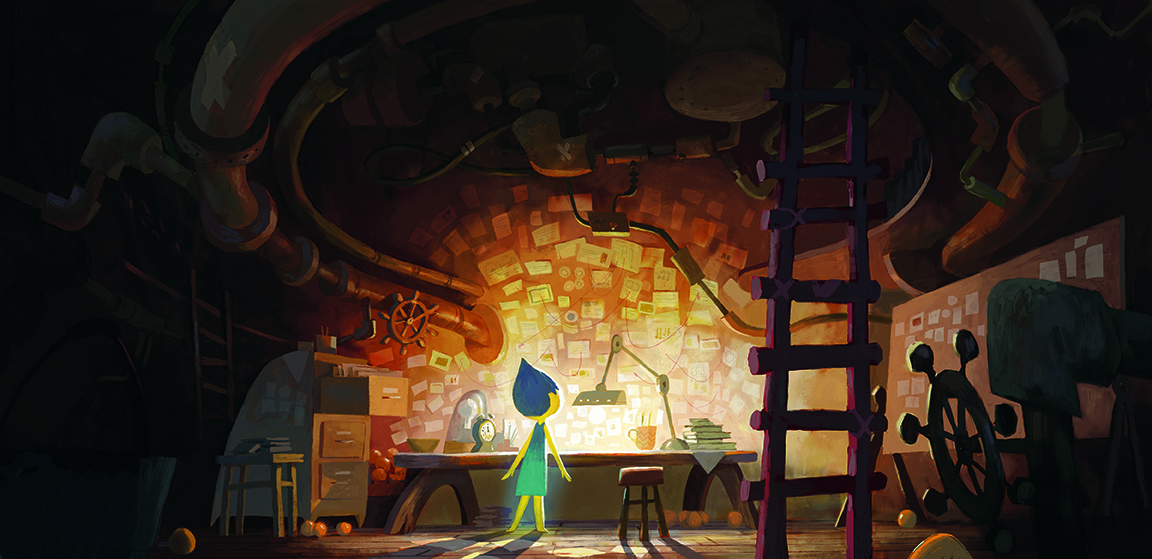
Beyond personal enjoyment, this hobby also serves a practical purpose for his professional illustration work. "Sometimes I make small models as reference for my illustration work if I need something specific," he reveals. This synergy between hobby and profession highlights his resourceful nature, where personal interests directly enhance his ability to create compelling and accurate illustrations. The process is described as "a great deal of fun and I enjoy the challenge," emphasizing the joy and intellectual stimulation he derives from constructing intricate miniature worlds, often applying new techniques in the process, as seen in the "Work in my modelling area" image featuring a detailed miniature house.
Seamless Integration: Digital Tools in a Traditional Workflow
Despite his strong preference for traditional media, Henderson intelligently integrates digital tools into his workflow, recognizing their indispensable role in modern illustration. To the right of his easel is his "digital setup," primarily centered around an "iPad Pro using Procreate." This combination is frequently employed for "touching up my illustrations or adding colour," demonstrating how digital techniques can complement and enhance traditional artwork rather than replacing it.
Interestingly, Henderson notes his departure from industry-standard software: "I also use GIMP for touching up my illustrations. I stopped using Photoshop a few years ago." This choice to opt for GIMP, a free and open-source alternative, speaks to a pragmatic and independent spirit, highlighting that high-quality results don’t always require proprietary software. His setup also includes an "Epson V600 scanner (an absolute trooper)" for digitizing his traditional work and a "MacBook." However, he candidly admits, "I prefer working traditionally over digitally, so don’t use these very often," reinforcing his foundational commitment to physical media while acknowledging the necessity of digital proficiency in today’s creative landscape.
Connecting with History: Antique Art Supplies and Aviation Ephemera
Henderson’s studio is also a treasure trove of historical artifacts, reflecting his deep appreciation for craft and history. Many items, he proudly states, "came from flea markets," imbuing his workspace with a sense of curated history and personal charm. An "antique Coca-Cola bottle holder" repurposed for "storing supplies" is just one example of his creative reuse of vintage items.
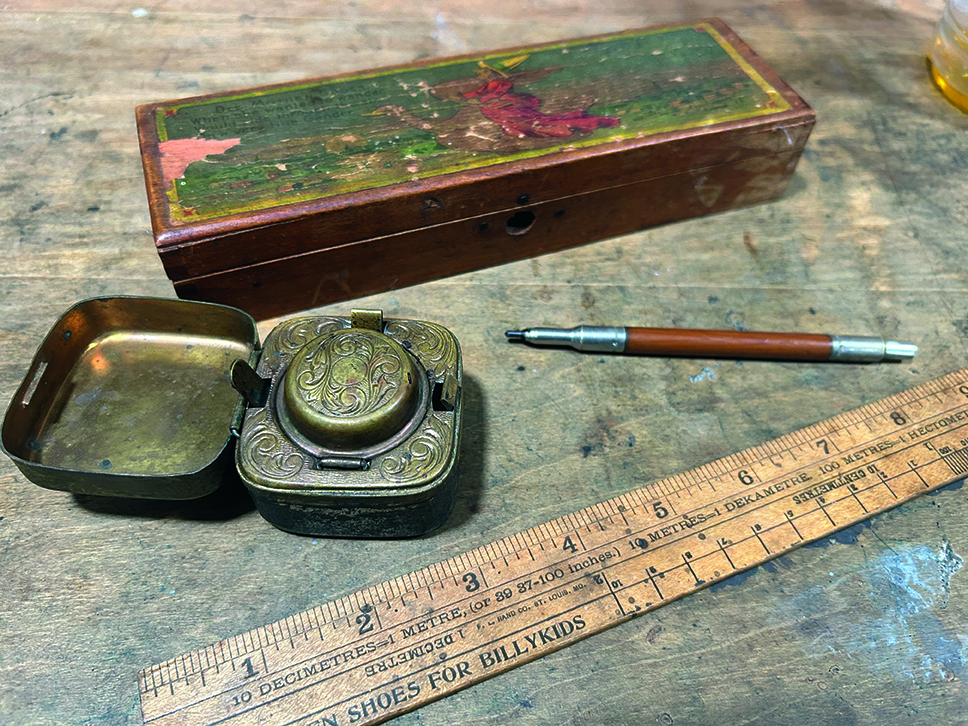
His passion extends to the tools of his trade. "I love collecting and using antique art supplies," he explains. This includes a remarkable "mechanical pencil from 1877," a "traveller’s inkwell from the 1900s," and a "pencil case and ruler from around the same time period." These relics connect him to a lineage of artists and craftsmen, offering a tangible link to the past and perhaps inspiring a timeless quality in his own work.
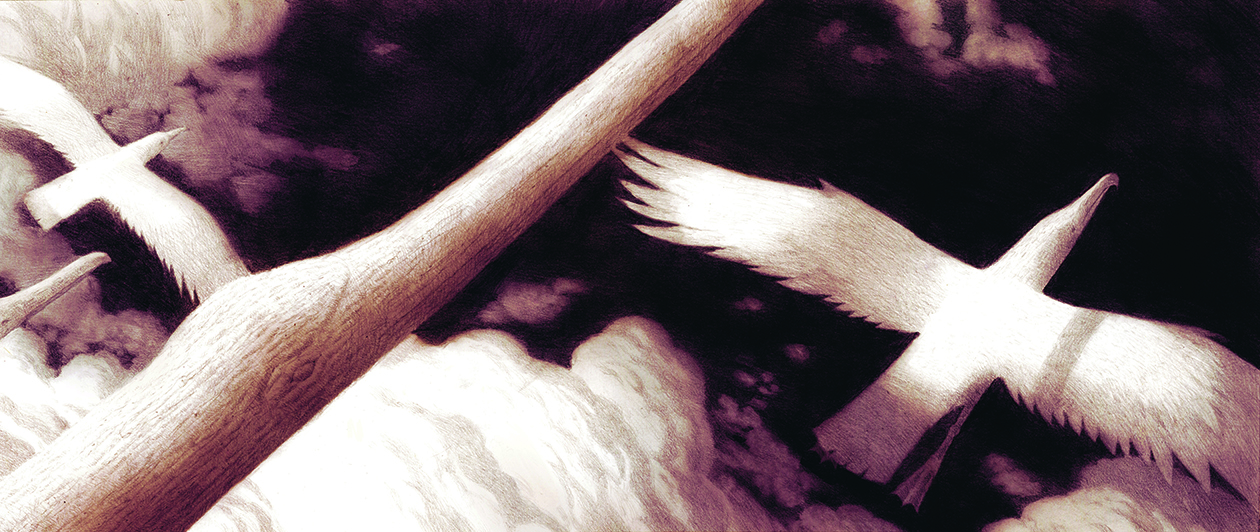
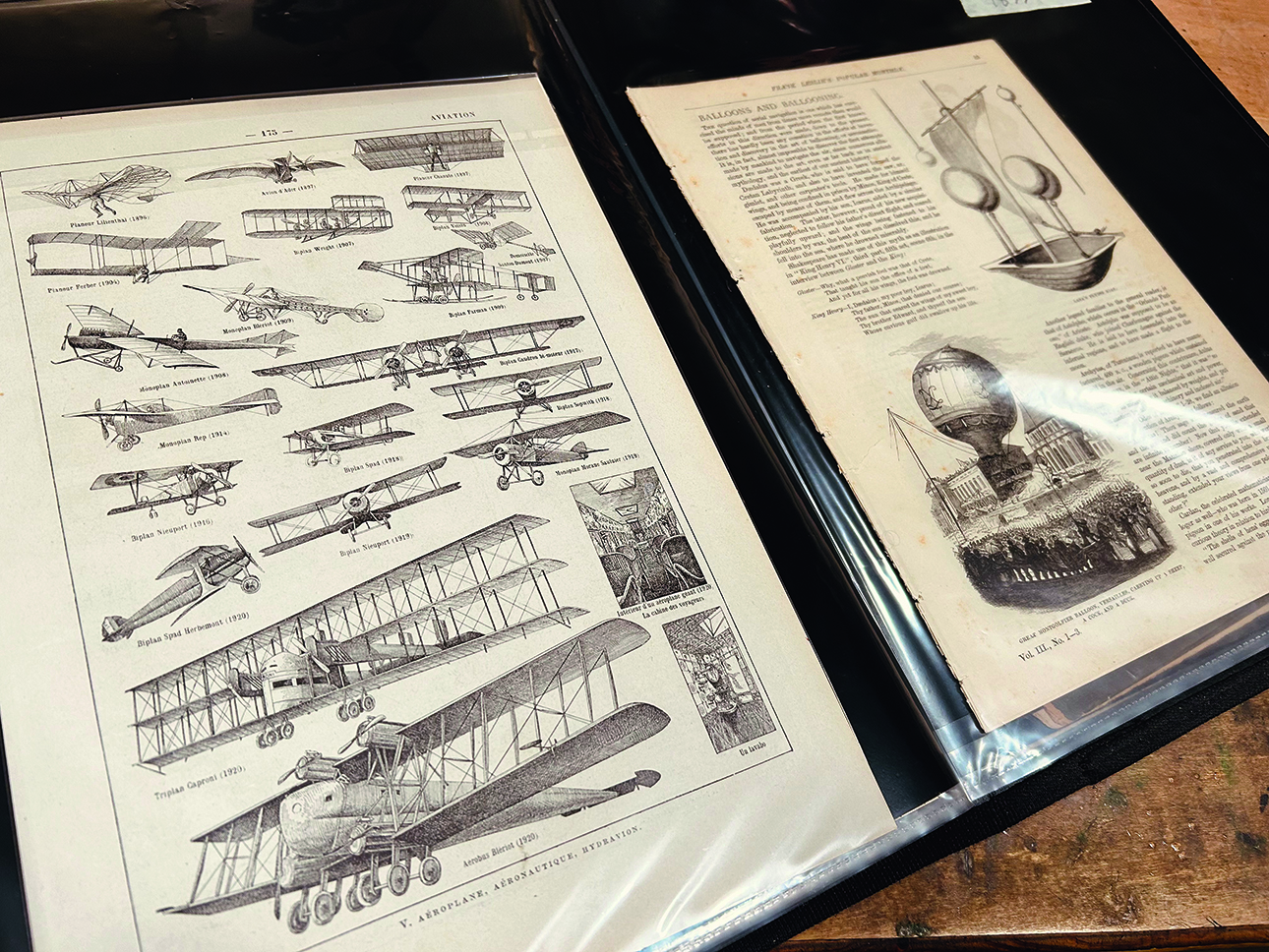
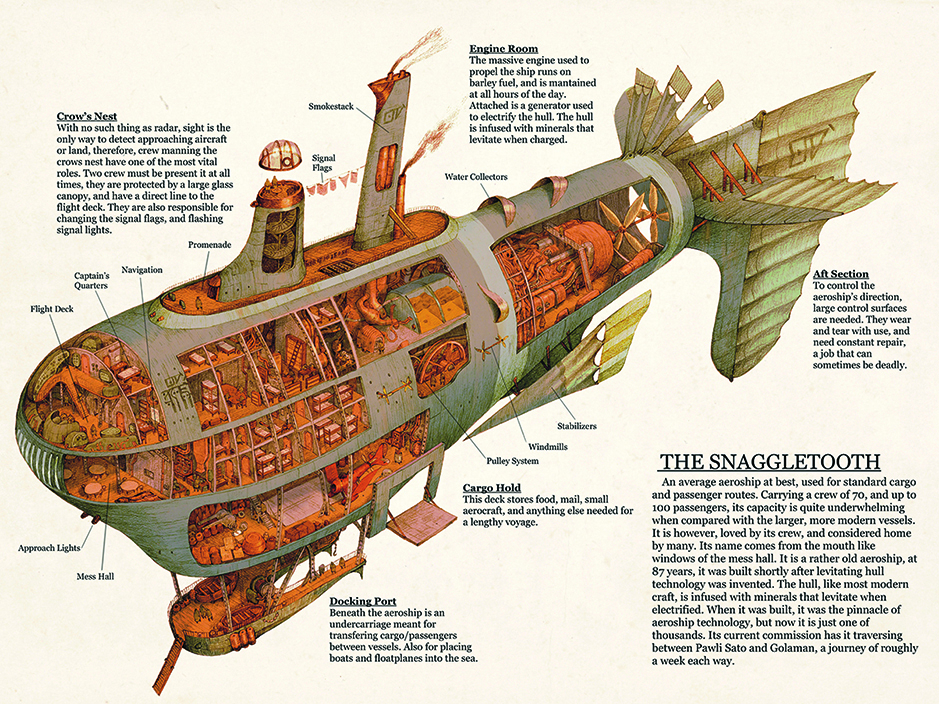
Beyond art supplies, Henderson is a fervent "aviation history enthusiast, particularly when it comes to airships." This lifelong fascination, stemming from "growing up around airplanes," manifests in his collection of "ephemera from the early days of flight." This passion isn’t merely decorative; it actively informs his creative output, as evidenced by his "cutaway of an airship from a story I’ve been working on." His illustrations from "The Dream, a wordless graphic novel with a story by Gideon Sterer," featuring birds in flight, further highlight this aerial inspiration, demonstrating how personal interests seamlessly weave into his professional narratives.
Career Milestones and the Studio’s Legacy
The shed studio, while humble in origin, has served as the launchpad for a career marked by significant achievements and collaborations with prominent names in publishing and entertainment.
From Local Talent to International Recognition
Working from his secluded Missouri studio, Nik Henderson has garnered impressive recognition within the competitive fields of illustration and visual development. His client list, including giants like Pixar, HarperCollins, and Penguin Random House, underscores his talent and the effectiveness of his unique working environment. A notable highlight of his career is his contribution to Pixar, specifically his work on "Inside Out 2." He was "honoured to have some of my work from Inside Out 2 included in the official ‘art of’ book," a prestigious acknowledgement within the animation industry. Such achievements demonstrate that geographical isolation does not hinder global collaboration or artistic excellence when talent and dedication are paramount. His representation by the CAT Agency further solidifies his standing in the industry, facilitating these high-profile opportunities.
The Studio as a Launchpad: A Place of Beginnings
As Henderson looks towards the future, a bittersweet reflection emerges regarding his beloved shed studio. "My studio has been my favourite spot for the last five years," he states, acknowledging the deep personal connection he has forged with the space. The impending relocation signifies a new chapter, and while he anticipates the sadness of leaving it behind, he also frames its significance with profound gratitude: "but I will always remember it as the place where my career began." This sentiment encapsulates the studio’s role not just as a physical workspace, but as a symbolic crucible where his artistic identity was forged and his professional aspirations took flight. It’s a testament to the idea that the right environment, however unconventional, can be transformative for a budding artist.
Beyond the Shed: Implications for Modern Artists
Nik Henderson’s shed studio in southern Missouri offers more than just a personal narrative; it presents a compelling case study for the evolving nature of creative work and the increasing desire among artists for personalized, inspiring environments.
The Rise of Bespoke Workspaces
Henderson’s DIY studio is a prime example of a growing trend: artists and creatives are increasingly opting for bespoke workspaces over traditional, often costly, commercial studios. This shift is driven by a desire for greater autonomy, cost-effectiveness, and the ability to tailor an environment precisely to one’s workflow and aesthetic preferences. The conversion of sheds, garages, or even spare rooms into dedicated creative zones speaks to a broader movement towards making personal spaces multifunctional and deeply reflective of individual identity. Henderson’s custom wrap-around desk and segmented areas for different artistic disciplines highlight the practical advantages of designing a space from the ground up, ensuring every inch serves a specific creative purpose. This trend empowers artists to invest in their own property and create an asset that directly supports their livelihood, fostering a sense of ownership and longevity in their creative practice.
The Power of Environment in Creative Expression
The rural setting of Henderson’s studio is not incidental; it is integral to his creative process. His interactions with nature—the cows, the armadillo, the coyotes, the sunsets, and thunderstorms—demonstrate the profound impact that one’s environment can have on artistic inspiration. In an increasingly urbanized world, the deliberate choice to situate a studio in a tranquil, natural setting offers a refuge from sensory overload and a direct connection to primal beauty. This isolation fosters a unique form of introspection and observation, allowing subtle details of the natural world to inform his storytelling and visual compositions. The ability to step out onto a porch and watch a sunset, or to be serenaded by the sounds of wildlife, provides a constant wellspring of ideas and a crucial counterpoint to the intensive focus required for artistic creation. Henderson’s experience underscores that the ideal creative environment is not universal but deeply personal, often found where peace and inspiration naturally converge.
Balancing Professional Demands with Personal Passions
Henderson’s studio exemplifies a holistic approach to a creative career, where professional work and personal hobbies are not only tolerated but actively integrated. The dedicated model-making area, serving as a stress-free creative outlet that also provides practical reference for his illustrations, showcases a smart strategy for maintaining artistic vitality. This blend prevents burnout and keeps the creative spirit alive, ensuring that art remains a source of joy, not just income. His collection of antique art supplies and aviation ephemera further enriches his workspace, infusing it with historical depth and personal narrative. These elements are not just decorative; they are extensions of his identity and sources of continuous learning and inspiration. By embracing and integrating his diverse passions, Henderson creates a work-life synergy that fuels his professional success and personal fulfillment, offering a blueprint for other artists striving to achieve a sustainable and joyful creative life.
Conclusion: A Farewell to a Founding Space
As Nik Henderson contemplates his upcoming relocation, the emotional weight of leaving his shed studio is palpable. It has been more than just a place to work; it has been a partner in his professional growth, a silent witness to countless hours of creation, and a personal haven. The modest shed, transformed by vision and elbow grease, stands as a powerful symbol of artistic independence and ingenuity. It highlights that true creativity is not bound by lavish facilities but by the spirit of the artist and the environment they cultivate.
His journey from a converted storage space to a recognized illustrator working with global brands like Pixar is a testament to the power of a personalized workspace and the profound inspiration found in the quiet corners of rural America. While the physical structure may change, the legacy of this southern Missouri shed studio—as the place where a remarkable artistic career took flight—will undoubtedly endure, inspiring future generations of creatives to look beyond convention and forge their own unique sanctuaries.
 Evan Lee Salim
  Nana
Nana  Ammar Sabilarrohman