
 By Laily UPN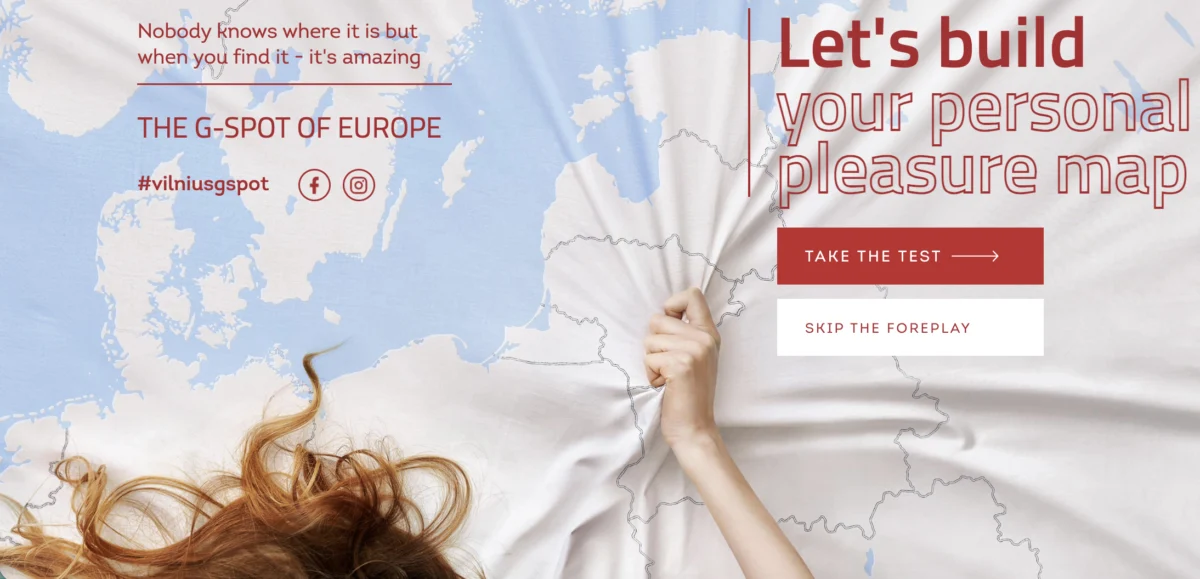
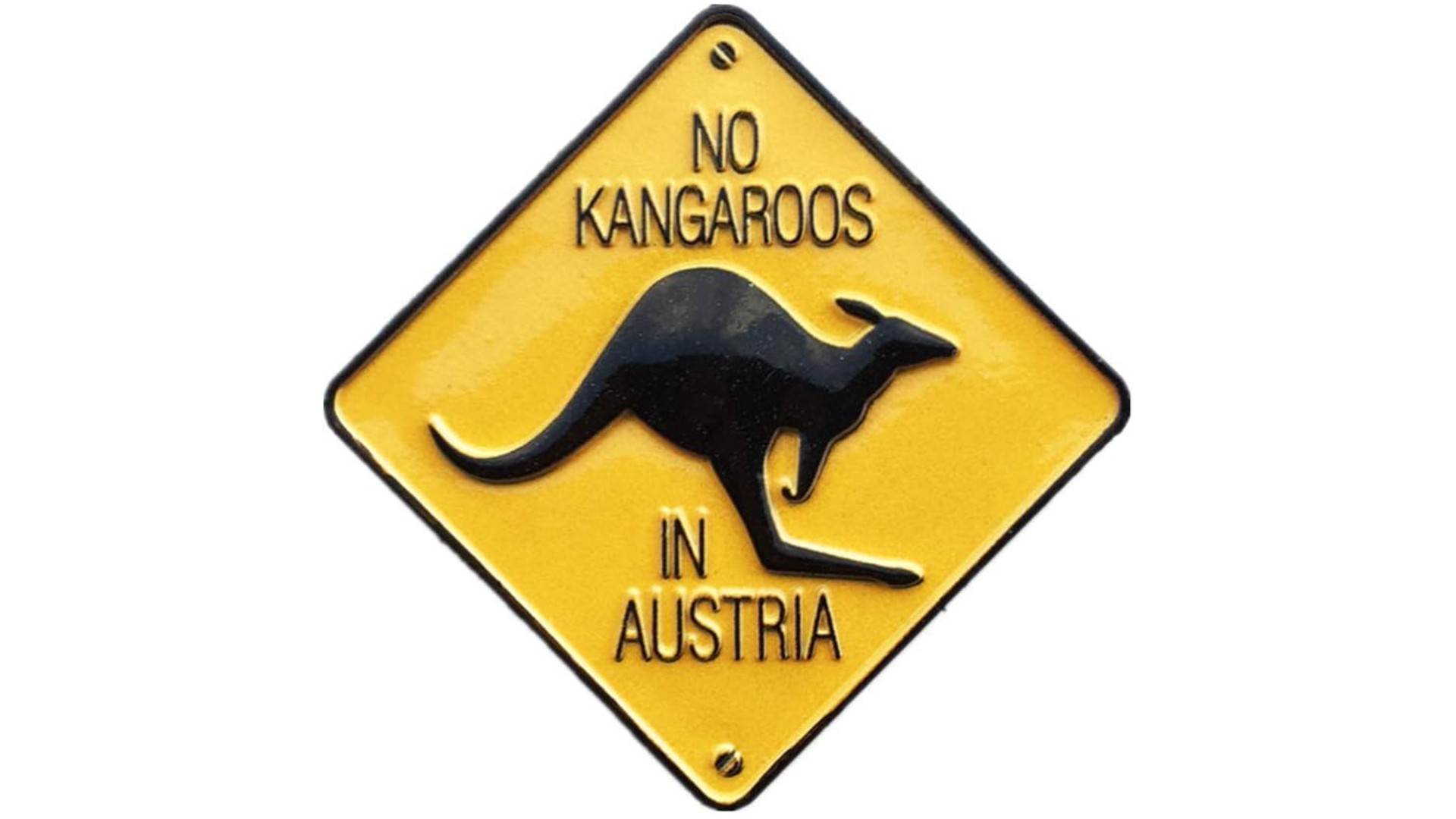
In an era saturated with meticulously crafted brand identities, corporate positioning statements, and endless quests for perceived authenticity, a humble fridge magnet in Vienna offers a potent, counter-intuitive lesson. Bearing the stark, diamond-shaped warning of a kangaroo silhouette above the words "NO KANGAROOS IN AUSTRIA," this ubiquitous souvenir transcends mere novelty. It embodies a branding philosophy that eschews expensive campaigns and focus groups, opting instead for a humorous, self-aware embrace of collective misunderstanding. This simple design, which even made an appearance at this year’s Eurovision Song Contest, highlights a growing trend where nations, rather than correcting persistent misconceptions, are strategically leaning into them, turning shared gaffes into powerful, resonant, and highly marketable identities.
This approach isn’t just about tourism; it’s a profound commentary on modern branding. The most captivating brands aren’t necessarily those that meticulously dictate their identity, but rather those that cheerfully acknowledge and even capitalize on what people think they are. They sell not just a product or a destination, but a shared understanding, a knowing wink, and an invitation to be in on the joke.
The Genesis of a Global Gaffe: Austria’s Kangaroo Conundrum
Main Facts:
The enduring confusion between Austria, the landlocked European nation of alpine vistas and imperial history, and Australia, the vast island continent renowned for its unique marsupials and sun-drenched beaches, is a geographical gaffe of global proportions. For decades, tourists and even some media outlets have mistakenly conflated the two, leading to countless awkward conversations and misdirected inquiries. Rather than embarking on an exhaustive, costly public relations campaign to correct this deeply ingrained error, Austrian gift shop owners, and later the broader tourism apparatus, stumbled upon a far more effective strategy: embrace the absurdity.
The "No Kangaroos in Austria" motif, often rendered in the style of a road sign, has become an iconic symbol. Its brilliance lies in its simplicity and its immediate relatability. It addresses the misconception directly, but with a wry, self-deprecating humor that disarms rather than condescends. It communicates a distinct identity in just four words, transforming a source of mild irritation into a point of national character.
Chronology and Supporting Data (Qualitative):
While the exact origin of the "No Kangaroos in Austria" merchandise is difficult to pinpoint, anecdotal evidence suggests its rise to prominence occurred organically over the past couple of decades. As global travel increased and the internet facilitated the rapid spread of humorous content, the magnet’s popularity surged. Its appearance at the Eurovision Song Contest, a high-profile international event hosted by Austria, served as a powerful official endorsement of this informal branding. This moment solidified its status from a mere souvenir to a culturally recognized symbol of Austrian wit.
The success of this approach is not measured in traditional metrics of brand uplift or market share, but in its viral spread and enduring popularity. The fact that countless tourists actively seek out and purchase these items speaks volumes. They are not merely buying a souvenir; they are buying into a shared joke, a piece of collective intelligence that makes them feel connected and ‘in the know.’ This resonates strongly in an age where authenticity and relatable humor are highly valued social currencies. The "No Kangaroos" merchandise acts as a conversation starter, a lighthearted assertion of national identity, and a testament to Austria’s ability to laugh at itself.
Official Responses:
Initially, the "No Kangaroos in Austria" movement was likely a grassroots phenomenon driven by local entrepreneurs. However, the Austrian tourism board and cultural institutions have increasingly recognized and subtly integrated this self-aware humor into their broader promotional efforts. The Eurovision skit, for example, was a clear signal of official sanction, leveraging the widespread recognition of the joke to engage a massive international audience. This demonstrates a sophisticated understanding that sometimes the most effective way to define oneself is not through grandiose statements, but through a playful acknowledgement of external perceptions.
Beyond the Alps: Pioneering Self-Deprecation in Tourism
The Austrian example is far from isolated. Across the globe, various nations and cities have tapped into similar veins of self-aware humor, transforming perceived weaknesses or common misunderstandings into powerful branding assets.
Vilnius, Lithuania: The G-Spot of Europe
Main Facts:
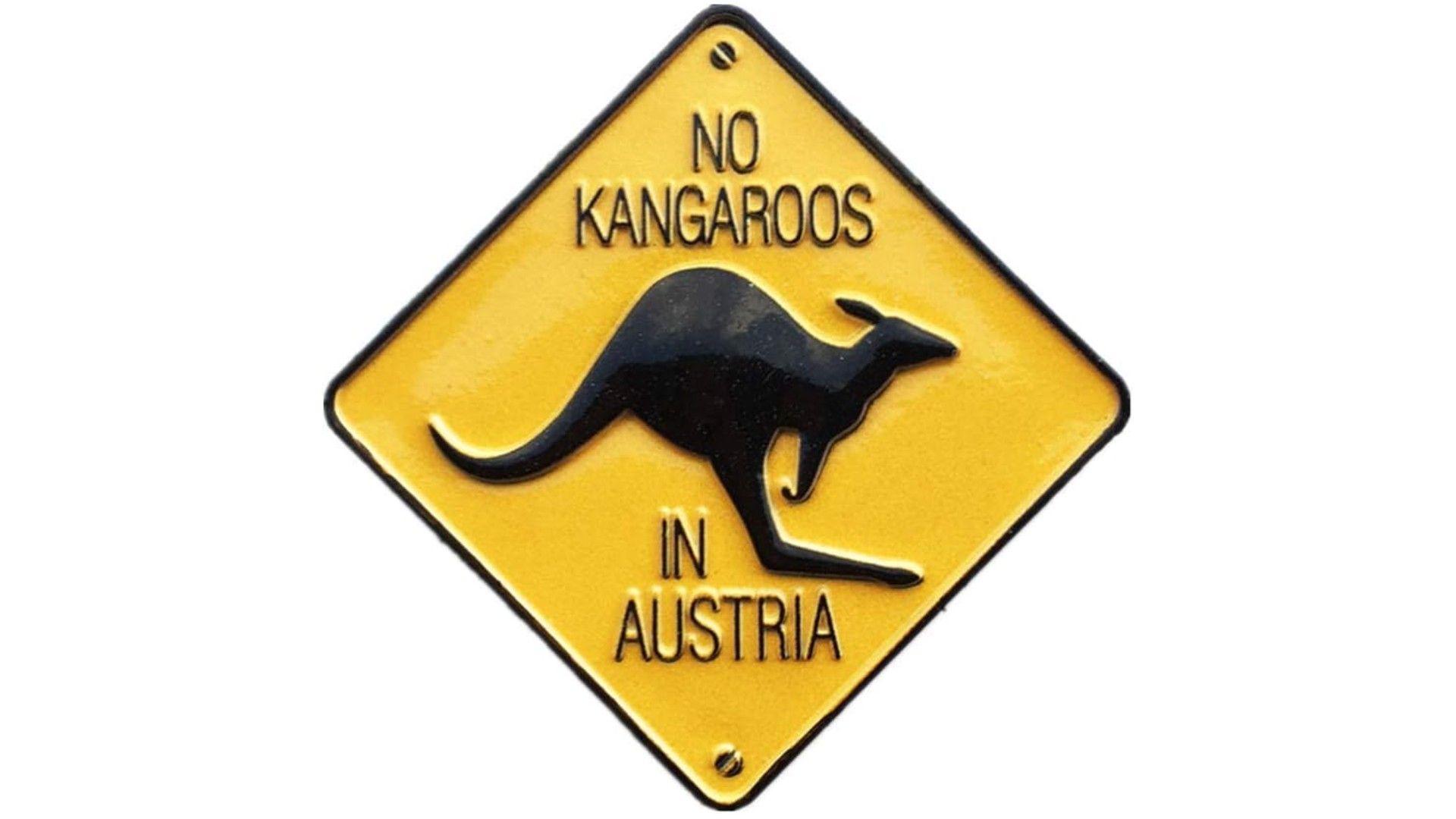
Vilnius, the capital of Lithuania, faced a different kind of recognition challenge: relative obscurity on the European tourist map. In 2018, the city launched an official tourism campaign that became an international sensation for its audaciousness: "Vilnius: the G-spot of Europe. Nobody knows where it is, but when you find it, it’s amazing."
Chronology and Official Responses:
This campaign, developed by the Go Vilnius agency, was strategically timed for launch during a period when the Pope was visiting the city, generating both buzz and controversy. The campaign materials featured a young woman clutching a sheet printed with a map of Europe, evoking a sense of discovery and pleasure. While it drew criticism from some religious figures and conservative groups, it achieved its primary goal: putting Vilnius firmly on the global radar.
Supporting Data and Implications:
The "G-spot" campaign was a masterclass in leveraging self-deprecation and cheekiness. It directly addressed the city’s relative anonymity with a provocative, memorable, and highly shareable slogan. It generated immense media coverage across major international outlets, far exceeding what a conventional tourism budget could typically achieve. Rather than trying to present Vilnius as a grand, well-known European capital, it embraced its underdog status, inviting tourists to be part of an exclusive discovery. The campaign successfully positioned Vilnius as an intriguing, vibrant, and rewarding destination for those willing to venture off the beaten path, transforming a perceived lack of recognition into an alluring mystery.
Slovakia and Slovenia: The Tale of Two Nations
Main Facts:
The geographical proximity and similar-sounding names of Slovakia and Slovenia have long been a source of confusion. This frequently leads to misdirected mail, mistaken identities, and a general blurring of their distinct national characters in the minds of many global citizens.
Chronology and Supporting Data (Anecdotal):
The persistent mix-up between these two Central European nations, both emerging from different political blocs (Slovakia from Czechoslovakia, Slovenia from Yugoslavia), has given rise to a widely circulated anecdote: that their respective embassy staffs meet monthly to exchange wrongly delivered diplomatic pouches and personal mail. While the literal truth of this story is debated, its existence and popularity are indicative of the pervasive confusion.
Official Responses and Implications:
Rather than launching expensive campaigns to differentiate themselves, both Slovakia and Slovenia have largely allowed this humorous narrative to persist, and in some instances, subtly embraced it. The shared joke fosters a sense of camaraderie and understanding between the two nations, and for external audiences, it creates an endearing, relatable point of entry. It costs nothing, yet it generates more goodwill and recognition than many traditional, heavily funded advertising initiatives. It signals a national humility and a shared understanding of a common, if minor, predicament.
Panama and the Ecuadorian Hat: A Case of Mistaken Identity
Main Facts:
The iconic "Panama hat," a lightweight, brimmed straw hat synonymous with tropical elegance, has a name that is a geographical misnomer. These hats were, and still are, traditionally woven in Ecuador. Their association with Panama arose from their significant trade route through the Isthmus of Panama, particularly during the California Gold Rush and the construction of the Panama Canal.
Chronology and Supporting Data:
During the 19th and early 20th centuries, thousands of these hats were shipped through Panama, where they were bought by workers, travelers, and dignitaries alike. President Theodore Roosevelt famously wore one during his 1906 visit to the Panama Canal construction site, solidifying the name in the global consciousness. The port of origin, rather than the place of manufacture, became the de facto identifier.
Official Responses and Implications:
Panama, rather than correcting the historical inaccuracy, pragmatically embraced the association. Today, "Panama hats" are proudly displayed and sold in markets and tourist shops across the country, becoming an integral part of its tourism identity. Ecuador, the true birthplace of these hats, has struggled for decades to gain proper attribution, often playing catch-up to a branding narrative that was established through historical accident. This case highlights how accepting a beneficial, albeit mistaken, attribution can be a powerful and enduring branding strategy, even if it comes at the expense of historical accuracy for the original producer.
New Zealand’s Vanishing Act: #GetNewZealandOnTheMap
Main Facts:
New Zealand, despite being a sizable nation (larger than the UK), has a peculiar cartographic problem: it is frequently omitted from world maps. This oversight has occurred in various contexts, from international conferences to popular culture references, and even at high-profile events like the Paris Olympics.
Chronology and Official Responses:
The persistent invisibility became a running joke and, eventually, a point of national exasperation. In response, Tourism New Zealand launched the highly successful #GetNewZealandOnTheMap campaign. The campaign featured then-Prime Minister Jacinda Ardern and comedian Rhys Darby (later joined by Ed Sheeran), humorously speculating on the reasons for New Zealand’s omission from maps, from a "global conspiracy" to a "plot by Australia."
Supporting Data and Implications:
This campaign was a brilliant example of turning a perceived insult into a powerful engagement tool. It garnered massive global media coverage, generating millions of views and social media interactions. By making the "insult" the headline, New Zealand transformed a source of annoyance into a rallying cry and a point of national pride. The campaign resonated because it was authentic, self-aware, and tapped into a shared experience of frustration, albeit a humorous one. It successfully raised New Zealand’s profile and reinforced its distinct identity on the world stage, proving that sometimes the best way to be seen is to highlight when you’re not.
The Psychology of Authenticity: Why Self-Awareness Sells
The success of these diverse national branding efforts underscores a fundamental shift in consumer psychology and marketing efficacy. In an increasingly cynical and digitally-savvy world, audiences are drawn to brands that exude confidence not through perfection, but through vulnerability and self-awareness.
Breaking Down Barriers: The Power of Relatability
When a brand, be it a country or a corporation, acknowledges its flaws, its common misunderstandings, or even its comedic stereotypes, it humanizes itself. This act of self-deprecation breaks down the often-impenetrable barrier between brand and consumer. It fosters a sense of relatability, making the brand feel more approachable and less intimidating. Consumers are tired of idealized, airbrushed portrayals; they crave authenticity and a sense of shared experience. Acknowledging a common gaffe, like confusing Austria with Australia, creates an "in-group" feeling, where the brand and the consumer are sharing a knowing wink.
Signalling Confidence: The "Anti-Brand" Brand
Paradoxically, not taking oneself too seriously is a profound display of confidence. It takes genuine security for a nation to say, "Yes, we know you confuse us with another country," or "We know we’re not the most famous capital." This self-assurance is immensely appealing. It contrasts sharply with traditional branding, which often aims for aspirational, flawless imagery. In a crowded marketplace of competing narratives, the "anti-brand" brand – one that embraces its quirks and imperfections – stands out precisely because it dares to be different and honest.
Viral Potential in the Digital Age
Humor, especially self-deprecating humor, is inherently shareable. In the age of social media, content that elicits a laugh or a knowing nod is far more likely to go viral than a dry, informative advertisement. The "No Kangaroos in Austria" magnet, the "G-spot of Europe" slogan, and the #GetNewZealandOnTheMap campaign all demonstrate this principle. They provide easily digestible, highly shareable content that resonates emotionally and intellectually, multiplying their reach far beyond initial investment. This organic spread is invaluable, as it comes with an implicit endorsement from peer-to-peer sharing, which is often more trusted than direct advertising.
Untapped Potential: Nations Primed for a Humorous Rebrand
The formula is clear: identify a persistent misconception or stereotype, lean into it with humor and self-awareness, and monetize that shared understanding. So, which other nations are sitting on untapped comedic gold, waiting to redefine their brands through this unconventional wisdom?
Canada: "Politely Speaking, We’re Not the USA."
Canada’s international identity is often defined by its proximity to, and distinctiveness from, its powerful southern neighbor. Stereotypes abound: extreme politeness, an obsession with hockey, maple syrup, and vast, pristine wilderness. A campaign that humorously embraces this "not American" identity could resonate globally. Imagine slogans like "Canada: We’re the nice one," or "Sorry, but we’re better at hockey. And saying sorry." This would leverage a well-established perception into an endearing and memorable brand.
Belgium: Owning the "Butt of Europe"
Belgium has, for decades, been the subject of gentle (and sometimes not-so-gentle) jokes from its European neighbors, particularly France and the Netherlands. Stereotypes range from its complex political structure and perceived blandness to its culinary contributions like fries and waffles, often overshadowed by French cuisine. Belgium could powerfully own this narrative. A campaign like "Belgium: We’re More Than Just Fries (But the Fries Are Amazing)" or "Europe’s Best-Kept Secret (Even We Forget We’re Here Sometimes)" could transform perceived weaknesses into endearing quirks, highlighting its unique position as the administrative heart of Europe with a distinct, understated charm.
Great Britain: "We Used to Run the World. Fancy a Biscuit?"
Post-Empire, post-Brexit, and navigating a complex modern identity, Great Britain carries a unique, almost absurd, historical weight. Its grand name now contrasts sharply with internal divisions and a changing global role. A self-aware British campaign could tap into this. Imagine slogans that playfully acknowledge its past grandeur while celebrating its modern quirks: "Great Britain: Still Great. Mostly. Tea’s On," or "The Land of Queues and Quirks: Come Experience Our Weather." This approach would resonate with a global audience familiar with British self-deprecating humor and its unique cultural idiosyncrasies.
Other Candidates:
Many other nations possess distinct characteristics ripe for this kind of branding. Switzerland, often seen as a land of neutrality, banks, and precision, could playfully acknowledge its perceived staidness. Finland, known for its introversion and vast forests, could lean into its quiet charm. Italy, famous for its passion and occasional chaos, could embrace the beautiful disorder that defines its culture. The possibilities are endless for nations willing to look inward with a sense of humor.
Conclusion: The Smartest Thing in the Room
In a world clamoring for authenticity, the unconventional wisdom of leveraging self-aware humor stands out as a powerful, cost-effective, and deeply resonant branding strategy. It signals confidence, approachability, and a refreshing honesty that cuts through the noise of traditional, often generic, marketing. The success of the "No Kangaroos in Austria" magnet, Vilnius’s cheeky campaign, New Zealand’s cartographic protest, and the shared lore of Slovakia and Slovenia demonstrates that the most irresistible brands are not those that attempt to project an image of flawless perfection, but rather those that cheerfully acknowledge what people think they are.
This approach is not about capitulating to stereotypes; it’s about reappropriating them, disarming them with humor, and transforming them into unique selling propositions. It takes real security to say, "Yes, we know what you think, and here’s a joke about it." In an increasingly interconnected and transparent world, this kind of self-awareness is not stupidity; it is, unequivocally, the smartest thing in the room. The future of branding belongs to those who dare to laugh at themselves, inviting the world to laugh with them, and in doing so, forge a truly authentic and unforgettable connection.
 Lina Hope
  Layla Zulfa
  Lina Irawan