
 By Asep Darmawan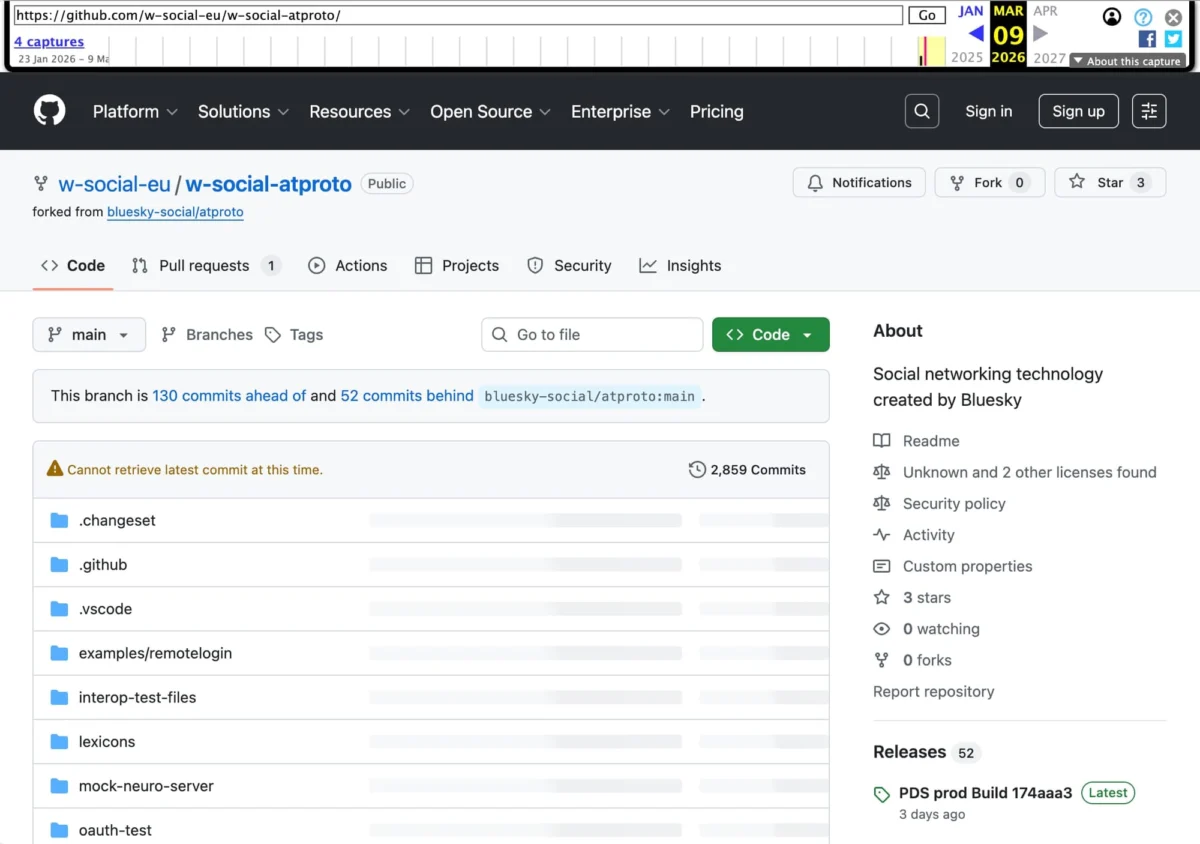
In the landscape of emerging decentralized social media, few platforms have generated as much controversy—or as much scrutiny—as W Social. Billed as Europe’s answer to X (formerly Twitter), the microblogging platform has positioned itself as a guardian of digital sovereignty, promising identity verification to combat misinformation and data hosting exclusively within European borders. Yet, as the platform prepares for its public beta launch, a growing chasm has emerged between its polished public-relations narrative and the opaque reality of its technical and administrative operations.

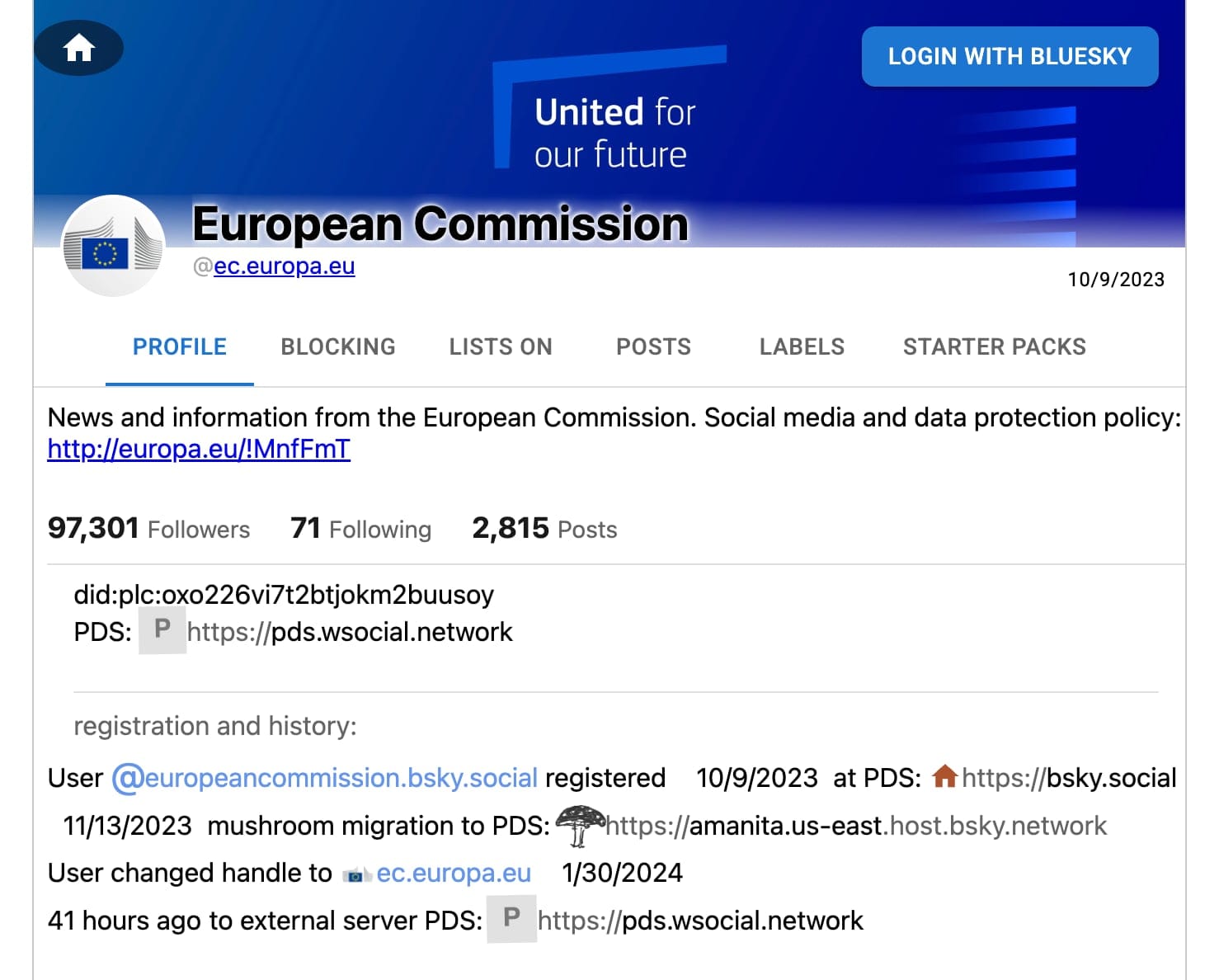
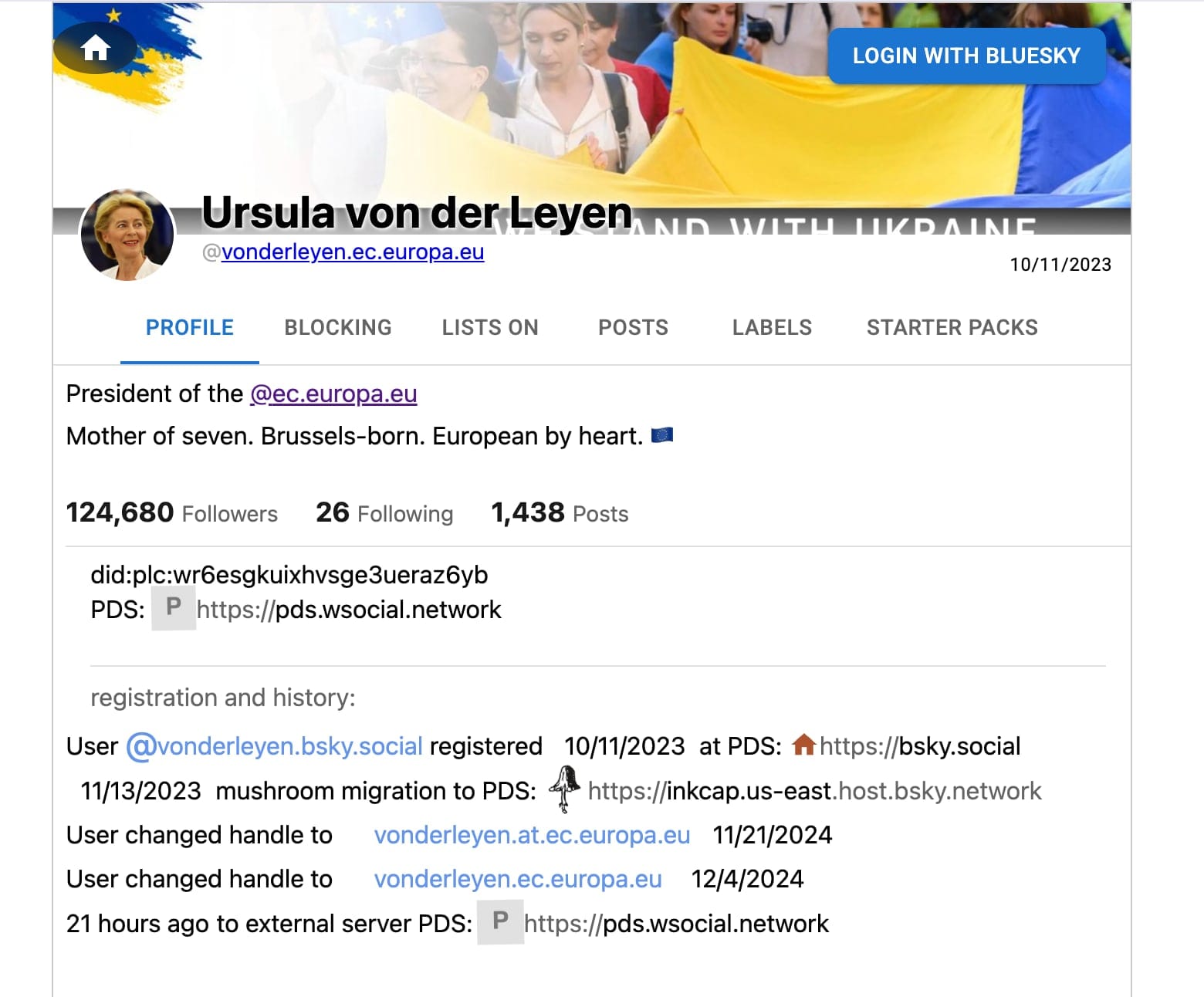
Recent investigative findings reveal a disturbing trend: prominent European institutions, including the European Commission and the European Central Bank, have migrated their official accounts to W Social’s infrastructure. This move, which occurred mere days after the European Commission touted a new "Tech Sovereignty Package," raises urgent questions about due diligence, the risks of "closed-source" public infrastructure, and whether the European Union is inadvertently endorsing a new generation of "Big Tech" surveillance under the guise of sovereign innovation.

The Migration: A Timeline of Institutional Shifts
The shift began in early June 2026. On Friday, June 12, independent monitoring of the ATproto (Authenticated Transfer Protocol) ecosystem—the decentralized framework that powers platforms like Bluesky—revealed a significant relocation of high-profile digital assets.

- June 3, 2026: The European Commission publishes its "Tech Sovereignty Package," explicitly emphasizing the need to "scale up open source alternatives" and support "greater use of open source in public administrations."
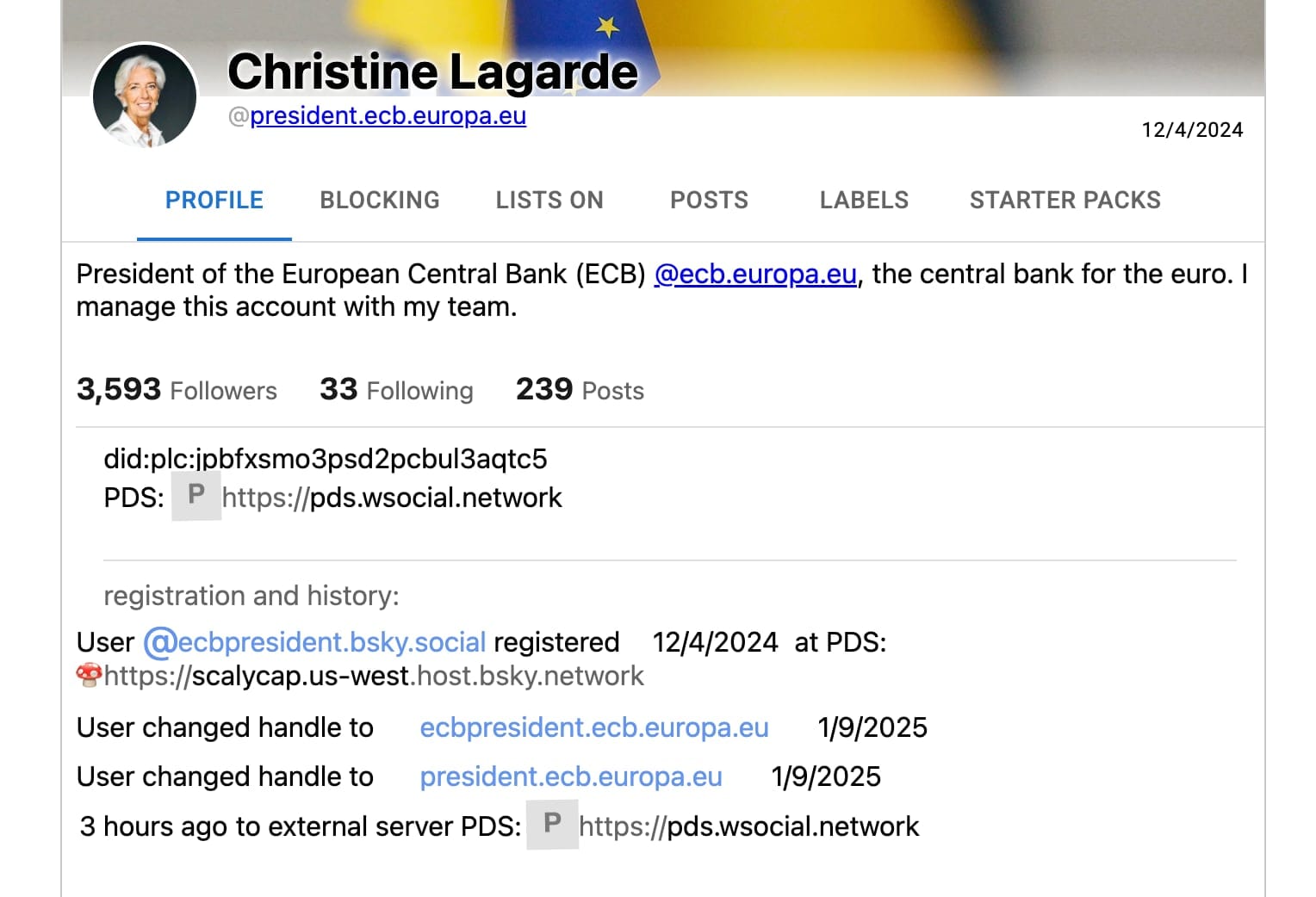
- June 10–12, 2026: Digital forensic analysis via clearsky.app confirms that the ATproto accounts for the European Commission, European Commission President Ursula von der Leyen, the European Central Bank, and ECB President Christine Lagarde have been migrated from the Bluesky PBC ecosystem to W Social’s private servers.
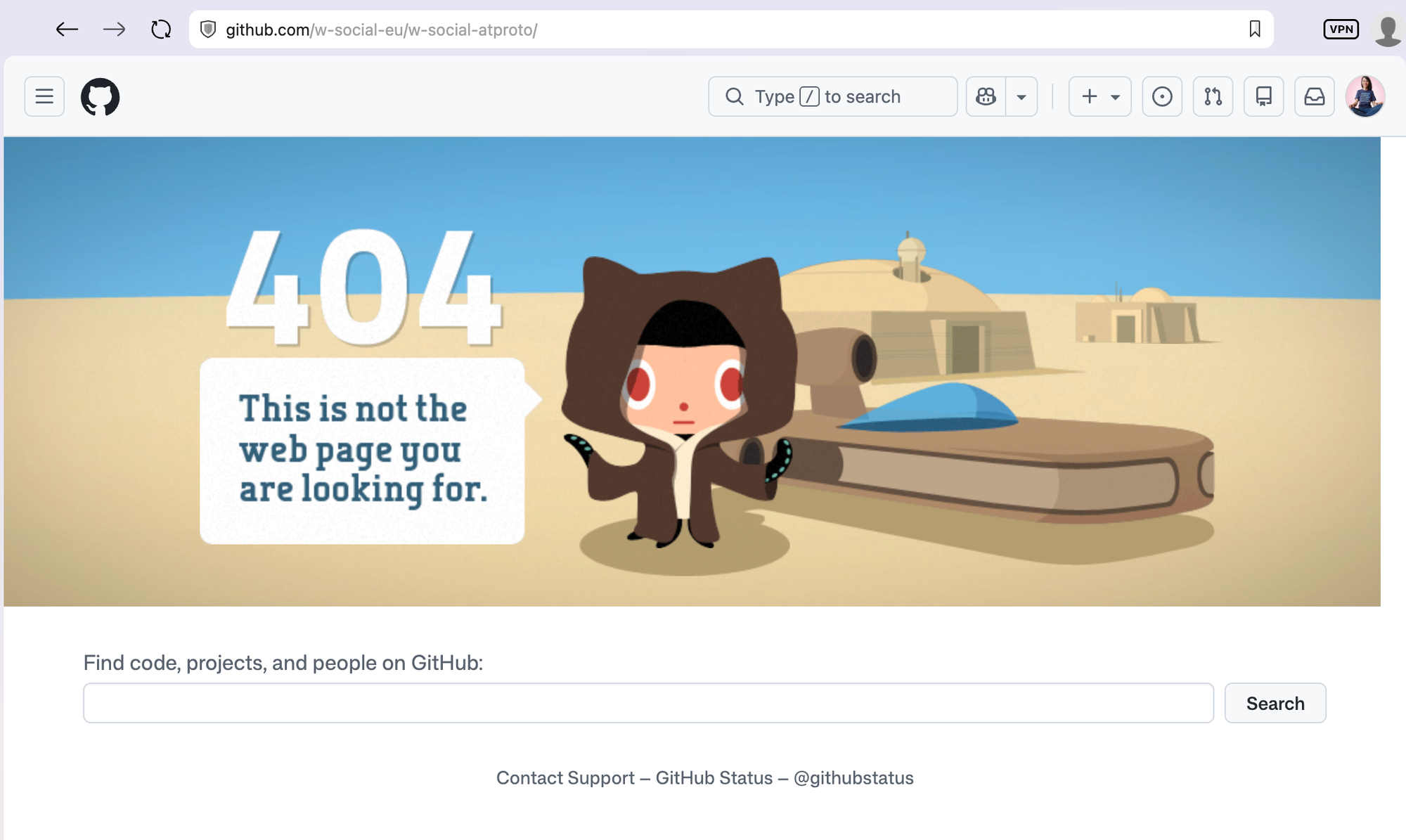
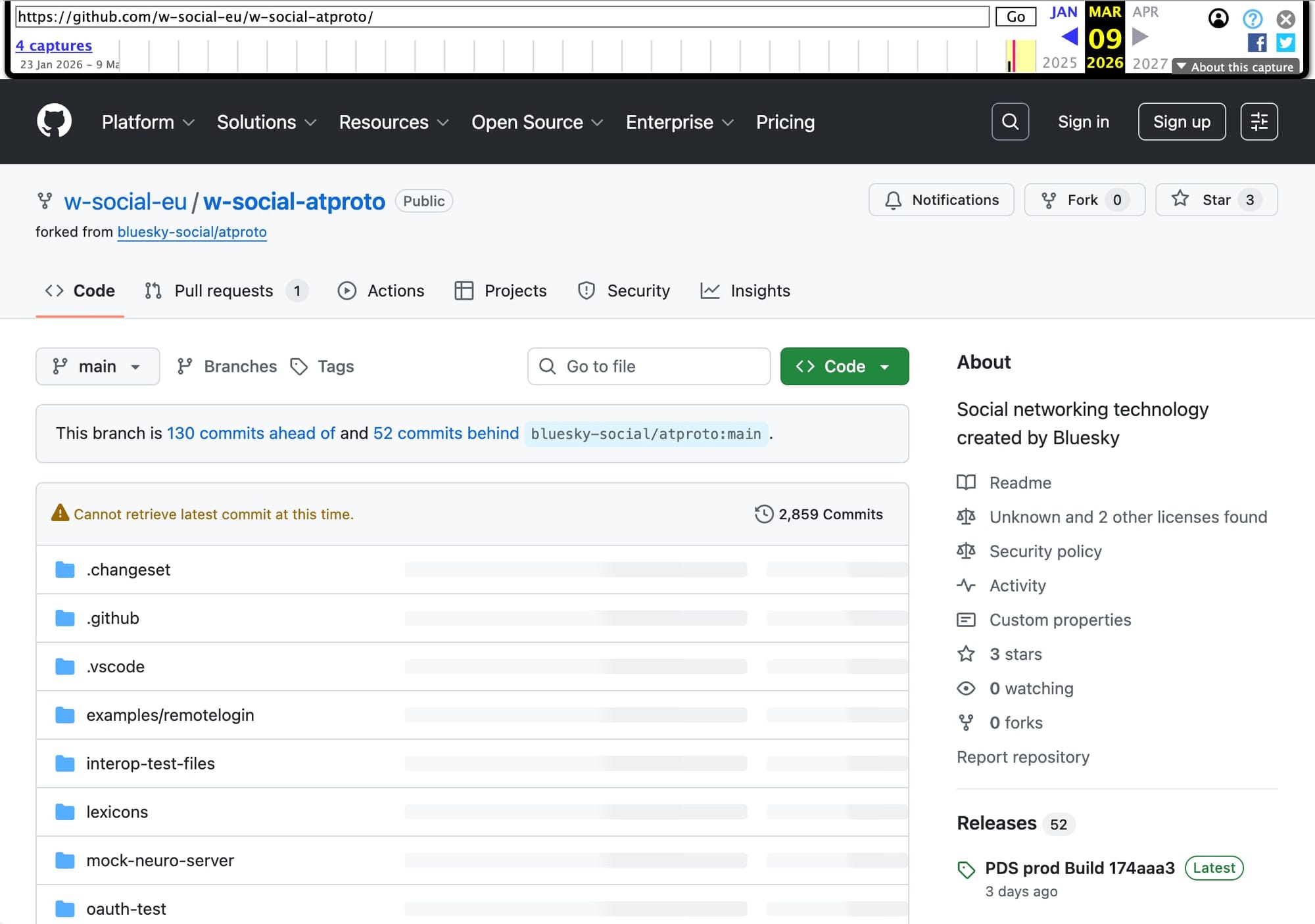
- June 15, 2026: Observers note that the public GitHub repository for W Social, which previously hosted code related to their ATproto implementation, has been purged.
- June 17, 2026: As of this writing, no official explanation has been provided by the European Commission regarding the transition to a platform that has effectively "gone dark" regarding its technical transparency.
The Closed-Source Pivot: A Red Flag for Sovereignty
The most alarming development in this sequence is the disappearance of W Social’s open-source repositories. In the world of decentralized social web infrastructure, transparency is the bedrock of trust. Platforms operating on ATproto are expected to be modular and auditable. While W Social initially provided a public repository on GitHub, it was removed without notice or redirection to a new site, effectively moving the project from an open-source model to a "black box" architecture.
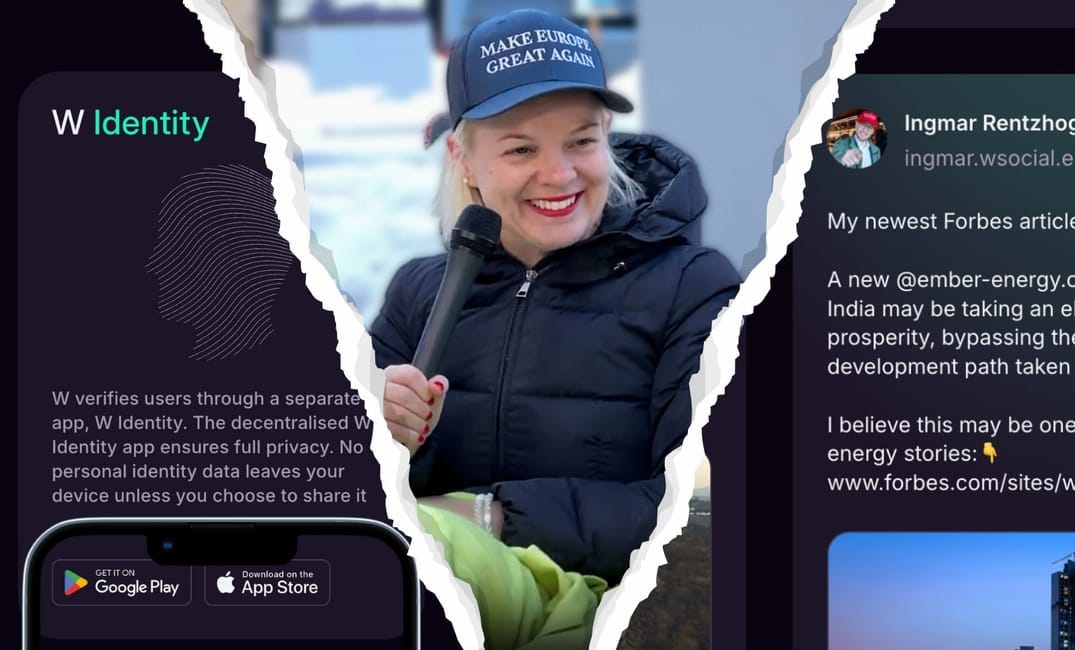
Aral Balkan, co-founder of the Small Technology Foundation, characterizes this move as highly irregular. "The standard practice in the open-source community is to deprecate a repository and provide a clear signpost to where the development has moved," Balkan notes. "Deleting it entirely is a signal—often an intentional one—that the project is moving toward a closed, proprietary model. When you consider that they haven’t provided public access to their web client or mobile application source code, you have to ask: what are they hiding?"
This lack of transparency stands in stark contrast to other European initiatives, such as Eurosky. Operated by the non-profit Modal Foundation, Eurosky has built its reputation on radical openness, providing a transparent roadmap and actively developing sovereign infrastructure—such as their own "firehose" running on European servers—to reduce reliance on external entities.
The "Big Tech" Connection: Who is Behind the Curtain?
The scrutiny surrounding W Social is not merely technical; it is also structural. The company’s advisory board reads like a list of stakeholders from the very Big Tech ecosystems that European regulators claim to be protecting citizens against.
The inclusion of individuals such as Marc Placzek, a former Chief Privacy Officer at PayPal and a current executive at Sam Altman’s Tools for Humanity, is particularly striking. Tools for Humanity—the developer behind Worldcoin—has faced global criticism for its controversial "biometric for payment" model, which relies on iris scanning to verify identity.
When a social platform that prioritizes "identity verification" as a core feature is guided by figures deeply embedded in the "surveillance capitalism" model, the implications for user privacy are significant. The fear among digital rights advocates is that W Social is not a sovereign alternative, but rather a "European Big Tech" startup that mimics the user-tracking behaviors of Silicon Valley while leveraging the branding of European independence.
Implications for Public Policy and Digital Autonomy
The migration of the European Commission’s accounts to W Social creates a dangerous precedent. If the very bodies tasked with enforcing the Digital Markets Act (DMA) and the Digital Services Act (DSA) abandon transparent, open-source platforms for proprietary, opaque ones, they lose the moral and technical authority to demand transparency from others.
1. The Conflict of Values
The Commission’s official policy encourages "digital autonomy through open source." By moving to W Social, they have implicitly endorsed a platform that has abandoned the open-source ethos just as it prepares to scale. This is a direct contradiction of the Commission’s June 3rd mandate.

2. The Identity Verification Trap
W Social’s insistence on identity verification is often presented as a solution to "bots and misinformation." However, this creates a central point of failure: a database of verified identities. For a government institution, this is a privacy nightmare. Who holds the keys to this data? If W Social’s internal infrastructure is closed-source, how can the Commission verify that this data is not being used to train AI models—a practice W Social’s founders have openly admitted they are interested in pursuing?
3. The Future of Institutional Communication
Public institutions have a duty to communicate on platforms that are neutral and accessible. By moving to a private, for-profit network that operates with the secrecy of a traditional corporation, these institutions are effectively gating public access to official government discourse behind a proprietary wall.

Conclusion: A Call for Transparency
The launch of W Social’s public beta is a moment of truth for the company, but it should also be a moment of reckoning for the European institutions that have rushed to join its ranks. Before further institutional resources and digital credibility are invested in this platform, the European Commission owes the public answers to fundamental questions:

- What due diligence was performed regarding W Social’s security, privacy, and open-source compliance before migrating high-level government accounts?
- Why has the platform shifted to a closed-source model, and will the Commission mandate that they return to an open, auditable codebase?
- What safeguards are in place to prevent the utilization of institutional data for the training of proprietary AI models, and who holds the liability if that data is compromised?
Europe stands at a crossroads. It can continue to build a genuinely sovereign, transparent, and decentralized social web—a "Digital Commons"—or it can fall into the trap of replacing American Big Tech with European "people farmers." If the European Commission is serious about its commitment to tech sovereignty, it must hold W Social to the same standards it expects of the rest of the industry. Silence on these issues is not merely an oversight; it is a policy failure that risks the digital rights of every European citizen.
 Iffa Jayyana
  Nana
Nana  Lina Hope