
 By Evan Lee Salim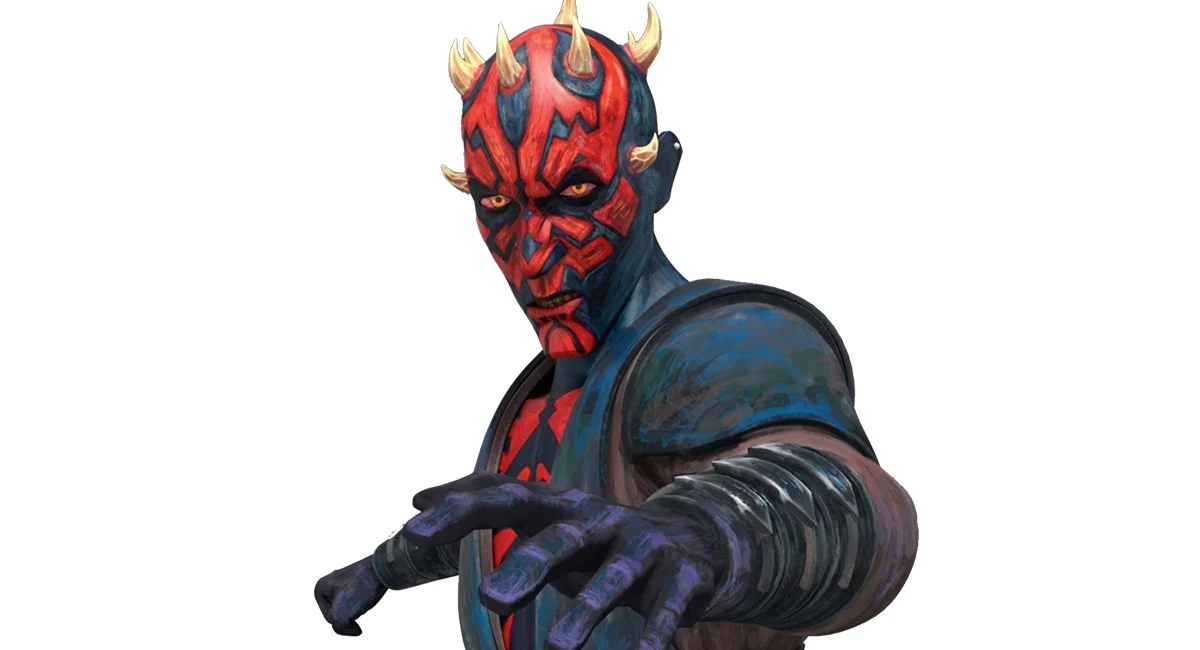
A new animated series delves into the dark and complex legacy of one of Star Wars’ most enduring villains, Maul, with Lucasfilm Animation unveiling a groundbreaking "oil-painted" aesthetic that promises to redefine visual storytelling in the galaxy far, far away.
Darth Maul, a character whose crimson visage and double-bladed lightsaber ignited the imagination of a generation in Star Wars: Episode I – The Phantom Menace, has long transcended his initial role as a silent, menacing enforcer. Over nearly three decades, George Lucas’s creation has evolved into a figure embodying a fierce, tragic, and intelligent fusion of mind and body, his trajectory meticulously charted across various Star Wars media, most notably The Clone Wars and Rebels. Now, Lucasfilm Animation brings forth Star Wars: Maul – Shadow Lord, an animated serial poised to offer an even deeper, visually distinct exploration of this fan-favorite character.
To understand the ambitious visual language of Shadow Lord, we sat down with Lucasfilm Animation Art Director Andre Kirk. Kirk offered unparalleled insights into the conceptual iterations and artistic philosophy that underpin the series’ unique aesthetic, revealing a painstaking process rooted in traditional art forms yet powered by cutting-edge technology.
Main Facts: A Painterly Return to Form for Maul
Star Wars: Maul – Shadow Lord represents a significant artistic leap for Lucasfilm Animation. The series aims to immerse viewers in a "living painting" experience, specifically evoking the rich textures and nuanced lighting of oil paintings. This distinctive style, championed by Lucasfilm President Dave Filoni, marks a return to an earlier artistic vision for The Clone Wars that was previously unattainable due to technological limitations.
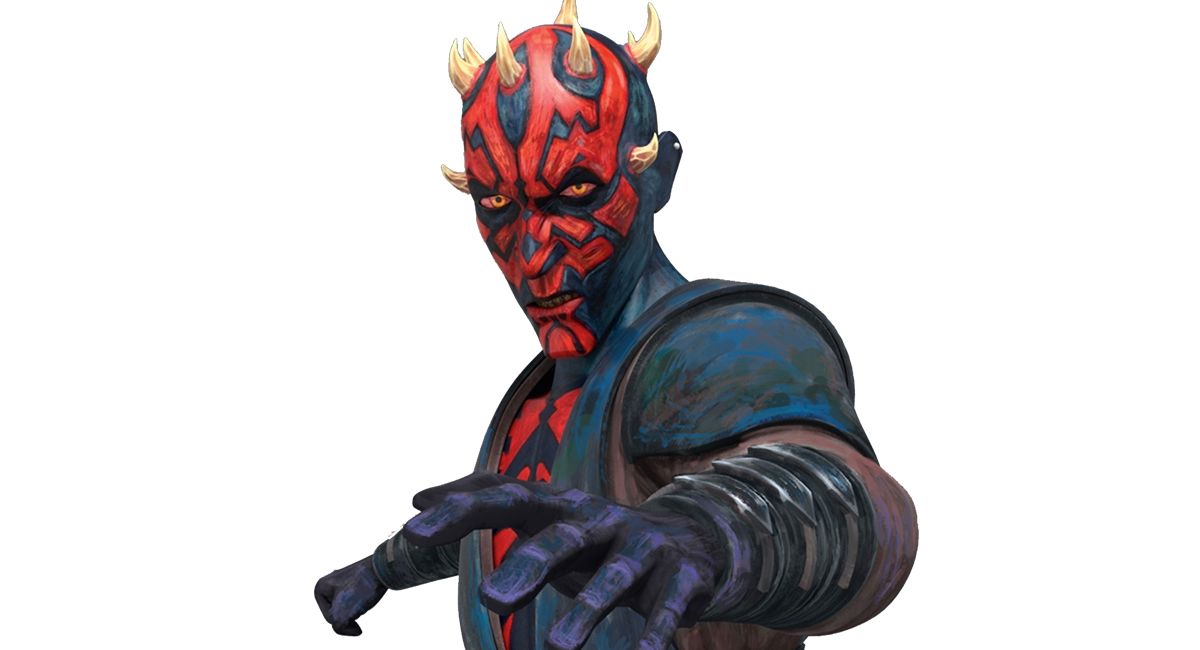
Andre Kirk detailed how the production team meticulously trained artists in traditional oil painting techniques to inform the digital execution. This included emphasizing principles like light being derived from color rather than revealing underlying canvas, and simulating the tangible thickness of paint on surfaces. The goal was to create a visually rich world where every element, from character models to environmental textures and lighting, contributed to this cohesive, painterly illusion.
The series not only promises a unique visual treat but also continues the intricate narrative of Maul, exploring his evolution within the Star Wars canon. Set against the backdrop of new worlds, such as the crater city of Janix, Shadow Lord blends familiar Star Wars iconography with innovative design philosophies, pushing the boundaries of animated storytelling.
Chronology: Maul’s Enduring Legacy and Animation’s Evolution
Maul’s journey in the Star Wars universe is one of remarkable resilience and deepening tragedy. Introduced as a seemingly one-dimensional Sith Lord under Darth Sidious, his presumed demise at the hands of Obi-Wan Kenobi in The Phantom Menace was merely the beginning. Resurfacing in The Clone Wars with cybernetic legs and a mind fractured by vengeance, he transformed into a complex antagonist driven by a lust for power and a desperate need for identity. His narrative thread continued through Star Wars Rebels, culminating in a poignant final confrontation with his old adversary, Obi-Wan, on Tatooine. This rich, layered history provides a fertile ground for Shadow Lord to explore further dimensions of his character, potentially delving into untold chapters or refining existing ones.
The artistic ambition behind Shadow Lord isn’t an isolated incident but rather a culmination of Lucasfilm Animation’s ongoing evolution. Andre Kirk revealed that the desire for a "painterly style" was present even during the early days of The Clone Wars. "A lot of that was going back to the work that we had done on the early series of The Clone Wars and that painterly style that we wanted back then, but a lot of the technology was fighting us in terms of getting it to move and feel like a painting," Kirk explained. Early CGI animation, while groundbreaking, often struggled to emulate the organic imperfections and expressive qualities of traditional hand-drawn or painted art. Textures were often flat, and lighting, while sophisticated for its time, couldn’t achieve the volumetric depth and nuanced color interactions seen in real oil paintings.
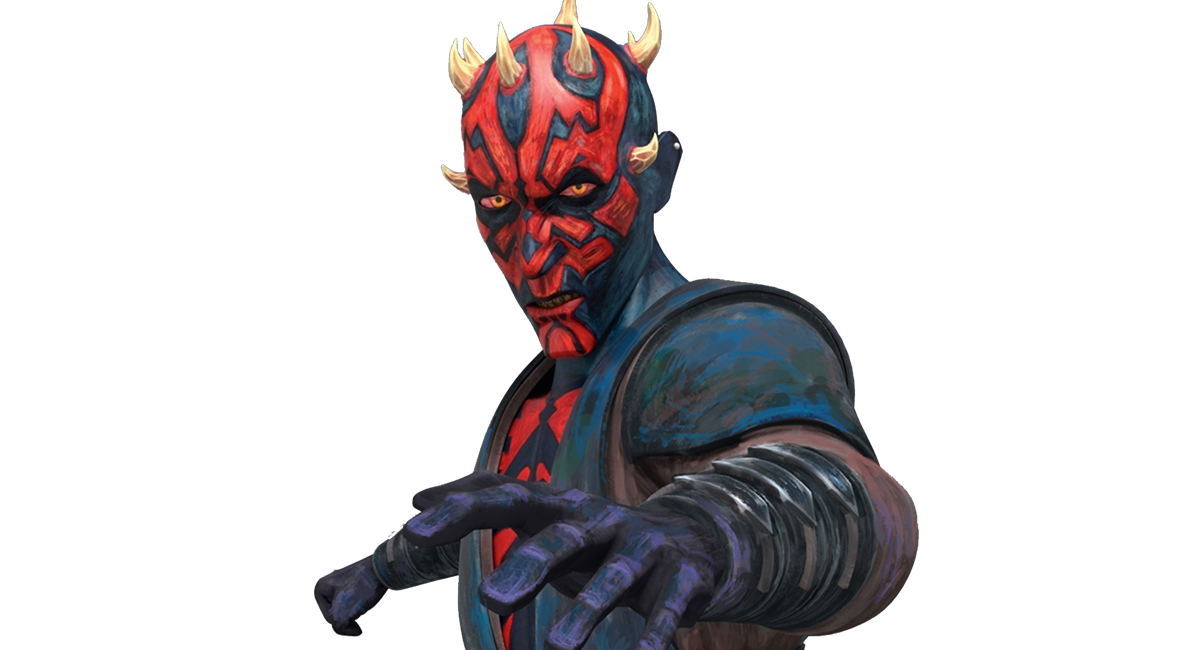
However, advancements in animation technology – particularly in rendering, texturing, and lighting pipelines – have now unlocked this previously elusive vision. Modern software and hardware allow artists to simulate intricate brushstrokes, depth of field, and sophisticated light interactions with unprecedented fidelity. This technological leap enables Lucasfilm Animation to finally realize Dave Filoni’s long-held artistic dream for Shadow Lord, bridging the gap between digital precision and the warmth of traditional art. This shift represents not just an aesthetic choice, but a maturation of the medium itself, allowing for a more profound and immersive visual experience that harks back to classical art forms while firmly embracing the future of animation.
Supporting Data: The Art and Craft Behind the "Living Painting"
The creation of Star Wars: Maul – Shadow Lord involved a meticulous blend of traditional artistic principles and cutting-edge digital techniques, spearheaded by Andre Kirk and guided by Dave Filoni’s overarching vision.
The Painterly Aesthetic: From Canvas to Screen
The core of Shadow Lord‘s visual identity lies in its "oil-painted style." Kirk elaborated on the foundational training provided to the animation team. "Subsequently, it was about training the team in oil painting, explaining to them this look that we wanted and how you would traditionally paint it," he noted. This wasn’t merely about superficial texture; it was about understanding the very essence of the medium. For instance, Kirk emphasized, "We don’t want to see the paper underneath the paint. Think of this as oil painting. If you want light, it’s the colour; it’s not the paper revealing itself." This distinction is crucial: in traditional oil painting, highlights are achieved by building up layers of lighter, opaque paint, not by allowing the canvas to show through. This principle was meticulously translated into the digital realm, requiring sophisticated shaders and rendering techniques that treat light as an intrinsic property of the painted surface rather than a separate overlay.
The team explored the differences between various traditional media – watercolor, gouache, oil, and acrylic – to pinpoint the specific characteristics they wanted to replicate. The goal was to achieve "the feeling of the thickness of the paint on surfaces," moving beyond simple digital textures. This involved developing custom brushstroke patterns, simulating impasto effects where paint visibly stands off the surface, and ensuring that lighting interacted with these simulated brushstrokes to create a sense of tangible depth and texture. Advanced effects pipelines were crucial for rendering "some of those edges to reflect the painterly nature that we’re after," providing a dynamic, almost hand-crafted feel to every frame. For younger designers less familiar with traditional art, this training was transformative, ensuring a consistent artistic language across all departments – from asset creation to lighting and final rendering.
Environmental Storytelling: The City of Janix
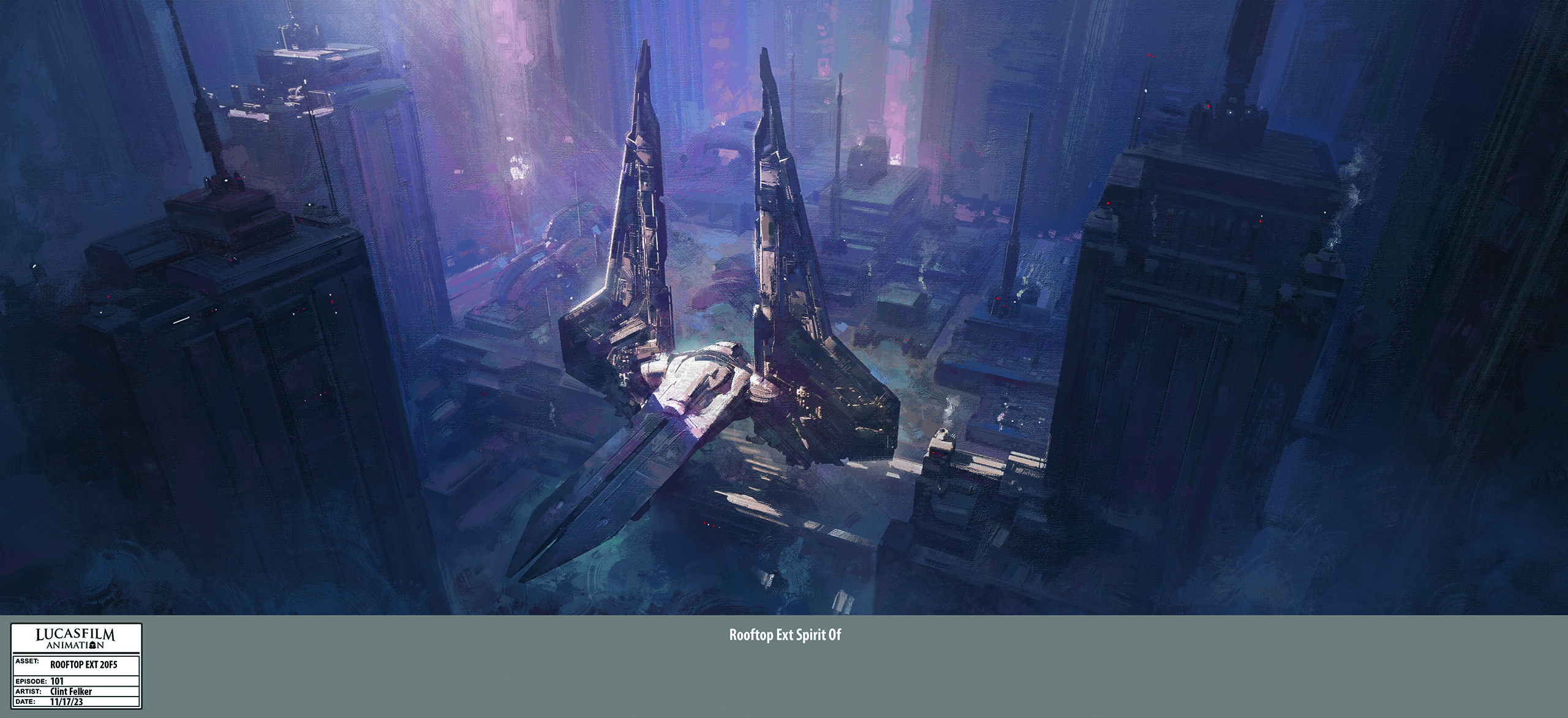
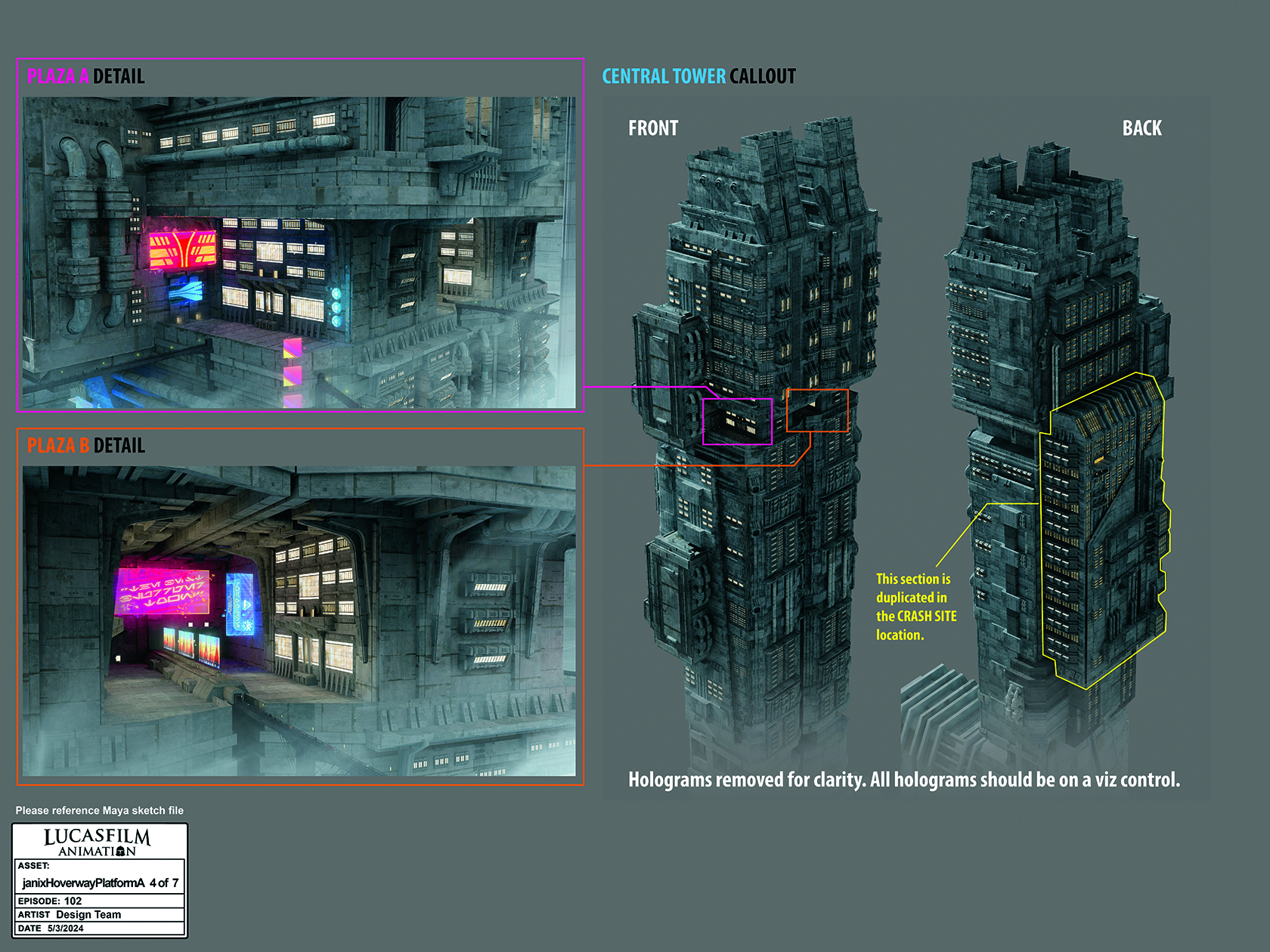
The world-building for Shadow Lord is equally detailed, with environments like the jungle planet Janix designed to reflect specific aesthetic and functional considerations. Dave Filoni’s vision for Janix was clear, beginning with sketches of a city nestled within a ancient crater, surrounded by smaller satellite settlements. This topographical detail immediately sets a distinct tone, suggesting a history of geological upheaval and subsequent organic development.
A key design directive for Janix was "retro-futurism," a style that envisions the future through the lens of past eras, often drawing from mid-20th-century design movements. This contrasts sharply with the sleek, often sterile high-tech aesthetic prevalent in many Star Wars locales like Coruscant. Retro-futurism on Janix might manifest in architectural elements that evoke Art Deco, Streamline Moderne, or even mid-century modern designs, but with futuristic functionality. Imagine vehicles with chrome accents and rounded forms, or buildings with ornate, yet functional, details, all rendered with a painterly touch.
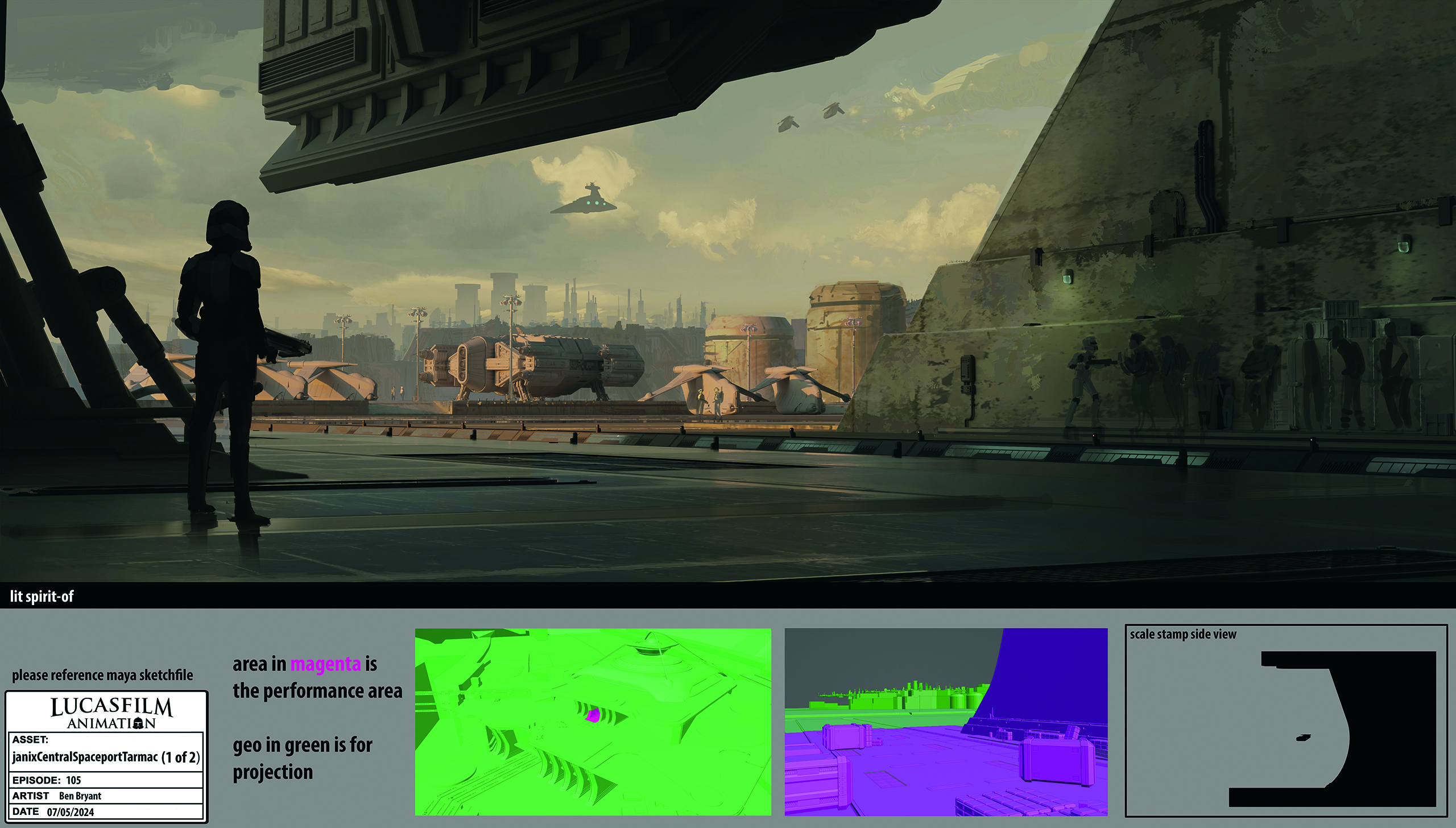
Furthermore, Filoni specified a focus on "terrestrial transportation as opposed to air transportation." This seemingly small detail has profound implications for urban planning. Kirk explained the cascade of questions this decision triggered for the design team: "Do you have a tube transportation system? How do people get around? Do we need to make room for pedestrians? Is this a walkable city?" These practical considerations, often overlooked in fantastical settings, ground Janix in a sense of reality. Designers had to integrate elements like subway entrances, crosswalks, and central road islands, even if their primary task was a building facade. This holistic approach ensures that Janix feels like a lived-in, believable environment, where its inhabitants face problems akin to those in our own world, adding a layer of relatable authenticity to the fantastical setting. Concept art by Clint Felker and Ben Bryant, such as the visualisation of Janix’s spaceport or the menacing planet itself, exemplifies this intricate balance of practical design and atmospheric storytelling.
Character Design: Maul and Beyond
The character design process for Shadow Lord is a testament to balancing iconic recognition with unique artistic interpretation. Maul himself served as a "test character" for the new visual style. The challenge was to achieve the "living painting feeling" while ensuring Maul remained "immediately recognisable, but we also want to be able to say ‘That’s our Maul.’" This meant iterating on his facial features, the intensity of his tattoos, and the texture of his horns, ensuring that while he was unmistakably Maul, he also carried the distinct artistic signature of Shadow Lord. This iterative process involved all departments—modeling, texturing, animation, and lighting—to understand how the new aesthetic would translate into a moving character.
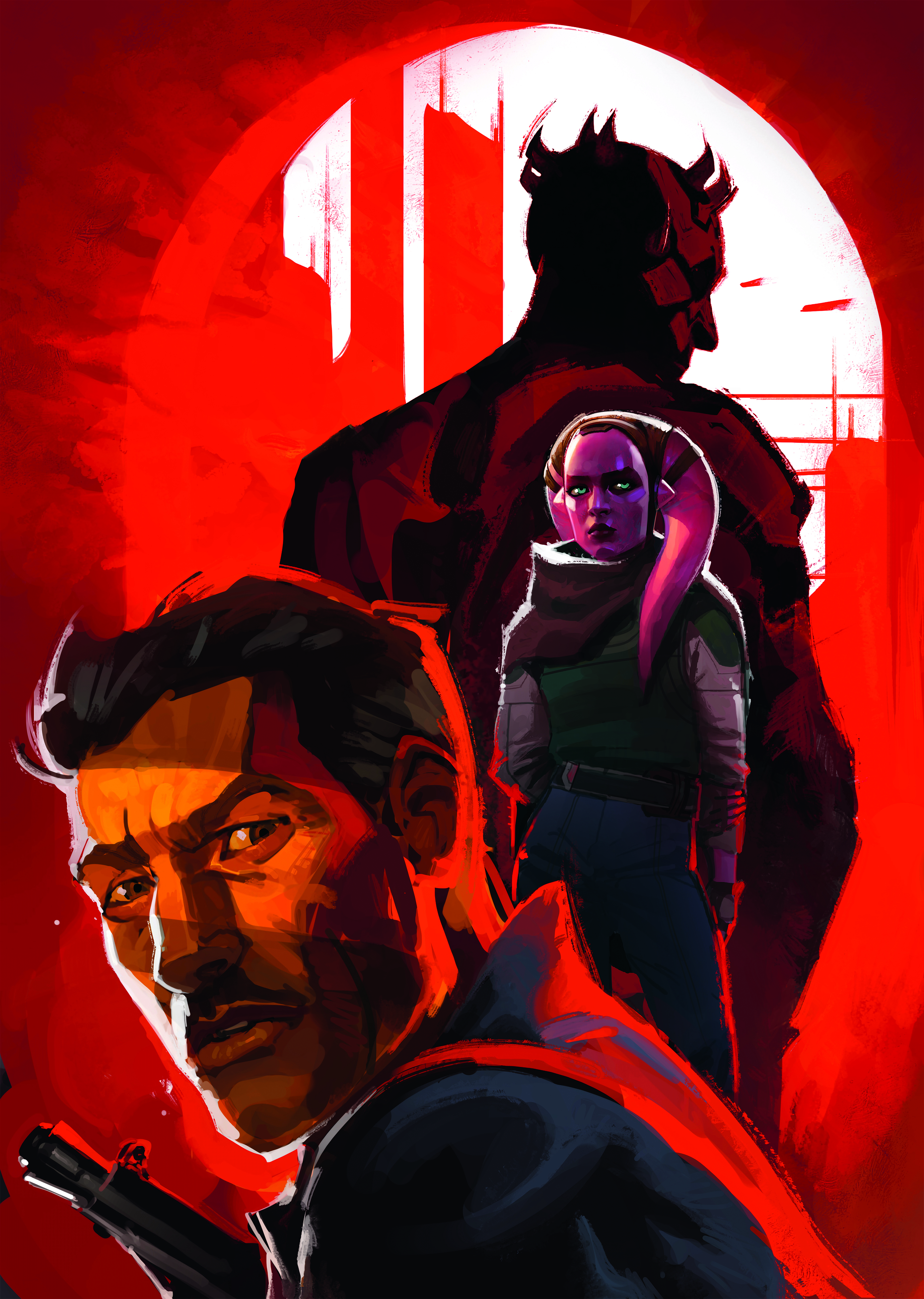
The Lucasfilm Animation team follows a highly structured, yet creatively intensive, seven-day character iteration process. This strict timeline demands efficiency and thoroughness. The ultimate goal is to produce a design sheet that leaves "no questions asked" when handed off for 3D asset creation, preventing costly delays. The design package consists of two main components:
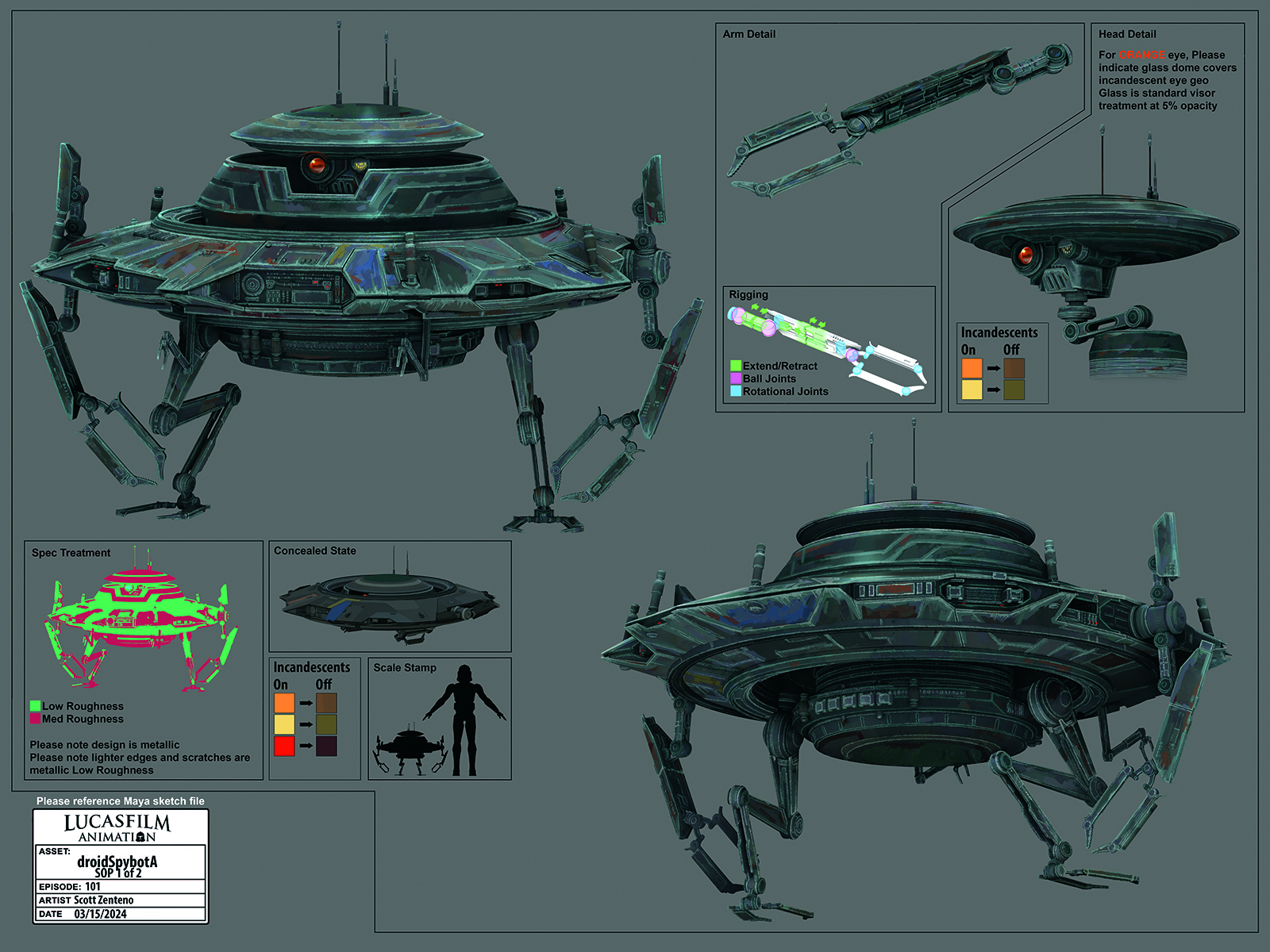
- Technical Orthographic Turns: These are the precise, engineering-focused drawings. They include front, back, and side-view angles. To ensure accuracy, the side-views are "flat-coloured," providing the most accurate information on how to interpret a design’s textures without the influence of lighting. Details on line work and base colors are also included. Critical information, such as a character’s base skin tone, is provided via hex numbers to ensure accurate appearance across diverse lighting conditions. Eye and pupil size are also specified, indicating whether a character is human or an alien species. Any special effects, like a "glowing right hand," are explicitly called out for animation, asset, and effects supervisors, complete with color specifications.
- "Spirit-Of" Images: These are more expressive and stylized, capturing the "mannerisms of the character and more vibrant and stylised colours." While the technical designs might show a character in a neutral "A-pose" for ease of modeling, the "Spirit-Of" images convey personality, movement, and emotional range, providing the crew with a holistic understanding of "what and who a character is."
The process begins with "rough sketches out on the first day," with Andre Kirk emphasizing the importance of "silhouette roughs." "The rougher the better so we can get those iconic images," he stated. A strong silhouette ensures that a character is recognizable even when backlit or in a crowd, a crucial aspect of visual storytelling in a dynamic medium. Artists are encouraged to create "about five or six roughs" to explore different iconic poses and expressions before refining the design into the final package.
Crafting Alien Empathy: Jedi Master Eeko-Dio Daki
Designing alien characters presents a unique set of challenges, particularly when they need to convey complex emotions and engage in meaningful dialogue. Jedi Master Eeko-Dio Daki serves as a prime example. The team sought to create a new species that was distinctly "Star Wars" but not merely a "standard dinosaur." The primary hurdle, as Kirk articulated, is enabling an alien character to "emote, which is always tricky the further you go away from the human."
The goal was for Daki to "hold a conversation with you" in a neutral conversational turn, fostering relatability rather than fear or laughter. This requires careful consideration of facial anatomy, subtle movements, and expressive eyes. Balancing Daki’s potential to be "scary" with his capacity for "all these other emotions too" involved striking a delicate balance in his design.
Beyond individual character traits, alien design also involves integration into the wider world. The challenge of creating a unique character that can also "blend into a crowd" is solved by populating the environment with a diverse array of other aliens. This reinforces the idea that Daki is "just another alien that you’re talking to," rather than an isolated spectacle. This contextualization allows the character’s performance, emotions, and motivations to shine through, demonstrating their capability for varied human-like experiences within a non-human form. Chris Madden’s concept art, such as the image of Maul and Devon, further underscores the importance of quickly readable character silhouettes, ensuring even alien forms contribute to the overall visual clarity and storytelling.
Official Responses: Andre Kirk’s Vision and Filoni’s Influence
Andre Kirk’s insights highlight the collaborative and visionary process at Lucasfilm Animation. His direct quotes underscore the significant involvement of Lucasfilm President Dave Filoni in shaping the aesthetic of Shadow Lord. "Dave Filoni was very involved in the look and what he wanted it to be," Kirk affirmed, emphasizing Filoni’s desire to revisit and perfect the painterly style first conceived for The Clone Wars. Filoni’s early sketches for Janix and his specific directives for terrestrial transportation further illustrate his hands-on approach to environmental design.
Kirk’s role as Art Director involved translating Filoni’s vision into actionable tasks for the animation team. This included leading the training in traditional oil painting techniques and ensuring that every department understood and contributed to the cohesive "living painting" aesthetic. His description of the character design workflow—from initial silhouettes to detailed orthographic sheets and expressive "Spirit-Of" images—reveals a system designed for both artistic freedom and technical precision, ensuring that the final animated product perfectly embodies the initial design intent.
Ultimately, Kirk describes the design team’s unique position: "There’s no filter between us and the final product being made." They are the first artists to interpret the script, visualizing the engineering, blocking, and world-building. This direct influence allows them to maintain "ownership of the character and how he fit in with the world we were creating," ensuring that Star Wars: Maul – Shadow Lord is not just another iteration, but "distinctly Maul – Shadow Lord," a unique artistic statement within the vast Star Wars universe.
Implications: A New Dawn for Star Wars Animation
The ambitious artistic direction of Star Wars: Maul – Shadow Lord carries significant implications for the future of Star Wars animation and the broader animation industry.
Impact on Star Wars Animation
By successfully realizing a "living oil painting" aesthetic, Shadow Lord sets a new benchmark for visual storytelling within the Star Wars universe. This stylized approach could pave the way for other Star Wars animated projects to experiment with diverse artistic styles, moving beyond the more conventional CGI look. It suggests a willingness from Lucasfilm Animation to embrace artistic innovation and push the boundaries of what is visually possible in 3D animation. This could lead to a rich tapestry of visual aesthetics across future series, allowing each story to be told with a unique and fitting artistic voice. Fans, accustomed to the evolving visual styles of The Clone Wars and Rebels, are likely to appreciate this artistic ambition, potentially fostering a deeper engagement with the animated medium itself.
Broader Industry Trends
The approach taken by Shadow Lord aligns with a growing trend in the animation industry where creators are increasingly blending traditional art forms with cutting-edge technology. This hybrid methodology, often dubbed "tradigital," seeks to harness the efficiency and dynamism of CGI while retaining the warmth, texture, and expressiveness of hand-crafted art. By meticulously training digital artists in traditional painting techniques and then leveraging advanced rendering pipelines to simulate these effects, Lucasfilm Animation is demonstrating a powerful pathway for future productions. This could inspire other studios to explore similar artistic fusions, leading to a renaissance of visually diverse animated content that bridges the gap between classic artistry and modern technological prowess.
The Enduring Legacy of Maul
Star Wars: Maul – Shadow Lord is poised to further solidify Maul’s status as one of Star Wars’ most compelling and complex characters. By giving him his own dedicated animated serial with such a distinct visual identity, Lucasfilm Animation is underscoring his importance to the saga. The series will undoubtedly delve deeper into his psyche, motivations, and tragic existence, offering fans new perspectives on his journey from vengeful Sith apprentice to a broken, yet formidable, shadow lord. This continued exploration ensures that Maul remains a relevant and fascinating figure, continuing to resonate with audiences nearly three decades after his initial appearance.
In conclusion, Star Wars: Maul – Shadow Lord is more than just another Star Wars story; it is a profound artistic statement. Through the visionary leadership of Dave Filoni and the meticulous execution of Andre Kirk and his team, Lucasfilm Animation is crafting a series that is not only narratively compelling but also a groundbreaking achievement in animated artistry. By returning to an old dream and leveraging new technology, they are inviting audiences to experience the galaxy far, far away through the rich, textured lens of a living oil painting.
This article originally appeared in ImagineFX. Subscribe to ImagineFX to never miss an issue. Print and digital subscriptions are available.
For more animation news, see why one former Pixar artist is now making generative AI animation with Google DeepMind.
Creative Bloq is now easier to access than ever before with our on-the-go app, which brings you all the content you know and love from our website, but in a super-streamlined design.
Download the Creative Bloq app for iOS
Download the Creative Bloq app for Android
 Nana
Nana  Ammar Sabilarrohman