
 By Evan Lee Salim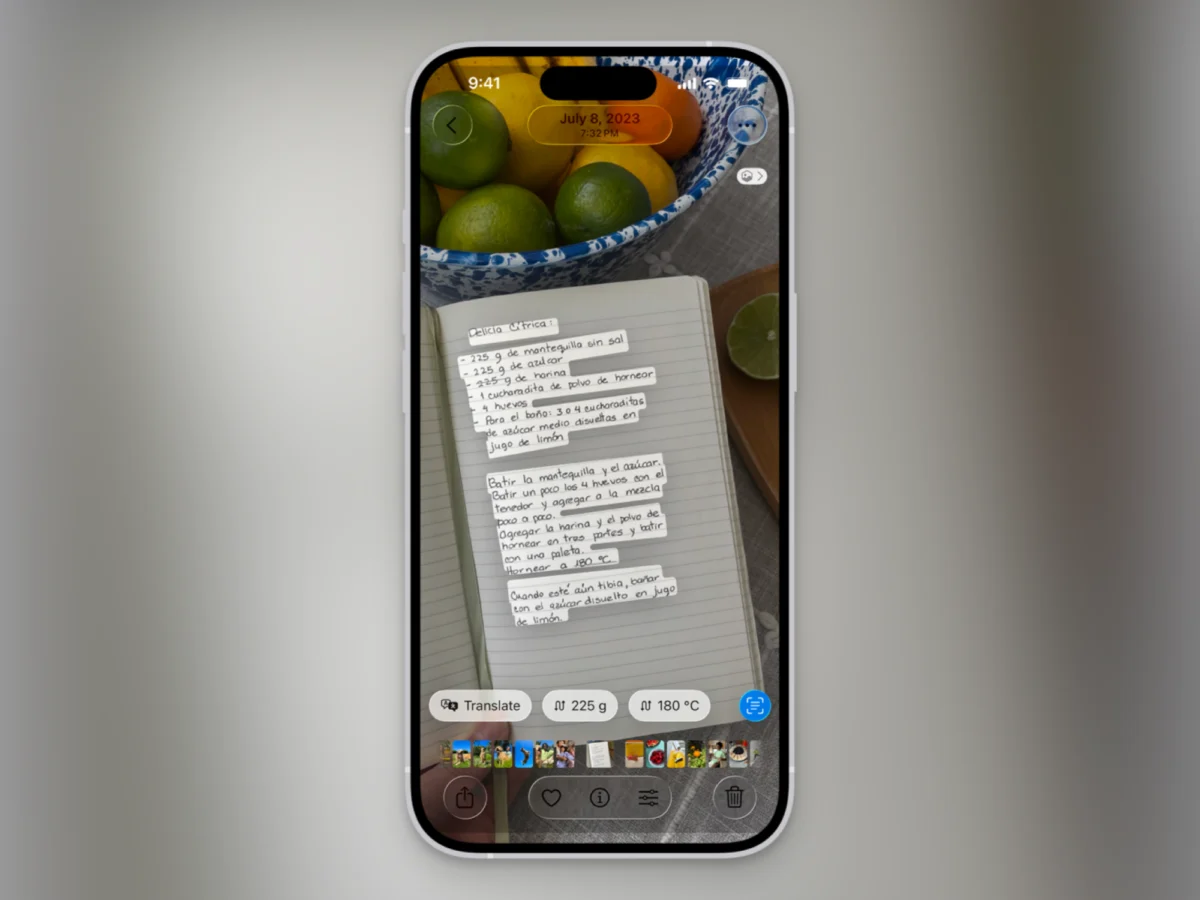
By Khamosh Pathak | Published: September 18, 2026
Main Facts
For the casual user, the iPhone’s on-screen keyboard appears largely unchanged from the interface introduced a decade ago. Beneath its deceptively minimalist glass surface, however, Apple has quietly integrated a robust suite of hidden gestures, advanced haptics, optical character recognition (OCR), and machine-learning tools designed to dramatically accelerate daily communication.
While many users remain tethered to legacy habits—such as the famously cumbersome gesture of physically shaking an iPhone to undo a typing mistake—iOS hides a deeply sophisticated ecosystem of shortcuts. From transforming the spacebar into a trackpad to establishing multi-language input without keyboard switching, these tools fundamentally redefine how users interact with text on mobile devices. This comprehensive guide details 10 essential techniques to optimize iPhone typing speed, reduce physical strain, and maximize productivity.
Chronology
The evolution of the iOS typing experience has been a gradual, multi-year journey defined by incremental updates rather than sweeping redesigns:

- Early iOS Era: The iPhone relied strictly on a static glass keyboard layout requiring manual switches between alphabetical, numerical, and symbolic pages, with basic autocorrect serving as the primary automated feature.
- The Taptic Engine Introduction: With the advent of hardware-level Taptic Engines in later iPhone models, Apple laid the physical groundwork for tactile feedback, though keyboard haptics remained absent for years.
- iOS 16 and Taptic Keyboard Integration: Apple finally introduced native keyboard haptics, allowing users to feel physical clicks without mechanical keys. Concurrently, advanced cursor navigation (via the spacebar trackpad) and multi-finger editing gestures matured.
- The AI and OCR Era (Recent Years): The integration of Live Text directly into the camera viewfinder and the rollout of Apple Intelligence’s system-wide "Writing Tools" transformed the keyboard from a mere input device into an intelligent text-editing suite.
Supporting Data & Functional Breakdown
1. Elevate Feedback: Use Keyboard Haptics to Simulate a Physical Keyboard
Typing on a flat glass screen often feels sterile, lacking the mechanical feedback users appreciate on traditional desktop keyboards. While physical iPhone keyboard cases (such as the Clicks keyboard) offer hardware solutions, the iPhone’s built-in Taptic Engine can simulate tactile resistance natively.
- How to enable: Navigate to Settings > Sounds & Haptics > Keyboard Feedback, and toggle on Haptic Feedback. This emits a subtle, satisfying click with every keystroke, dramatically improving typing accuracy and rhythm.
2. Bypass Layout Switches: The Hidden Number and Symbol Gesture
Switching back and forth between the alphabetical keyboard and the "123" layout slows down sentence composition. However, a hidden gesture lets users access numbers and symbols instantly.
- How to execute: Tap and hold your finger on the 123 key, drag your finger across the screen to the desired number or symbol without lifting it, and release. The keyboard automatically inserts the character and instantly snaps back to the alphabetical layout.
3. Streamline Data Entry: Use the Camera to Scan Text into Any Field
Leveraging iOS’s built-in Optical Character Recognition (OCR), users can bypass the keyboard entirely when entering physical text, serial numbers, or Wi-Fi passwords.
- How to execute: Point your iPhone camera at any text field. A yellow border will frame the text, alongside a Live Text button in the bottom-right corner. Tap the button, select the text, and hit Copy. When you tap any active text field on your phone, iOS will immediately suggest pasting the copied text.
4. Overcome Screen Size: Enable One-Handed Mode
On larger Max-sized iPhones, reaching across the entire screen with one thumb causes hand strain and typos.

- How to execute: Tap and hold the Globe key on the bottom-left of the keyboard and select the left or right one-handed docking icon. Alternatively, go to Settings > General > Keyboard > One-Handed Keyboard and designate your preferred alignment. Tap the floating arrow to snap the keyboard back to full size.
5. Automate Repetition: Build a Custom Text Replacement Library
For email signatures, home addresses, or boilerplate responses, typing the same phrases daily is inefficient.
- How to execute: Go to Settings > General > Keyboard > Text Replacement. Tap the + (Plus) icon in the top right. Enter your expanded text in the "Phrase" field and your chosen shorthand trigger (e.g., "!address") in the "Shortcut" field.
Official Responses & Industry Context
Human-computer interaction (HCI) specialists and Apple’s interface design teams have long emphasized that reducing cognitive and physical friction on mobile devices is paramount to user satisfaction. According to Apple’s accessibility and usability guidelines, minimizing the number of taps required to complete repetitive tasks—such as switching keyboard pages or correcting syntax errors—directly correlates with reduced rates of repetitive strain injuries (RSI) in mobile users.
Competitor operating systems, notably Android via Gboard, have historically offered modular features like adjustable keyboard sizing and floating layouts. Apple’s steady integration of haptic feedback, deep OCR integration, and system-wide AI writing assistants represents a concerted effort to close this feature gap while maintaining the security and efficiency of the native iOS architecture.
Implications for Productivity and Device Usage
Mastering these 10 built-in shortcuts fundamentally changes how efficiently a user can operate an iPhone.

- Precision Editing: Beyond basic text selection (double-tapping for words, triple-tapping for sentences, and quad-tapping for paragraphs), users can utilize the three-finger pinch-in to copy, three-finger pinch-out to paste, and three-finger left swipe to undo. Combined with the spacebar trackpad trick—where holding the spacebar turns the entire keyboard into a trackpad that can be navigated with a second finger—text editing rivals desktop proficiency.
- Dictionary Maintenance: Users frustrated by erratic autocorrect suggestions or lingering slang from group chats can completely clear out poisoned data by navigating to Settings > General > Transfer or Reset iPhone > Reset > Reset Keyboard Dictionary.
- Multilingual Fluidity: Rather than manually toggling keyboard layouts to communicate in multiple languages, users can enable seamless dual-language input via Settings > General > Keyboard > Keyboards > Add New Keyboard, allowing iOS to dynamically predict words in multiple tongues simultaneously.
- On-Device AI Proofreading: For eligible devices running Apple Intelligence (iPhone 15 Pro and newer), system-wide Writing Tools accessible within Mail, Notes, and messaging fields allow users to refine tone, summarize text, or check for grammatical errors instantly without subscribing to third-party software.
By moving beyond the basic visual interface of the standard iOS keyboard, users can unlock a faster, more ergonomic, and highly customized mobile writing environment.
 Pevita Pearce
  Ammar Sabilarrohman
  Nana Muazin