
 By Lina Hope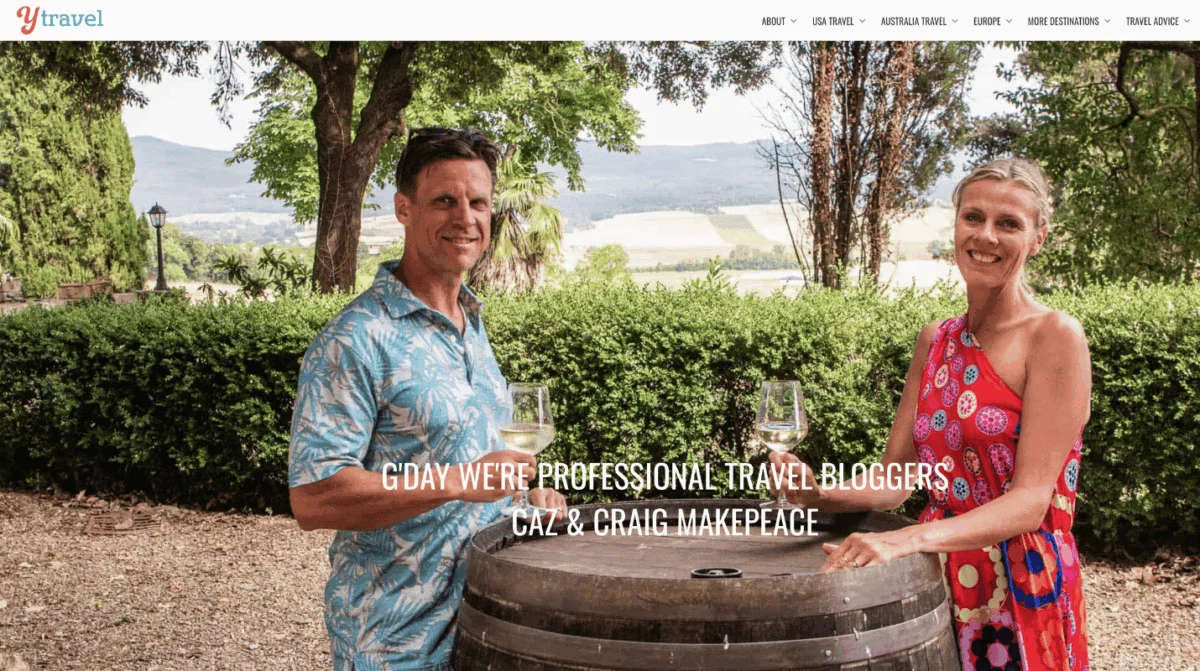
In the crowded landscape of the modern internet, millions of posts are published daily. Many aspiring creators follow the "perfect" blueprint: they master keyword research, optimize their site architecture for search engines, and maintain a rigorous posting schedule. Yet, despite checking every technical box, they often find their traffic flatlining and their engagement metrics stagnant.
The missing ingredient—the elusive factor that separates a fleeting visitor from a lifelong subscriber—is personality. In an era increasingly dominated by AI-generated content and mass-produced information, the human element has become the most valuable currency in the digital economy.
The Power of the Personal Brand
Personalization is not merely about adding a photo of yourself to the sidebar. It is a strategic injection of voice, aesthetic, and vulnerability into your platform. It is the deliberate act of humanizing a digital space to facilitate trust. When readers feel they are interacting with a human being rather than a corporate entity, the psychological barrier to engagement drops.
Top-tier bloggers have long understood that while SEO brings a reader to the site, personality keeps them there. By cultivating an authentic online presence, these creators transform their platforms from simple content repositories into vibrant communities.

Chronology of the Personalization Evolution
The shift toward "personality-driven" blogging has evolved in distinct phases over the last two decades:
- 2000–2008 (The Diary Phase): Early blogging was raw and unpolished. It was essentially the digital age’s answer to the personal journal.
- 2009–2015 (The Professionalization Phase): As blogging became a viable business, the industry pivoted toward high-end design, strict editorial calendars, and aggressive SEO strategies.
- 2016–2022 (The Influencer/Brand Phase): The rise of social media forced bloggers to integrate their personal brand identity across multiple channels, emphasizing visual consistency.
- 2023–Present (The Authenticity Era): In the face of AI-generated content, there is a renewed, urgent demand for "human-first" content that features unique perspectives, personal anecdotes, and distinct, identifiable voices.
Strategic Pillars of Blog Personalization
To understand how to effectively personalize a blog, we must look at the specific tactics employed by successful creators. These strategies are not universal, but they serve as a blueprint for finding your own voice.

1. Visual Storytelling: The "YTravel" Approach
Caz and Craig of YTravel understand that certain niches—travel, food, and fashion—are inherently visual. Their success is rooted in their ability to pair informative, high-value content with authentic photography.
- The Lesson: Whether it is a candid family shot during a flight or a beautifully composed landscape, imagery serves as a bridge. If your niche is visually driven, your photography should tell the story that your text cannot, creating an emotional resonance that generic stock photos never will.
2. Quirky Identity and "Flair": Lessons from Pat Flynn
Pat Flynn of Smart Passive Income demonstrates that personalizing a site can be as simple as defining your roles clearly. By labeling himself as a "father, husband, and serial entrepreneur," he instantly humanizes his professional expertise. The addition of "protector of baby Yoda" adds a layer of levity that makes him approachable.

- The Lesson: Don’t hide your hobbies or your human quirks. They are the "hooks" that allow readers to find common ground with you.
3. Tone of Voice: The Shannon Kelly White Model
Language is one of the most powerful tools in a creator’s arsenal. Shannon Kelly White utilizes a direct, often salty, and unvarnished tone. While this may alienate some readers, it acts as a filter that attracts her ideal, like-minded audience.
- The Lesson: You cannot be everything to everyone. A distinct, polarizing, or highly specific tone is far better than a bland, "safe" voice that is easily forgotten.
4. Visual Assets: The "Blog Tyrant" Mascot
Ramsey, the creator behind Blog Tyrant, uses a custom-illustrated avatar. This visual shorthand creates an immediate association between the content and the brand.

- The Lesson: If you aren’t comfortable with high-frequency photography, consider investing in custom illustrations or a strong, consistent logo design that reflects your personality.
5. The "About" Page: The Heart of the Site
A Beautiful Mess uses their "About" page to ground the brand. New visitors often land on a specific blog post, but they click the "About" page to decide if they want to stay.
- The Lesson: Your About page should not be a resume. It should be a narrative that explains your "Why." Treat it as your elevator pitch to potential long-term readers.
Supporting Data: Why Personality Matters
Research into digital consumption shows that "trust" is the primary driver of conversion. A study by the Digital Marketing Institute noted that content featuring a recognizable human persona receives 40% higher engagement rates compared to faceless, purely informational content. Furthermore, returning visitor rates are significantly higher for blogs where the creator’s voice is consistent across all social channels, as seen in the branding strategy of Chris Ducker.

Official Perspectives: The Creator’s Dilemma
Industry experts often warn of the "perfection trap." Many bloggers spend months on site design and color palettes, believing that visual perfection is the key to success. However, creators like Jadah Sellner have proven that color theory and branding should serve as an extension of the person, not a mask. When a blogger’s personal aesthetic matches their site’s color scheme, it creates a subconscious sense of cohesion that makes the reader feel "at home."
Implications for the Future of Blogging
The rise of AI-driven content creation has profound implications for human bloggers. As search engines become flooded with generic, computer-generated "how-to" articles, the value of human experience will skyrocket.

The Human-First Advantage
- Unique Anecdotes: An AI can summarize the best ways to travel, but it cannot share the specific, messy, beautiful experience of navigating a foreign airport with a toddler.
- Community Building: By defining your audience—as Emily from Puttylike does with the term "Multipotentialite"—you create a subculture. You aren’t just a writer; you are a leader of a specific group of people.
- Direct Calls to Action: As Kelly Exeter suggests, cut through the noise. Don’t hide behind complex funnels; tell your readers exactly who you are, what you offer, and why they should join you.
Conclusion: Taking the Next Step
Personalization is an iterative process. It begins with the courage to be seen, the consistency to remain recognizable, and the strategic clarity to define your niche.
As you look at your own blog, ask yourself these three questions:

- Is my voice distinct, or could this content have been written by anyone?
- Do my visuals tell a story about who I am, or are they merely decorative?
- Does my About page invite a connection, or does it just list facts?
The next step is not to add more content, but to add more you. By leaning into your quirks, your specific aesthetic, and your unique perspective, you move from being a commodity to being a destination. In a world of algorithms, be the human that keeps people coming back.
 Asep Darmawan
  Siti Muinah
  Azzam Bilal Chamdy