
 By Pevita Pearce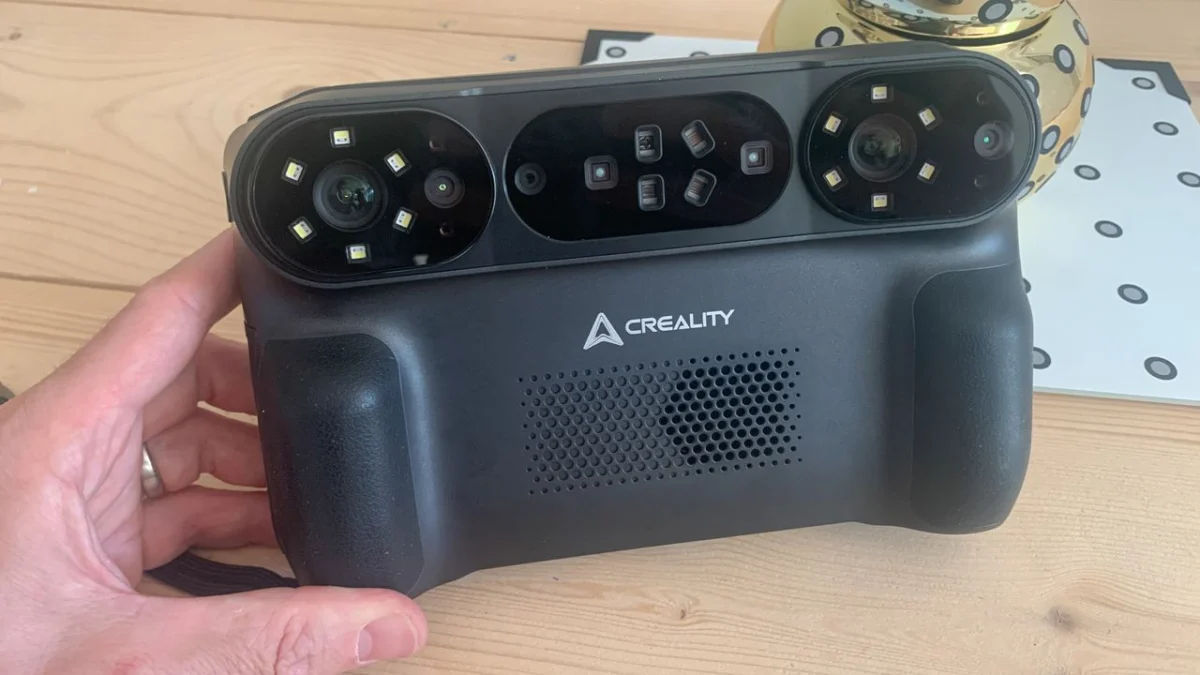
Shenzhen, China – [Current Date] – Creality, a titan in the 3D printing industry, has made a decisive move into the professional 3D scanning market with the launch of its Sermoon P1 Scanner. This ambitious release aims to solidify Creality’s standing as a holistic "pro maker" in digital fabrication, complementing its well-established reputation for manufacturing some of the industry’s top 3D printers. The Sermoon P1 distinguishes itself through its remarkable standalone capabilities, powered by an integrated 8-core processor, a vibrant 6-inch touchscreen, and hot-swappable batteries, effectively liberating users from the confines of a PC for most scanning and processing tasks.
Main Facts: Unveiling the Sermoon P1’s Core Strengths
The Creality Sermoon P1 enters the market as a formidable contender, positioned squarely between consumer-grade scanners and high-cost industrial rigs. Its most compelling feature is undoubtedly its total standalone operational capacity. This portability and self-sufficiency are driven by an impressive onboard hardware suite: a robust 8-core processor, a generous 6-inch full HD touchscreen, and an innovative hot-swappable battery system. This configuration means that complex data processing, often requiring a tethered PC, can largely be handled directly on the device, offering unprecedented freedom and flexibility for professionals.
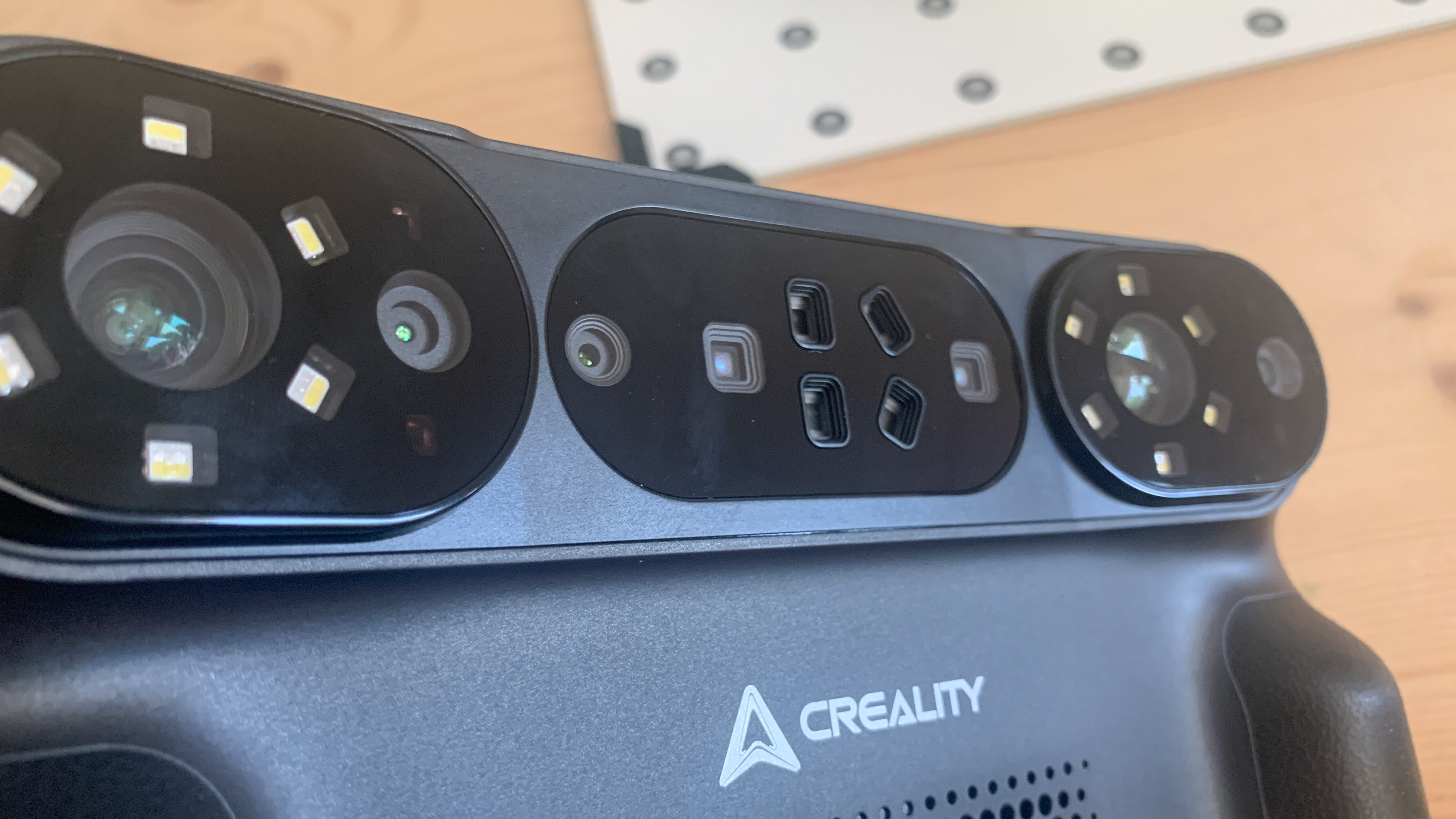
At the heart of the Sermoon P1’s precision lies its hybrid optical system. This advanced technology seamlessly integrates ultra-precise blue lasers with rapid Near-Infrared (NIR) light. The blue lasers are engineered for high-accuracy, high-detail scans, making them ideal for capturing intricate small to medium-sized objects. Complementing this, the rapid NIR light is optimized for quickly capturing larger surfaces and faces, offering a versatile solution for a broad spectrum of scanning requirements.
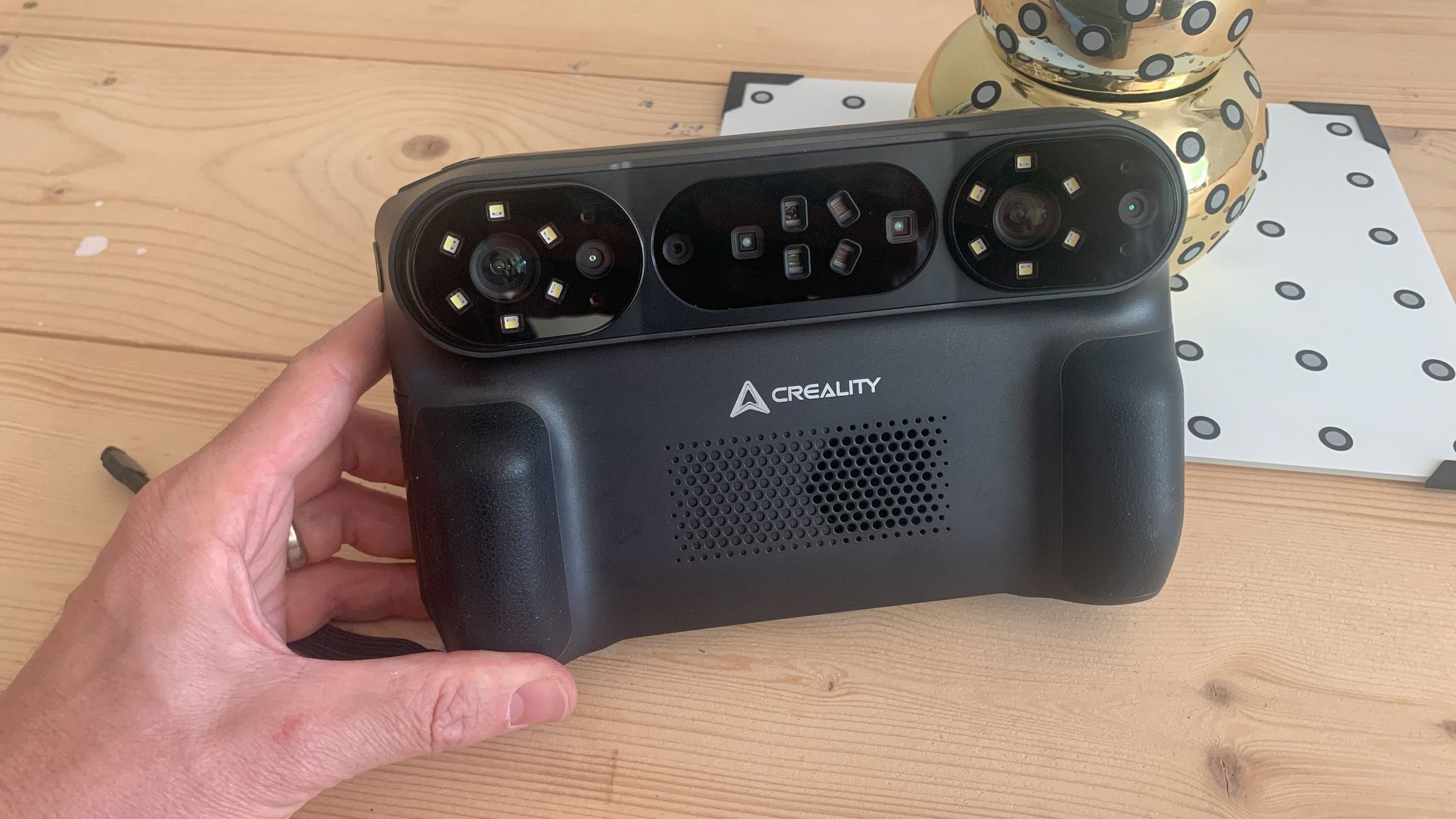
While its advanced features and standalone processing are highly impressive, the Sermoon P1 comes with a premium price tag of $3,299 / £3,099 (with a current UK discount to £2,799). This positions it as a significant investment, likely appealing more to professional game developers, prop designers, digital artists, and various engineering sectors rather than the casual hobbyist. The scanner’s ability to deliver highly accurate results, even on challenging objects after some initial calibration, underscores its potential to streamline professional workflows significantly.
Chronology: Creality’s Evolution and the Scanning Market Landscape
Creality’s journey into 3D scanning is a natural progression for a company that has democratized 3D printing for millions. For years, Creality has been synonymous with accessible yet powerful 3D printers, carving out a significant niche among hobbyists and professionals alike. The move into 3D scanning represents an expansion of their ecosystem, aiming to provide a comprehensive solution for digital creation, from capture to physical realization.
The 3D scanning market itself has seen rapid evolution. Early scanners were often cumbersome, expensive, and heavily reliant on powerful, tethered PCs for data acquisition and processing. The advent of structured light technology and more compact hardware began to push the boundaries of portability. However, true standalone operation, where the device itself possesses sufficient computational power to process scans in real-time without external hardware, has been a more recent innovation.
Competitors like Revopoint have been at the forefront of this standalone revolution, with their Miraco Plus model currently holding a high regard in the market, boasting its own integrated screen and processing capabilities. The release of the Sermoon P1 signals Creality’s clear intention to not just participate in this segment but to lead it, by offering a superior technological package. The P1’s hybrid blue laser and NIR system, combined with its robust internal processing unit, represents a significant step forward in offering professional-grade accuracy and speed in a truly portable format. This strategic entry underscores a broader industry trend towards more accessible, powerful, and self-contained digital tools, reflecting the growing demand for efficient on-site data capture across diverse professional fields.
Supporting Data: Deep Dive into Features, Performance, and User Experience
The Creality Sermoon P1’s impressive specifications and real-world performance underscore its professional-grade capabilities, making a strong case for its position in the premium segment of the 3D scanner market.
Key Specifications: Precision and Power
| Feature | Specification |
|---|---|
| Object Size | 5 mm³ up to 4 m³ |
| Single Capture | Laser = 380 x 365 mm; NIR = 1450 x 1020 mm |
| Scanning Speed | Laser = 60 fps (advertised); NIR = 15 fps |
| Single-Frame Accuracy | Laser = 0.02 mm; NIR = 0.075 mm |
| Resolution | 0.05 to 2.0 mm |
| Live Preview | Onboard display |
| Dimensions | 209 x 129 x 53 mm |
| Weight | 830g |
| Compatible OS | Windows, macOS |
These specifications highlight the Sermoon P1’s versatility. The ability to scan objects from miniature to medium-large, combined with sub-millimeter accuracy, positions it for applications demanding meticulous detail. The dual scanning modes – high-speed NIR for broad coverage and high-accuracy blue laser for fine detail – offer a comprehensive solution for varied scanning challenges.
Unboxing and Initial Impressions: Thoughtful Design for Professionals
Upon unboxing, the Sermoon P1 presents itself as a meticulously designed professional tool. It arrives in a compact, yet robust carry case, featuring custom-cut foam inserts for each component. This attention to detail ensures the scanner, power unit, adaptors, crucial backup battery, and reflective markers are securely nestled, preventing damage during transit and providing an organized workflow for professionals on the go. This "everything in its place" approach is highly appreciated by users who prioritize efficiency and equipment longevity.
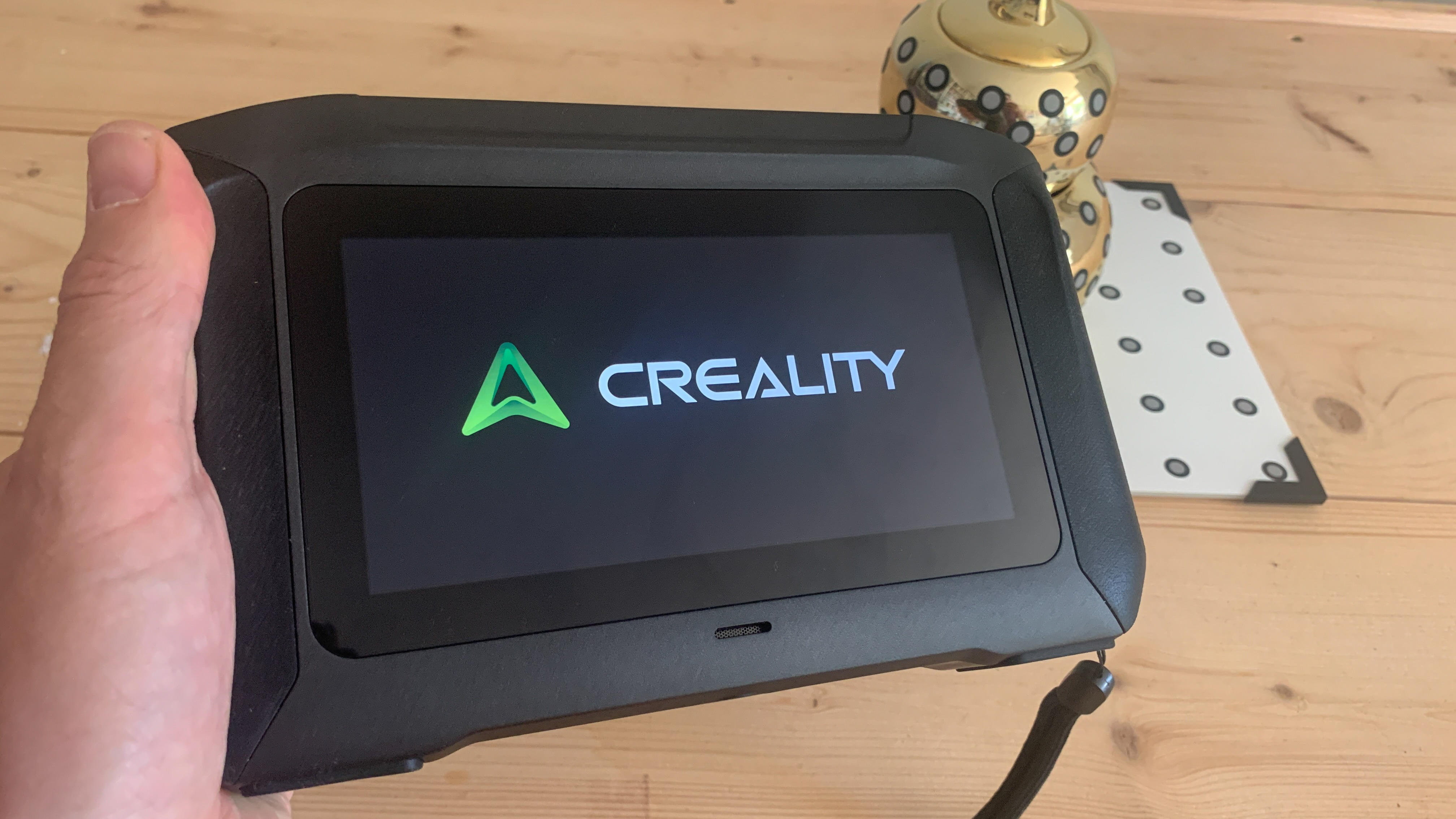
The scanner itself immediately conveys its standalone nature. It’s a self-contained unit, capable of operating entirely independently, though it also offers connectivity options for PC integration when more intensive post-processing is required. The most striking feature upon powering on is the bright and clear 6-inch full HD display. This screen is not just for viewing; it’s the primary interface for initiating, monitoring, and even performing initial processing steps of scans.
Design and Ergonomics: Portability with Practical Considerations
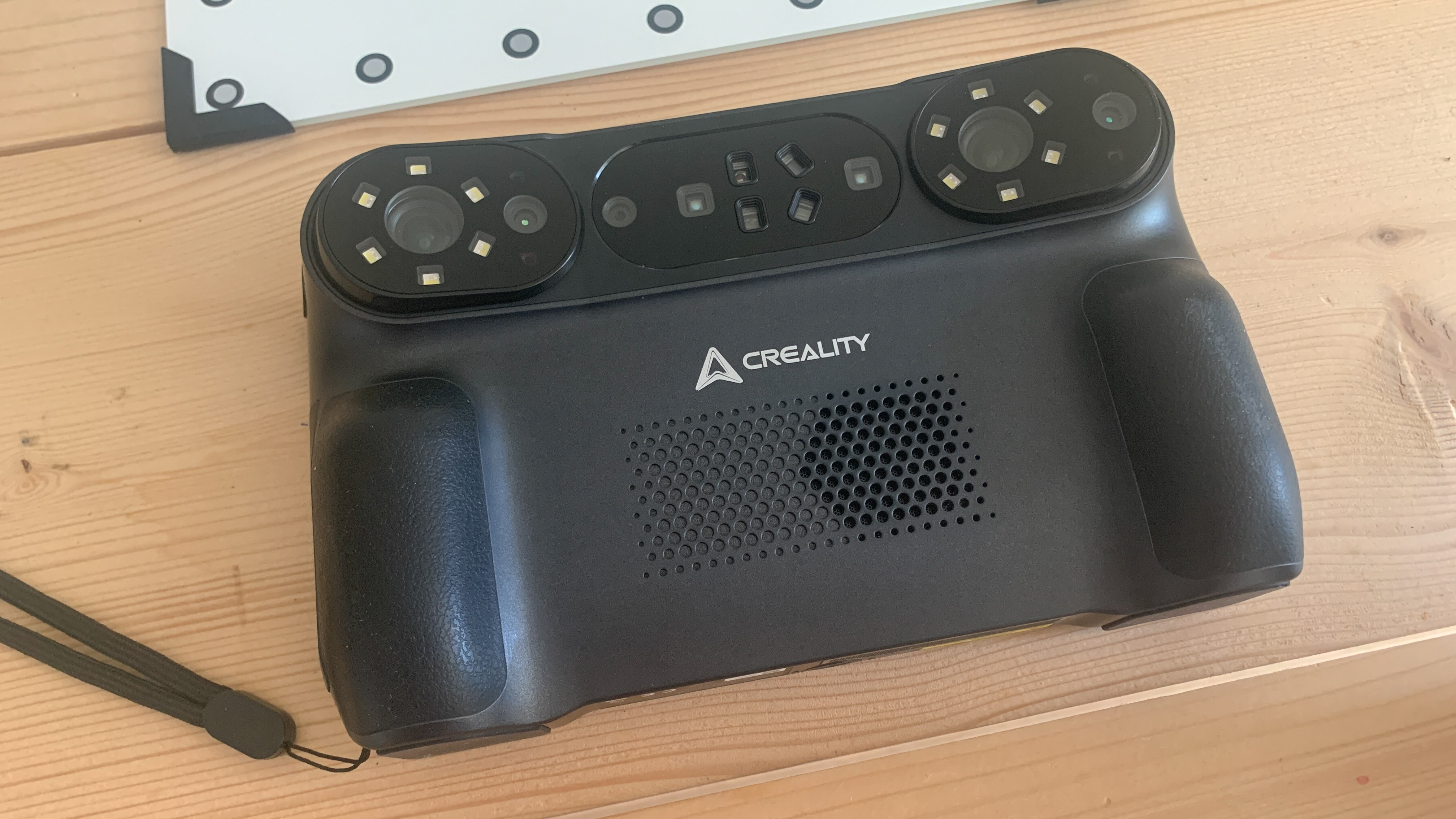
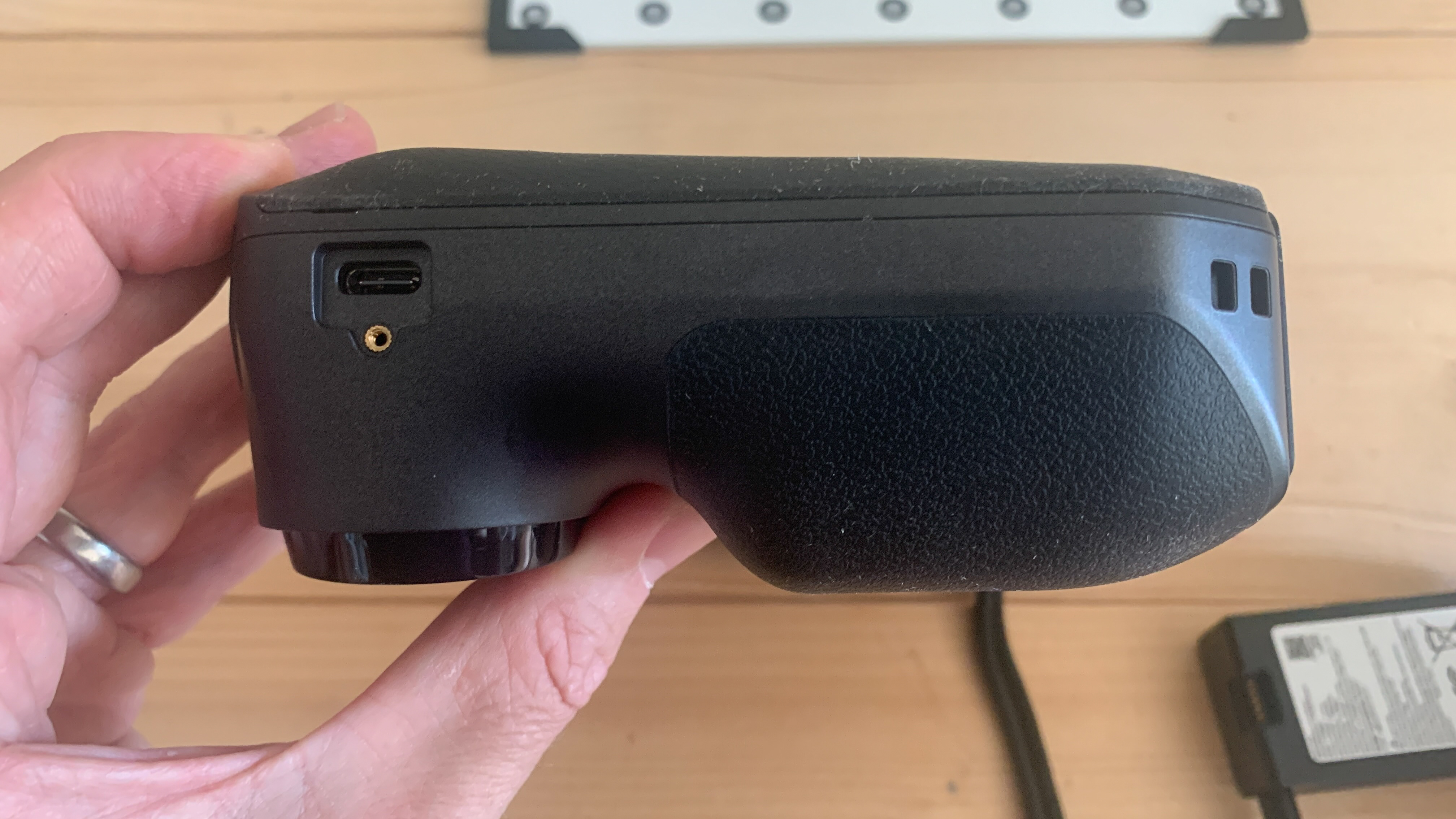
The physical design of the Sermoon P1 is a testament to its portable aspirations. Measuring 209 x 129 x 53 mm and weighing a manageable 830g, it is designed for handheld operation. Ergonomically, the device features strategically placed rubber grips on its front and rear panels, ensuring a secure hold during scanning sessions.
The 6-inch full HD display, mirroring the size and resolution of competitors like the Revopoint Miraco Plus, is a central element of its standalone appeal. Its brightness and responsiveness are crucial for real-time feedback during scanning, enabling users to make immediate adjustments. However, despite its relatively light weight for the technology packed inside, extended handheld use can lead to operator fatigue. The review notes that sustained use beyond an hour can be tiring, highlighting the importance of the built-in tripod thread for longer sessions – a tripod, however, is not included in the standard kit.
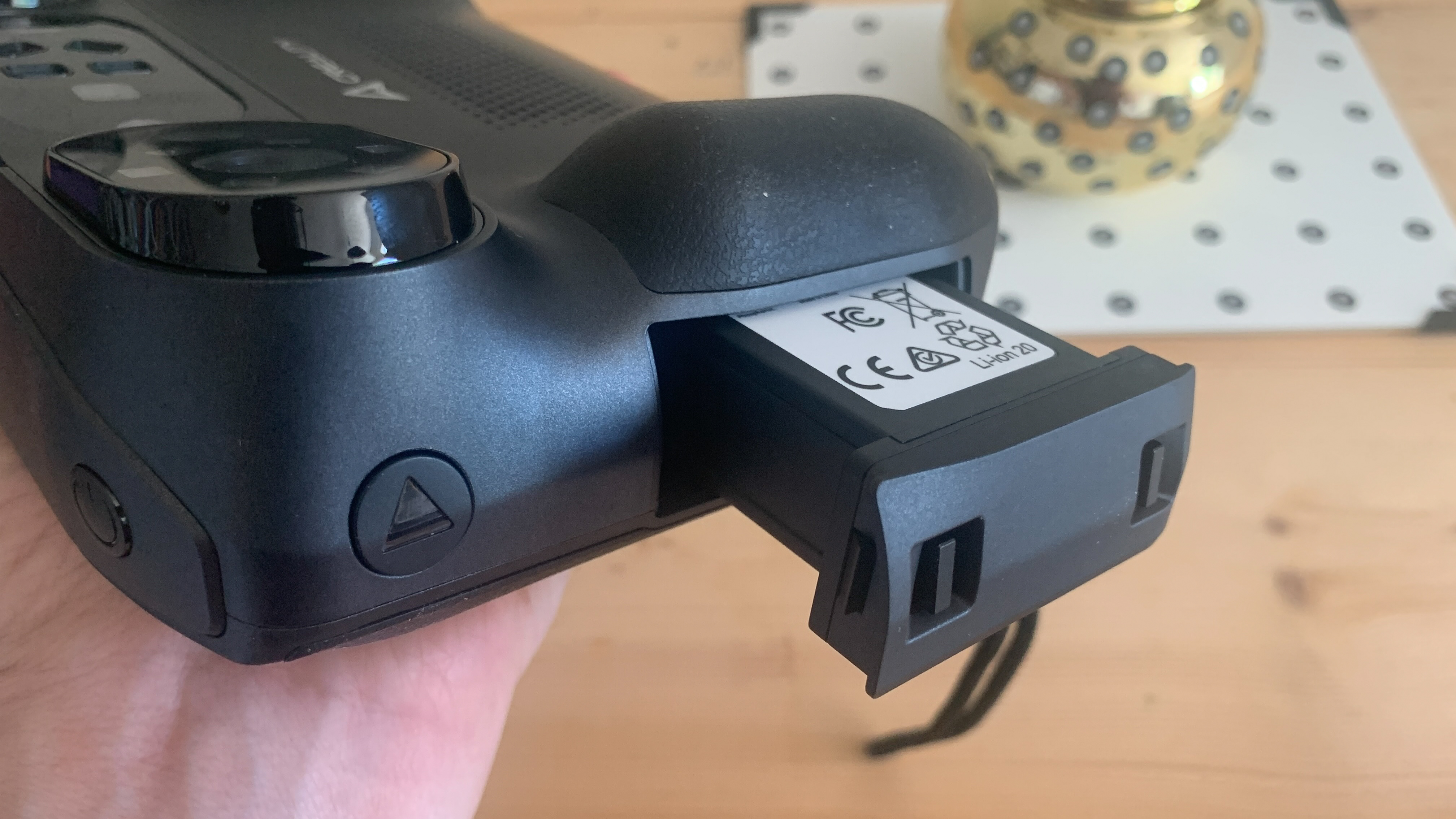
A standout design feature is the inclusion of two hot-swappable 3300 mAh batteries. This is a significant advantage, providing extended and uninterrupted operation, a critical factor for fieldwork or demanding projects. Unlike many competitors that offer only a single battery, Creality’s provision of a second battery in the main package enhances practical usability and reduces downtime, further cementing its value proposition for professional use.
Performance: Tackling Challenges with Onboard Intelligence
The Sermoon P1’s performance is underpinned by a powerful internal architecture: a Qualcomm 8-core 3.36 GHz CPU, an Adreno 740 GPU, 256GB of ROM, and a generous 24GB of RAM. This robust hardware ensures that the onboard software is not only fast and responsive but also capable of handling complex computations, enabling a remarkably straightforward user experience.
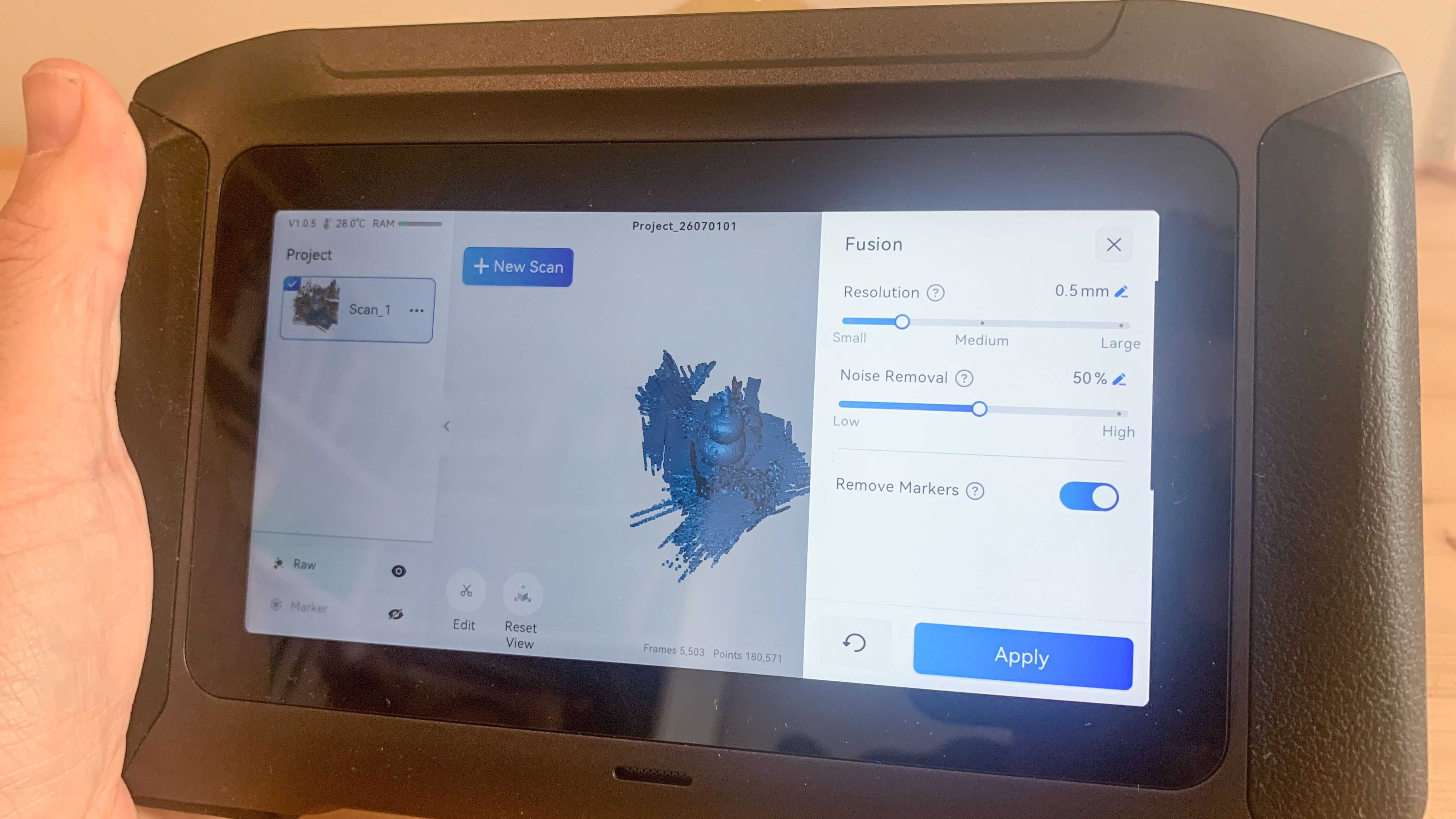
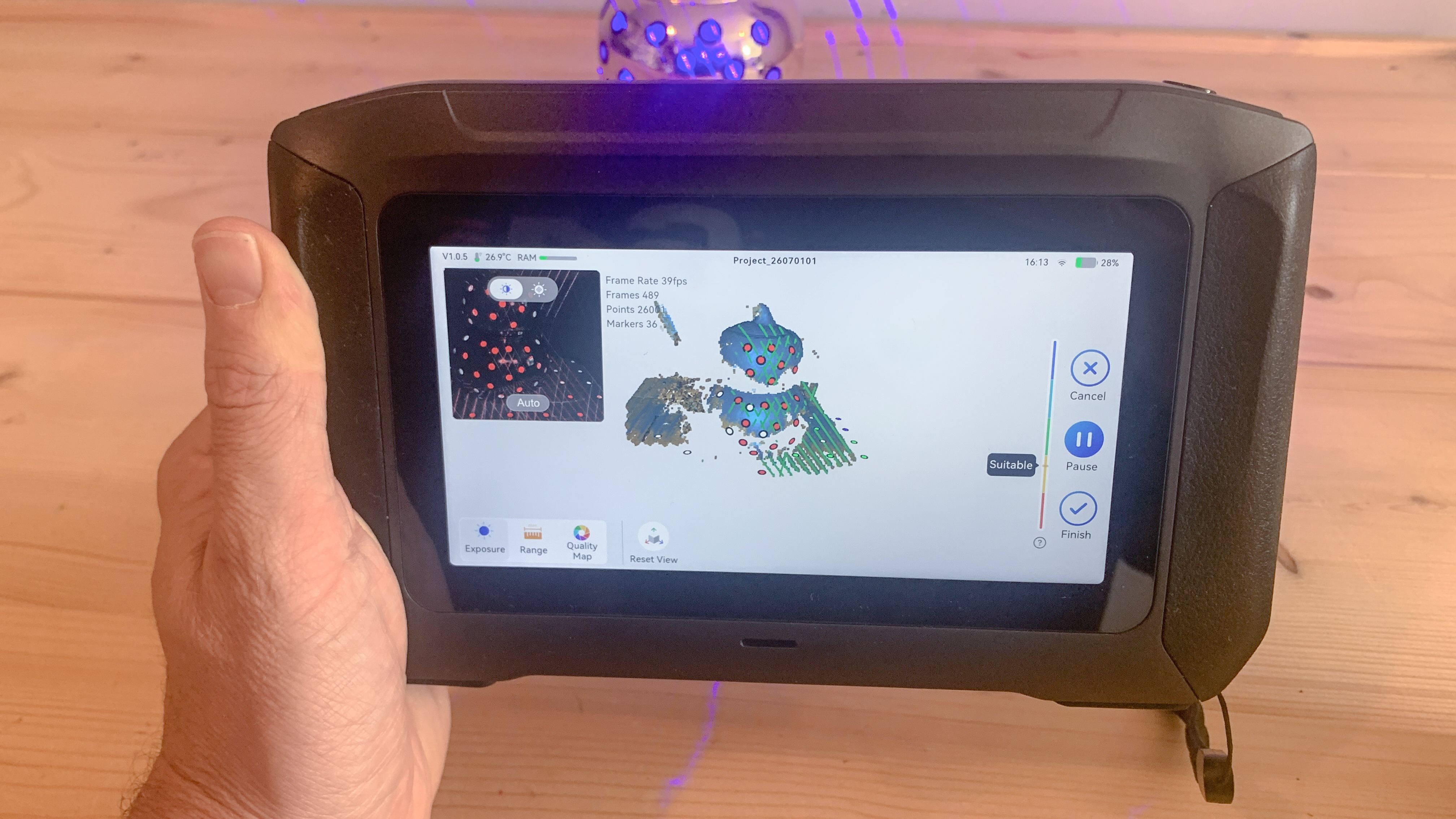
Testing the scanner involved tackling a particularly challenging object: a super-shiny, gold-coloured gourd ornament, pre-fitted with tracking markers. This object type, due to its reflective and curved surfaces, often confounds 3D scanners. The Sermoon P1, utilizing its blue laser mode, managed the task admirably, though it required several attempts. Initial scans occasionally resulted in duplicated meshes due to the scanner’s difficulty in consistently tracking points on the highly reflective surface – a common hurdle in laser scanning. However, with "trial and error," a clean and usable scan was ultimately achieved, demonstrating the device’s capability to overcome difficult scenarios.
During this blue laser mode test, the scanner achieved a frame rate of 40 frames per second (fps), slightly below the advertised 60 fps for standalone operation. This discrepancy, while minor, can influence scanning fluidity and the speed at which complex objects are captured. For higher frame rates, the Sermoon P1 offers significantly improved performance when connected: Wi-Fi 7 connection can push speeds up to 80 fps, while a hardwired USB-C connection achieves an impressive 100 fps. This flexibility allows users to choose between ultimate portability and maximum performance.
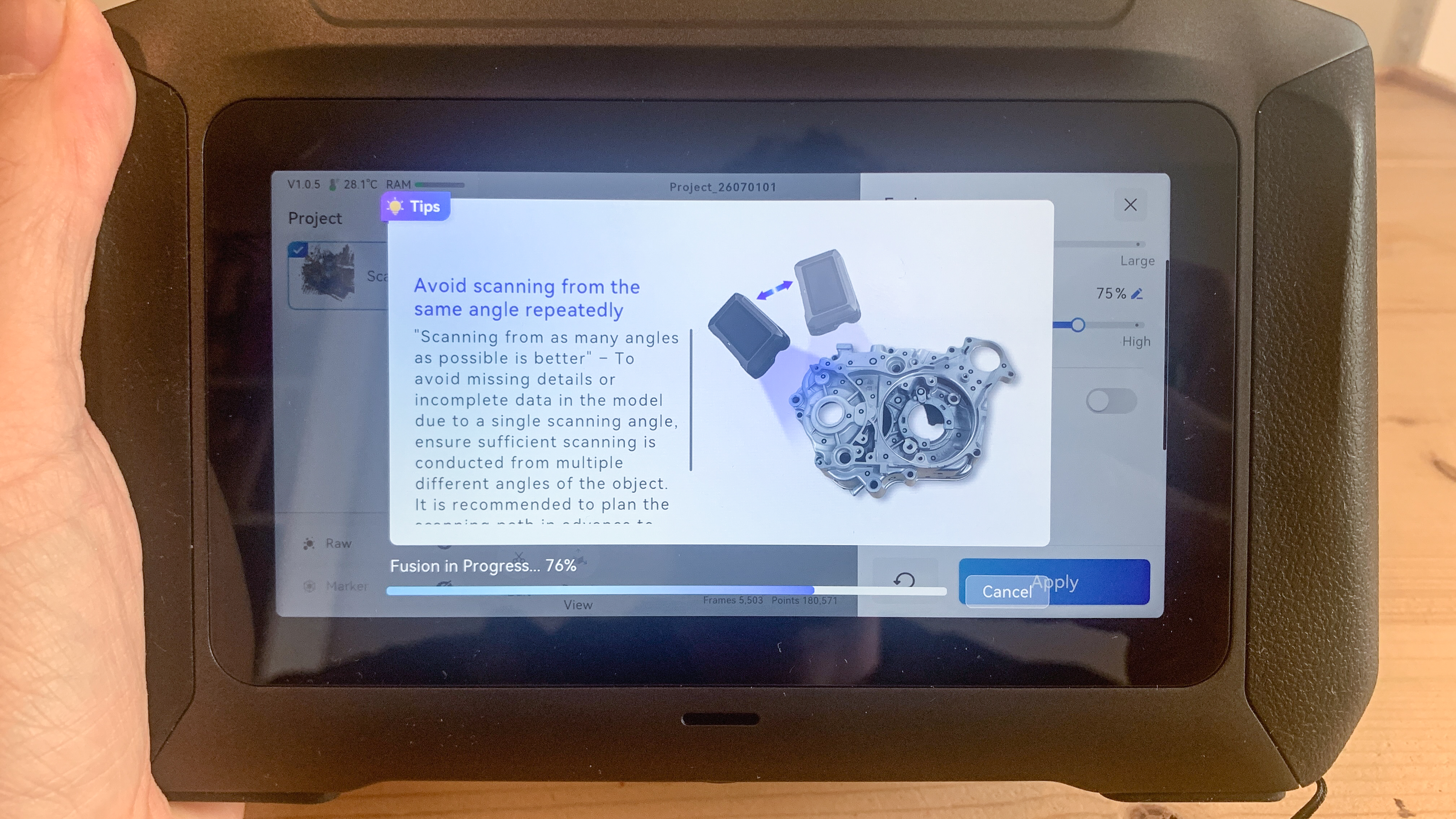
Post-acquisition, the fusion and meshing steps were executed seamlessly on the device. A notable feature is the intelligent hole-filling capability, which allows the software to reconstruct missing mesh data along various planes, tangents, and curves where the scanner might have struggled to collect complete information. This is invaluable for generating complete and watertight 3D models ready for export to other 3D software packages for further editing.
A secondary test with a less challenging, non-shiny tape measure further showcased the scanner’s efficiency. Without the need for additional tracking markers on the object itself, the Sermoon P1 captured a precise point cloud with minimal effort, confirming its ease of use for more standard objects.
The generous 256 GB of onboard storage is more than ample for numerous high-resolution scans, reducing the immediate need for data transfer. When transfer is necessary, the inclusion of Wi-Fi 7 and a USB-C cable offers fast and reliable options. While the standalone mode offers unparalleled convenience, the review acknowledges that its raw performance, particularly in terms of frame rate, might not always match the hardwired alternatives, whether it’s the Sermoon P1 itself connected to a PC, or other high-performance scanners like the Revopoint MetroY Pro. However, for sheer portability and integrated processing power, the Sermoon P1 stands out as highly impressive.
Advantages and Disadvantages: A Balanced Perspective
For:
- Exceptional Portability: True standalone operation with onboard processing eliminates PC dependency for most tasks.
- High Accuracy: Blue laser technology delivers metrology-grade precision (0.02 mm) for detailed objects.
- Versatile Scanning: Hybrid blue laser and NIR light system excels across a wide range of object sizes and complexities.
- Intuitive User Experience: Fast, responsive onboard software with a clear 6-inch full HD touchscreen.
- Extended Operation: Two hot-swappable 3300 mAh batteries ensure uninterrupted workflow.
- Handles Challenging Surfaces: Blue laser mode can scan dark, glossy, and reflective objects without anti-reflection sprays.
- Robust Post-Processing: Seamless fusion, meshing, and intelligent hole-filling features directly on the device.
- Ample Storage: 256GB onboard storage for multiple projects.
Against:
- Premium Price Point: The high cost ($3,299 / £3,099) makes it inaccessible for many hobbyists.
- Handheld Fatigue: Can be tiring for continuous use exceeding an hour, lacking a bundled tripod.
- Advertised FPS Discrepancy: Standalone blue laser mode achieved 40 fps in testing, lower than the advertised 60 fps.
- Learning Curve for Difficult Objects: Shiny, curved objects may require trial and error and careful marker placement.
- No Tripod Included: Despite having a thread, users must purchase a tripod separately for stable, long-duration scanning.
Official Responses: Creality’s Strategic Vision and Expert Opinion
Creality’s venture into the high-precision 3D scanner market with the Sermoon P1 is a clear strategic statement. The company, traditionally lauded for its accessible 3D printers, is now aiming to capture a significant share of the professional scanning sector, challenging established players like Revopoint. From an expert perspective, the Sermoon P1 is not merely an incremental upgrade but a well-thought-out product designed to meet the evolving demands of various industries.
The value proposition lies in its unique combination of standalone processing power and advanced hybrid scanning technology. While the premium price point is a barrier for entry-level users, it is justified by the sophisticated hardware and software integration. The inclusion of multiple blue laser lines alongside NIR structured light, a feature distinguishing it from many competitors, provides a substantial edge in both speed and flexibility, particularly for demanding engineering and design tasks. This technological superiority, coupled with the convenience of PC-free operation, is Creality’s response to the market’s call for more efficient and versatile professional tools. The review’s findings reinforce that Creality has largely succeeded in delivering on this promise, positioning the Sermoon P1 as a serious contender for professionals prioritizing accuracy, speed, and portability.
Implications: Reshaping Professional Workflows and Market Dynamics
The Creality Sermoon P1 is poised to have significant implications across various professional domains, potentially reshaping established workflows and influencing future market trends in 3D scanning.
For industrial professionals, engineers, and product designers, the Sermoon P1 offers metrology-grade accuracy without the traditional constraint of being tethered to a computer. This standalone capability makes it an invaluable tool for on-site quality control, rapid reverse engineering, and meticulous design iteration directly on the factory floor or in the field. Its ability to accurately scan challenging surfaces like dark, glossy, or highly reflective metallic components without the need for messy anti-reflection sprays dramatically streamlines these processes, saving time and resources.
In the realm of cultural heritage and archaeology, the Sermoon P1’s portability and precision are game-changers. Field researchers can now capture intricate details of artifacts or archaeological sites with high fidelity, directly processing initial scans on location. This eliminates the logistical challenges of transporting delicate objects or relying on complex, stationary scanning setups, opening new avenues for documentation and preservation.
For game developers, prop designers, and digital artists, the scanner provides an efficient pathway from physical objects to high-quality digital assets. The ability to quickly and accurately scan real-world items, even with complex geometries, significantly accelerates asset creation workflows, enhancing realism and reducing manual modeling efforts.
The Sermoon P1 also signals a broader shift in the 3D scanning market towards greater autonomy and integration. By offering a robust, all-in-one solution, Creality is pushing competitors to further enhance their standalone capabilities and onboard processing power. This competition ultimately benefits consumers, driving innovation and potentially making advanced scanning technology more accessible over time, even if the P1’s initial price targets a professional niche.
In conclusion, the Creality Sermoon P1 is more than just a new product; it represents a mature evolution in 3D scanning technology. It successfully bridges the gap between high-precision industrial scanners and the growing demand for portable, self-sufficient devices. While its premium price tag will naturally deter hobbyists, its unparalleled combination of accuracy, speed, and standalone processing power makes it an indispensable asset for professionals seeking efficiency, versatility, and the freedom to capture the world in 3D, anywhere, anytime. The Sermoon P1 cements Creality’s ambition to be a leader not just in 3D printing, but across the entire spectrum of digital fabrication.
 Evan Lee Salim
  Nana
Nana  Ammar Sabilarrohman