
 By Basiran
The dropshipping industry has long been dismissed by skeptics as a "get-rich-quick" scheme, yet the data tells a different story. With the global dropshipping market projected to eclipse the $1.2 trillion mark by 2030, the model remains one of the most accessible entry points for entrepreneurs. However, the "low-effort" era is over. The days of simply importing a low-quality item from a generic marketplace, slapping on a markup, and hoping for a sale have come to an abrupt end.
Today’s consumer is more discerning. They demand fast shipping, responsive customer service, and, most importantly, product quality that justifies the price. To survive in this competitive landscape, dropshippers must evolve from being mere middlemen to becoming brand builders. This shift has necessitated a move toward more sophisticated platforms like dropXL and Zendrop, which offer more than just a product feed; they provide the infrastructure for sustainable business growth.
Main Facts: The Evolution of the Dropshipping Model
The core challenge for modern dropshippers is balancing scale with quality control. In the past, the barrier to entry was low, but the barrier to retention was impossible to overcome due to long shipping times and inconsistent quality.
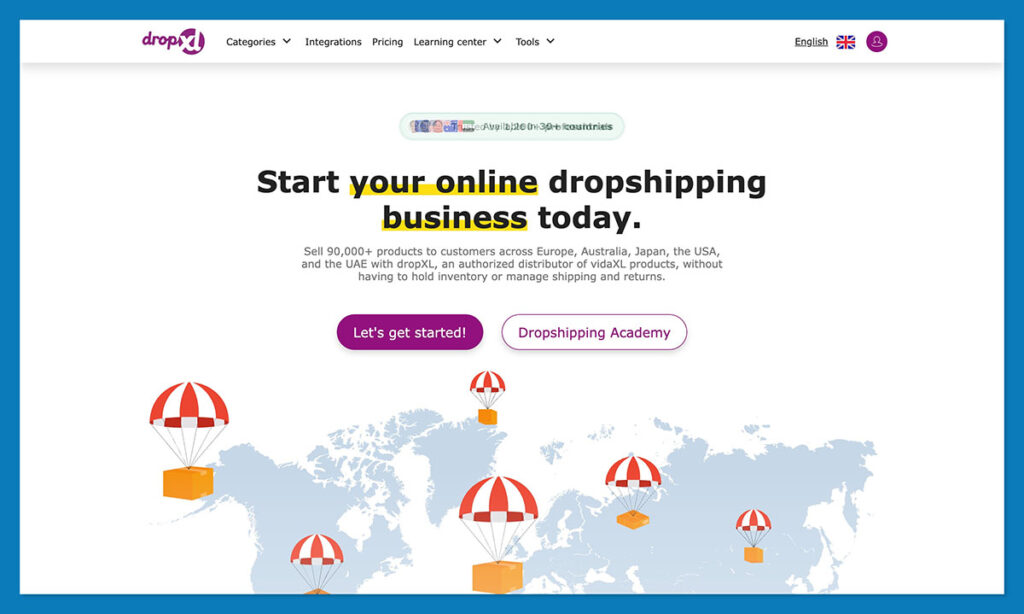
dropXL functions as a high-specialization partner. By leveraging the vast vidaXL catalog—comprising over 90,000 products—it targets retailers who want to build a niche store around home, garden, and furniture. Its strength lies in its logistics; with warehouses spanning Europe, the USA, Australia, and Japan, it solves the "long shipping" problem that has plagued the industry for years.
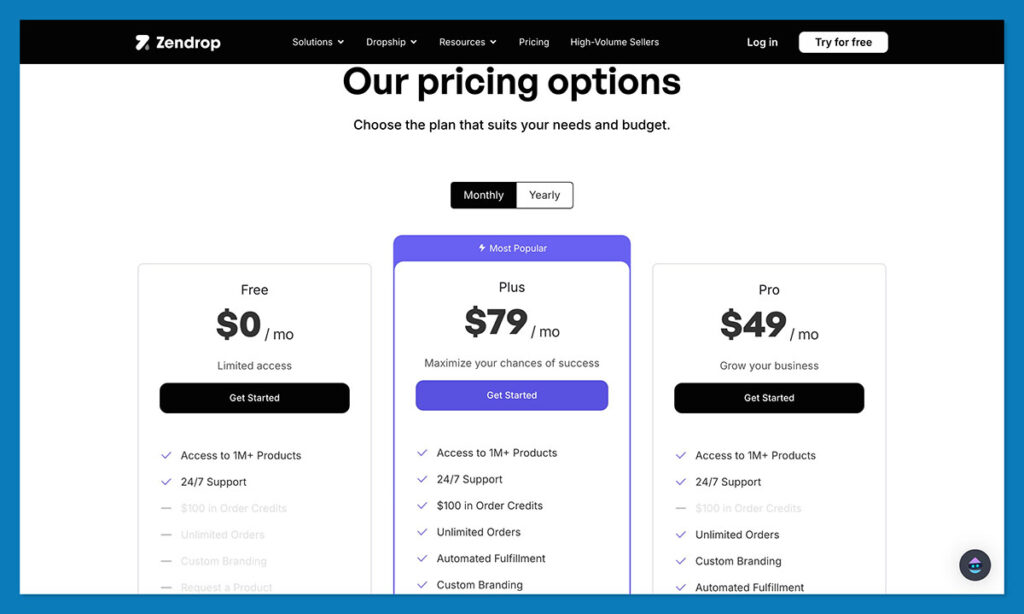
Zendrop, conversely, is a broad-spectrum ecosystem. With a catalog exceeding one million products, it caters to the "lean startup" methodology. It integrates AI-driven store builders, automated marketing tools, and print-on-demand services, making it a "sandbox" for entrepreneurs who are still in the product-testing phase.
Chronology: The Shift Toward Specialized Fulfillment
- The Early 2010s (The "Wild West"): Dropshipping was dominated by direct integration with overseas marketplaces. Quality was erratic, and shipping times often exceeded 30 days.
- The Mid-2010s (The Rise of Automation): Tools began to emerge that allowed for one-click importing, but they often failed to provide robust back-end support for returns or inventory management.
- The 2020s (The Brand-Centric Era): As customer acquisition costs (CAC) skyrocketed, the focus shifted to Lifetime Value (LTV). This gave rise to platforms like Zendrop and dropXL, which prioritize data-driven inventory, professional return workflows, and localized warehousing.
- Present Day: Platforms are now integrating AI to handle everything from ad creative generation to full store construction, forcing suppliers to provide more than just inventory—they must now provide a business operating system.
Supporting Data: Comparative Market Analysis
| Feature | dropXL | Zendrop |
|---|---|---|
| Primary Catalog Size | 90,000+ (vidaXL) | 1,000,000+ |
| Best Niche Fit | Home, Furniture, Outdoor, Pet | Beauty, Tech, Apparel, POD |
| Warehouse Network | USA, Europe, Australia, Japan, UAE | US/China 3PL, Global Network |
| Returns Handling | Direct Supplier Support | Self-managed/Supplier dependent |
| AI Integration | Minimal | Extensive (Store/Ads/Copy) |
| Pricing | Flat €30/month | Free, Pro ($49), Plus ($79) |
Data suggests that while Zendrop leads in volume and tool diversity, dropXL leads in logistics stability for "high-friction" items like furniture, where return management and shipping safety are paramount.
Official Perspectives and Operational Philosophy
The Case for dropXL: Reliability and Niche Focus
dropXL operates under the philosophy that "less is more." By focusing exclusively on the vidaXL ecosystem, they ensure that the seller isn’t dealing with a thousand different vendors with a thousand different quality standards. When a customer orders a garden bench or a storage unit, they are getting a standardized product with standardized packaging and shipping. For a serious brand builder, this reliability is the foundation of customer trust. The inclusion of a 30-day "no-sale" refund policy demonstrates their commitment to high-intent sellers who are ready to commit to a niche.
The Case for Zendrop: Agility and Experimentation
Zendrop’s leadership emphasizes "speed to market." Their platform is designed for the modern digital nomad or lean entrepreneur. By offering a free tier, they lower the psychological barrier to entry, allowing users to test ten different products in a week without financial commitment. Their suite of AI tools—designed to write ad copy, generate video creatives, and build storefronts—serves as a virtual team for solo entrepreneurs.
Implications for Future Entrepreneurs
1. The Death of the General Store
The data indicates that the "general store" model (selling everything from phone cases to garden tools) is dead. The competition is too high, and the profit margins are too thin. Both dropXL and Zendrop acknowledge this, but in different ways. dropXL encourages a deep-dive into specific home categories, while Zendrop provides the tools to pivot quickly until a "winning" product is identified.
2. The Role of AI in Scaling
The integration of AI into platforms like Zendrop is a game-changer. Historically, a dropshipper had to be a master of Shopify, a copywriter, a media buyer, and a supply chain manager. Today, AI handles the heavy lifting of store design and ad creative. For the entrepreneur, this means the focus shifts from how to build the store to what to sell and who to sell it to.
3. Fulfillment as a Competitive Advantage
In 2024 and beyond, shipping time is a feature, not a bonus. Customers expect Amazon-like speeds. Both platforms have pivoted toward domestic warehousing. For a merchant, choosing between these two boils down to a choice between Specialized Logistics (dropXL) and Diversified Sourcing (Zendrop).
Final Verdict: Which Path Should You Choose?
The decision between these two industry giants should be dictated by your current stage in the entrepreneurial lifecycle.
Choose dropXL if:
- You have a clear vision for a home, garden, or furniture-focused brand.
- You prioritize operational stability, consistent quality, and professional returns management over "shiny object" features.
- You want a predictable, flat-fee pricing model that removes the stress of hidden commissions.
- You are aiming to build a long-term brand where customer retention and reputation are your primary KPIs.
Choose Zendrop if:
- You are a beginner looking to test multiple products or niches to find your "winning" item.
- You require a "startup in a box" solution that includes AI ad generation, store building, and print-on-demand capabilities.
- You want to start with a zero-cost entry point and scale your subscription only as your revenue grows.
- You are interested in high-growth, high-turnover categories like tech accessories, beauty, or custom apparel.
Ultimately, the "crowded market" narrative is a filter. It weeds out those who are looking for a get-rich-quick scheme and leaves room for those who treat dropshipping as a legitimate, data-driven retail business. Whether you choose the structural stability of dropXL or the rapid-fire versatility of Zendrop, the tools to succeed are more powerful than they have ever been. The only missing ingredient now is your execution.
 Dwi Wanna
  Lina Irawan