
 By Jia Lissa
The dropshipping industry is currently navigating a pivotal transition. Long gone are the days when a novice entrepreneur could spin up a storefront, list mass-produced trinkets from a low-cost marketplace, and expect immediate profitability. Despite the global dropshipping market being projected to reach a staggering $2 trillion by 2030, the "love affair" with the traditional, low-barrier-to-entry model is cooling.
The market has become crowded, and consumer expectations have risen. Today’s customers demand speed, quality, and uniqueness. To succeed, modern merchants must pivot away from the "race to the bottom" and toward curated, premium catalogs. It is within this shifting landscape that platforms like DropXL have emerged—offering a more robust, specialized approach to the supply chain.
Main Facts: What is DropXL?
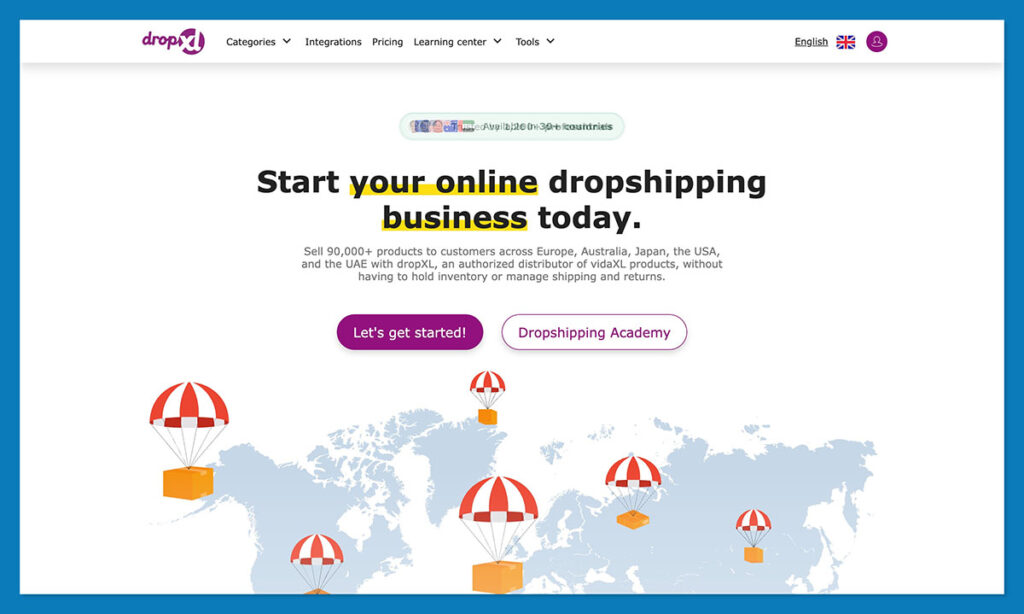
DropXL serves as a dedicated dropshipping supply bridge, built exclusively around the vast vidaXL product catalog. Unlike generalized marketplaces that aggregate thousands of disparate, often unvetted suppliers, DropXL provides a centralized, streamlined pipeline for retailers.
At its core, DropXL is designed for sellers who want to move away from low-margin, high-competition impulse buys and into the territory of home, garden, and lifestyle goods. The platform grants users access to over 130,000 unique products, including furniture, heavy-duty storage cabinets, professional-grade hardware, and specialized pet supplies.
The fundamental value proposition is simplicity: DropXL assumes the heavy lifting of the supply chain—warehousing, inventory management, and logistical coordination—while the seller focuses on storefront optimization and customer acquisition.
Chronology of the Modern Dropshipper’s Journey
The journey of a DropXL user follows a distinct, professionalized path compared to standard dropshipping models:
- Registration and Verification: Unlike open-access platforms, DropXL requires a formal sign-up process. After providing business details, prospective sellers must wait for approval (typically 2–5 days). This vetting process adds a layer of professional legitimacy to the network.
- Market Targeting: Users select their target country. Because the platform operates with localized warehouses, a single account covers specific regions to ensure logistical efficiency.
- Data Integration: Once approved, users do not merely "browse" items; they download comprehensive data feeds. These feeds provide real-time updates on inventory, pricing, and new product arrivals.
- Storefront Syncing: Through API access or third-party integration partners (such as GoGetters or SyncX), the product catalog—complete with professional images and descriptions—is pushed to platforms like Shopify, WooCommerce, or BigCommerce.
- Order Fulfillment: When a sale is made, the order is routed through the DropXL backend. The system handles picking, packing, and dispatching, providing the seller with tracking details to relay to the end customer.
Supporting Data: Why Quality Matters in 2026
The shift toward quality over quantity is supported by industry trends. In an era of high customer acquisition costs (CAC), the "one-hit-wonder" product strategy is failing. Data from the current retail landscape suggests that products with a higher perceived value—such as mid-range furniture or home improvement gear—experience lower return rates and higher customer lifetime value (CLV).
DropXL’s catalog is inherently "non-impulse." A customer buying a reclaimed wood coffee table or a steel sideboard is making a calculated purchase. Because these items feel "retail-grade" rather than "mass-produced," the seller can command higher price points.
Key Metrics for Potential Sellers:
- Inventory Depth: 130,000+ SKUs.
- Shipping Windows: 5–14 days, depending on the region.
- Pricing Structure: A flat €30/month subscription with zero commission fees.
- Market Reach: Operations span Europe, Australia, Canada, the US, and Japan.
Official Stance and Operational Realities
DropXL distinguishes itself through a "no-commission" policy. While many competitors take a percentage of every sale—effectively taxing your success as you grow—DropXL opts for a flat-fee subscription. This provides long-term cost predictability, which is vital for scaling a business.
However, the platform is not without its operational friction. For instance, the requirement to have separate accounts for different countries can lead to administrative complexity for international merchants. Furthermore, the reliance on PayPal for subscription payments remains a potential bottleneck for businesses with specific financial workflows.
Regarding the return process, the company adopts a structured, B2B-centric approach. Because the goods are bulky, the logistics of returns are more complex than those of small electronics or clothing. DropXL requires the retailer to act as the primary point of contact, ensuring that customers follow strict return instructions. This requires the seller to have a robust customer service protocol in place.
Strategic Implications: Is It Worth the Investment?
Choosing to integrate with DropXL carries specific implications for a business’s growth trajectory.
The Pros
- No Commission Fees: You keep the entirety of your margins.
- Premium Positioning: The product range allows for a "store-brand" aesthetic rather than a "cheap outlet" feel.
- Technical Robustness: API access allows for high-level automation, reducing the manual labor usually associated with inventory updates.
- Low-Risk Entry: A 30-day "no-sale" money-back guarantee offers a safety net for those testing the waters.
The Cons
- Geographic Limitations: You must manage separate accounts per territory, which can be cumbersome.
- Strict Return Logistics: The necessity of photographic evidence and strict packaging requirements means sellers must be highly organized.
- Higher Entry Barrier: This is not a "get-rich-quick" scheme. It requires a registered business, a tax strategy, and a commitment to building a brand, not just a landing page.
The Verdict: A Tool for the Serious Merchant
DropXL is not the ideal platform for the casual hobbyist or the beginner looking to test a viral TikTok product. It is, however, an exceptional tool for the merchant who intends to build a sustainable, professional e-commerce brand.
If your goal is to move into the home decor, furniture, or professional equipment niches, DropXL offers the infrastructure to do so without the crippling overhead of traditional stock holding. By handling the logistical burden of the "bulky" goods market, it allows the entrepreneur to focus on what actually drives revenue: search engine optimization, content marketing, and brand building.
As we look toward 2026, the success of a dropshipping business will be measured by the strength of the supplier relationship. In that regard, DropXL represents a move toward stability, offering a reliable, data-driven backbone for the next generation of online retailers. If you are ready to stop fighting for pennies on the dollar and start selling products that offer genuine value, the structure provided by DropXL is well worth the initial setup effort.
Frequently Asked Questions (FAQs)
Is DropXL considered a legitimate business partner?
Yes. DropXL is an official B2B arm connected to the established vidaXL catalog. It functions with standard professional protocols, including legal documentation, API integrations, and formal support channels.
What are the primary costs associated with DropXL?
The platform operates on a transparent model: a flat subscription fee of €30 per month. There are no commissions taken from sales, but sellers must account for their own marketing, storefront, and operational costs.
Can I integrate this with platforms like Shopify or WooCommerce?
Yes. Integration is handled through third-party partners (such as SyncX or GoGetters) or through direct API access for those with development resources. This allows for real-time syncing of stock levels and pricing.
Why is furniture the best category for this platform?
Furniture items are generally higher in value and lower in market saturation compared to cheap, mass-market goods. They allow for better margins and attract a more serious, long-term customer base.
Is there a trial period for new users?
While there isn’t a traditional "free trial," the platform offers a 30-day money-back guarantee if no sales are generated, providing a window for sellers to validate their business model without financial risk.
 Dwi Wanna
  Lina Irawan
  Basiran