
 By Asro
The dropshipping industry has evolved from a "get-rich-quick" scheme into a sophisticated pillar of global e-commerce. Despite concerns regarding market saturation and thinning margins, the sector is projected to reach a valuation of over $1.2 trillion by 2030. However, the path to profitability has shifted. The era of low-effort, high-markup retail is effectively over. Today’s successful dropshippers are those who prioritize supply chain reliability, brand differentiation, and exceptional customer experience.
For entrepreneurs standing at the crossroads of this industry, the choice of supplier platform is the single most important decision they will make. This analysis examines the two primary contenders currently dominating the landscape: dropXL and Zendrop.
The Evolving Landscape: Why Supplier Choice Matters
The traditional dropshipping model—importing a cheap, generic product from an unverified supplier and listing it on a basic storefront—is increasingly failing to convert. Modern consumers are savvy; they expect fast shipping, high-quality product imagery, and reliable return policies.
When your supplier fails, your brand fails. If a customer receives a damaged product or experiences a three-week shipping delay, it is the store owner—not the supplier—who absorbs the negative review and the chargeback. Consequently, selecting a partner like dropXL or Zendrop isn’t just about finding products; it’s about choosing a logistical backbone that supports long-term brand equity.
dropXL: The Specialist’s Logistics Engine
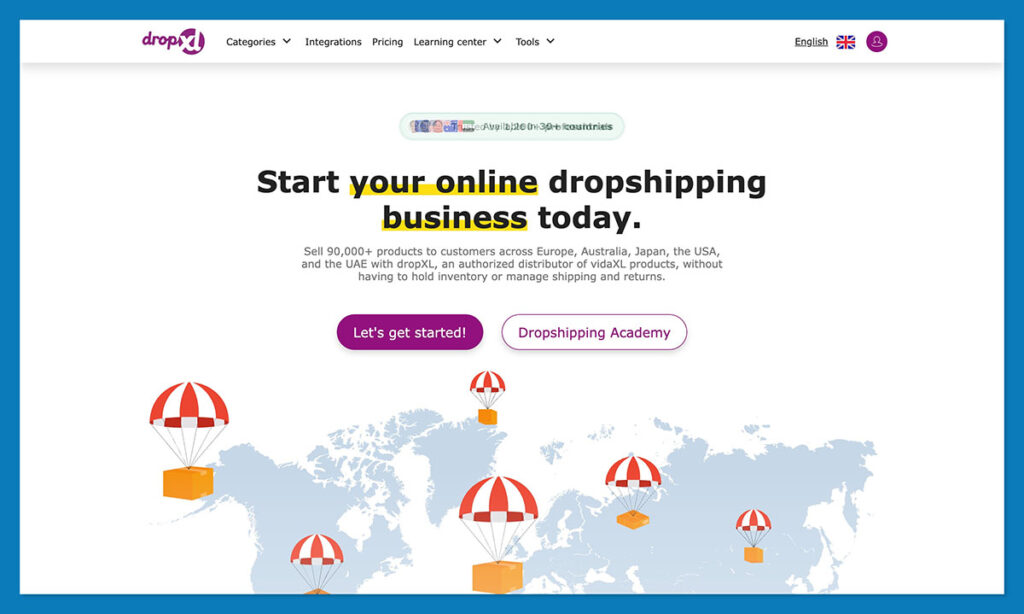
dropXL functions as a specialized, high-integrity supplier platform built upon the massive vidaXL catalog. Unlike generalist platforms that aggregate hundreds of third-party vendors, dropXL provides a curated, consistent experience.
Key Characteristics
- The vidaXL Advantage: Sellers gain access to over 130,000 products, with a heavy emphasis on home, garden, and furniture items.
- Localized Infrastructure: With warehouses across the USA, Europe, Australia, Japan, and the UAE, dropXL excels at minimizing transit times.
- Operational Transparency: The platform provides real-time data feeds, including hourly stock updates and daily pricing adjustments, ensuring that store owners are never selling out-of-stock items.
Strategic Implications
dropXL is designed for the "niche-focused" entrepreneur. By concentrating on high-quality home and outdoor goods, it allows a store owner to build a brand identity around reliability. The inclusion of return handling support is a major differentiator; for heavy items like sideboards or garden furniture, having a partner that manages the reverse logistics process is a significant cost-saving benefit.
Zendrop: The All-in-One Incubator
If dropXL is a precision instrument, Zendrop is a Swiss Army knife. It is a comprehensive e-commerce ecosystem designed to guide a merchant from the ideation phase to full-scale automation.
The Feature Stack
- AI-Powered Growth: Zendrop integrates cutting-edge AI for store building and ad generation, significantly lowering the barrier to entry for beginners.
- Diversified Fulfillment: Beyond standard dropshipping, it offers print-on-demand services, custom sourcing, and 3PL (Third-Party Logistics) options in the US and China.
- The Educational Ecosystem: Zendrop provides a "coaching" layer, including access to an academy and workshops, which is invaluable for those who are still learning the nuances of digital marketing and conversion rate optimization.
Strategic Implications
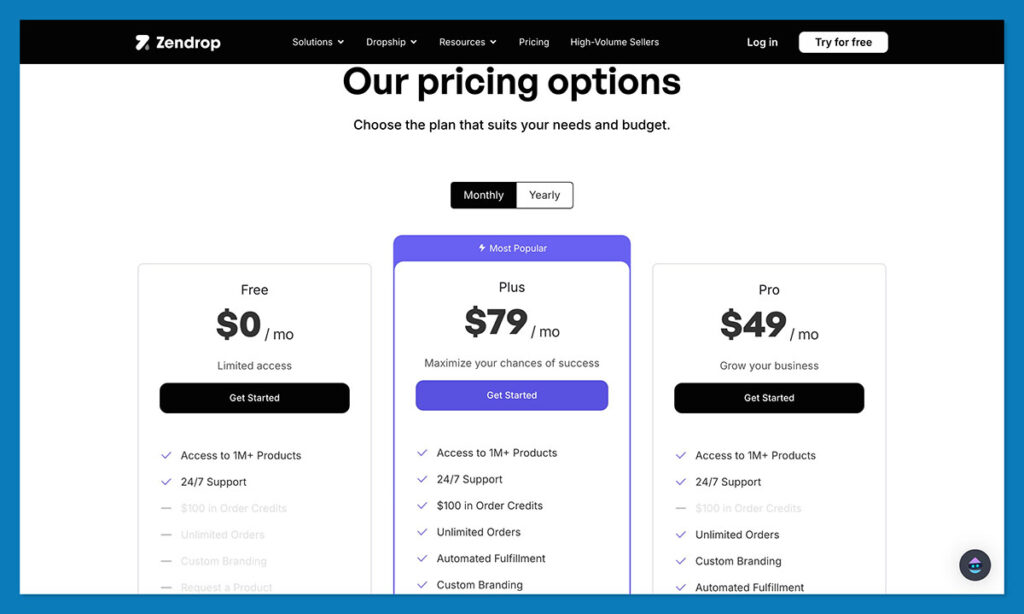
Zendrop is the ideal partner for the "experimentalist." Because it offers a free entry tier and a vast catalog of over one million products, it allows a merchant to test dozens of different product categories—from beauty and tech to apparel—without the upfront cost of a premium subscription.
Comparative Data Analysis
| Feature | dropXL | Zendrop |
|---|---|---|
| Catalog Size | 130,000+ (vidaXL) | 1,000,000+ |
| Primary Niche | Furniture, Home, Garden | General, Tech, Apparel, POD |
| Pricing Model | Flat €30/month | Free, Pro ($49), Plus ($79) |
| Commission | None | Feature-dependent |
| Returns Support | Integrated | Limited |
| AI Focus | Low | High (Ads, Stores) |
| Shipping | Global local warehouses | 3PL/Supplier network |
Chronology of the Modern Dropshipper
To understand why these platforms have diverged, we must look at the timeline of the dropshipper’s journey:
- The "Discovery" Phase (Days 1–30): The entrepreneur identifies a gap in the market. Zendrop shines here, allowing the user to search through a million products and use AI tools to spin up a professional-looking Shopify storefront in hours.
- The "Validation" Phase (Days 30–90): The merchant begins running ads. Here, the choice becomes more nuanced. If the merchant chooses a home decor niche, they might find that dropXL’s superior shipping times for bulky goods lead to better conversion rates and fewer customer complaints.
- The "Scale" Phase (Day 90+): The merchant is now handling hundreds of orders a week. At this stage, the lack of commissions in the dropXL model becomes highly attractive, as it protects profit margins. Conversely, the merchant using Zendrop might value the 3PL options and private labeling services that allow them to transition from simple dropshipping to a true private-label brand.
Official Stances and User Feedback
In recent industry forums and e-commerce community surveys, sentiment is divided based on business goals.
- dropXL Users: Report high satisfaction regarding product quality and the "predictability" of the supplier. The ability to offer a customer a high-end, 50kg garden lounge set with a reliable shipping timeline is cited as the reason they avoid "churn and burn" business models.
- Zendrop Users: Often praise the "speed of launch." The ability to start for free and use the platform’s "winning product" database is frequently highlighted by beginners as the bridge between having an idea and making their first sale.
Implications for the Future
The rise of these platforms signals a professionalization of the dropshipping industry. The "wild west" era of dropshipping is being replaced by data-driven supply chain management.
For the Entrepreneur:
- If you are building a legacy brand: Choose dropXL. Focus on a specific category, leverage their stable supplier relationship, and differentiate yourself through superior shipping and logistics.
- If you are testing the waters: Choose Zendrop. Utilize the free plan to run split tests on multiple product categories. Use their AI tools to minimize the time spent on "busy work," and only scale into paid tiers once you have identified a winning product-market fit.
Conclusion
The dropshipping market is not dying; it is maturing. As the $1.2 trillion valuation suggests, the demand for convenient, home-delivered goods is only increasing. The success of an e-commerce business in 2025 and beyond will not depend on finding the "cheapest" product, but on the reliability of the partnership between the merchant and the supplier. Whether you opt for the specialized, high-quality catalog of dropXL or the rapid, feature-rich environment of Zendrop, your success will ultimately depend on your ability to leverage these tools to build trust with your customers. The infrastructure is now in place—the rest is up to your strategy.
 Dwi Wanna
  Lina Irawan
  Basiran