
 By Nila Kartika Wati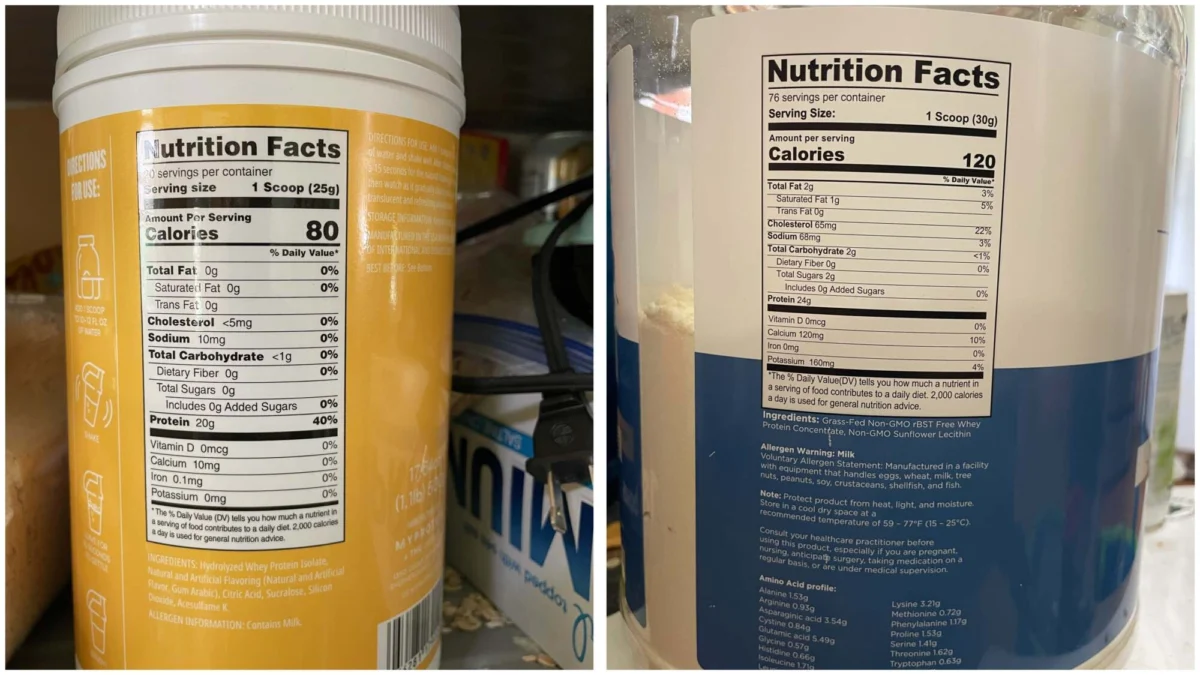
For decades, the fitness industry has been dominated by a singular visual aesthetic: the thick, creamy, milkshake-style protein shake. From chalky vanilla to rich, artificial chocolate, the supplement aisle has long functioned like an ice cream parlor for gym-goers. However, a seismic shift in beverage technology is currently underway, led by a product that looks nothing like the sludge of the past: clear whey protein.
Once a niche experiment, clear whey has graduated to become a legitimate contender in the sports nutrition market. By abandoning the milky texture in favor of a juice-like consistency, it offers a refreshing alternative to traditional protein powders, effectively rebranding the "post-workout shake" as a "refreshing electrolyte-style drink."
Main Facts: What Exactly is Clear Whey?
At its core, clear whey is a form of whey protein isolate that has been processed to remain transparent when dissolved in water. While traditional whey is derived through a process that leaves it opaque and creamy, clear whey undergoes a specialized filtration and pH-balancing process.
The chemistry is fundamental: to remain clear, the protein must exist in an acidic solution. Because of this, manufacturers almost exclusively produce clear whey in fruity, vibrant flavors such as peach-mango, lemonade, watermelon, and even mojito. Unlike traditional whey, which relies on cocoa or vanilla flavoring to mask the inherent "dairy" taste of the protein, clear whey utilizes citrus notes and tart profiles that complement the acidity required to maintain its clarity.
The Nutritional Breakdown
Despite the visual and textural differences, clear whey maintains the biological integrity of its predecessor. It remains a high-quality protein source, containing all nine essential amino acids necessary for muscle protein synthesis.
- The Isolate Advantage: Clear whey is almost exclusively formulated as a whey protein isolate. This means it has undergone additional processing to remove the vast majority of lactose, fats, and carbohydrates.
- Purity: While traditional whey concentrates hover around 80% protein—leaving 20% for fats, carbs, and minerals—isolates provide a cleaner, more concentrated hit of protein.
- Digestibility: For those with mild lactose sensitivity, the isolate nature of clear whey is a significant benefit. Many users report less bloating and fewer gastrointestinal issues compared to standard whey concentrate shakes.
Chronology: The Evolution of the Protein Supplement
The history of protein supplementation is a story of trial and error. In the 1970s and 80s, protein powders were often grainy, unflavored, and difficult to mix.
The Milky Era (1990s–2010s): The industry standardized the "milkshake" profile. This was the era of the giant plastic tub, the shaker bottle with a wire whisk, and the universal acceptance that a post-workout drink had to be heavy and creamy to be effective.
The Rise of the Isolate (2010s): As nutritional science advanced, the demand for "leaner" proteins grew. The focus shifted to whey isolate—a faster-absorbing, lower-calorie alternative to concentrate. However, the flavor profiles remained largely tethered to the "dessert" category.
The Transparent Revolution (2020–Present): The introduction of acid-stable whey proteins allowed for the "Clear Whey" breakthrough. As fitness culture expanded beyond professional bodybuilding to include endurance athletes and casual wellness enthusiasts, the demand for a "thirst-quenching" protein drink surged. Brands like MyProtein and Ghost began experimenting with sour, fruity, and light profiles, signaling a departure from the heavy caloric density of traditional shakes.
Supporting Data: Comparative Analysis
When evaluating whether to switch to clear whey, one must look at the data points that distinguish it from the standard pantry staple.

Caloric and Macronutrient Comparison
A standard serving of traditional whey concentrate typically clocks in at 120–130 calories, providing roughly 24 grams of protein, 2 grams of fat, and 2–3 grams of carbohydrates. In contrast, a serving of clear whey isolate generally contains:
- Calories: 80–90 per scoop.
- Protein: 20–22 grams.
- Fat/Carbs: Near zero.
The caloric savings of roughly 30–40 calories per scoop may seem negligible in the grand scheme of a daily diet, but for those cutting weight or prepping for competition, these "hidden" calories in traditional whey add up. Furthermore, the absence of fats and lactose makes clear whey a superior choice for those who want a protein hit without the "fullness" of a dairy-based drink.
The "Foam" Factor: A Note on Preparation
Early adopters of clear whey often report a learning curve regarding preparation. Unlike standard whey, which mixes into a consistent liquid, clear whey often produces significant foam due to its unique chemical composition.
Journalistic observation of current preparation techniques suggests:
- The Wait Time: Users are advised to let the shaker sit for 15 to 30 seconds after mixing to allow the foam to dissipate.
- Agitation: Contrary to popular belief, a shaker ball is often unnecessary and can actually increase the amount of foam generated. Simple stirring or gentle shaking is frequently more effective.
Official Industry Perspectives
Fitness nutrition experts suggest that the rise of clear whey is a direct response to "flavor fatigue." Many long-term supplement users experience a psychological aversion to sweet, milky drinks after a grueling workout.
According to food scientists in the supplement industry, the challenge with clear whey lies in the balance between acidity and stability. If the pH level of the solution is not precisely calibrated, the protein can denature or "clump," resulting in a gritty texture. This is why you will rarely find "Clear Chocolate" or "Clear Vanilla"—the chemical structure required to keep the protein transparent is inherently incompatible with the flavor profiles of dairy-based desserts.
Implications: Is It Right for You?
The transition to clear whey involves weighing specific lifestyle factors. It is not necessarily "better" than traditional whey, but it is certainly "different."
When to Choose Clear Whey:
- You are doing fasted or high-intensity cardio: A heavy, creamy shake can often feel like a brick in the stomach during or immediately after high-intensity training. Clear whey feels more like a sports drink.
- You struggle with lactose: If regular whey makes you feel bloated or sluggish, the isolate-based nature of clear whey is a compelling solution.
- You prefer a light flavor profile: If you find the dessert-like flavors of traditional protein to be cloying or unappealing, the tartness of peach-mango or lemonade offers a refreshing departure.
When to Stick with Traditional Whey:
- Baking and Cooking: If you enjoy mixing protein powder into oatmeal, yogurt, or pancake batter, traditional whey is far superior. The creamy texture of standard whey provides a better mouthfeel in these recipes, whereas clear whey can produce strange, acidic textures in hot foods.
- Budget Considerations: Because of the advanced filtration process required to make whey clear and stable in acidic solutions, clear whey often carries a price premium compared to standard whey concentrate.
- The "Creamy" Preference: If your goal is a meal replacement that keeps you feeling satiated, the thickness of traditional whey is a functional advantage.
Conclusion
The emergence of clear whey represents a broader trend in the supplement industry: the move toward functional, hyper-specific nutrition. We have moved past the era where every protein supplement had to look and taste like a dessert. By utilizing advanced food chemistry to bridge the gap between a refreshing juice and a muscle-building supplement, clear whey has successfully carved out a necessary space in the athlete’s toolkit.
While it may not replace the classic chocolate-whey shake for the morning pancake stack, clear whey has earned its place as the superior choice for the post-workout window, especially for those who crave hydration over heavy satiety. As the market continues to evolve, we can expect to see more innovative flavor profiles—perhaps even carbonated options—that continue to blur the line between sports supplements and everyday beverages. For the modern fitness enthusiast, the choice is no longer just about protein; it is about the experience of the drink itself.
 Layla Zulfa
  Asro
Asro  Reynand Wu