
 By Laily UPN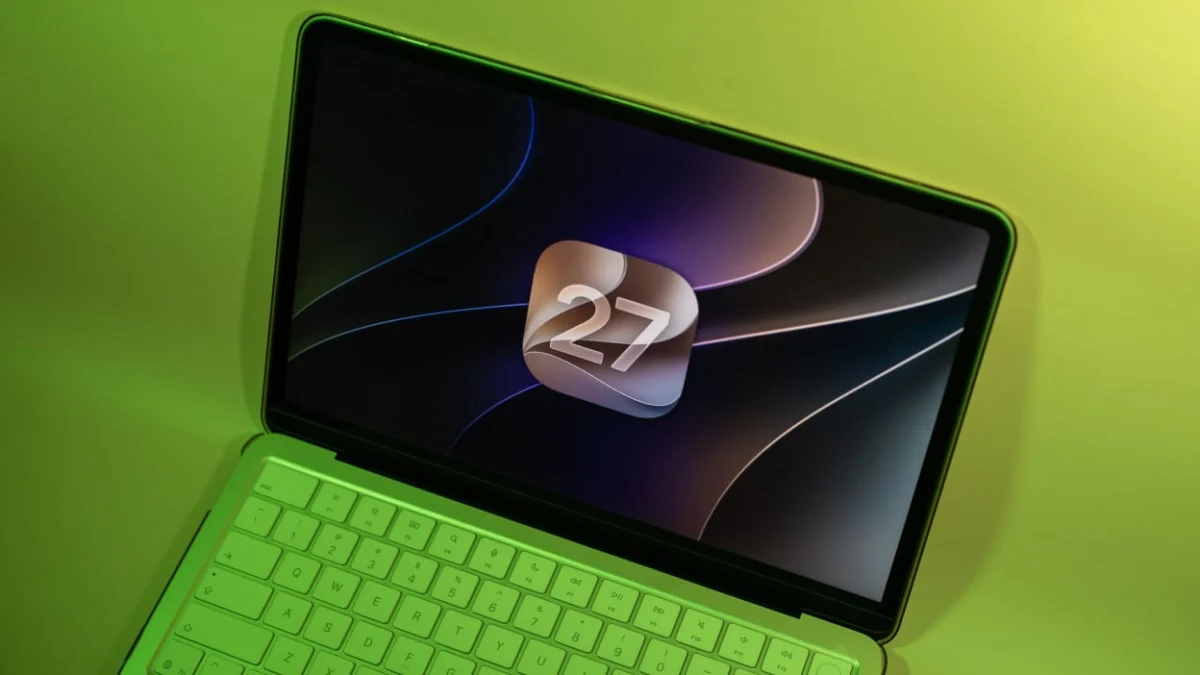
As of July 13, 2026, Apple has officially transitioned its testing phase for the upcoming macOS release—codenamed "Golden Gate"—into the public beta domain. This release, marking the 27th iteration of Apple’s desktop operating system, represents a significant pivot in the company’s software trajectory. While the update focuses heavily on refined performance and the integration of next-generation Apple Intelligence, it also serves as a definitive "line in the sand" regarding hardware support.
For power users, developers, and the tech-curious, the availability of the public beta offers a tantalizing preview of what to expect this fall. However, the move to macOS 27 is not without its complexities. As Apple phases out support for legacy architectures, users must weigh the benefits of early access against the inherent risks of pre-release software.
Main Facts: What Defines macOS Golden Gate?
The "27" designation is more than just a version number; it signals a fundamental shift in how Apple treats its silicon-based architecture. The core pillars of this release include:
- Siri AI Integration: Following months of anticipation, the revamped Siri is the centerpiece of the update. Unlike previous versions, the new AI is built on a foundational model that understands context, cross-app workflows, and system-wide automation with unprecedented accuracy.
- Performance Optimization: While headline features often grab the attention, the engineering team has focused heavily on "quality-of-life" improvements. For owners of M-series chips, the OS promises improved thermal management and more efficient background processing.
- The Intel Sunset: Perhaps the most significant "main fact" of this release is the end of the road for Intel-based Macs. macOS 27 is exclusively built for Apple Silicon (M-series chips). If your machine does not feature an Apple-designed processor, this update will not be available to you.
Chronology: From WWDC to Public Release
To understand the current state of macOS 27, one must look at the timeline established during the summer of 2026:
- WWDC 2026 (June): Apple officially unveiled the roadmap for macOS Golden Gate. During the keynote, the focus was placed squarely on the "Siri AI" engine and the integration of new Apple Intelligence features across the desktop experience.
- Developer Preview (Late June): Immediately following the conference, Apple released the first developer-only beta. This period allowed core app developers to test their software against the new APIs and architectural changes.
- Public Beta Launch (July 13, 2026): As of today, the public beta is now live. This is the stage where the software has been deemed "stable enough" for a wider audience to begin testing, providing Apple with telemetry data from a broader range of user configurations.
- The Fall Launch (Projected October 2026): The official, stable build is expected to roll out to the general public in the autumn, coinciding with the typical refresh cycle for Apple’s hardware lineup.
Supporting Data: Why Caution is Essential
While the prospect of running the latest software is enticing, the data surrounding beta cycles suggests that caution is the better part of valor. A "beta" is, by definition, a work in progress.
The Risk-to-Reward Ratio
Beta software often contains "memory leaks" or unoptimized background processes that can lead to:
- Reduced Battery Life: Pre-release builds often lack the final power-management optimizations, leading to faster battery depletion on MacBook models.
- Incompatibility: Third-party applications—particularly those involving system-level extensions, VPNs, or antivirus software—may crash or refuse to launch entirely.
- Data Integrity: Although rare, the possibility of a kernel panic that leads to file system corruption is never zero.
Recommendation: If you are a professional who relies on your Mac for daily income, the public beta should be relegated to a secondary machine. If you must test it on your primary device, ensure that your data is backed up to at least two distinct locations—one being a physical external drive (Time Machine) and another being an off-site cloud storage solution.
Official Responses and Enrollment Procedures
Apple has streamlined the enrollment process significantly over the last several years, removing the once-prohibitive $99 barrier for developer access. However, the path to installation remains intentional.

Enrolling in the Public Beta
- Register: Visit the official Apple Beta Software Program portal and sign in with your Apple Account.
- System Configuration: Navigate to System Settings > General > Software Update.
- Toggle Beta Updates: Click the info (i) button next to "Beta Updates." Select "macOS 27 Golden Gate Public Beta."
- Install: Your Mac will scan for the update. Once found, follow the standard installation prompts.
The Developer Beta Alternative
For those who prefer the absolute bleeding edge, the developer beta is now accessible for free. However, Apple explicitly notes that developer builds are updated more frequently and may contain more "experimental" code than the public beta. It is generally recommended that only those with a high tolerance for troubleshooting choose this route.
Implications: The End of an Era
The transition to an Apple-Silicon-only operating system has profound implications for the industry and the consumer.
Hardware Obsolescence
The exclusion of Intel Macs is not merely a software limitation; it is an architectural necessity. By removing support for x86-64 code, Apple has cleared the way for a more streamlined kernel that relies entirely on the ARM-based instruction sets of the M-series chips. For users still clinging to high-end Intel Mac Pros or late-model MacBook Pros with Intel chips, this marks the end of their eligibility for the latest security patches and feature sets.
The "Siri AI" Shift
The implications of the new Siri AI are significant for the future of productivity. If the "Golden Gate" vision succeeds, the operating system will cease to be a passive environment where users manually manage files and settings. Instead, it becomes a proactive partner. The AI is designed to anticipate needs, such as drafting emails based on recent documents or surfacing relevant files before they are requested. This represents the most significant shift in the human-computer interface since the introduction of the graphical user interface (GUI).
Sustainability and Ecosystem Lock-in
By forcing a hardware upgrade cycle for those who want the latest software, Apple is further entrenching its "Walled Garden." While this ensures a highly optimized and secure experience for those on M-series chips, it also creates a digital divide. Users who cannot afford to upgrade their hardware will eventually find themselves on an "island" of legacy software, leading to potential security vulnerabilities as support for older macOS versions is phased out.
Expert Commentary: Is it Time to Upgrade?
Technology industry analysts suggest that while the macOS 27 beta is a landmark release, the "average" user should hold off until the official launch in the fall. The allure of Siri AI is strong, but the core functionality of a Mac—reliability and stability—should not be sacrificed for features that are still being refined.
For the enthusiast, however, the beta offers a look into a future where the operating system is as intelligent as it is fast. As we move closer to the fall, the focus will shift from "bug hunting" to "feature polishing." The feedback provided by those currently installing the public beta will ultimately determine the polish of the final release.
Final Checklist Before You Install:
- Verify Backup: Is your Time Machine backup current?
- Check App Compatibility: Do your critical apps (Adobe Suite, CAD software, etc.) have known issues with the current beta build?
- Hardware Check: Is your Mac truly compatible? (Remember: M-series chips only.)
- Patience: Are you prepared for the possibility of a system crash that requires a complete reinstall?
If you can answer "yes" to these, you are ready to enter the "27" era. macOS Golden Gate is more than just an update; it is the blueprint for the next decade of personal computing. Whether it lives up to the hype will be decided in the coming months, but one thing is certain: the era of Intel is over, and the era of pure Apple Silicon intelligence has officially begun.
 Layla Zulfa
  Asro
Asro  Reynand Wu