
 By Muslim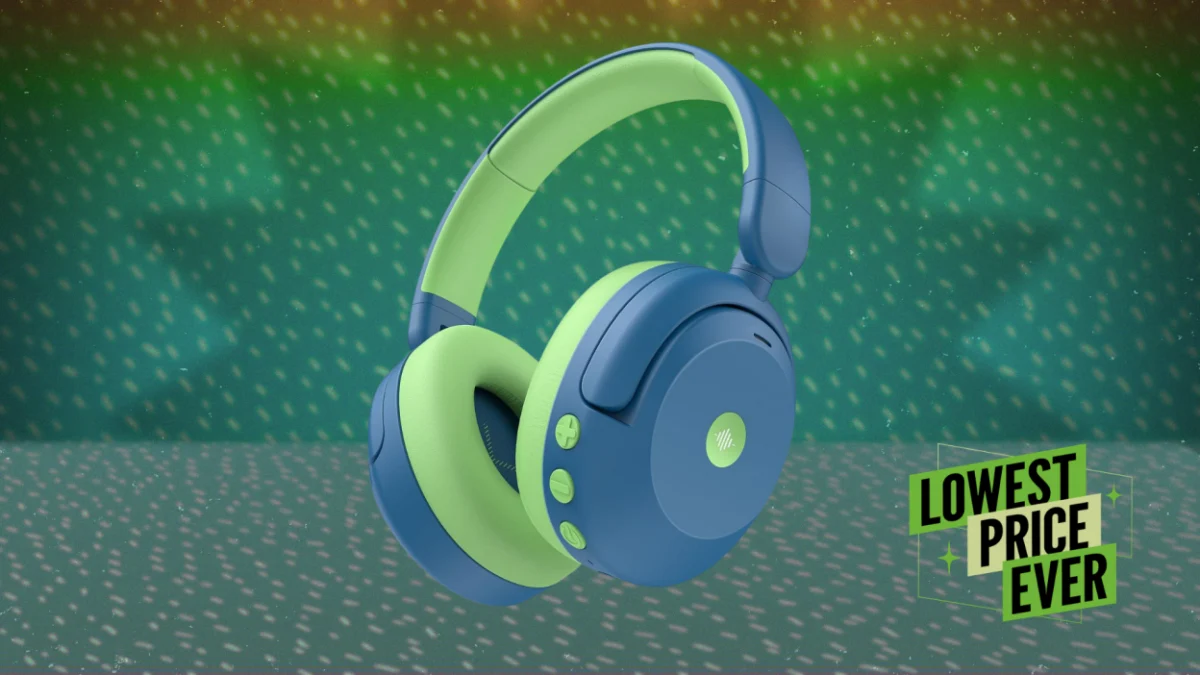
In an era where digital learning, gaming, and multimedia consumption are ubiquitous, providing children with high-quality audio equipment is no longer just a luxury—it is a necessity. However, the market is saturated with poorly constructed, generic audio peripherals that often neglect the most critical aspect of child-centric design: hearing health. Balancing the need for immersive sound with stringent safety requirements has long been a challenge for audio engineers.
Recently, the iClever BTH20 ANC headphones for kids have risen to the forefront of this category, earning an Editor’s Choice Award from PCMag. Currently available at a record-low price of $34.98—a 30% discount from their original $49.99 retail price—these headphones represent a rare intersection of audiophile-grade features and pediatric safety standards.
The Core Facts: A Breakdown of the iClever BTH20
The iClever BTH20 is not merely a downsized version of adult headphones; it is a purpose-built device engineered specifically for the anatomy and sensory needs of children. At its core, the device addresses the fundamental problem of volume-induced hearing loss. By capping the maximum output at 80dB, the headphones ensure that even at full volume, the audio remains within safe thresholds for developing ears.
Beyond the volume limiter, the inclusion of Active Noise Cancellation (ANC) is a game-changer. By reducing ambient environmental noise, the BTH20 allows children to hear their content clearly at lower, safer volumes. This is a critical distinction, as many traditional headphones require users to crank the volume to compete with background noise—a practice that significantly increases the risk of long-term hearing damage.
A Chronological Evolution of Children’s Audio Gear
To understand the significance of the BTH20’s market entry, one must look at the progression of consumer audio for minors.
- The Early 2000s: The market was dominated by low-cost, wired earbuds. These devices offered no volume limiting and were often uncomfortable, leading to frequent replacement and poor user experience.
- The Mid-2010s: As tablets became classroom staples, parents began shifting toward "kids’ headphones" that featured physical volume limiters, usually set at 85dB. While safer, these early iterations often lacked audio fidelity, resulting in muffled, tinny sound that discouraged children from using them.
- The Present Day: The current landscape is defined by the integration of sophisticated technology, such as Bluetooth 5.4, AAC codec support, and adaptive noise cancellation. The iClever BTH20 represents the maturation of this sector, proving that high-tech features like ANC can be effectively—and safely—implemented for a younger demographic.
Technical Specifications and Performance Data
The engineering behind the BTH20 is robust, utilizing 40mm drivers to deliver a frequency response range of 20Hz to 20kHz. This range is standard for high-fidelity audio, ensuring that the sound profile is rich and balanced.
Frequency Response Engineering
A particularly noteworthy feature of the BTH20 is its deliberate frequency response curve. The engineers have tuned the device to dip slightly in the 2kHz to 4kHz range. This specific frequency band is known to be the most sensitive area for human hearing and the range where prolonged exposure to high-intensity sound is most likely to cause permanent auditory fatigue or damage. By attenuating these frequencies, iClever adds a secondary layer of protection beyond simple volume capping.
Noise Cancellation Efficacy
The ANC system on these headphones is twofold. It combines passive isolation—provided by the plush, leatherette earcups—with active circuitry that reduces ambient noise by up to 40dB. The user can toggle between two modes:

- Low Setting: Designed to neutralize steady, low-frequency hums, such as the drone of an airplane engine or an oscillating fan.
- High Setting: Optimized for more complex, repetitive low-end noise, providing a clearer "silence" that allows for better focus during study or travel.
Battery Longevity
For parents, the maintenance of electronics is a common pain point. The BTH20 addresses this with an impressive battery life of 60 hours with ANC turned off, and 35 hours with ANC enabled. For those instances when the device is forgotten, the "quick charge" feature is a lifesaver: a mere 10-minute charge provides up to five hours of playback time.
Design Philosophy and Ergonomics
The physical construction of the BTH20 focuses on comfort and durability. Weighing only 7.69 ounces, the headset is designed to be worn for extended periods without causing pressure or strain on a child’s neck or head.
The earcups pivot and fold flat, making them highly portable. Included in the purchase is a protective case, which is essential for preventing damage during school commutes or family vacations. The tactile buttons are designed with debossed icons, allowing children to intuitively navigate controls—such as volume adjustment, track skipping, and ANC toggling—without having to take the headphones off to see what they are pressing.
Official Responses and Industry Reception
Industry experts and consumer advocates have praised the BTH20 for its accessibility. The consensus among reviewers is that the device finally bridges the gap between "toy-like" quality and "professional-grade" audio. By achieving the PCMag Editor’s Choice Award, the product has received a stamp of approval that validates its performance metrics, particularly its ability to balance noise cancellation with safety-first volume limits.
While the lack of an IPX water-resistance rating is a noted omission, it serves as a reminder that these are precision electronics rather than rugged outdoor gear. The industry expectation is that such features are likely to appear in future iterations as the "kids’ tech" market continues to professionalize.
Implications for Parents and Educators
The shift toward high-quality, ANC-equipped headphones for children has significant implications for how we manage screen time and digital learning.
- Concentration and Focus: For children with sensory sensitivities or those who attend school in noisy environments, the ability to dampen background noise is a powerful tool for academic focus.
- Hearing Longevity: By prioritizing the 80dB limit and using ANC to keep volume levels low, parents are making a proactive investment in their children’s long-term health.
- Economic Value: At the current price point of $34.98, the value proposition is high. Rather than purchasing disposable, low-quality headphones every few months, the BTH20 offers a durable, high-performance alternative that is built to last through years of school and travel.
Conclusion: A Sound Investment
The iClever BTH20 ANC headphones stand out as a premier choice in a crowded marketplace. By combining technical sophistication—such as Bluetooth 5.4, AAC support, and dual-mode ANC—with a child-focused safety design, they provide a solution that parents can trust and children will actually enjoy using.
As we move toward a more digitally integrated future, the importance of protecting the sensory health of the next generation cannot be overstated. With their current record-low pricing, these headphones offer an accessible entry point into high-quality, safe audio, setting a new benchmark for what parents should expect from children’s technology. Whether for long car rides, online tutoring, or simply quiet time at home, the iClever BTH20 is an essential upgrade for any modern family’s tech toolkit.
 Layla Zulfa
  Asro
Asro  Reynand Wu