
 By Nana Muazin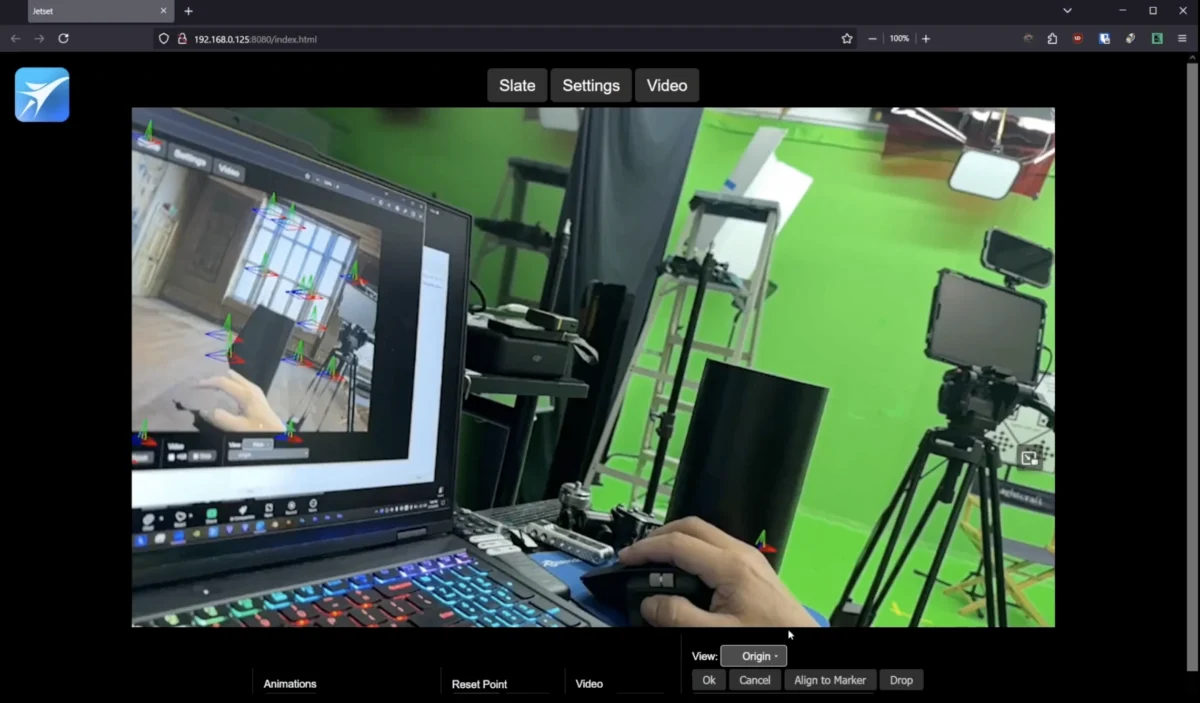
The cinematic landscape is undergoing a profound transformation, driven by an unlikely convergence of micro-budget successes and groundbreaking technological innovation. No longer confined to the colossal budgets and intricate networks of traditional Hollywood, filmmaking is becoming increasingly democratized, fostering a new wave of talent and storytelling previously unimaginable. At the forefront of this shift is Lightcraft Technology’s AI-assisted platform, Spark, poised to redefine the creative process from script to screen.
For decades, the dream of bringing a major motion picture to life was accompanied by an intimidating checklist: vast financial investment, powerful industry connections, extensive studio backing, expensive cameras, and sprawling crews. However, recent phenomena like "Backrooms" and "Obsession" have shattered these conventions, proving that compelling narratives and fresh aesthetics can emerge from remarkably modest origins. These films, built outside the traditional system using accessible tools like Blender and other low-cost technologies, have resonated deeply with audiences worldwide. "Backrooms," notably, achieved a staggering global gross of $367 million on what was described as an incredibly low production budget, a testament to its profound connection with viewers.
Eliot Mack, CEO and co-founder of Lightcraft Technology, views these successes not as anomalies but as clear harbingers of the future. "The key movies in every generation are the ones that rewrite the rules," Mack asserts. "What you are seeing now is the speed at which new talent gets a shot at rewriting the rules." This rapid acceleration, he believes, signals a monumental shift beyond mere cost reduction, aiming to make the entire filmmaking process more open, collaborative, and accessible to a broader creative class.
The Dawn of a New Cinematic Era
The conventional wisdom of filmmaking, long entrenched in a system of high finance and established infrastructure, is being vigorously challenged. The success stories of films like "Backrooms" demonstrate a powerful audience hunger for novelty, raw authenticity, and diverse voices that often struggle to find traction within mainstream pipelines.
Micro-Budget Marvels Redefine Success
The films "Backrooms" and "Obsession" exemplify a disruptive trend where creative ingenuity triumphs over financial muscle. These productions, often leveraging readily available software and lean teams, have tapped into a vein of audience desire for original ideas and distinctive visual styles. Their ability to generate significant commercial success with minimal investment — "Backrooms" achieving a phenomenal $367 million globally from a reported micro-budget — underscores a fundamental re-evaluation of what constitutes a viable and impactful film. This success is not just about cost-cutting; it’s about a paradigm shift where the idea and its execution through accessible digital means outweigh the traditional prerequisites of studio infrastructure and star power. These films highlight that audiences are eager to see narratives that break free from predictable formulas, embrace new aesthetics, and resonate on a deeper, more authentic level.
Eliot Mack’s Vision: Rewriting the Rules
Eliot Mack articulates a future where the barriers to entry for aspiring filmmakers are drastically lowered, allowing talent to emerge and innovate at an unprecedented pace. His observation that "the key movies in every generation are the ones that rewrite the rules" suggests a cyclical nature to cinematic evolution, with the current era marked by a rapid democratization of creative opportunity. This is not merely about making films cheaper, but about fostering an environment where creators can develop, test, and present their ideas far earlier in the process, bypassing the often-arduous and financially prohibitive traditional development cycles. Mack envisions a world where a 20-year-old talent can achieve a "big break" with unprecedented speed, a phenomenon he predicts will only intensify as filmmaking tools become more powerful and intuitive.

Lightcraft Spark: The Architecture of Future Filmmaking
Lightcraft Spark, an AI-assisted filmmaking platform, is positioned as a pivotal tool in this evolving landscape. With new features slated for a reveal at an upcoming industry event, Spark is designed to fundamentally alter how stories are conceived, developed, and produced.
Bridging the Creative Divide
Spark’s core innovation lies in its ability to unify disparate elements of filmmaking into a single, collaborative 3D environment. It integrates the screenplay, creative decisions, and production planning, allowing filmmakers to visualize and explore their worlds long before cameras even begin to roll. This comprehensive approach aims to streamline the process, making it both easier and significantly more affordable. Crucially, Spark’s script-first focus empowers writers and creatives, even those new to the technicalities of filmmaking, to experiment with how their ideas translate into 3D space. This capability is invaluable for pitching, enabling creators to present tangible, visual representations of their vision rather than relying solely on abstract written concepts.
From Abstract to Tangible: Empowering Early Visualization
Mack emphasizes that Spark’s true power lies in its capacity to transform abstract ideas into tangible, explorable realities at the earliest stages of development. Instead of spending years attempting to convince potential backers or collaborators of an idea’s viability, creators can now build, test, and visually demonstrate their concepts with remarkable efficiency. This immediate visualization fosters a more iterative and experimental creative process, allowing filmmakers to refine their narratives and aesthetics in a dynamic 3D sandbox. The ability to see and interact with a film’s world before commitment to costly production phases reduces risk, accelerates decision-making, and ensures a more cohesive creative vision from inception.
Reshaping Hollywood’s Power Dynamics
The rise of platforms like Spark, coupled with the success of micro-budget films, signals a significant re-evaluation of Hollywood’s traditional role and influence within the global film industry.
Challenging the Gatekeepers
Historically, Hollywood has functioned as both the primary financier and the ultimate gatekeeper for aspiring filmmakers seeking to produce projects beyond the smallest scales. Its control over budgets, distribution, and talent pathways has long dictated who gets to tell what stories and how. However, as the cost of creating high-quality, impactful content plummets, this dynamic is poised for a dramatic reversal. When films can be created with a fraction of the traditional budget, more individuals gain the autonomy to pursue ambitious, original projects. Mack foresees a future where the power balance shifts, with studios increasingly "pitching creators" rather than the other way around, compelled by the undeniable talent and proven audience engagement demonstrated by figures like Curry Barker and Kane Parsons. This decentralization of creative power will gradually erode Hollywood’s role as an exclusive arbiter, transforming it into a more collaborative partner.
Hollywood as Incubator, Not Overlord
In this evolving ecosystem, Mack envisions Hollywood transitioning from an "overseer, backer, and decider" to a model more akin to modern venture capital or a "supercharged incubator program." This new role would involve helping promising projects scale and develop, leveraging Hollywood’s century-plus of accumulated insights into the art form, distribution, and audience psychology. The invaluable experience of industry veterans, from storytelling nuances to marketing strategies, will still hold immense value, regardless of changes in production methods. Crucially, Spark will also act as a powerful talent spotting mechanism. By enabling filmmakers to develop magnetic shots and even rough cuts early on, it creates a "seeing is believing" scenario—a visual screen test for creators. This transparency will allow both studios and independent producers to identify and support exceptional talent based on concrete demonstrations of their vision and skill, further democratizing access to opportunities.

Streamlining the Creative Workflow
A persistent challenge for small to medium-sized filmmakers has been maintaining consistency and achieving scale in complex areas like visual effects, post-production, and overall polish. Spark aims to collapse these friction points through a highly integrated and collaborative approach.
Collapsing Friction Points: Consistency and Collaboration
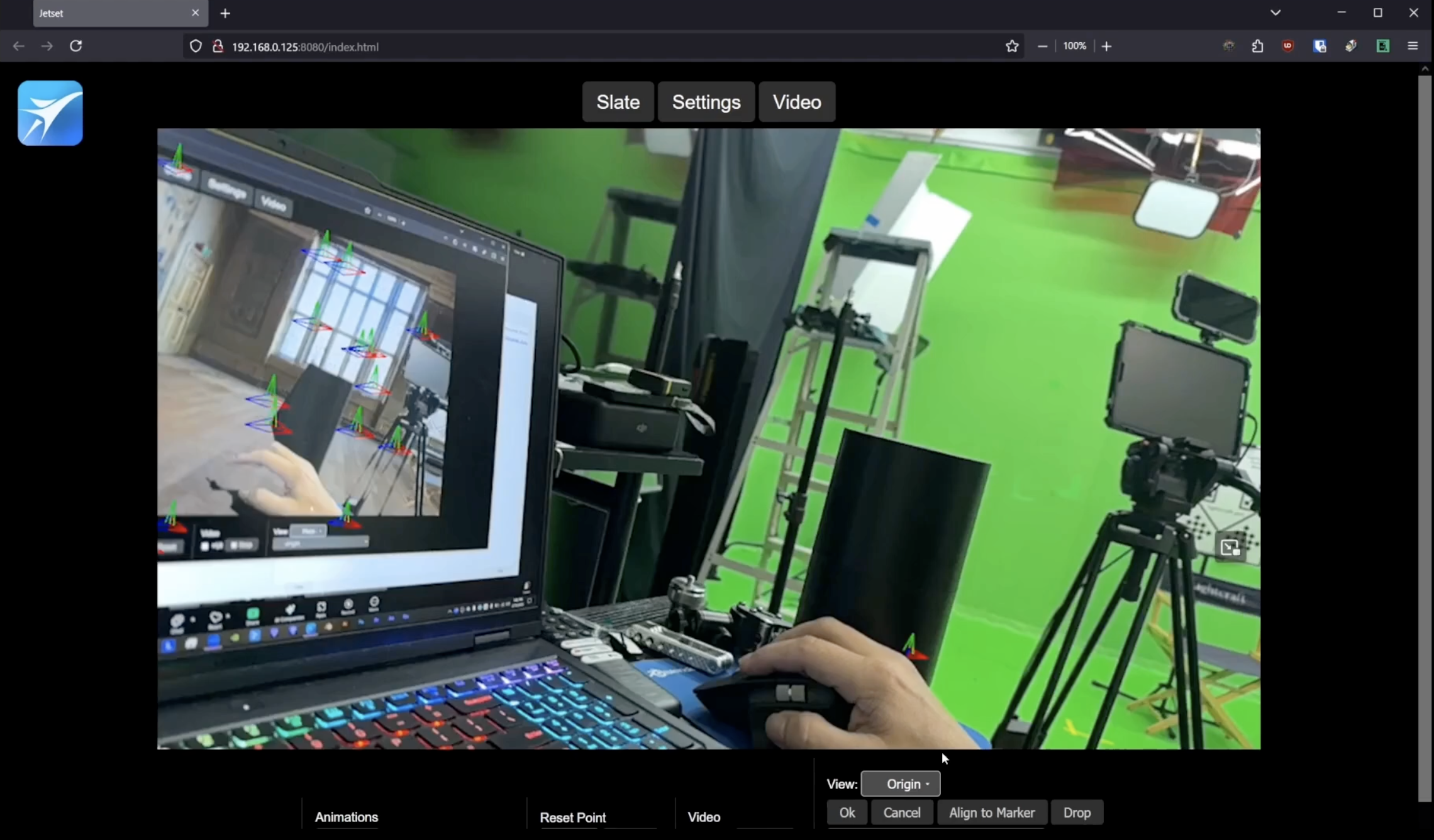
Spark addresses critical bottlenecks by organizing the entire project around three central pillars: the screenplay, a comprehensive database, and the ability to collaborate, ideate, and track work in 3D using readily available devices like browsers or iOS. This framework ensures that everyone involved can access the same real-time information, fostering unparalleled consistency across all project phases. A key feature is the automation of numerous data processes, traditionally manual and time-consuming, enabling smaller teams to manage hundreds of shots efficiently. By anchoring creative decisions to the screenplay and a dynamic 3D database, Spark preserves the project’s "ground truth," making every creative choice discoverable and consistent.
This structured environment facilitates effortless collaboration. When a cinematic decision is made and shared, collaborators can instantly replicate and experience that situation in 3D, fostering visual back-and-forths without data loss. The ability to "show, not tell" camera positions or shot ideas dramatically speeds up communication. A director of photography, for instance, can receive a new shot suggestion, visualize it instantly in 3D, and provide feedback, moving the project forward rapidly without the typical anxieties about miscommunication or lost ideas. This visual, iterative feedback loop is poised to propel small to mid-sized teams with unprecedented efficiency.
The Unified Pipeline: Connecting Disconnected Islands
Historically, filmmaking has been characterized by a fragmented workflow, often likened to a series of isolated "islands": pre-production, production, and post-production. These phases frequently operate with minimal communication, leading to redundancies and inefficiencies, where "the movie is made three times over." The tools supporting these phases have evolved independently, lacking a common data backbone. Spark aims to bridge this chasm by providing a "lingua franca" that connects all these islands, establishing a unified data infrastructure.
Crucially, Lightcraft isn’t attempting to reinvent every existing tool. Mack acknowledges the excellence of established software like Avid, Premiere, Blender, Maya, and Unreal. Instead, Spark focuses on providing the connective tissue, enabling these diverse tools to communicate seamlessly. This unification bridges the often-stark divide between the "story world" (vision, character, narrative needs) and the "technical infrastructure" (camera dollies, lighting setups, practical logistics). By allowing these two worlds to meet in a shared, comprehensible space, Spark promises to eliminate much of the confusion and inefficiency that has plagued the industry, thereby significantly driving down costs.
New Aesthetics, Genres, and the Future of Storytelling
The emergence of low-budget, viral films has introduced a new aesthetic—raw, imperfect, yet emotionally potent. Spark’s role in this context is not to impose a studio-grade sheen but to empower creators to define their own visual language.
Amplifying Creative Intent
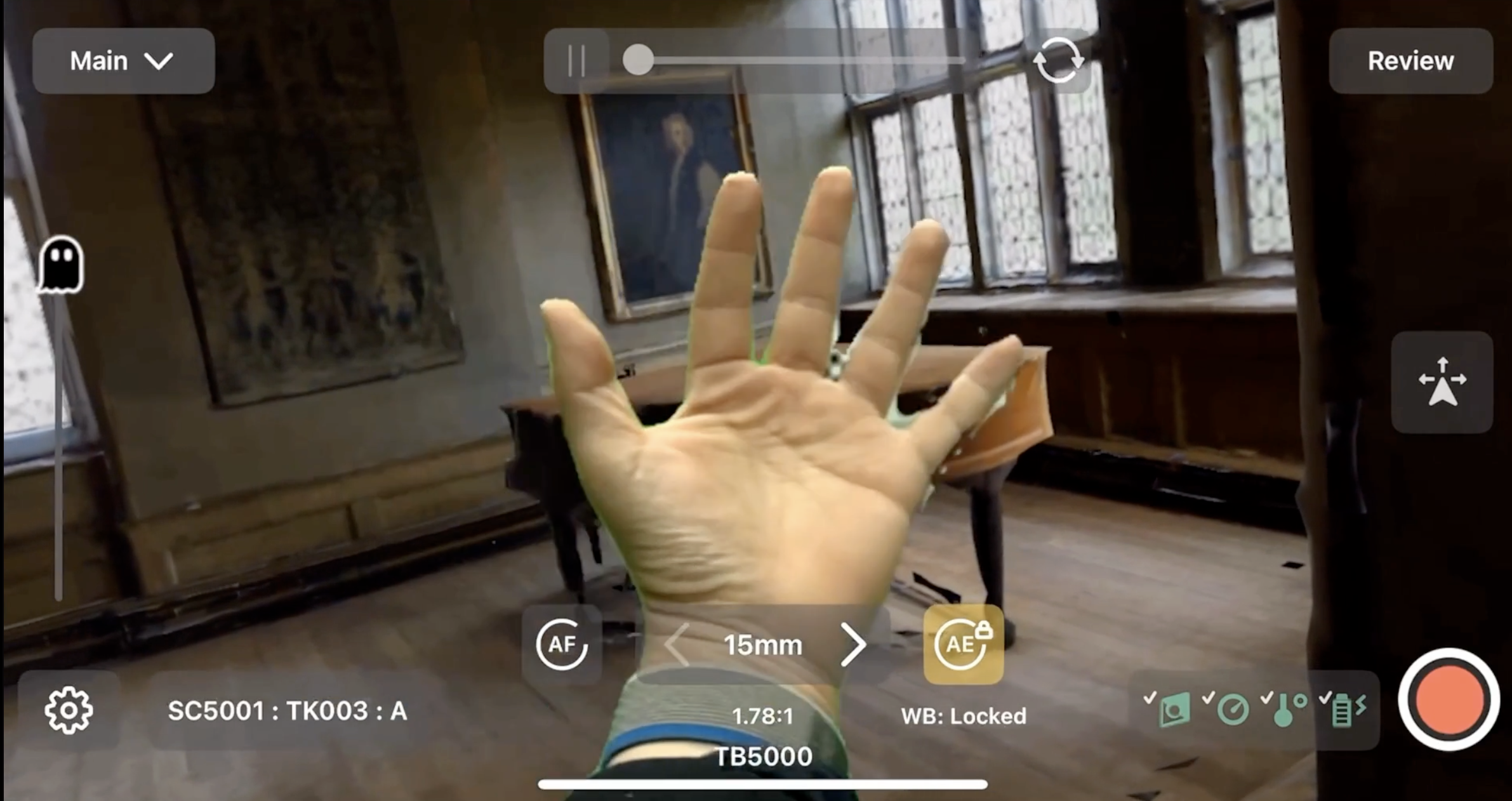
Spark is designed as a creative playground where filmmakers can define and refine any aesthetic they desire. It doesn’t force a particular "look" but rather automates the mundane, technical tasks, freeing creators to focus on their artistic vision. While the platform is built on studio-grade technical pillars like USD, 3D databases, and high-precision tracking, offering the option for polished, high-fidelity results, filmmakers are not locked into any specific style. This flexibility allows them to embrace the raw, emotionally sticky aesthetic of viral films or to pursue a more refined, traditional look, all within the same agile framework. The platform’s strength lies in its ability to amplify the creator’s intent, whatever that may be.
From Short-Form to Expansive Narratives
Mack suggests that while Spark will accelerate storytelling and make ambitious ideas more financially viable, its primary impact might not be the creation of entirely new genres. Instead, he anticipates a significant trend: the expansion of successful short-form, viral content into larger, long-form projects. When creators develop beloved characters and compelling worlds, the natural inclination is often to explore them more deeply through feature films or series. "Backrooms" serves as a prime example, where director Kane Parsons has openly discussed a long-term vision that encompasses both his initial YouTube shorts and the subsequent feature film. Tools like Spark, by clearing the technical and financial hurdles, will encourage more creators to "swing for the fences," enabling them to scale their impactful short-form narratives into expansive, big-win projects.
The Indie Production of Tomorrow: A Five-Year Outlook
Looking ahead five years, the "typical" indie production is poised for a radical transformation, with Spark’s embedded capabilities fundamentally altering every stage of filmmaking.
Collaborative Script-to-Screen
The solitary act of scriptwriting will evolve into a deeply collaborative, visual process. Filmmakers will begin "pre-shooting" their projects in Spark concurrently with script development, working alongside collaborators in real-time. This integrated approach replaces the blank page with an interactive 3D canvas, allowing teams to workshop scenes, try out virtual locations, and visualize their project’s potential from the very outset. This shift will make the early creative phase more playful and creatively fulfilling, ensuring that a project’s visual viability is validated in tandem with its narrative structure.
Revolutionizing Pitching and Funding
The pitching process, traditionally a "hope and a prayer" exercise based on abstract scripts, will be revolutionized. Instead of verbal descriptions, filmmakers will present compelling 3D shots or even rough cuts generated within Spark. This tangible visual evidence will allow potential investors, talent, and collaborators to instantly grasp the film’s tone, aesthetic, and overall vision. This "seeing is believing" approach will dramatically increase the chances of securing funding and attracting top-tier talent, as stakeholders can immediately connect with the project’s cinematic potential, bringing the presented vision much closer to the finished article.
Optimized Production and Transparent Post
Once a project moves into production, Spark’s comprehensive pre-planning capabilities will ensure unparalleled efficiency. The meticulous pre-visualization, akin to Kane Parsons’ detailed planning for "Backrooms," will become the industry standard. Every shot, every take, every planning decision will be meticulously documented and accessible in one centralized, remote-friendly location, eliminating guesswork and costly on-set improvisations. Post-production, traditionally a "black hole" of uncertainty, will become transparent and trackable. Filmmakers will monitor the progress of every shot, seeing the film develop in Spark from its earliest stages, fostering an end-to-end logic and clarity that was previously unattainable.
The "Ground Truth" of Filmmaking
Ultimately, the fully embedded Spark ecosystem will create a filmmaking process that is less disjointed and confusing. Teams will operate with unprecedented clarity, knowing precisely "where the ground truth of their project resides." This centralized repository of information will facilitate fast, fluid, and extremely efficient workflows, empowering collaborators to quickly get up to speed, address issues, and make informed decisions. The transformation will be profound yet feel natural, aligning the creative and technical aspects of filmmaking in a way that truly reflects how a collaborative art form should operate.
Conclusion
The convergence of accessible digital tools and innovative platforms like Lightcraft Spark is fundamentally democratizing filmmaking. By lowering financial barriers, fostering unprecedented collaboration, and streamlining complex workflows, this revolution empowers a new generation of storytellers to bypass traditional gatekeepers and bring their visions directly to audiences. The successes of micro-budget films serve as a powerful proof of concept, demonstrating a global appetite for fresh, authentic narratives. As Spark continues to evolve, it promises to not only drive down costs and enhance efficiency but also to unlock a new era of creative freedom, transforming Hollywood from an exclusive club into a dynamic incubator for diverse, impactful cinematic expression. The future of filmmaking is no longer about who has the biggest budget, but who can best harness the power of vision and collaboration to connect with the world.
 Evan Lee Salim
  Nana
Nana  Ammar Sabilarrohman