
 By Sagoh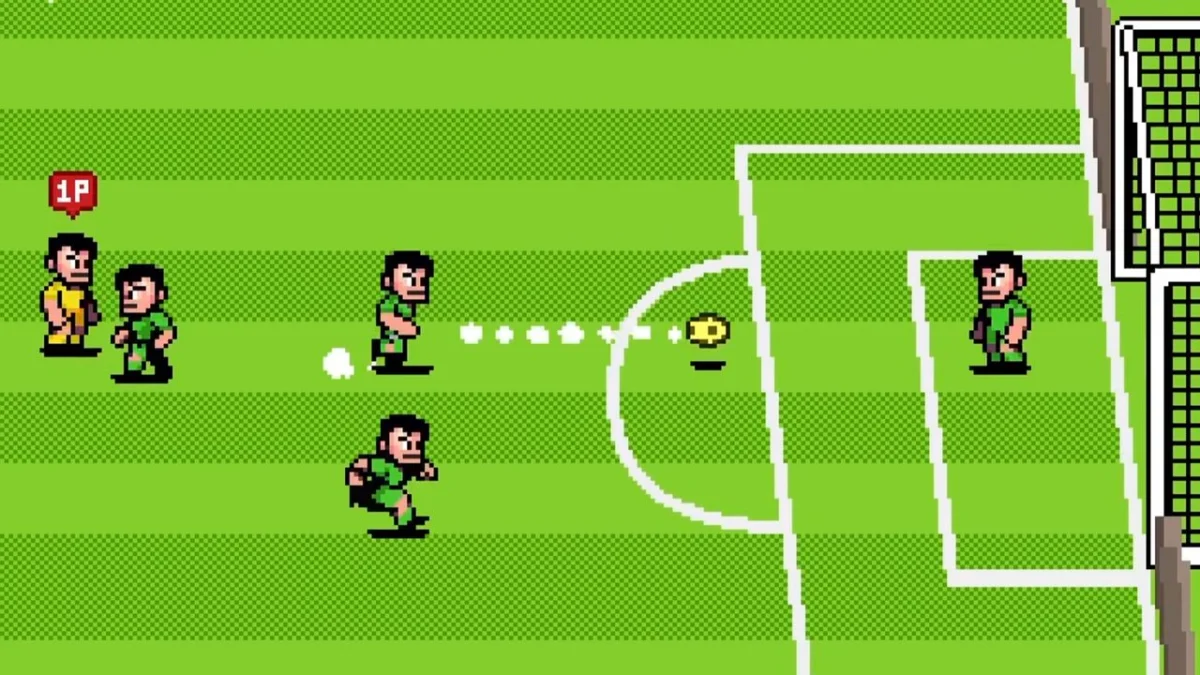
The annual release of EA Sports FC, a titan in the football simulation genre, often sparks a mix of excitement and apprehension among its dedicated fanbase. While the anticipated EA Sports FC 27 is believed to be slated for a September 25 release across major platforms including PS4, PS5, Xbox One, Xbox Series X/S, Nintendo Switch, and the upcoming Switch 2, persistent discontent has fueled a burgeoning movement: making your own football game.
Last year’s installment left many players disillusioned by a litany of bugs, questionable gameplay mechanics, and what many perceived as aggressively intrusive microtransactions. This simmering dissatisfaction has led a growing segment of the gaming community, from hobbyists to aspiring developers, to seek alternatives. Enter Godot Engine, a free, open-source, and increasingly popular game development platform, offering a compelling pathway for frustrated fans to design their dream football experience. A comprehensive, free tutorial series on YouTube, offering a complete game build in just 12 hours with all assets provided, presents a timely opportunity for anyone ready to take control of the pitch.
The Pitch of Discontent: Why Players Seek Alternatives
The launch of a new EA Sports FC title is typically a global event, eagerly awaited by millions. However, recent iterations have been met with a chorus of criticism, particularly concerning game stability, realism of player movement and AI, and the pervasive nature of microtransactions within modes like Ultimate Team. These issues have chipped away at player trust and enjoyment, leading many to question the value proposition of the yearly releases. The appeal of a bespoke, community-driven alternative has never been stronger, and the tools to achieve it are more accessible than ever before.
A Shifting Game: The Evolution of Football Simulations and Godot’s Rise
The history of football video games is a rich tapestry, evolving from rudimentary pixelated pitches to hyper-realistic digital arenas. Understanding this trajectory helps contextualize the current landscape and the growing appeal of DIY game development.
Early Kicks: The Dawn of Digital Football
The journey began in the early 1980s with titles like Pelé’s Soccer (1980) for the Atari 2600, offering basic representations of the sport. As technology advanced, games like Sensible Soccer (1992) and International Superstar Soccer (1994) captivated audiences with their fast-paced arcade action and intuitive controls, establishing foundational gameplay mechanics that still resonate today. These titles prioritized fluid gameplay and immediate fun over hyper-realism, fostering a strong sense of community and competitive spirit.
The FIFA Era: Dominance and Diversification
The mid-1990s saw the rise of Electronic Arts’ FIFA series, which quickly became synonymous with football simulation. Leveraging official licenses, realistic graphics, and an ever-expanding feature set, FIFA (and now EA Sports FC) cemented its position as the market leader. For decades, it largely defined player expectations for what a football game should be, offering annual updates that promised graphical enhancements, updated rosters, and refined gameplay.
However, this dominance also brought challenges. The annual release cycle often meant incremental changes rather than revolutionary leaps, leading to accusations of stagnation. The introduction and aggressive promotion of Ultimate Team, a card-collecting mode heavily reliant on microtransactions, became a significant point of contention. While immensely profitable for EA, many players felt it created a "pay-to-win" environment, undermining fair competition and prioritizing revenue generation over player experience. Bugs, glitches, and inconsistent AI performance also became recurring complaints, further eroding goodwill.
The Indie Renaissance and Open-Source Revolution
Parallel to the evolution of AAA titles, the broader video game industry witnessed a significant shift with the rise of indie game development. Affordable tools, digital distribution platforms, and a global network of online communities empowered smaller teams and individual creators to bring their unique visions to life. This movement challenged the traditional gatekeepers of game development, fostering innovation and diversity in genres often overlooked by larger publishers.
Within this renaissance, open-source game engines like Godot emerged as powerful democratizing forces. Unlike proprietary engines that often come with hefty licensing fees or revenue-sharing agreements, Godot is completely free and open-source, meaning its source code is publicly available and can be modified and distributed by anyone. This philosophy aligns perfectly with the ethos of independent creation and community collaboration, making it an attractive choice for developers seeking full control and freedom.
Godot’s journey from a niche tool to a widely recognized platform has been marked by continuous development driven by a passionate community. Its lightweight nature, robust feature set, and beginner-friendly interface have made it a go-to for many aspiring and experienced developers alike, especially those looking to craft games across various genres without financial barriers. The frustration with commercial football games, coupled with the accessibility of tools like Godot, has created a fertile ground for tutorials and initiatives aimed at empowering players to become creators.
The GameDev Tavern tutorial series, in this context, represents a crucial bridge. It directly addresses the desire for a better football game experience by equipping individuals with the skills to build one themselves. By offering a structured, beginner-friendly path to creating a fully functional soccer game using Godot, it taps into the collective yearning for innovation and player-centric design that the mainstream market has struggled to consistently deliver. It’s an invitation to not just play the beautiful game, but to build it.
The Blueprint for the Beautiful Game: Godot Engine and GameDev Tavern’s Tutorial
The proposition of creating a fully functional football game might seem daunting, especially for those without prior coding experience. However, the GameDev Tavern’s "Arcade Soccer Tutorial" for Godot Engine dismantles these barriers, providing a comprehensive and accessible pathway for beginners. This initiative isn’t just about coding; it’s about empowering creativity and offering a tangible solution to the dissatisfaction prevalent in the modern football gaming landscape.
Godot Engine: The Open-Source Powerhouse
Godot Engine stands out in the crowded field of game development software for several compelling reasons, making it an ideal choice for this ambitious project:
- Free and Open-Source: This is perhaps Godot’s most significant advantage. There are no licensing fees, no royalty cuts, and no hidden costs, allowing developers to retain 100% of their earnings. This financial freedom is particularly attractive to indie developers and hobbyists.
- Lightweight and User-Friendly: Godot boasts a relatively small footprint and a clean, intuitive interface. Its node-based architecture makes it easy to understand how different game elements connect and interact.
- Versatile Scripting: While Godot supports C# and C++, its native scripting language, GDScript, is designed to be easy to learn, resembling Python in its syntax. This makes it highly approachable for beginners. Visual scripting is also available, further lowering the entry barrier.
- Cross-Platform Export: Games developed in Godot can be easily exported to a wide array of platforms, including Windows, macOS, Linux, Android, iOS, and web browsers, maximizing reach for creators.
- Strong Community Support: As an open-source project, Godot benefits from a vibrant and active global community. This means abundant resources, forums, and tutorials, including community-driven projects like the GameDev Tavern series, are readily available.
These features collectively make Godot an exceptional tool for aspiring game developers, enabling them to bring their ideas to life without the complexities and financial burdens often associated with proprietary engines like Unity or Unreal Engine.
GameDev Tavern: Your Coach to Code
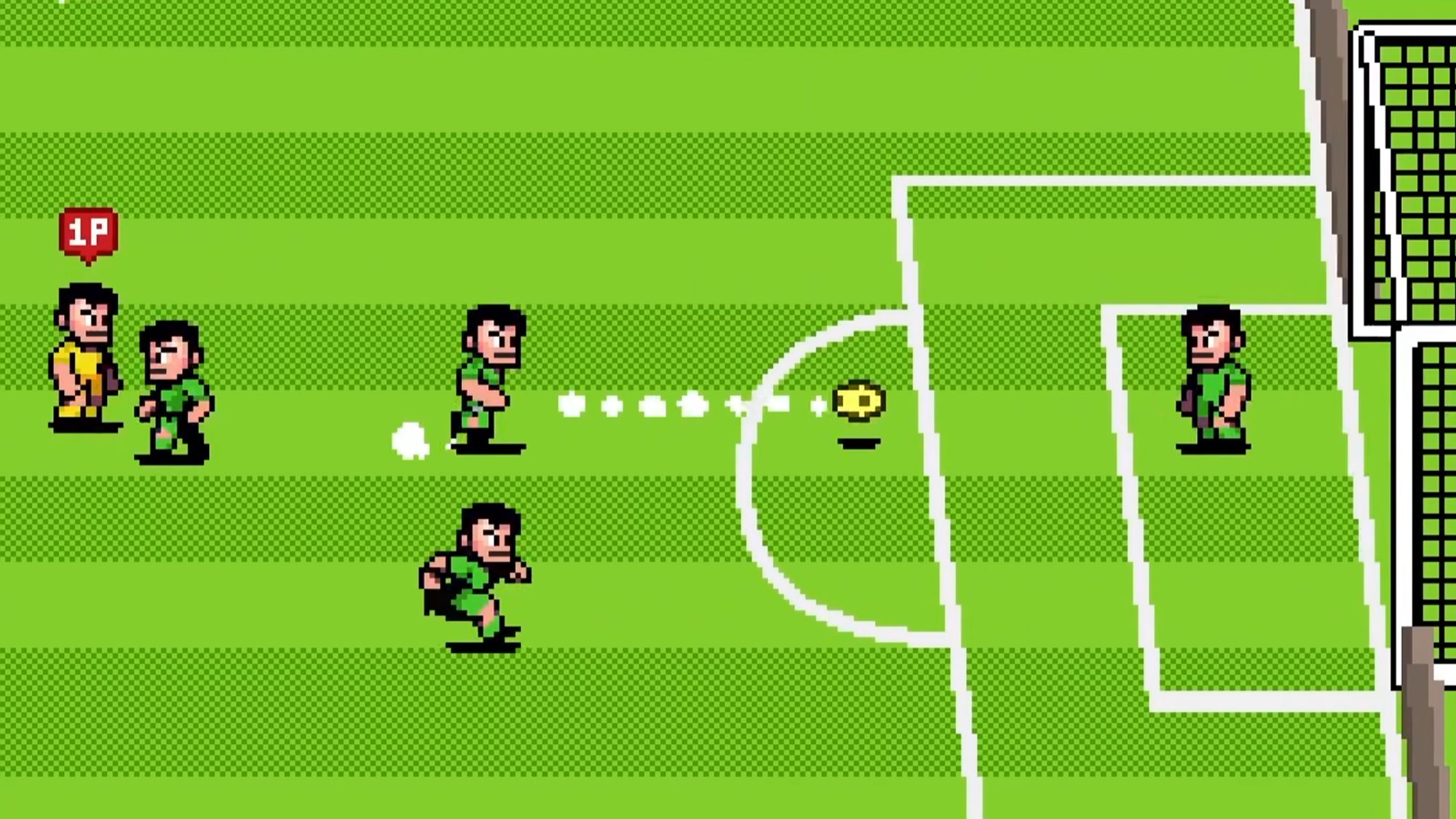
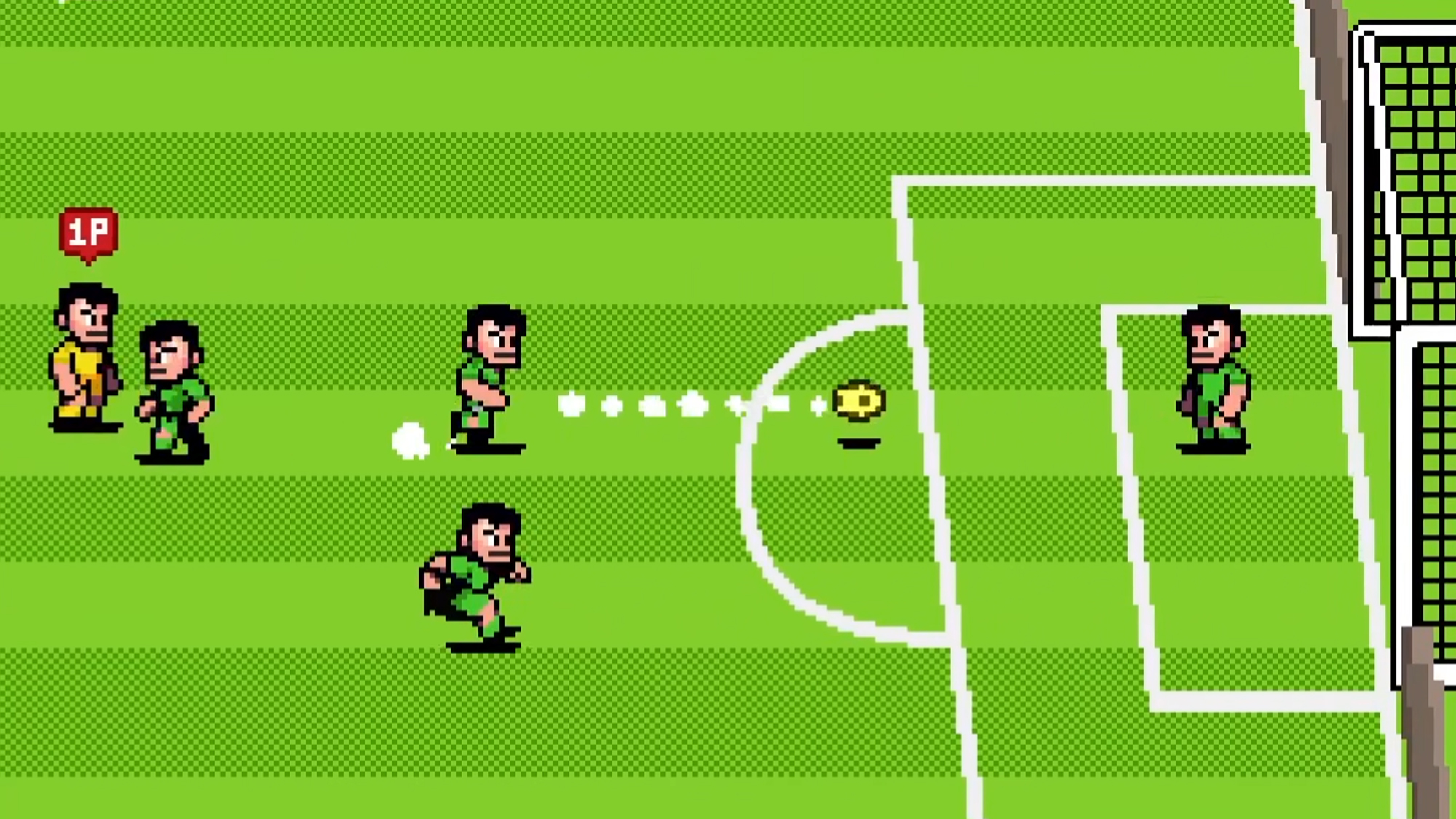
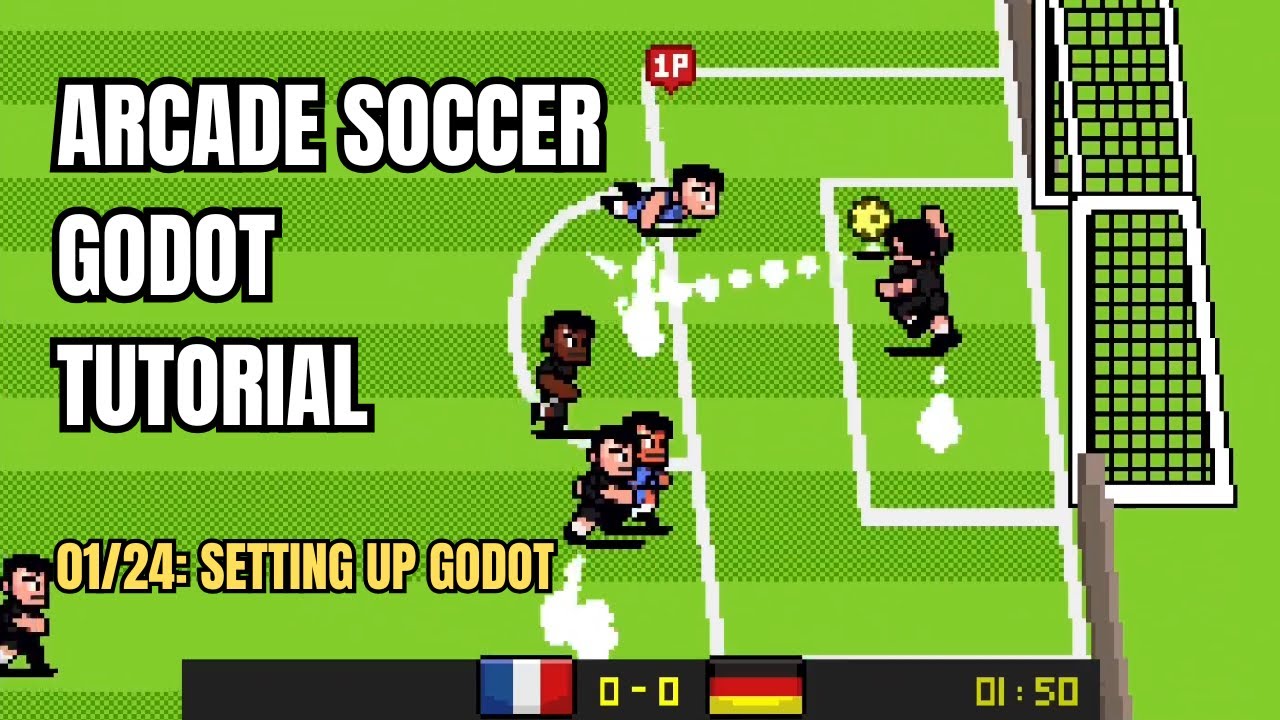
The GameDev Tavern has already established a reputation for high-quality, free educational content, previously noted for their comprehensive Dungeon Crawler 3D game tutorials using Godot. Their "Arcade Soccer Tutorial" builds on this legacy, offering an equally robust and beginner-friendly learning experience. The tutorial’s design is particularly well-suited for those looking to quickly grasp the fundamentals and see tangible results.
Key Features of the Tutorial Series:
- Modular Learning: The entire 12-hour course is intelligently broken down into 24 episodes, each approximately 30 minutes long. This digestible format prevents information overload and allows learners to progress at their own pace, making it easy to fit into busy schedules.
- Comprehensive Curriculum: The series covers a remarkable breadth of topics essential for creating a functional football game, moving systematically from foundational setup to advanced gameplay mechanics and aesthetics.
- Getting Started: The initial episodes focus on setting up the Godot Engine environment, ensuring learners are comfortable with the interface and basic project structure.
- Core Mechanics: Essential gameplay elements are tackled early, including basic player movement, collision detection, and interaction with the ball.
- Advanced Player Actions: The tutorial delves into specific, recognizable football actions, such as dribbling, precise shooting mechanics, and even complex moves like bicycle kicks. This ensures the game feels authentic and engaging.
- AI Development: A crucial aspect of any sports simulation is intelligent opponent AI. The course teaches learners about implementing AI-driven steering behaviors and decision-making processes, allowing for dynamic and challenging computer-controlled players.
- Visual Enhancements: Beyond core gameplay, the tutorial covers visual fidelity. Learners are guided on using shaders to customize player appearances, such as changing skin color, adding a layer of personalization and realism.
- Data Management and UI: Understanding how to manage game data is vital. The series includes episodes on generating squads from JSON data, which is a practical skill for populating teams and managing player attributes. Designing an intuitive user interface (UI) and adding engaging visual and audio effects are also covered, completing the player experience.
- Free Assets: A significant hurdle for new developers is often the creation or acquisition of game assets (models, textures, sounds). GameDev Tavern generously provides all necessary assets for free, allowing learners to focus purely on the coding and game logic without needing to worry about artistic creation.
- Accessibility for Beginners: The course is explicitly designed with novices in mind, requiring no prior game development experience. This low barrier to entry makes it perfect for anyone inspired by the passion of major football tournaments or simply seeking a creative outlet.
Practical Resources:
- GitHub Repository: All the project assets and code are readily available for download via a dedicated GitHub repository (https://github.com/nicolasbize/soccer-course-assets). This allows learners to follow along, troubleshoot, or even experiment with the code independently.
- Playable Demo: To provide a clear vision of the end goal, a playable version of the game developed in the tutorial is hosted online on Itch.io (https://gadgaming.itch.io/super-soccer) via the Gadgaming site. This serves as an inspiring benchmark for learners and demonstrates the tangible results achievable through the course.
The GameDev Tavern’s Arcade Soccer Tutorial, powered by the versatility of Godot Engine, represents more than just a learning opportunity; it’s a statement. It underscores the potential for individuals to reclaim their gaming experience, moving from passive consumers to active creators, and to build the football game they truly want to play.
Echoes from the Stands: Player Feedback and Developer Response
The growing interest in self-made football games is a direct consequence of persistent player dissatisfaction with mainstream titles. Examining the "official responses" from developers like EA, or rather the lack thereof in addressing core community concerns, highlights why players are increasingly turning to open-source alternatives.
The Unanswered Whistle: EA Sports FC and Player Concerns
For years, the FIFA (now EA Sports FC) community has voiced consistent complaints that often go unaddressed in subsequent releases. These criticisms typically revolve around:
- Bugs and Glitches: From minor visual errors to game-breaking exploits, bugs frequently plague new installments, impacting competitive integrity and general enjoyment. Players often report feeling like they are "beta testing" a full-priced product.
- Gameplay Mechanics: Criticisms include unrealistic player movement, inconsistent refereeing decisions, "scripting" (a perceived hidden mechanic that unfairly influences match outcomes), and an overall lack of responsiveness in controls. These issues can make the game feel frustrating and unfair, eroding the sense of skill and competition.
- Aggressive Microtransactions: The Ultimate Team mode, while popular, is widely criticized for its "pay-to-win" elements. Players feel pressured to spend real money on card packs to acquire top-tier players, creating an uneven playing field. The constant push for monetization is often seen as prioritizing profit over a balanced and enjoyable gameplay experience.
- Lack of Innovation: With an annual release cycle, many players feel that new titles offer only incremental updates rather than significant innovation. Features that could genuinely enhance the game, such as improved career modes or more robust online co-op options, are often perceived as neglected in favor of Ultimate Team.
EA’s "response" to these concerns has often been characterized by a continued focus on its successful business model, particularly the lucrative Ultimate Team. While patches are released to address critical bugs, and minor gameplay tweaks are implemented, the fundamental criticisms regarding microtransaction prevalence and perceived stagnation often persist. This perceived disconnect between developer priorities and player desires is a major catalyst for the DIY movement. The absence of a truly player-centric response from major publishers leaves a void that open-source initiatives like the Godot tutorial are beginning to fill.
The Community’s Embrace: Godot’s Open Dialogue
In stark contrast, the "official response" within the Godot ecosystem is one of open dialogue, collaboration, and continuous improvement. The engine itself is developed by a global community, with contributions from individuals and studios alike. This collaborative spirit extends to the creation of tutorials and resources:
- Community-Driven Content: Initiatives like GameDev Tavern’s tutorial are not dictated by corporate roadmaps but by the needs and interests of the community. Developers create resources because there’s a demand for them, fostering a responsive and supportive learning environment.
- Direct Feedback Loops: In the open-source world, feedback is often immediate and direct. Bugs in the engine are reported and addressed by contributors, and tutorial creators actively engage with their audience to improve content. This agile approach ensures that the tools and learning materials remain relevant and effective.
- Empowerment, Not Extraction: The underlying philosophy of Godot and its community is about empowerment. It provides the tools and knowledge for creators to build their visions without predatory business models. This aligns perfectly with the desires of players frustrated by the commercial aspects of AAA games.
While EA Sports FC continues to dominate the commercial market, the "official response" from the open-source community, through projects like the GameDev Tavern tutorial, is a powerful counter-narrative. It demonstrates that a different model of game development, one built on collaboration, accessibility, and player empowerment, is not only possible but thriving.
Beyond the Whistle: The Implications for Gaming and Creativity
The rise of accessible game development tools like Godot Engine, coupled with comprehensive tutorials such as GameDev Tavern’s Arcade Soccer series, carries profound implications for players, indie developers, and the broader gaming industry. It signifies a shift in power dynamics and a renewed focus on creative freedom and player agency.
Empowering the Player-Creator
For years, the vast majority of gamers have been consumers, passively accepting what publishers deliver. The ability to create one’s own football game, however, transforms this dynamic.
- Customized Experiences: Players are no longer beholden to the design choices of large studios. They can implement the mechanics they desire, fix the bugs that frustrate them, and integrate the features they believe are missing. This leads to deeply personal and satisfying gaming experiences that truly reflect their vision of the "beautiful game."
- Understanding Game Design: Engaging in game development offers invaluable insight into the complexities of game design, programming, and art. This knowledge not only enhances appreciation for existing games but also fosters a more critical and informed perspective on game quality.
- Creative Outlet: For many, this isn’t just about fixing perceived flaws in commercial games; it’s about pure creative expression. It offers a structured and rewarding way to learn new skills, build something from scratch, and share it with others. The act of creation itself becomes a powerful form of entertainment and personal growth.
A Boon for Indie Developers
Godot Engine, and similar open-source platforms, are catalysts for the indie game development scene.
- Democratization of Development: By removing financial barriers and providing powerful, user-friendly tools, Godot democratizes game creation. This allows talent to emerge from all corners of the globe, regardless of economic background, fostering a more diverse and innovative industry.
- Freedom from Corporate Constraints: Indie developers using Godot are free from the pressures of investors, publishers, and the need to conform to market trends dictated by large corporations. This freedom allows for greater experimentation, risk-taking, and the pursuit of niche ideas that might not survive in a commercial AAA environment.
- Community and Collaboration: The open-source nature of Godot fosters a collaborative ecosystem. Developers can share knowledge, assets, and even collaborate on projects, accelerating learning and innovation. The GameDev Tavern tutorial itself is a prime example of this collaborative spirit in action.
Challenging the AAA Status Quo
The growing trend of players making their own games, particularly in response to dissatisfaction with mainstream titles, has significant implications for the AAA gaming industry.
- Increased Player Expectations: As players become more aware of what is possible with accessible tools, their expectations for the quality, innovation, and ethical monetization of commercial games will likely rise. This could put pressure on large studios to deliver more value and respond more genuinely to community feedback.
- Competition from the Grassroots: While indie football games may not immediately challenge the market dominance of EA Sports FC, they can offer refreshing alternatives that cater to specific player desires. A truly innovative or beloved indie title could influence future design choices in the mainstream, demonstrating what players truly want.
- A Call for Transparency and Ethical Monetization: The backlash against aggressive microtransactions highlights a broader desire for more transparent and ethical business practices in gaming. The success of open-source models, which prioritize creation over extraction, could serve as a powerful counter-example, urging the industry to reconsider its approach to monetization.
In conclusion, the movement to create personal football games using tools like Godot Engine is more than just a hobbyist pursuit; it’s a testament to the enduring human desire for creative expression and control. It signals a potential shift in the gaming landscape, where players are not just consumers but active participants in shaping the future of interactive entertainment. As the digital pitch continues to evolve, the whistle has blown for a new era of player-led innovation, promising a diverse and exciting future for the beautiful game in the virtual realm.
 Layla Zulfa
  Lina Irawan
  Reynand Wu