
 By Neng Nana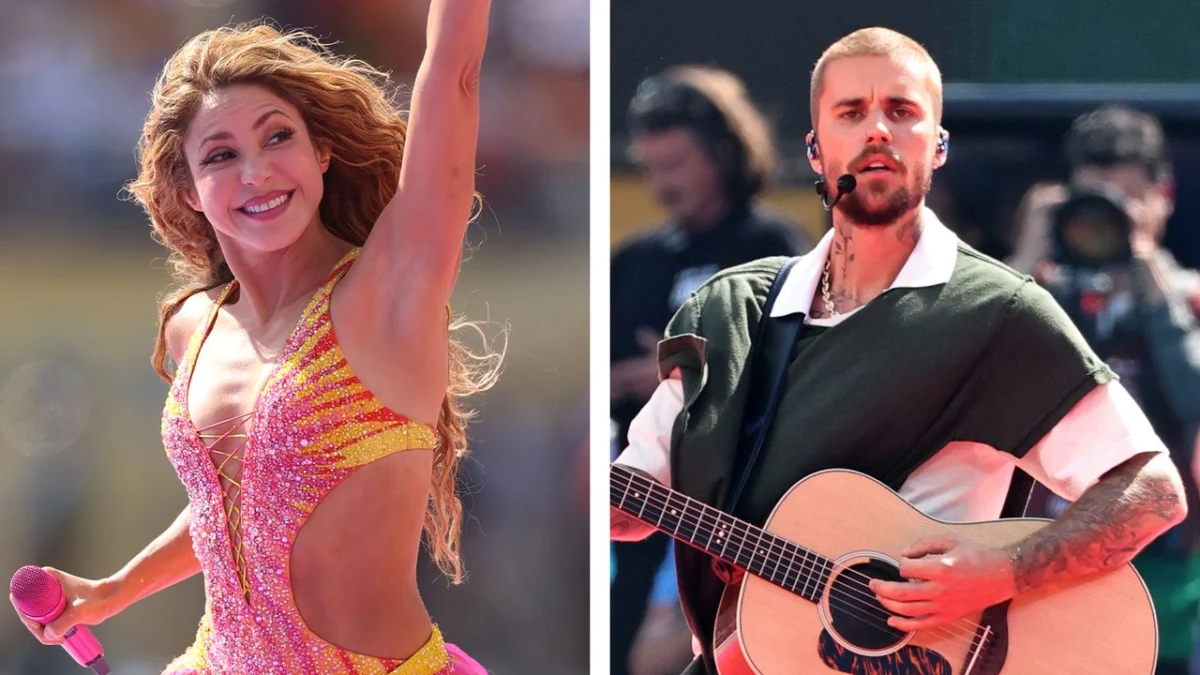
The FIFA World Cup, a quadrennial global phenomenon, has long stood as a beacon of sporting purity, its brand beautifully uncomplicated: the world’s best teams compete for football’s ultimate prize. Yet, a recent decision to introduce a Super Bowl-esque halftime show during the tournament’s final has sparked widespread outrage and raised serious questions about FIFA’s understanding of its own brand equity and the essence of "the beautiful game."
Main Facts: A Grand Spectacle, A Glaring Misstep
The FIFA World Cup, unlike the often-debated intricacies of the offside rule, has always presented a straightforward, universally understood proposition. Every four years, a new host nation, a new logo, and a new ball emerge, but the core appeal remains steadfast: national teams battling for glory on the pitch, culminating in the lifting of a prestigious trophy. This elegant simplicity is precisely what draws billions of eyes, transcending cultural and linguistic barriers.
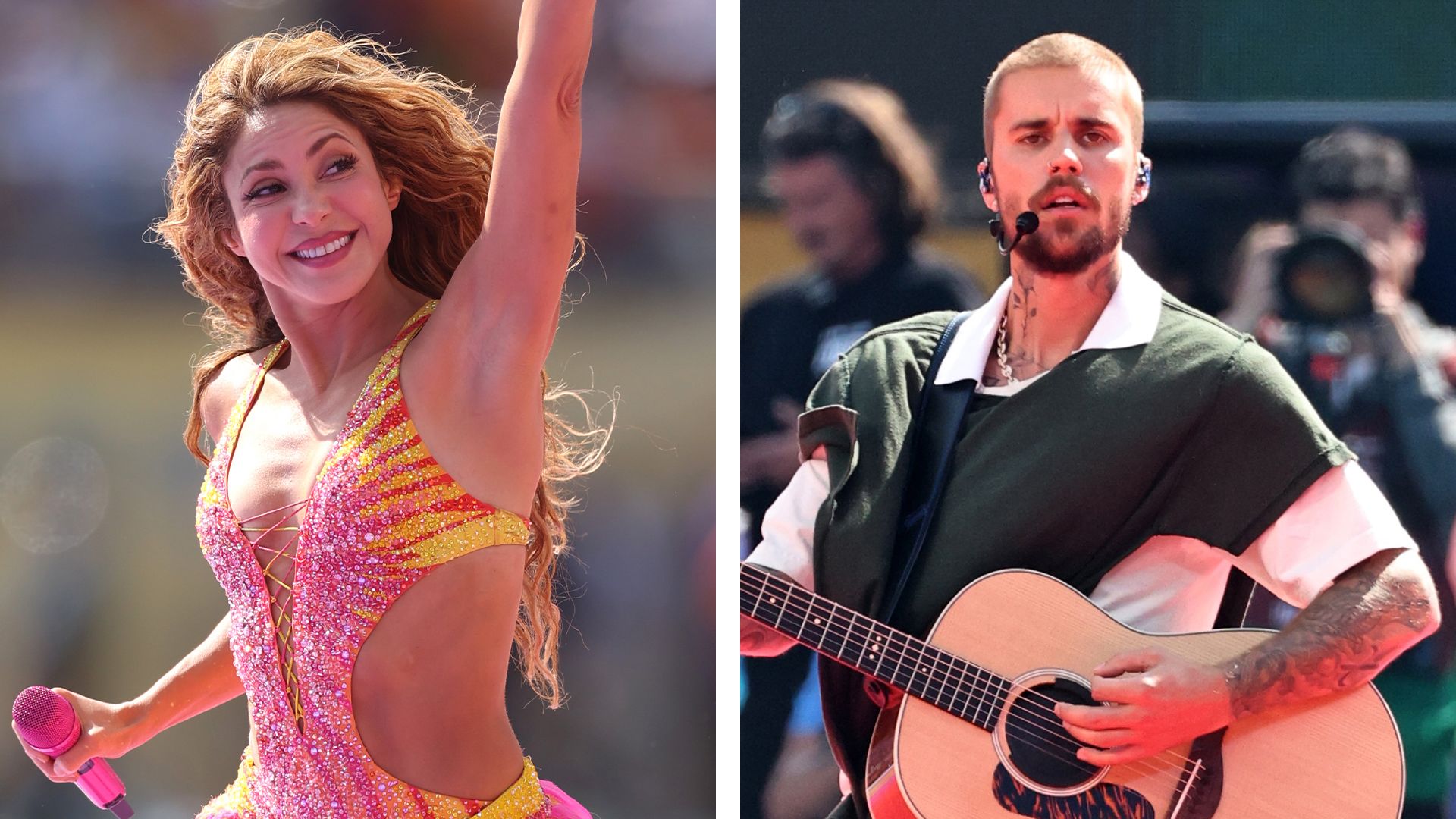
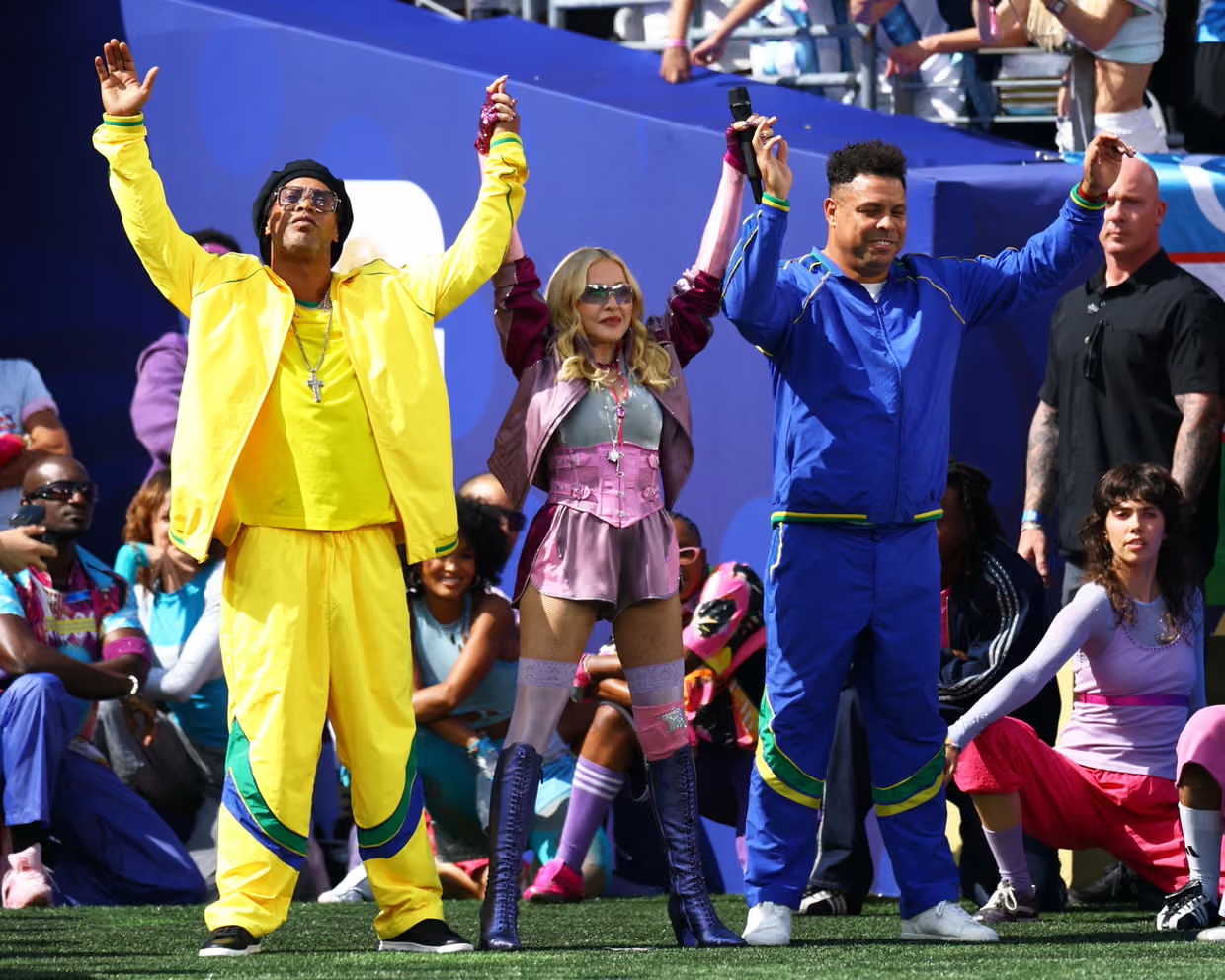
However, in a move that has been widely derided as a profound misjudgment, FIFA decided to inject a dose of American-style razzle-dazzle into the 2026 World Cup Final. What unfolded was an elaborate, 11-minute halftime show, featuring an eclectic mix of global music icons including Madonna, Justin Bieber, and K-pop sensation BTS, alongside the surprisingly incongruous presence of the Muppets. Far from modernising the event, this extravagant display was immediately perceived by many as a brazen attempt to mimic the Super Bowl, resulting in what critics have dubbed a spectacular and expensive "identity crisis" for the world’s premier football tournament.
The decision to pivot towards such a heavily commercialised entertainment model, particularly at the pinnacle of the competition, has sparked a global debate. While no one suggests that music and sport are mutually exclusive, or that a brief interlude of entertainment is inherently negative, the sheer scale and star-studded nature of this particular production felt jarringly out of place. It signaled a departure from the World Cup’s traditional ethos, borrowing a personality that simply did not align with its established brand DNA.
Chronology: From Whispers to a Whirlwind of Disappointment
The seeds of this controversial halftime show were sown months before the final, though the full extent of FIFA’s ambitions remained shrouded in relative secrecy. Initial reports hinted at a "special musical performance" for the final, framed as an effort to "enhance the fan experience" and "reach new audiences." There was an underlying current within FIFA, championed by President Gianni Infantino, that the World Cup needed to evolve, to keep pace with contemporary entertainment trends and broaden its appeal beyond traditional football purists.
Pre-Event Hype and Speculation:
As the final match approached, more details began to leak. The sheer magnitude of the proposed lineup – a constellation of pop music’s biggest names – began to generate a buzz, albeit a mixed one. Social media saw early debates erupt: some fans expressed excitement at the prospect of seeing their favourite artists on such a grand stage, while a vocal contingent voiced skepticism, questioning the necessity of such a spectacle for an event that already commanded unparalleled global attention. Many football traditionalists feared a dilution of the game’s focus, predicting that the show would overshadow the sporting contest itself.
The Final and the Unveiling:
On the day of the final, anticipation was palpable for the match itself. However, as the whistle blew for halftime, the focus abruptly shifted. The stadium, and indeed televisions worldwide, were treated to an 11-minute barrage of lights, sound, and choreographed performances. Madonna’s iconic stage presence, Justin Bieber’s pop anthems, BTS’s high-energy choreography, and the unexpected, almost surreal, appearance of the Muppets, all unfolded with undeniable production value. The segment was slick, costly, and meticulously planned. Yet, for millions of viewers, the disconnect was immediate and profound. The vibrant, almost cacophonous, performance felt alien to the solemnity and tension that typically characterize a World Cup final halftime. Instead of a natural pause, it felt like an intrusive commercial break, albeit one with a multi-million-dollar budget.
Immediate Aftermath and Public Outcry:
The digital world erupted within moments of the show concluding. Social media platforms like X (formerly Twitter) became a torrent of criticism, memes, and expressions of disbelief. Hashtags like #NotTheSuperBowl and #WorldCupIdentityCrisis quickly trended. Fans from diverse geographical regions, united by their love for football, decried the spectacle as a betrayal of the World Cup’s spirit.
One of the most succinct and widely shared reactions came from Robert Smith, frontman of The Cure, who simply posted "#pleasejustf*ckoff" in response to the show, encapsulating the raw frustration of many. Countless others shared images and videos expressing their disdain, with many echoing the sentiment of a popular tweet: "Dear FIFA, We want our beautiful game back. Yours sincerely, EVERYONE." The overwhelming consensus online was that FIFA had missed the mark spectacularly, prioritising celebrity glamour over sporting integrity.
Supporting Data: The Anatomy of a Brand Mismatch
To understand the depth of FIFA’s miscalculation, one must delve into the fundamental differences in brand identity between the FIFA World Cup and the NFL’s Super Bowl. Both are colossal sporting events, but their appeal and established traditions are vastly different.
The Super Bowl: A Quintessential American Spectacle:
The Super Bowl halftime show is an integral, almost sacred, part of American popular culture. It is designed for spectacle and excess, where the commercials are as eagerly anticipated as the game itself, and the musical performance is a standalone cultural event. This works because it is authentic to the Super Bowl’s brand DNA. The event has always embraced overt commercialism, high-octane entertainment, and a celebration of American showmanship. From Janet Jackson’s "wardrobe malfunction" to Katy Perry riding a giant lion, these moments are embedded in the fabric of the Super Bowl experience. It doesn’t pretend not to be a corporate behemoth; in fact, that’s part of its appeal to its target audience.
The World Cup: Global Purity and Sporting Drama:
In stark contrast, the World Cup’s allure lies in its purity and global resonance. Its spectacle is born from the game itself: the roar of the crowd, the tension of a penalty shootout, the individual brilliance of a player, the collective joy or despair of a nation. The ceremony associated with the World Cup—the opening and closing ceremonies, the national anthems, the trophy presentation—is steeped in tradition, cultural celebration, and national pride, not pop concert theatrics.
"The World Cup has always been about the football first and foremost," explains Dr. Anya Sharma, a leading sports marketing analyst. "Its brand equity is built on authenticity, national rivalry, and the universal language of the game. Introducing a heavily commercialised, pop-culture-driven halftime show fundamentally misunderstands what makes the World Cup special. It risks alienating the core fanbase who cherish that authenticity."
Indeed, for billions of fans worldwide, the halftime break in a World Cup final is a moment of intense reflection, tactical analysis, and nervous anticipation. It’s a chance to discuss the first half, to ponder what changes might come, to feel the collective anxiety or hope of their nation. It is a period where the focus remains unequivocally on the beautiful game. The insertion of an elaborate concert not only breaks this tension but actively distracts from the core narrative of the match. The absence of "Shakira and her truthful hips," as one commentator put it, has historically allowed the football to speak for itself.
Cultural Disconnect:
The attempt to transplant an American entertainment model onto a global football stage also highlights a cultural disconnect. While pop music has universal appeal, the integration of a full-blown concert into a football match’s intermission is largely an American phenomenon. European, South American, African, and Asian football cultures, which form the bedrock of the World Cup’s support, traditionally value the integrity of the match above all else. Their halftime experiences are typically characterised by brief summaries, analysis, and the continuation of the stadium’s natural atmosphere.
"It’s like trying to put a Broadway show in the middle of a Shakespeare play," commented cultural critic Elena Petrova. "Both are art forms, but they serve different purposes and engage audiences in fundamentally different ways. The World Cup relies on inherent drama; the Super Bowl thrives on curated spectacle. To conflate the two is to diminish both."
Official Responses: Modernisation or Misguided Commercialism?
In the face of the mounting criticism, FIFA President Gianni Infantino remained steadfast in his defence of the halftime show, reiterating his vision for the tournament. "We believe the halftime show will help modernise the World Cup," Infantino stated in an interview following the final. "We need to ensure the World Cup remains relevant to new generations, to attract broader audiences who might not be traditional football fans. Entertainment is a key part of that."
Infantino’s argument hinges on the idea of broadening appeal and keeping the World Cup "modern." However, many critics argue that this definition of "modernisation" is narrowly focused on commercial metrics and celebrity culture, rather than enhancing the core sporting experience. The underlying implication is that the game of football itself, in its unadorned form, is insufficient to hold the attention of a contemporary global audience. This perspective deeply troubles purists and long-time fans who believe the World Cup’s appeal is precisely its timeless, universal nature.
No further detailed official response addressing the specific backlash was issued by FIFA immediately after the event, which many interpreted as either an unwillingness to acknowledge the criticism or a firm belief that their strategy was correct despite public sentiment. This silence, in itself, contributed to the perception that FIFA was out of touch with its primary stakeholders: the global football community.
While no major national football federations publicly condemned FIFA’s move, a noticeable silence from many usually vocal bodies was interpreted by some as quiet disapproval or a cautious observation of public reaction. Former players, however, were less reserved. Many took to their personal platforms to express dismay, with several legendary figures lamenting what they saw as the commercialisation of the sport they loved.
Implications: The Future of the Beautiful Game
The introduction of the halftime show, coupled with other recent controversies, points to a potentially troubling trajectory for the FIFA World Cup and, by extension, the broader landscape of global sports entertainment.
Long-Term Brand Erosion and Fan Alienation:
The most significant implication is the potential for long-term brand erosion. If FIFA continues down this path, prioritising celebrity spectacle over sporting authenticity, it risks alienating its core fanbase. These are the billions who tune in for the football, not the concert. While a pop concert might temporarily attract a marginal segment of new viewers, it could simultaneously dilute the loyalty of the deeply invested football community. The World Cup’s strength lies in its ability to unite people through sport; transforming it into a generic entertainment product could diminish its unique cultural power.
The "Trump Red Card" Controversy: A Parallel Erosion of Trust:
This identity crisis for the World Cup is exacerbated by other controversies that have plagued FIFA. The 2026 tournament, hosted in the US, was already reeling from severe reputational damage due to FIFA’s decision to overturn a red card at the behest of then-President Donald Trump. This unprecedented intervention, perceived as bowing to political pressure and undermining the integrity of the game’s rules, sent shockwaves through the football world. It presented a clear example of FIFA’s willingness to compromise sporting principles for external, non-football considerations. Seen alongside the halftime show, these incidents paint a picture of an organisation increasingly detached from the core values of the sport it governs, prioritizing external influences and commercial interests over the beautiful game’s integrity.
The Americanization of Global Sports:
The halftime show also signals a potential "Americanization" of global sporting events. The NFL model, with its emphasis on entertainment value surrounding the game, is distinct. If the World Cup, widely considered the most global sporting event, adopts similar strategies, it could set a precedent for other international competitions. This raises questions about cultural homogenisation in sports entertainment and whether unique regional sporting traditions will be subsumed under a singular, commercially driven global model.
Commercialisation vs. Integrity:
Ultimately, FIFA’s move highlights the ongoing tension between commercialisation and sporting integrity. While revenue generation is crucial for any major organisation, the manner in which it’s pursued can have profound consequences. If "modernisation" means turning the World Cup into a celebrity-fest, as FIFA President Infantino suggests, then the future of the beautiful game looks less about football and more about ancillary entertainment. This shift risks trivialising the athletic achievement, the national pride, and the sheer human drama that have historically defined the World Cup.
The overwhelming negative reaction to the 2026 World Cup Final halftime show should serve as a stark warning to FIFA. The World Cup does not need to be "fixed" with borrowed personalities or extraneous spectacle. Its power lies in its inherent simplicity, its global appeal, and its unwavering focus on the beautiful game. To compromise that for fleeting pop culture trends is to jeopardise the very essence of what makes the FIFA World Cup an unparalleled global treasure. The football world waits to see if FIFA will heed the call to bring the beautiful game back to its roots, or if it will continue down a path that threatens to transform a cherished sporting tradition into just another celebrity circus.
 Evan Lee Salim
  Nana
Nana  Ammar Sabilarrohman