
 By Suro Senen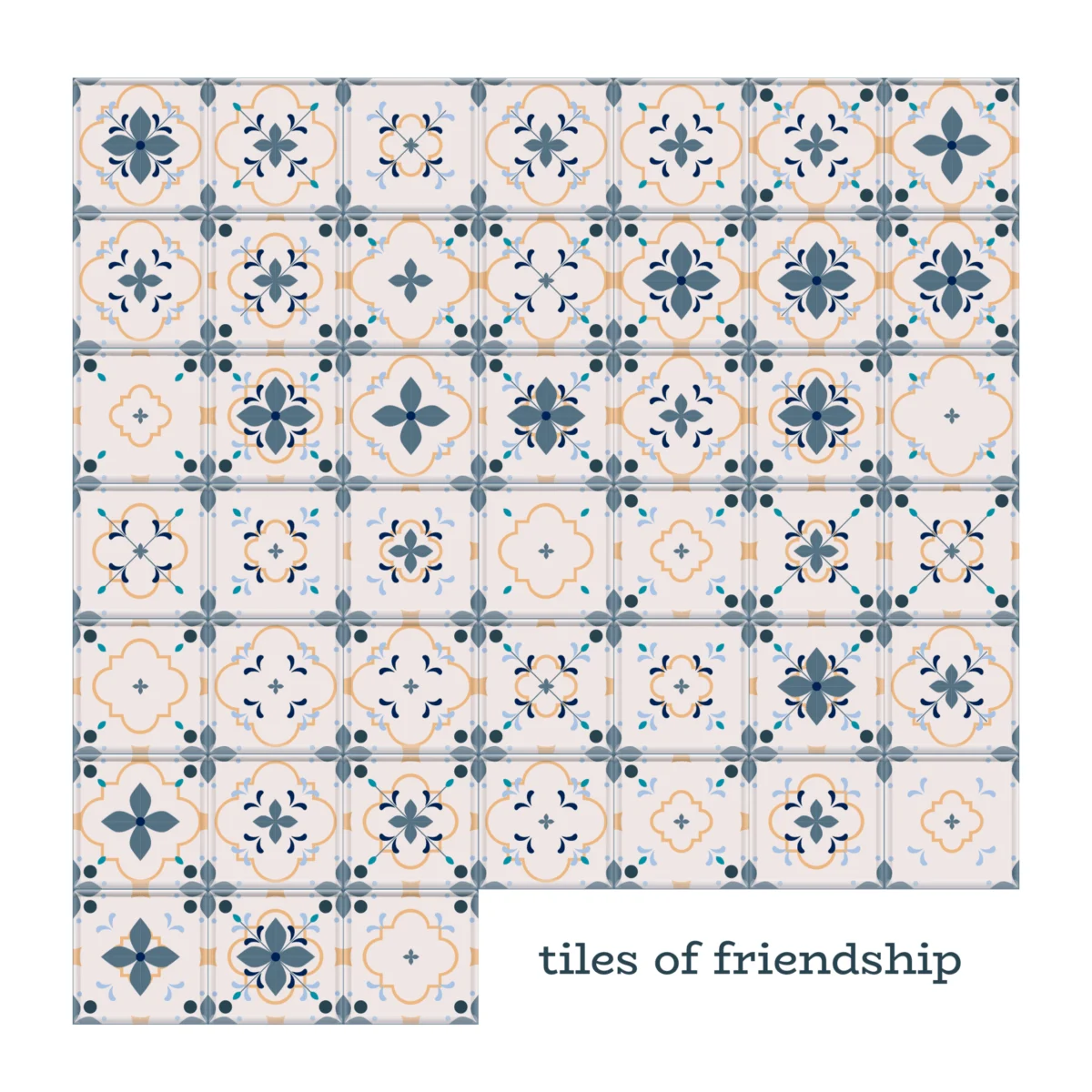
The Oxford English Dictionary defines friendship as a "voluntary, personal relationship characterized by mutual affection, trust, and support." It is a clinical, objective summary of one of the most subjective experiences of the human condition. For Or Misgav, a data visualization designer and researcher, that dictionary definition fails to capture the messy, beautiful reality of connection. To her, friendship is not merely a static state; it is an active, evolving architecture of authenticity, kindness, and shared understanding.
It is found in the fleeting, fragile silence between two people when a life choice divides them. It is the persistent, deliberate effort to maintain a bond with a niece long after the chaotic festivities of family gatherings have faded. It is, quite simply, the size of the smile that spreads across your face when you unexpectedly cross paths with someone you hold dear.
As a practitioner of data design, Misgav has long been obsessed with the challenge of categorizing the intangible. Recently, she embarked on a project that sought to map the people who have shaped her existence. The goal was not to create a cold, analytical balance sheet of her social capital, but to uncover the underlying patterns of her personal history. She acknowledged from the start that any such map would be nothing more than a snapshot—a fleeting glimpse into the ever-shifting landscape of human intimacy.
The Taxonomy of Connection: Defining the Indefinable
The project began as an exercise in memory retrieval. Misgav started by listing every person who occupied a space in her heart, first relying on her own recollection and later verifying the list against her social media connections. However, as the spreadsheet grew, the existential questions began to flood in.
The primary challenge was one of taxonomy. Where does family end and friendship begin? Misgav noted her relationship with her nieces as a prime example. While their bond was initially forged through the circumstance of birth, the depth of their ongoing communication over the years was a choice. If the connection is maintained by intent rather than blood, does it qualify as a friendship?
Furthermore, she grappled with the fluidity of human distance. What of those friends who had become unsupportive of her life choices? Relationships that were vibrant and close merely eight months ago had grown cold. Did removing these individuals from her map constitute an abandonment of the friendship, or simply an acknowledgment of its current state? Even the label "friend" felt precarious. Misgav, who describes herself as naturally familiar with strangers, wondered if a new neighbor—with whom she had shared only a few cups of tea—earned the title.

To navigate this ambiguity, Misgav distilled the concept of friendship into three core metrics, each scored on a scale of one to three:
- Affection: The emotional warmth and love felt toward the individual.
- Trust: The level of security and reliability in the partnership.
- Support: The degree of mutual encouragement and presence in each other’s lives.
To ensure the integrity of the data, she introduced two judgment values: Duration, tracking the length of the relationship, and Contact, measuring the recency of communication. She limited her scope to friends with whom she had interacted in the last 24 months—a period defined by the birth of her daughter. The result was a profound revelation: in a time when she often felt isolated by the rigors of new motherhood, the data proved that she was, in fact, deeply and consistently loved.
From Sketching to Scripting: The Evolution of Design
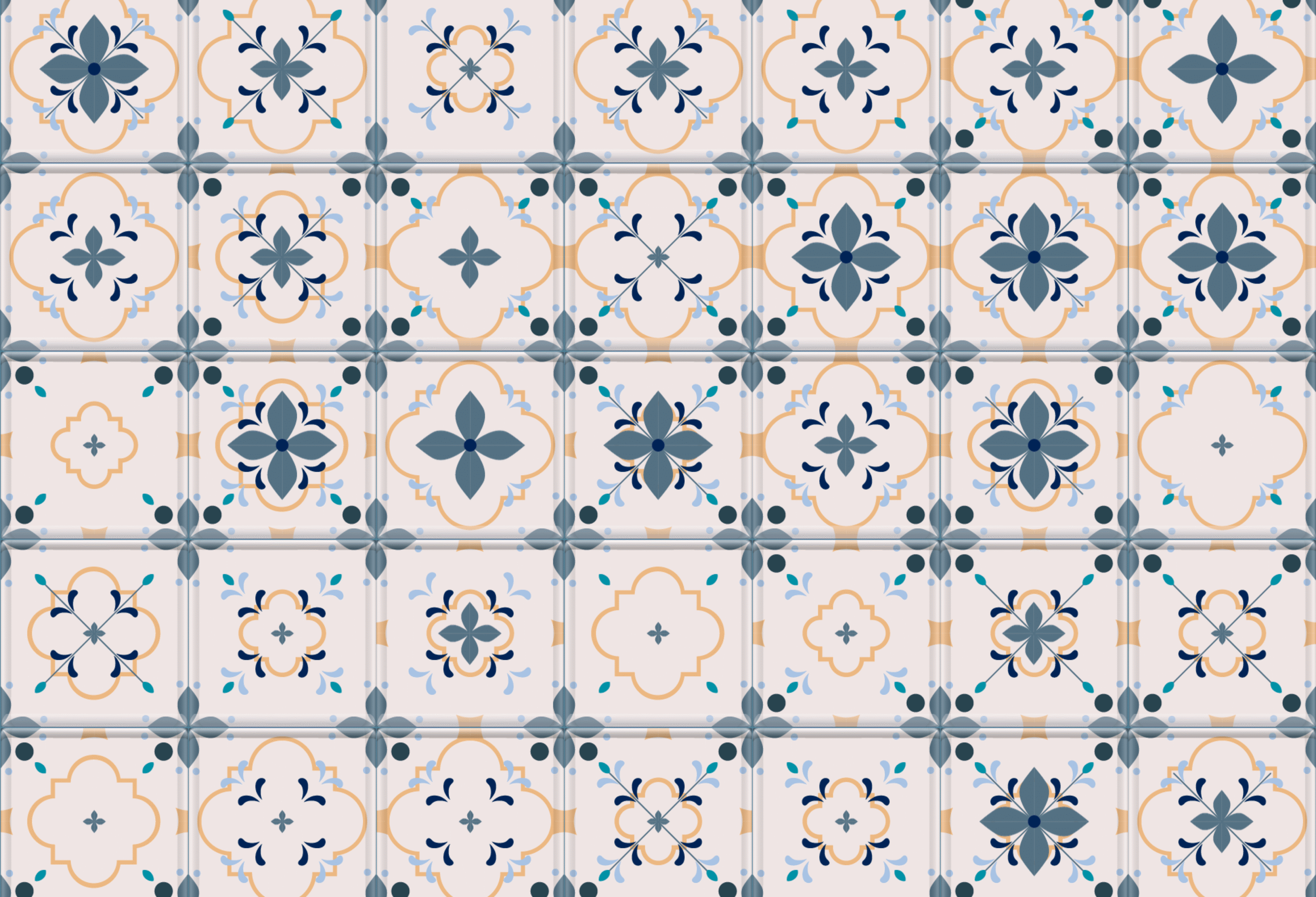
The aesthetic manifestation of this data began in a notebook. Misgav envisioned a series of "tiles"—a modular system that could visually represent the varying levels of connection. Level one provided a simple, foundational structure, while level three introduced complex, layered detail to signify deeper, more intricate bonds.

Initially, she experimented with using background colors to denote the duration of these relationships. However, the resulting palette felt discordant; it shifted the narrative away from "how these friendships built me" and toward a boastful "how good I am at making friends." The design needed to be a reflection of growth, not a tally of acquisition.
The process then took a radical turn. Traditionally, Misgav’s workflow involved hours of manual labor—clicking, dragging, copying, pasting, and meticulously aligning layers in design software like Illustrator and Figma. Inspired by the growing "vision to execution with a click" movement, she pivoted toward artificial intelligence, specifically Claude and Gemini.
Using Gemini to draft a prompt, she sought the assistance of Claude to write a Python script that would process her Excel file and generate the complex, stacked layers as individual PNG files. The process required her to step outside her comfort zone and interact with her computer in a way that felt like a digital time capsule. "Honestly, I felt like I was back in the 90s, typing into a terminal to launch a game," she recalls.

The results were instantaneous. With a single click, the assets were generated. A brief series of iterations and refinements with Claude ensured the grid was perfectly aligned. The heavy lifting, which once would have consumed an entire afternoon, was completed in minutes.
The Cost of Efficiency: The Paradox of Automation
Yet, the completion of the project brought an unexpected sense of alienation. Upon reviewing the final folder, Misgav found she did not recognize the data. By automating the execution, she had inadvertently bypassed the "data familiarization" stage—the meditative, hour-long process where a designer handles each data point with care, reflecting on the person behind the number.
The tiles were visually striking, but they felt emotionally distant. This realization raises a fundamental, urgent question for the field of data visualization: If the AI builds the layers, are we truly co-creators, or are we merely the curators of our own memories? When we strip away the labor, do we also strip away the meaning?

This "cost of efficiency" highlights a growing tension in creative industries. While technology offers unprecedented speed, the tactile, slow process of creation is often where the human connection to the work is forged. For Misgav, the act of manually plotting a data point is a moment of tribute; by offloading that to a machine, she felt she had lost a vital link to the subjects of her study.
Implications: A Token of Gratitude
Despite the digital distance created by the automation, the final grid serves as an enduring testament to her life. These tiles are not just shapes; they are the people who stayed through the awkwardness of puberty, the confidants who signed her wedding book, and the new friends found in the mundane rituals of preschool drop-offs.
This project transcends the boundaries of traditional data visualization. It functions as a token of gratitude, a snapshot of her soul as it existed in 2026. It is a synthesis of human experience, machine-learning execution, and the enduring power of the voluntary relationships that make life worth mapping.

For designers and researchers, Misgav’s experiment serves as a cautionary tale and a guide. It suggests that while AI can handle the "how" of creation, the "why"—the emotional weight and the narrative intent—remains a strictly human domain. As we move toward a future where the line between creator and curator becomes increasingly blurred, we must ask ourselves which parts of our work are meant to be automated, and which parts require the deliberate, slow, and messy touch of the human hand to remain meaningful.
Ultimately, Misgav’s work reminds us that while we can map our friendships, we can never fully quantify them. The true value lies not in the final, automated grid, but in the memories that were unearthed during the journey of its creation.
 Lina Irawan
  Nana
Nana  Nila Kartika Wati