
 By Pevita Pearce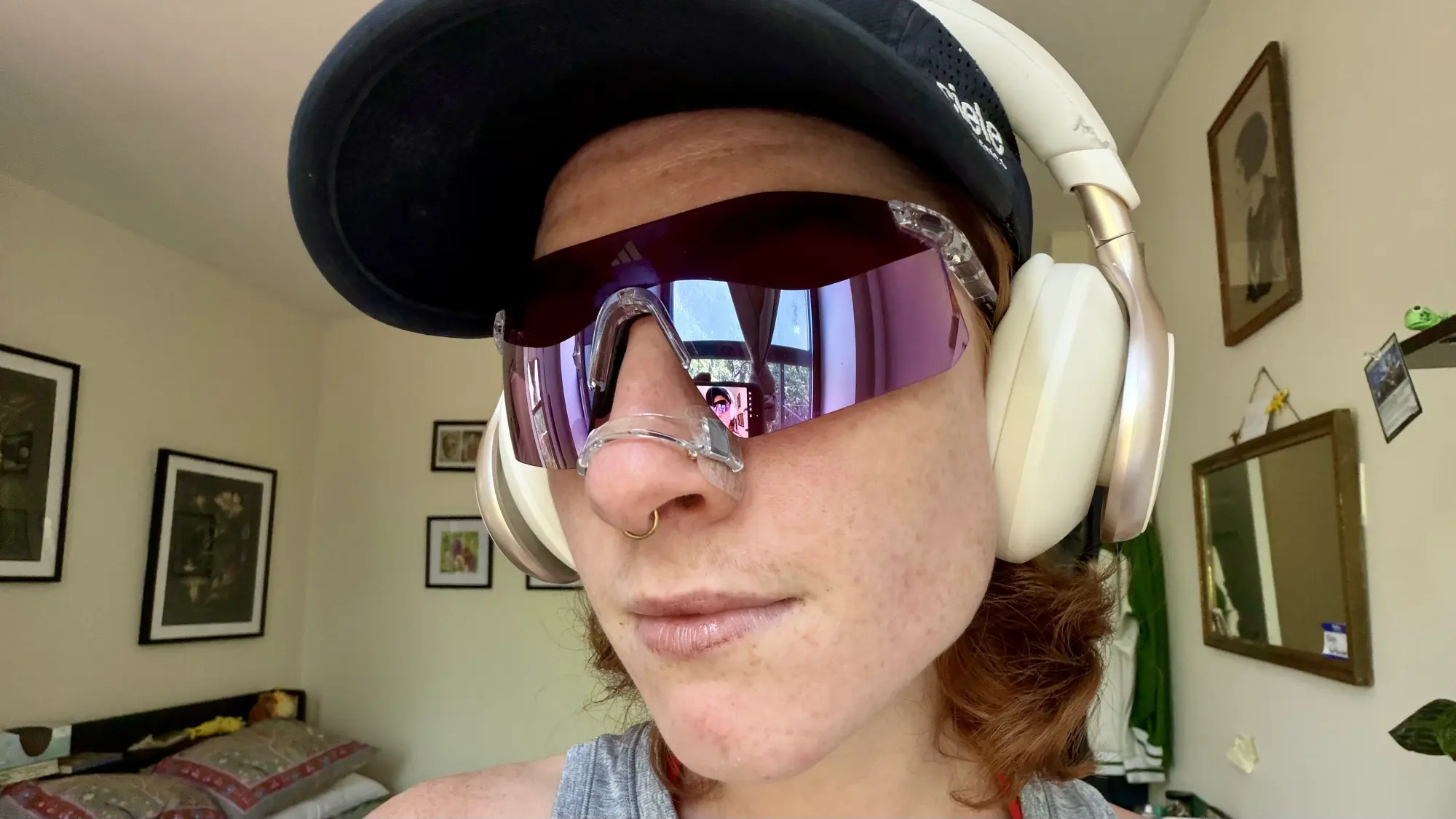
By Meredith Dietz, Senior Staff Writer
July 20, 2026
In the pursuit of peak human performance—and perhaps just a decent night’s sleep—the modern wellness landscape has turned toward the most fundamental biological process we possess: breathing. Among the latest tools gaining traction in high-performance circles, from endurance runners to casual gym-goers, are mechanical nasal breathing strips. Specifically, devices like the Intake breathing system have moved beyond niche medical use cases into the mainstream of the “biohacking” movement.
But as these devices become a staple in the routines of athletes and sleep-deprived professionals alike, a critical question remains: are we witnessing a genuine physiological breakthrough, or is the wellness industry successfully monetizing a sophisticated placebo effect?
The Rise of Nasal Optimization
The current obsession with nasal breathing is not entirely unfounded. Nasal breathing is physiologically superior to mouth breathing, as the nose acts as a natural filter, humidifier, and regulator of air intake. It also promotes the release of nitric oxide, a molecule that helps widen blood vessels and improve oxygen circulation throughout the body.
For years, athletes have experimented with various ways to keep their nasal passages clear, particularly during high-intensity efforts where oxygen demand skyrockets. The recent surge in “runfluencers” and hybrid athletes—who often document their training sessions on social media—has brought nasal strips back into the cultural spotlight. What was once relegated to the pharmacy aisle as a snoring remedy is now frequently spotted on the faces of marathoners, Hyrox competitors, and weightlifters.
The Mechanics of the Intake System
Unlike traditional adhesive strips—which rely on the tension of a flexible plastic spring to pull the nostrils outward—the Intake system utilizes a two-part design. Users apply medical-grade adhesive tabs to the exterior of each nostril, followed by a magnetic bridge that snaps into place. This mechanism creates a consistent, gentle outward tension on the nasal valve, which is the narrowest part of the airway.

For many users, the primary appeal is the tactile “click” of the magnetic bridge, which provides an immediate sensation of openness. The system is also reusable, distinguishing it from the single-use adhesive strips that have dominated the market for decades.
Chronology of a Wellness Trend
The trajectory of nasal strips follows a familiar pattern in the health and fitness industry:
- The Early 2000s: Nasal strips were primarily marketed toward the middle-aged demographic as a tool to mitigate snoring and improve sleep quality for those suffering from mild congestion.
- The 2020–2024 Shift: With the rise of the “breathwork” movement, popularized by authors and wellness influencers, there was a pivot toward nasal-only breathing as a foundational pillar of health.
- 2025–2026: The integration of wearable technology (smartwatches, rings) allowed individuals to track their own sleep scores and recovery metrics, providing a feedback loop that encouraged the use of nasal strips as a "performance upgrade."
- Present Day: Nasal strips have achieved “lifestyle product” status, finding their way into the gym bags of elite and amateur athletes alike, largely driven by anecdotal reports of improved endurance and subjective recovery.
Supporting Data and the Science of Perception
When we move from anecdotal marketing to rigorous clinical review, the picture becomes more nuanced.
The Performance Dilemma
A comprehensive review of 19 peer-reviewed studies regarding nasal strips and sports performance suggests that, in a laboratory setting, the physical advantages are difficult to quantify. Metrics such as VO2 max, heart rate variability, and perceived exertion (RPE) rarely show statistically significant deviations between athletes using nasal strips and those using a control.
The reason for this is mechanical: the body has a robust system for oxygen intake. If the nasal passages are insufficient during extreme exertion, the body naturally defaults to mouth breathing. The strips may increase the threshold at which this transition occurs, but they do not necessarily change the fundamental metabolic limit of the athlete.
The Sleep Question
Similarly, research into sleep quality has struggled to prove that external nasal strips significantly improve objective sleep metrics. In studies comparing genuine nasal strips to placebo strips (which lack the structural tension), researchers found that subjective feelings of “better rest” were often identical between both groups.

However, the placebo effect is not synonymous with “meaningless.” If a user feels that they are breathing more efficiently, their anxiety levels may decrease, and their parasympathetic nervous system may be more easily engaged. This can lead to a state of relaxation that facilitates faster sleep onset—even if the physical airway expansion is minimal.
Official Responses and Clinical Perspectives
Medical professionals typically categorize nasal strips as low-risk interventions. For individuals with structural issues like a deviated septum or chronic turbinate hypertrophy, these devices can offer genuine, albeit temporary, relief.
However, sleep experts caution against using these strips as a "cure-all" for more serious conditions. "If someone is snoring heavily or waking up frequently, the underlying cause could be Obstructive Sleep Apnea (OSA)," notes one respiratory specialist. "A nasal strip will not resolve an airway collapse further down the throat. Relying on a strip might delay a patient from seeking a sleep study or a CPAP prescription, which is a significant clinical risk."
For the average healthy user, the consensus is that if it helps you feel better and doesn’t cause skin irritation, there is little downside. The risk, therefore, is not the product itself, but the potential to overlook underlying health issues by masking them with a superficial fix.
The Implications for the Modern Consumer
The adoption of tools like Intake breathing strips represents a broader shift in how we approach personal health: we are moving toward a culture of "optimization."
The Psychology of the "Upgrade"
Why do we persist in using these tools if the science is inconclusive? The answer lies in the psychological benefit of a routine. When an athlete applies a nasal strip before a run, it acts as a ritualistic cue that the training session has begun. It serves as a sensory reminder to focus on breath control, which is a valid performance strategy in its own right.

The Cost-Benefit Analysis
For the consumer, the decision to use nasal strips should be treated as an experiment rather than a medical necessity.
- Check for underlying conditions: If your sleep issues are severe, consult a doctor.
- Monitor objectively: Use your own data—not just your feelings—to see if your recovery metrics (like resting heart rate or sleep efficiency) actually shift over a 30-day period.
- Prioritize skin health: Continuous use of adhesives can cause dermatitis. Rotate placement and ensure your skin is clean and dry.
Conclusion: Is It Worth the Investment?
My own experience with the Intake strips was, admittedly, positive. While I cannot claim that my VO2 max increased by a single percentage point, I felt a subjectively higher level of comfort during my evening runs and a quieter, more restful night of sleep.
Perhaps we are looking for science in the wrong place. If a $30 device helps a person feel more confident in their breathing, encourages them to engage in regular physical activity, and makes their sleep ritual more intentional, it has fulfilled a valuable role.
In the world of health, not every intervention needs to be a miracle of clinical engineering. Sometimes, the most effective tool is simply one that changes your perception of your own capacity. If nasal strips provide the mental and physical framework to push a little harder or rest a little deeper, then they are, at the very least, a successful experiment in personal optimization.
As the trend continues to evolve, the challenge for consumers will be to separate the physiological reality from the marketing hype. Use the data, respect the science, but don’t be afraid to trust your own experience—just make sure you aren’t ignoring a deeper health concern in the process.
Disclaimer: This article is based on the author’s personal experience and general medical literature. It does not constitute medical advice. Please consult with a healthcare professional regarding sleep quality or chronic respiratory concerns.
 Layla Zulfa
  Asro
Asro  Reynand Wu