
 By Sagoh
In the rapidly evolving landscape of the digital economy, the divide between selling physical goods and marketing digital products has never been wider. While an e-commerce brand relies on the tangible appeal of a product to drive conversion, a digital course creator or software developer is tasked with selling a promise. Because there is no physical packaging to admire or tactile quality to evaluate, the entire burden of proof rests on the shoulders of your email marketing strategy.
For the modern digital entrepreneur, email is not merely a communication channel; it is the entire funnel. Without the luxury of retail store shelves or browse-and-abandon retargeting pixels that dominate the physical goods sector, creators must master the art of building long-term digital relationships. Success in this domain is predicated on a foundational shift in philosophy: prioritizing trust over the pitch, education over the offer, and deep, lasting relationships over immediate revenue.
The Paradigm Shift: Why Digital Products Require a Different Playbook
To understand why email marketing for digital products is a specialized discipline, one must first look at the consumer’s psychological journey. In a traditional e-commerce setting, email serves as a retention tool—a way to nudge a customer back to a site they already know. For the digital creator, however, email is the primary engine of acquisition and conversion.
When a potential student discovers a course creator via a podcast appearance, a viral social media post, or a peer referral, they are rarely ready to commit to a purchase. They are curious, perhaps intrigued, but they are still in the “discovery” phase. They opt into a free training or download a lead magnet, effectively entering your ecosystem. From that moment forward, the quality of your email communication becomes the sole determinant of their lifetime value to your brand. There is no fallback for an ineffective email strategy; there is no physical store to visit. Every email sent is a test of your credibility.
Chronology of a Digital Funnel: From Curiosity to Conversion
The lifecycle of a digital customer is a multi-stage journey that requires a deliberate, structured approach to communication.
1. The Lead Magnet: The Value Exchange
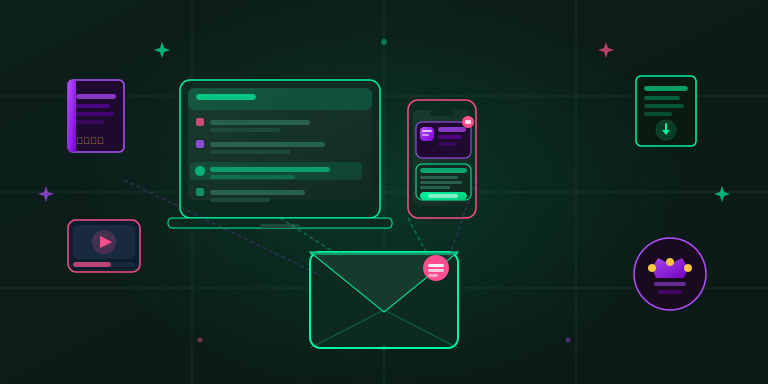
Many creators fall into the trap of viewing a lead magnet—such as a checklist or a mini-course—as the end of the transaction. In reality, it is merely the opening handshake. The lead magnet earns the opt-in, but the welcome sequence that follows earns the attention. The objective is to transition the subscriber from a passive consumer of free content to an engaged member of your community.
2. The Nurture Sequence: Building the Belief
Once the subscriber is on your list, the nurture sequence begins. This is not about flooding an inbox; it is about the progressive construction of belief. A high-converting sequence follows a logical arc:
- Identify the Pain: Acknowledge the specific, current problem your subscriber is facing.
- Present the Possibility: Paint a vivid picture of what their life or business looks like once that problem is solved.
- Provide Proof: Share case studies, student success stories, and personal anecdotes that demonstrate your methodology works.
- The Logical Next Step: Introduce your product not as a pitch, but as the inevitable solution to the progress they are seeking.
3. The Launch: Converting Through Urgency
When the “cart” opens for a flagship course or product, the tone must shift. While nurture emails are measured and educational, launch emails require a heightened level of intensity. This is the period of real-world urgency. Use this window to address objections head-on—tackle the “I’m too busy” or “I’m not qualified” hurdles by showing real results from people who were once in the reader’s exact position.
Data-Driven Insights: Why Post-Purchase Engagement Matters
A common failure in the digital product space is the “ghosting” that occurs immediately after a purchase. Many creators fall silent once the payment is processed, assuming the transaction is complete. However, the most successful businesses view the purchase as the beginning of the relationship.
Progress-based emails—check-ins sent a week after purchase, milestone celebrations, and troubleshooting support—are critical for reducing churn and increasing completion rates. Data consistently shows that students who complete a course are significantly more likely to become brand advocates, write testimonials, and purchase future products. In an industry where trust is the primary currency, a strong post-purchase experience is the most effective marketing asset a creator can possess.
Implications for the Digital Entrepreneur
The shift toward email-centric business models offers significant advantages in terms of stability. Unlike platforms that rely on fickle algorithms or volatile ad costs, an email list is an asset you own. It is a direct line of communication that remains effective regardless of changes in social media policies or search engine rankings.
However, the implication for creators is clear: you must raise the bar for the quality of your content. Subscribers are inundated with noise; they only reward the creators who consistently provide value. The goal is to reach a point where your audience doesn’t just open your emails because they feel obligated to—they open them because they have learned to expect something of genuine worth.
Professional Solutions: Leveraging Automation
Managing these complex sequences manually is unsustainable for a growing business. This is where modern automation platforms, such as Omnisend, become vital. The ability to handle nurture sequences, launch flows, and post-purchase follow-ups without manual intervention allows the creator to focus on what they do best: developing high-quality products.
Furthermore, advanced segmentation allows for a more personalized experience. By ensuring that the right message reaches the right subscriber at the right stage of their journey, creators can maximize conversion rates while maintaining a professional and helpful brand voice. The cost of switching platforms is often lower than entrepreneurs realize, with professional migration teams often handling the transition of lists, flows, and templates in as little as five days.
Final Thoughts: The Path to Sustainability
The most successful digital product businesses are those that have mastered the art of the “long game.” They understand that their email list is a community, not a spreadsheet of leads. By treating subscribers with respect, providing consistent educational value, and maintaining a clear, honest, and urgent communication style during launches, creators can build a model that is both resilient and highly profitable.
The future of digital entrepreneurship is not in chasing the latest trend or algorithm update; it is in the simple, yet profound, act of showing up in the inbox with a message that matters. For those who can execute this, the rewards are not just measured in sales, but in the creation of a durable, trusted brand that can withstand the test of time. As the digital marketplace continues to mature, the winners will be those who recognize that while the tools change, the fundamentals of human connection remain the same.
 Dwi Wanna
  rifanmuazin
  Asep Darmawan