
 By Asro
In the crowded landscape of digital commerce, the distinction between a "storefront" and a "checkout tool" is the most critical decision a business owner can make. Shopify and ThriveCart are two of the most popular platforms in the industry, yet they serve fundamentally different functions. Choosing the wrong one can lead to significant technical debt, unnecessary overhead, or an inability to scale.
Before committing capital, it is essential to understand that you are not comparing "like for like." Shopify is a comprehensive, hosted ecommerce operating system, while ThriveCart is a sophisticated, bolt-on funnel and checkout solution.
The Core Distinction: A Matter of Architecture
To understand these platforms, one must look at their intended purpose.
Shopify is an all-in-one platform. It provides the hosting, the website builder, the product catalog, inventory management, and the checkout process. It is designed to be the central hub of your business. If you want to sell products that customers browse—like apparel, electronics, or home goods—Shopify provides the infrastructure to build a complete, branded retail experience.
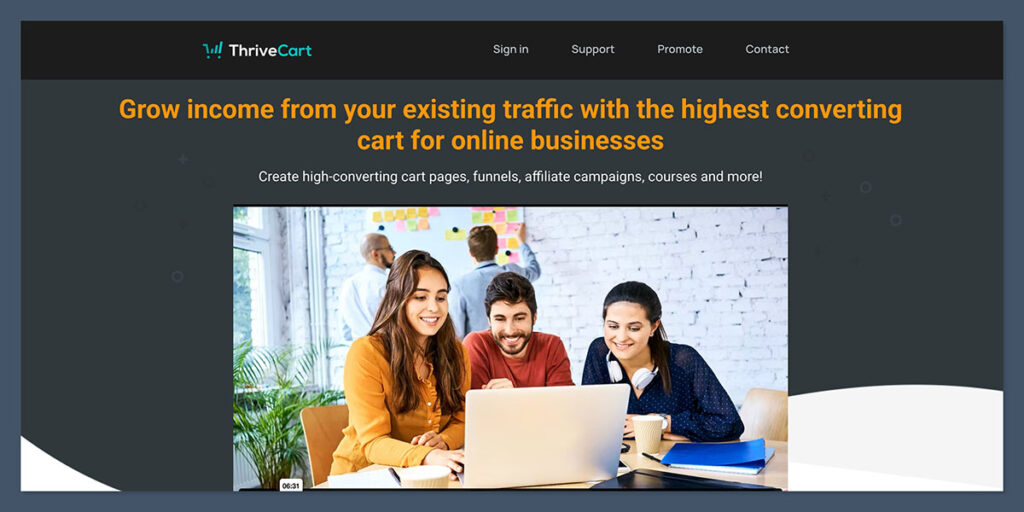
ThriveCart, by contrast, is a specialized checkout engine. It does not provide a website builder or a product catalog. Instead, it functions as a high-conversion gateway that you point traffic toward. It is designed to be integrated into an existing website or used as a standalone funnel tool for selling digital assets, courses, or single-product offers.
Chronology of Development and Market Positioning
The evolution of these two tools tells a story of divergent business strategies.
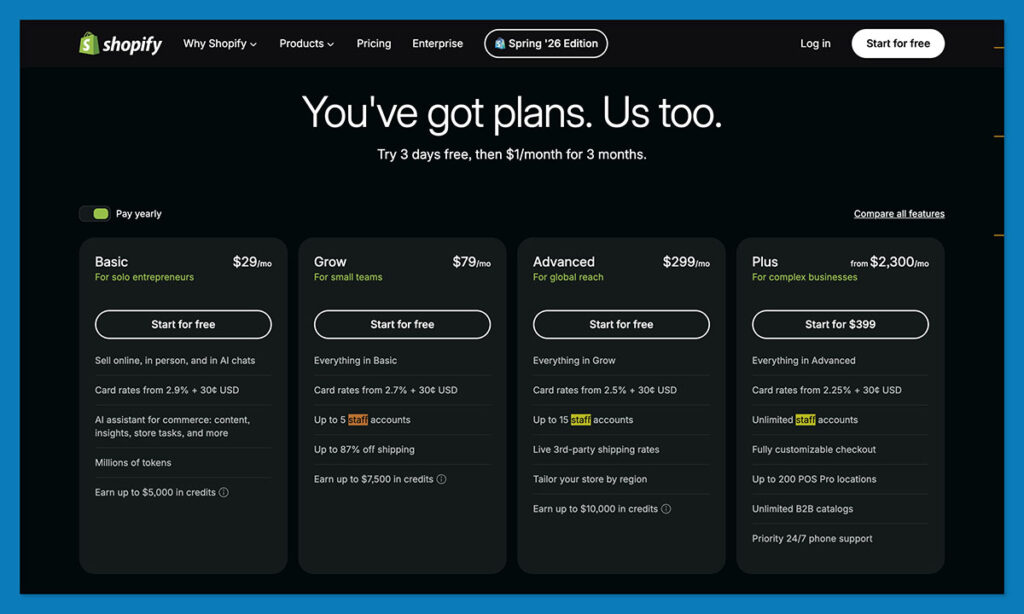
- The Shopify Era (2006–Present): Shopify launched as a solution for snowboarders who found existing software too cumbersome. Over nearly two decades, it evolved into a monolithic platform that dominates the ecommerce market. Its growth has been fueled by a massive App Store, which allows merchants to add functionality—from loyalty programs to complex shipping logistics—without leaving the Shopify ecosystem.
- The ThriveCart Evolution (2016–Present): ThriveCart entered the market with a "disruptor" mindset. Its primary value proposition was the "lifetime deal"—a one-time payment model that promised to eliminate the monthly subscription fatigue plaguing digital marketers. Over the years, it has matured from a simple checkout page into a robust funnel-building tool that includes an integrated course platform (ThriveCart Learn) and an affiliate management center.
Supporting Data: The Financial Comparison
The "cheaper" platform is often a matter of perception rather than reality. While ThriveCart’s one-time fee is attractive, the total cost of ownership (TCO) changes based on your specific business requirements.
The Math of Ownership
- Shopify Basic: Priced at $39/month ($29/month billed annually). Over three years, the total cost is approximately $1,044. This includes hosting, security, and a full website.
- ThriveCart Standard: A one-time payment of $495. If your business needs remain simple, this is significantly cheaper than Shopify.
- The Pro+ Variable: If you require an affiliate program or advanced automation, you must upgrade to the Pro+ plan, which costs $295/year. Over three years, the TCO for ThriveCart (Standard $495 + two years of Pro+ at $590) reaches $1,085.
The Implication: Once you require advanced features like affiliate management, the "one-time payment" advantage evaporates, and the platforms become roughly price-equivalent.
Feature Deep Dive: Where Each Platform Excels
1. The Power of the Ecosystem (Shopify)
Shopify’s strength lies in its "operating system" approach. It handles:
- Multichannel Selling: Native integration with Amazon, TikTok, Instagram, and Google.
- Inventory Management: Robust multi-location tracking and fulfillment integration.
- SEO & Content: A native blog and clean URL structures allow for long-term organic growth.
- Scalability: From a solo entrepreneur to an enterprise brand, Shopify has a tier (Shopify Plus) to support massive growth.
2. The Conversion Specialist (ThriveCart)
ThriveCart is purpose-built for marketers focused on "one-product" funnels. It excels in:
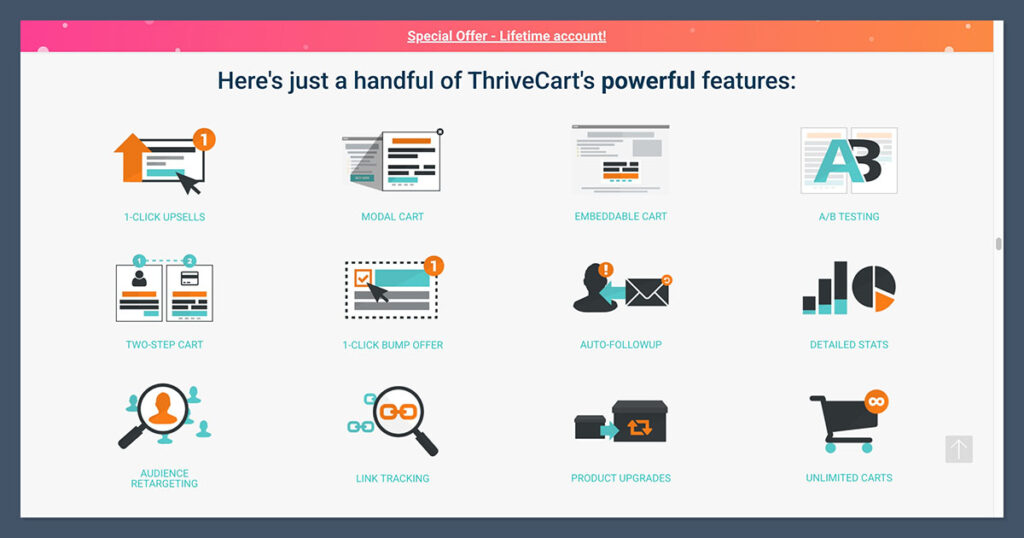
- Upsells and Bumps: One-click post-purchase upsells are built-in, whereas they require expensive monthly app subscriptions on Shopify.
- Split Testing: You can natively A/B test your checkout pages to maximize conversion rates.
- Affiliate Management: The built-in affiliate center allows you to recruit, track, and pay partners automatically—a feature that costs a premium on Shopify.
- Course Hosting: Through ThriveCart Learn, you can host and deliver digital courses without paying for a separate LMS like Teachable or Kajabi.
Official Stance and Market Realities
Both vendors have moved toward distinct market segments. Shopify consistently positions itself as the "commerce engine" for retailers who want to build a brand. ThriveCart positions itself as the "profit engine" for creators and coaches who want to maximize the revenue generated from every visitor.
A key point of caution regarding ThriveCart is its ownership history. The platform has changed hands, leading to periods of development instability in the past. While current management has stabilized the product, businesses relying on "lifetime" software must always consider the risk of future support or development changes. Shopify, as a publicly traded company, offers a level of institutional stability that few software providers can match.

Strategic Implications: How to Decide
When to choose Shopify:
- You are building a retail brand with multiple products.
- You require a professional storefront that customers can browse.
- You need robust inventory, shipping, and tax calculation tools.
- You want to integrate with third-party marketplaces like Etsy or Amazon.
- You prefer 24/7, enterprise-grade support.
When to choose ThriveCart:
- You sell digital products, courses, or coaching services.
- Your business model relies on "sales funnels" rather than a browsable catalog.
- You want to leverage affiliates to drive sales.
- You are technically comfortable managing a "stack" of tools (e.g., your website, your email provider, and your payment processor).
- You want to maximize Average Order Value (AOV) via aggressive upsells and bumps without paying monthly app fees.
The "Hybrid" Approach
It is worth noting that these tools are not mutually exclusive. Many high-growth digital businesses use both:
- Shopify serves as the primary storefront and brand identity.
- ThriveCart is used as a specific "checkout destination" for high-ticket coaching offers or specialized digital products where the funnel needs to be more aggressive than what the Shopify checkout allows.
While this adds complexity to your data reconciliation, it allows you to leverage the brand-building power of Shopify with the high-conversion, funnel-optimization capabilities of ThriveCart.
Conclusion: The Verdict
For the majority of online merchants, Shopify is the superior choice. The breadth of its features, the strength of its app ecosystem, and its ability to act as a complete, stable home for a business make it the industry standard for a reason.
However, if you are a digital creator, coach, or course creator whose business is built on a high-conversion sales funnel rather than a product catalog, ThriveCart is the sharper tool. It does one job—converting traffic into revenue—better than Shopify, and it does so with a pricing structure that rewards those who have a clear, focused business model.
Final Advice: If you are unsure, start with the Shopify trial. It is the lowest-risk way to test your business model. If you find yourself hitting a wall where your funnels are constrained and your app subscriptions are ballooning, that is the exact moment to pivot to a specialized tool like ThriveCart.
 Dwi Wanna
  Lina Irawan
  Basiran