
 By Ammar Sabilarrohman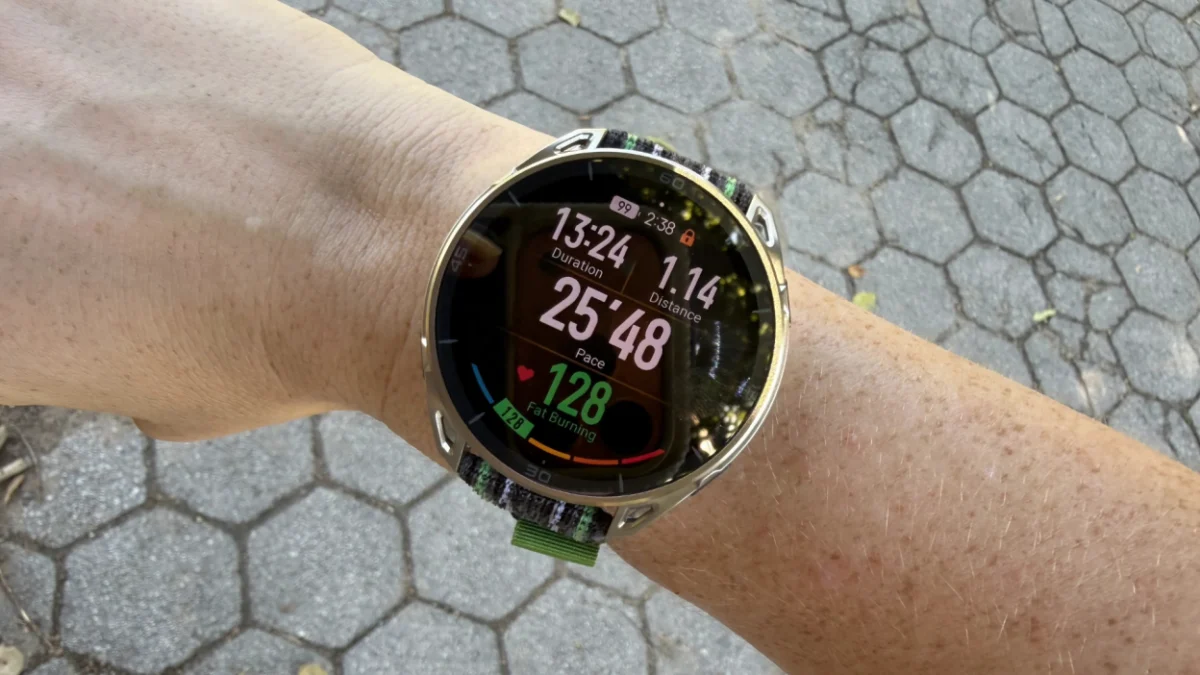
By Meredith Dietz, Senior Staff Writer
July 23, 2026
In the rapidly evolving landscape of wearable fitness technology, a new challenger has emerged, consistently appearing on wrists at local 5Ks and gym floors alike. Amazfit, a brand under the umbrella of Zepp Health (formerly Huami), has spent the last few years aggressively positioning itself as the "budget-friendly" alternative to industry titans like Garmin, Coros, and Apple.
With sleek designs, high-end AMOLED displays, and price tags that often undercut the market leaders by hundreds of dollars, it is easy to see the appeal. However, as the brand pushes deeper into the professional performance space—specifically with its Cheetah line of running watches—the question arises: Is this a legitimate tool for serious athletes, or merely a superficial imitation of high-performance gear?
The Rise of a Budget Challenger
For years, the high-performance GPS watch market has been effectively bifurcated. On one side, you have the giants—Garmin and Coros—who have built their reputations on years of iterative data, deep analytical ecosystems, and an intimate understanding of the physiological demands of endurance sports. On the other side, you have "smartwatches" that focus on general health, notification management, and aesthetic appeal.
Amazfit has long occupied the middle ground, offering a bridge between these two worlds. By leveraging the manufacturing prowess of Zepp Health, they have managed to include dual-band GPS, advanced health sensors, and multi-week battery life in devices that cost a fraction of a flagship Garmin Forerunner.
However, "feature-for-feature" comparisons can be deceptive. While an Amazfit watch might boast the same sensor specifications on paper as a premium competitor, the implementation of that data—the software, the UI, and the coaching philosophy—is where the chasm between a hobbyist tracker and a professional tool truly exists.

Chronology: From General Wellness to Performance Tracking
The evolution of Amazfit’s product roadmap reveals a deliberate strategy of expansion.
- 2020–2022: The early focus was almost entirely on general wellness and aesthetics. The goal was to provide "premium" hardware (AMOLED screens, aluminum bodies) to consumers who wanted a better-looking alternative to the standard plastic fitness tracker.
- 2023: The launch of the Amazfit Balance series signaled a pivot toward more "holistic" health, incorporating advanced recovery metrics and body composition tracking.
- 2024–2025: The introduction of the Cheetah series marked the brand’s formal entry into the competitive running space. These watches were explicitly marketed to marathoners, featuring "AI-powered" training plans and specialized running metrics.
- July 2026: With the release of the Cheetah 2 Ultra, Amazfit is testing its highest price point yet ($599.99). This represents a critical juncture: Can the brand convince serious runners to invest $600 into an Amazfit ecosystem rather than a proven Garmin or Suunto device?
Supporting Data: The "Performance Gap"
During my extensive testing of the Cheetah 2 Pro and the current evaluation of the Cheetah 2 Ultra, a recurring theme has emerged: hardware parity is not the same as software competence.
The User Interface (UI) Bottleneck
Serious training requires rapid access to critical data. When you are deep into a tempo run, you need to glance at your watch and see your current pace, heart rate zone, and lap time immediately.
Amazfit’s interface is undeniably beautiful, but it is cluttered with non-performance-oriented aesthetics. The heart rate zone labels are a primary example. In my testing, I found that the software continues to use legacy terminology like "fat burning" zones. To a casual walker, this is helpful context. To a marathoner training for a sub-3:00 finish, this language is not only irrelevant—it’s annoying. It suggests that the software was designed by engineers who understand how to build a watch, but perhaps not by coaches who understand how to build a runner.
The Ecosystem Comparison
When you buy a Garmin, you aren’t just buying a watch; you are buying into a decade of infrastructure. Garmin Connect provides deep, longitudinal analysis of your training load, recovery, and VO2 max trends.
Amazfit’s companion app is functional and user-friendly for the general public, but it lacks the granular detail that elite athletes rely on. While the Cheetah line offers "race-specific training plans," they feel automated and generic compared to the personalized, adaptive training plans found in rival ecosystems.

Official Perspectives and Brand Strategy
Amazfit’s branding, including their recent partnership with the functional fitness competition series Hyrox, provides insight into their target demographic. They are clearly leaning into the "hybrid athlete"—the user who runs, lifts, and does functional fitness, and who wants one watch to track it all.
For this specific user, Amazfit is arguably a market leader. The watches are rugged, capable, and look excellent in a variety of environments. However, the company’s push into the "serious marathoner" space feels like a reach.
When asked about their design philosophy, representatives of Zepp Health have emphasized their "AI-driven approach," suggesting that their software is designed to evolve based on user data. This is a common industry trend, but for a runner whose performance depends on precise load management, "learning" software is often a disadvantage compared to the battle-tested algorithms used by established brands.
Implications: Who is the Cheetah Line Actually For?
If you are currently training for your first marathon or looking for a watch that tracks your fitness while looking stylish at the office, the Amazfit Cheetah line is a compelling, cost-effective choice. It provides the GPS accuracy and screen quality of a $800 watch for nearly half the price.
However, if you are a performance-focused runner, the implications are clear: The hardware has arrived, but the software is still catching up.
Why the "Cheap" Option Might Be the Better Option
It is worth noting that many elite athletes actually prefer simplicity. There is a strong movement in the running community toward using "dumb" watches—simple, inexpensive devices that provide nothing but time, distance, and pace. This allows the runner to focus on perceived exertion and feel rather than being distracted by the constant buzz of notifications or the anxiety of a low "readiness score."

If you are a serious runner, you may find more value in a entry-level Garmin Forerunner or a basic Coros model than in a high-end Amazfit watch. These devices are purpose-built for the specific pain points of runners, such as battery management during long-distance efforts and data syncing with platforms like Strava or TrainingPeaks.
The Verdict: A Strategic Recommendation
After weeks of putting the Cheetah 2 Ultra through its paces, my takeaway is nuanced.
Buy an Amazfit if:
- You are a multi-sport, hybrid athlete who values aesthetics, high-quality displays, and battery life over deep, specialized sports analytics.
- You are a casual runner who wants to track progress without the "hardcore" vibe of a dedicated training watch.
- You want a premium-feeling device that functions as a daily smartwatch just as well as a fitness tracker.
Look elsewhere if:
- You are training for a specific marathon goal (e.g., Boston Qualifier) and require advanced physiological monitoring and training load metrics.
- You prefer an ecosystem where the data presentation is geared toward performance optimization rather than general health awareness.
Amazfit has proven that they can build a beautiful, capable device that rivals the best in the world on a technical specification sheet. But in the world of competitive running, the difference between a good watch and a great watch isn’t found in the pixels on the screen—it’s found in the reliability, depth, and pedagogical intent of the data provided. For now, the established players still hold the lead in that specific race.
 Layla Zulfa
  Asro
Asro  Reynand Wu