
 By Lina Hope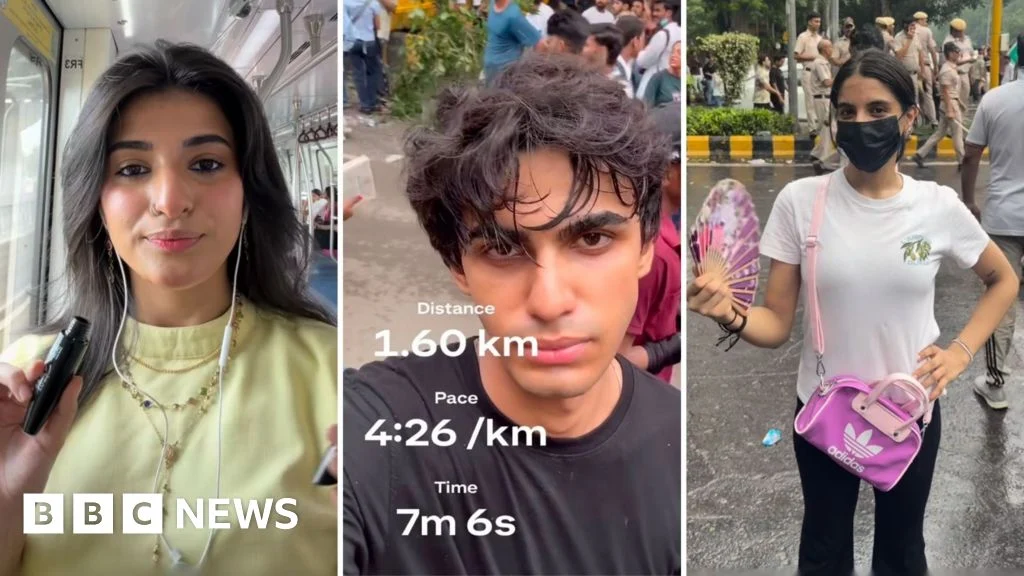
By Zoya Mateen
BBC News, Delhi
The streets of Delhi, usually a theater for bureaucratic maneuvering, transformed earlier this week into a visceral, high-stakes stage for a new generation of political dissent. As tens of thousands of young supporters of the Cockroach Janta Party (CJP) converged on the capital, the air grew thick with more than just the acrid scent of tear gas; it was saturated with the defiant, sardonic energy of a youth movement that refuses to be silenced—or intimidated.
What began as a localized outcry against systemic exam irregularities and recruitment scandals has metastasized into a broad-based, nationwide demand for government accountability. Yet, as the state apparatus responded with force, the protesters’ weapon of choice remained the device in their pockets: the smartphone.
The Chronology of a Collision
The protest did not begin in a vacuum. For weeks, the CJP had been organizing, fueled by revelations of massive paper leaks in national examinations that have left millions of students in a state of professional limbo. On Monday morning, the atmosphere was one of nervous anticipation.
Twenty-year-old Chhavi (name changed for her protection) paused outside a Delhi metro station before heading toward the demonstration. In a scene that has become emblematic of the modern protest, she balanced her phone against a metal railing to film a "fit check"—a quintessential social media trend.
"Going to get beaten by cops, guys," she said, flashing a bright, disarming smile into the camera. It was a dark, premonitory joke, but for Chhavi, it was a way to ground herself before entering the fray.
By midday, the scene had shifted from civil demonstration to a volatile standoff. As the massive crowd marched toward Parliament, authorities deployed riot police. The response was immediate and harsh: tear gas shells were fired into the throngs, and security personnel engaged in a heavy-handed "lathi charge" (baton charge).
The government, in a move to contain the spread of the protest, suspended mobile internet services around the demonstration site. For several hours, the crowd was effectively cut off from the digital world. Yet, as soon as the connectivity returned in the evening, the internet was flooded with thousands of reels, memes, and first-person dispatches from the front lines. The narrative of the protest was no longer being written by official press releases; it was being crowdsourced in real-time.
The Aesthetics of Defiance: Humor as Armor
For observers watching from afar, the juxtaposition was jarring. One reel captured a young woman, face flushed, calmly reapplying her lipstick while standing mere feet from a line of riot police. Another video featured a student offering a deadpan, "food critic-style" review of the tear gas, rating its sting and scent with the same detachment one might apply to a local restaurant.
This humor, while seemingly flippant, serves a profound psychological function. Many of the young people interviewed for this report rejected the notion that their social media activity was merely "content creation."
"I was adrenaline-soaked, scared, petrified," Chhavi admitted when asked about the videos she posted while fleeing. "It was either laugh in the face of fear or cry."
This phenomenon—the "protest meme"—has become a defining feature of the CJP movement. By turning the trauma of police violence into a narrative they can control, these young protesters are stripping the state of its ability to instill paralyzing fear. It is a form of digital psychological warfare where the primary casualty is the government’s attempt to project absolute authority.
Supporting Data and Digital Anthropology
Digital anthropologists note that this behavior represents a seismic shift in how political identity is formed. Dr. Payal Arora, a researcher at Utrecht University, suggests that for the digital-native generation, the act of recording is an integral part of the protest experience.
"The act of capturing a protest is often an end in itself," says Dr. Arora. "Their message is more like: ‘This happened. We were there. We will remember.’ The smartphone has turned every citizen into a chronicler."
This is supported by the sheer volume of data produced. While the government attempted to impose a blackout, the eventual release of these files created a massive, decentralized archive of the day’s events. These videos provide a counter-narrative to the official police accounts, which claimed that officers were also injured in the scuffle. While the police narrative focuses on maintaining "law and order," the videos focus on the visceral reality of student displacement and state aggression.

The use of irony is also calculated. Consider Ishaan, 21, who posted a video of tear gas drifting through the streets with the caption: "Delhi Police doesn’t realize I’m from Jamuna Paar." The joke—a nod to the notorious lack of infrastructure in his home district—served to minimize the state’s most potent tool of dispersal by framing it as "lesser" than the daily struggles he already faces.
Official Responses and the Governance Gap
The government’s response has remained largely intransigent. Education Minister Dharmendra Pradhan has refused to resign, framing the protests as a cynical political ploy. "The opposition is exploiting students for political gain," a ministry spokesperson stated earlier this week.
However, this rhetoric has struggled to gain traction with the protesters, who see the issue of exam integrity as a foundational failure of governance. By dismissing the protesters as mere political pawns, the government has inadvertently fueled the movement’s growth. The "Cockroach" moniker—originally perhaps a derogatory label used to diminish the protesters—has been reclaimed by the movement as a badge of honor, signifying a persistent, resilient, and impossible-to-exterminate force.
The government’s decision to cut off the internet remains its most controversial tactic. While it temporarily slowed the spread of information, it ultimately deepened the resolve of those on the ground. As Manit, an 18-year-old engineering student, noted, the experience of being "hunted" by the state only made the act of uploading his videos more significant. He even logged his flight from the police on his fitness app, turning a high-stress escape into a sarcastic workout milestone.
Implications: The Future of Dissent
The CJP movement represents a departure from the traditional protest models of the past. While the anti-citizenship protests of the late 2010s relied heavily on murals and public readings of the Constitution, and the farmers’ movement used the physical power of the tractor rally, the current movement is defined by its speed, its irony, and its total integration with the digital sphere.
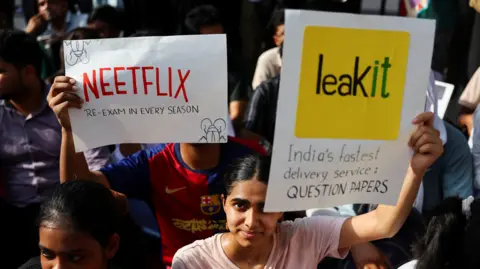
Nishant Shah, director of the Digital Narratives Center at the Chinese University of Hong Kong, argues that the "frivolity" of memes is a misunderstanding of how power functions today.
"We often make the mistake of trying to understand new technologies through older ways of thinking," Shah explains. "Politics is everyday, emotional, and experiential. Humour creates solidarity, eases tension, and helps people endure moments of fear. Without those things, protests don’t sustain themselves."
As the movement looks toward the future, the implications are clear: the state is facing a demographic that has effectively decoupled "politics" from "solemnity." By treating protest as a component of their everyday digital life, these young Indians have created a model of dissent that is inherently resilient.
If the government’s goal was to scare these young people back into their homes, the result has been the opposite. They went home, they edited their footage, they added music and captions, and they uploaded the evidence. They have turned their fear into a permanent, viral record—and in doing so, they have ensured that the conversation about accountability will not end when the tear gas clears.
The "Cockroaches" of Delhi have shown that in the age of the smartphone, the most dangerous thing a government can do is try to hide the truth from a generation that has grown up filming it.
 rifanmuazin
  Layla Zulfa
  Evan Lee Salim