
 By Nila Kartika Wati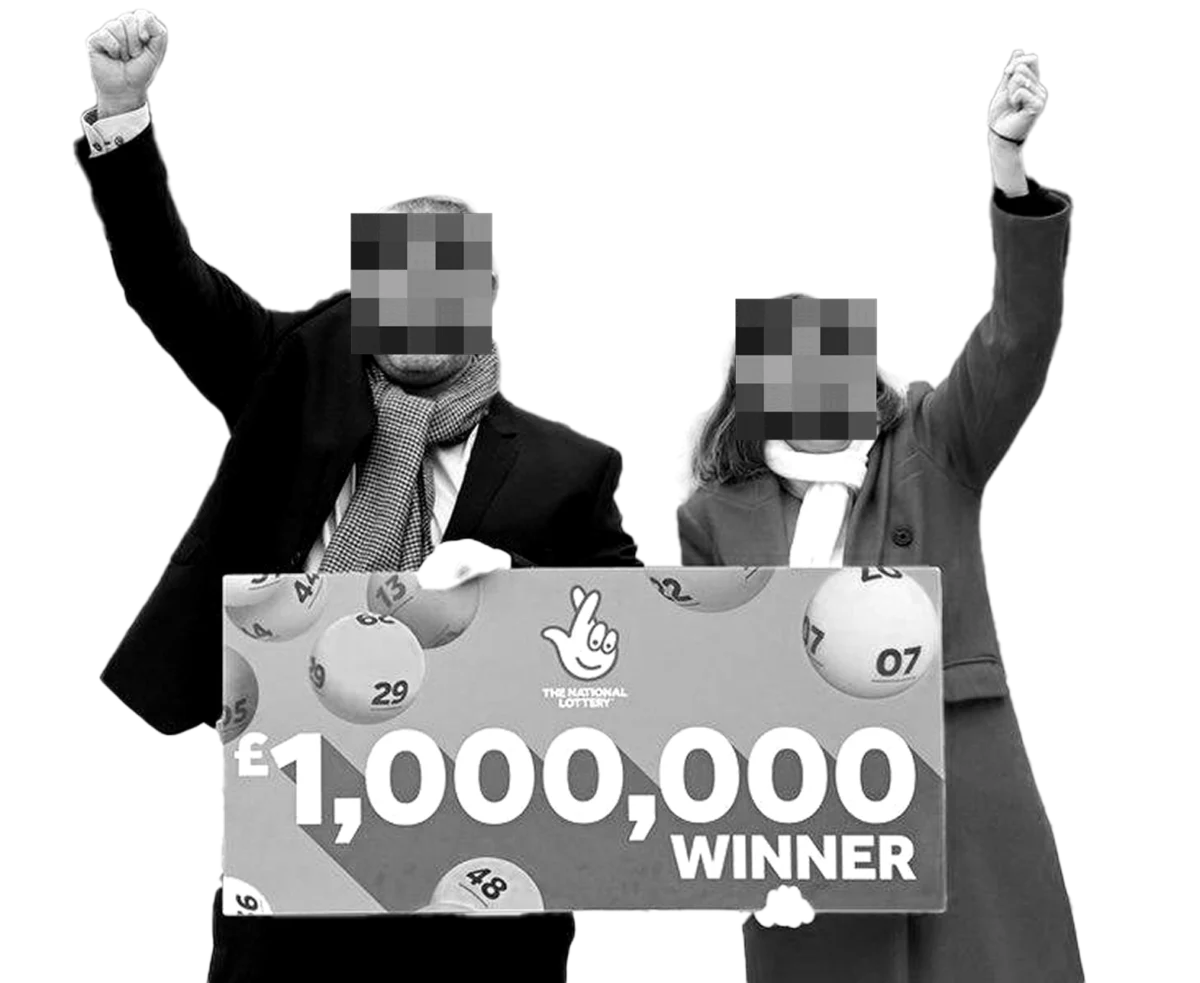
Introduction: Chasing the Dream Across Two Continents
For millions of people around the globe, the weekly lottery draw represents the ultimate modern fantasy: a modest financial investment traded for the remote, life-altering possibility of infinite wealth. Yet, the mechanics, culture, and societal impacts of playing the lottery vary dramatically depending on which side of the Atlantic you happen to stand.
In the United States, the game of choice is Powerball, a multi-state monolith renowned for creating mind-boggling, multi-billion-dollar jackpots that capture global headlines. In Europe, the equivalent titan is EuroMillions, a collaborative cross-border enterprise uniting nine nations in a shared pursuit of immense, though strictly regulated, prizes.

While both systems offer the tantalizing promise of early retirement and boundless luxury, they operate under fundamentally different philosophies. Powerball fuels an endless, high-stakes chase with astronomical odds, while EuroMillions prioritizes a more balanced distribution of wealth, superior odds of winning, and rigorous privacy protections for its champions. Examining these two lottery giants reveals not only how different cultures approach risk and reward, but also the hidden psychological and financial perils of winning big.
Main Facts: Powerball vs. EuroMillions at a Glance
To understand the core differences between American and European lotteries, one must examine their operational structures, ticket pricing, and historical payout ceilings.
The Powerball Phenomenon
Operating across 45 states, the District of Columbia, Puerto Rico, and the U.S. Virgin Islands, Powerball is a titan of the American gaming industry.
- Ticket Cost: Typically priced between $2 and $3 per play.
- Draw Schedule: Drawings take place three times a week—on Mondays, Wednesdays, and Saturdays.
- Starting Jackpot: The jackpot begins at a guaranteed minimum of $20 million and rolls over indefinitely until someone matches all numbers.
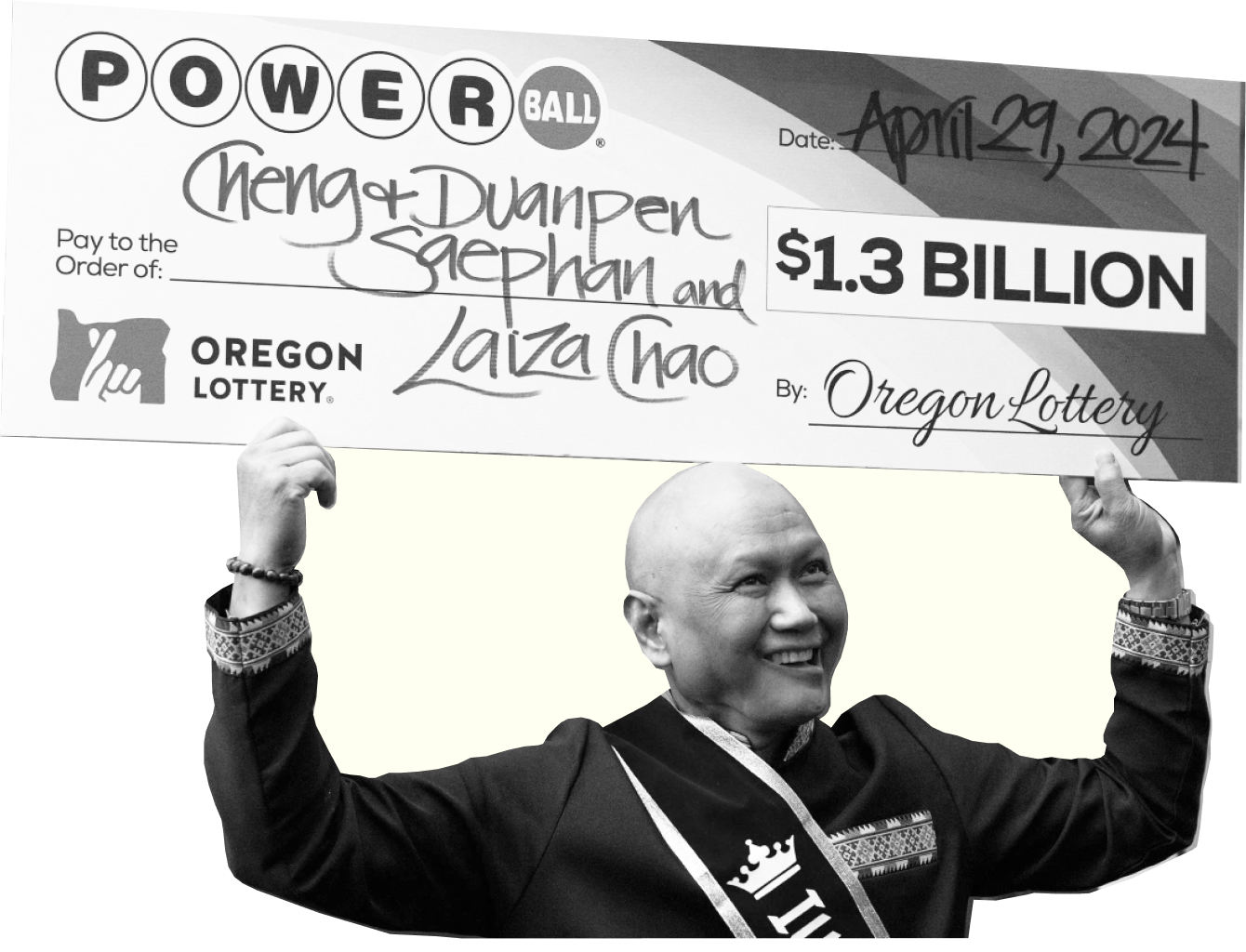
- Record Highs: Powerball holds the record for the largest lottery jackpot in human history: a staggering $2.04 billion won in November 2022 by Edwin Castro of California, who took home a lump-sum cash payout of approximately $997.6 million before taxes (leaving him with roughly $628 million). Another massive win occurred in 2024, when Cheng Saephan claimed a $1.3 billion jackpot, netting a lump sum of $422 million post-tax.
The EuroMillions Enterprise
Launched to span multiple European jurisdictions, EuroMillions is Europe’s premier lottery. It operates through national operators in nine countries: the United Kingdom, France, Spain, Austria, Belgium, Ireland, Luxembourg, Portugal, and Switzerland.

- Ticket Cost: Standard tickets cost €2.50 (approximately US$2.61).
- Draw Schedule: Drawings are held twice a week, on Tuesdays and Fridays.
- The Jackpot Cap: Unlike its American counterpart, EuroMillions enforces a strict jackpot cap, currently set at €250 million (roughly US$259.8 million). Once the jackpot reaches this ceiling, it cannot grow further through rollovers; instead, excess funds cascade down to bolster lower-tier prize levels. Special "Super Draws" and "Event Draws" also occur periodically, featuring guaranteed starting jackpots of €100 million.
Chronology and Evolution: The Escalation of Massive Jackpots
The modern landscape of colossal lottery prizes is a relatively recent phenomenon, born out of rule changes designed to intentionally drive up jackpot sizes and generate public buzz.
- The Early Decades: Historically, lotteries offered modest sums that could be won with greater frequency. However, as state-run and national lotteries sought to maximize revenue for public education and infrastructure funds, game matrices were redesigned.
- The Odds Shift (2015–2016): Powerball modified its number matrix in October 2015, decreasing the odds of winning the jackpot while drastically increasing the potential for massive rollovers. This structural shift paved the way for the historic $1.58 billion jackpot shared by three ticket holders in January 2016.
- The Billion-Dollar Era (2022): The trend culminated in November 2022 when the Powerball jackpot rolled over numerous times, finally reaching the unprecedented world record of $2.04 billion.
- EuroMillions Adaptations: Recognizing the societal pressures and compulsive behaviors associated with endless rollovers, EuroMillions took a different path. Rather than allowing jackpots to climb infinitely into the tens of billions, European regulators established and progressively raised a firm cap (moving from €190 million to €220 million, and eventually €250 million), ensuring that excess funds are funneled back into the broader player base rather than fueling a runaway train of speculative spending.
Supporting Data: Odds, Payouts, and Winner Frequencies
When comparing the statistical realities of Powerball and EuroMillions, the divergence in game design becomes starkly apparent.
The Mathematics of Winning
| Metric | Powerball | EuroMillions |
|---|---|---|
| Overall Odds of Winning Any Prize | 1 in 25 | 1 in 13 |
| Odds of Winning the Jackpot | 1 in 292,201,338 | 1 in 139,838,160 |
| Jackpot Growth Mechanism | Uncapped (Endless rollovers) | Capped at €250 million |
| Total Jackpot Winners (Since 2004) | 236 | 583 |
- The Powerball Odds: Your odds of winning the Powerball jackpot are approximately 1 in 292.2 million. To put that number into perspective, that is roughly equivalent to the entire population of the United States. While your overall odds of securing some form of prize sit at a respectable 1 in 25, the grand prize remains an astronomical long shot.
- The EuroMillions Odds: Your odds of winning the EuroMillions jackpot are 1 in 139.8 million—roughly half as difficult as Powerball. Furthermore, your overall odds of winning any prize on a EuroMillions ticket are 1 in 13. Because excess jackpot funds are redistributed to lower tiers once the cap is reached, players frequently enjoy inflated secondary prizes.
Frequency of Victory
Because of its friendlier odds and broader multi-national player base, EuroMillions has crowned significantly more jackpot winners—583 winners since its inception—compared to Powerball’s 236 winners during comparable modern tracking periods. EuroMillions is fundamentally engineered to produce more frequent winners, distributing wealth across a wider population rather than concentrating historic fortunes in the hands of a solitary victor.
Implications: The Dark Side of Winning Big and the Safety of Anonymity
The public perception of winning the lottery is almost exclusively positive: fast cars, sprawling mansions, and freedom from financial anxiety. However, financial experts, sociologists, and legal scholars point to a darker, well-documented phenomenon often referred to as "the lottery curse."

The Multi-Faceted Risks of Massive Wealth
Research and historical case studies show that winners of immense, life-changing jackpots face severe psychological and financial hazards:
- Financial Ruin and Bankruptcy: Studies published by institutions like the American Bankruptcy Institute indicate that large jackpot winners are disproportionately prone to declaring bankruptcy within a few years of their win. Sudden wealth frequently leads to high-risk investments, predatory financial advisors, tax misunderstandings, and unsustainable, high-maintenance lifestyles.
- Psychological Stress: The sudden shock of extreme wealth can trigger profound anxiety, identity crises, and severe psychological distress. The intense spotlight of media attention often strains interpersonal relationships and can exacerbate addictive behaviors.
- Exploitation and Social Pressures: Winners are frequently besieged by demands for money from distant relatives, estranged friends, and unsolicited charitable organizations. Without professional boundaries, many winners experience severe distress driven by guilt and social pressure.
- Fraud and Scams: High-profile winners become prime targets for identity theft, fraudulent investment schemes, and elaborate legal manipulations orchestrated by bad actors posing as financial experts.
The Crucial Role of Anonymity
One of the most profound structural differences between the U.S. lottery system and its European counterpart lies in winner privacy policies.

- The American Exposure: In the majority of U.S. states, lottery winners are legally required by public records laws to disclose their real names, hometowns, and the exact amount won. This mandatory transparency thrusts ordinary citizens into an inescapable public spotlight, leaving them uniquely vulnerable to harassment, scams, and personal safety threats. Only a handful of states (such as Delaware, Kansas, Maryland, North Dakota, Ohio, South Carolina, and Texas) allow winners to claim prizes anonymously.
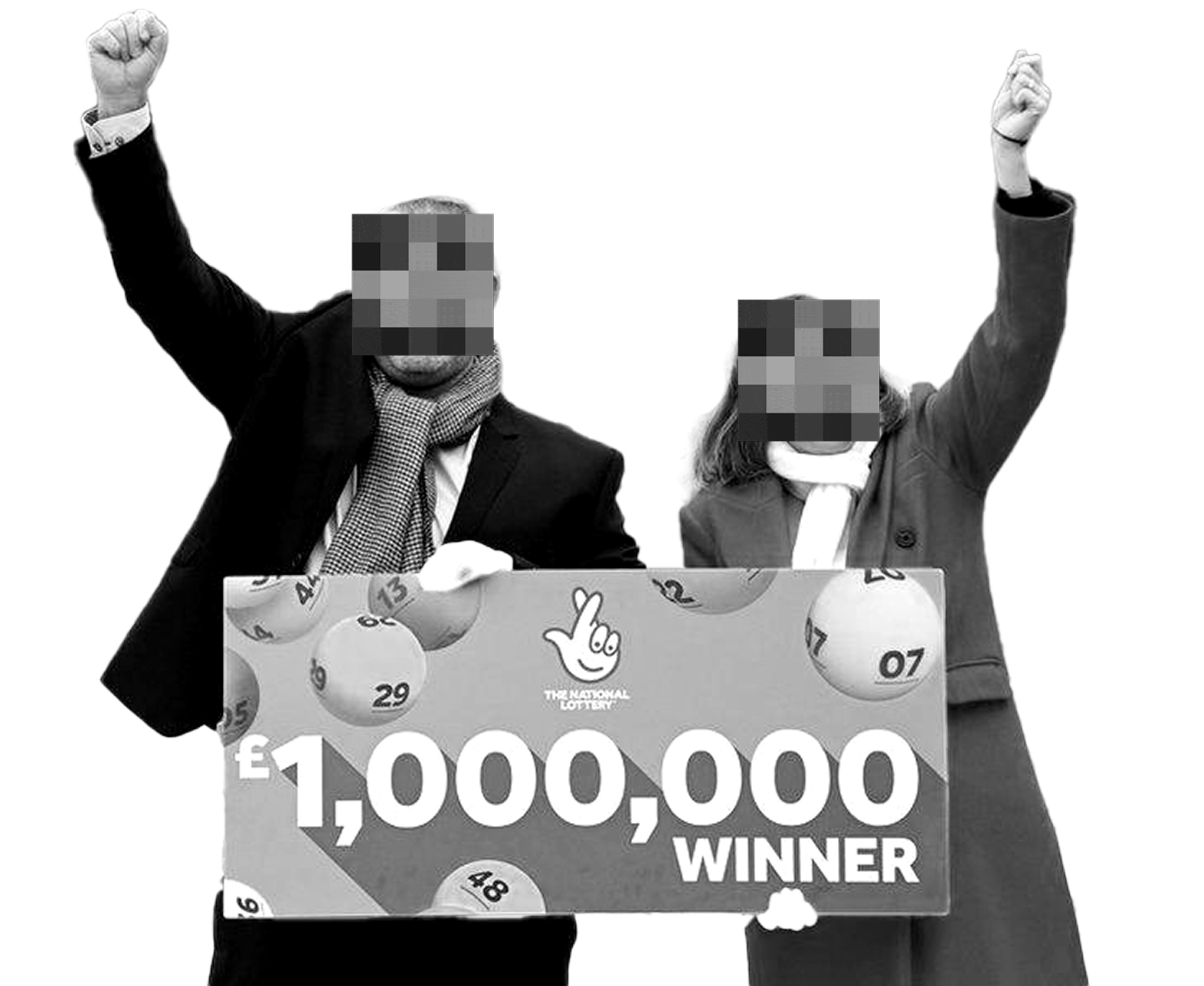
- The European Standard: Conversely, EuroMillions operators enforce strict privacy laws. All EuroMillions winners have the absolute right to remain anonymous. National lotteries across participating European countries shield winners’ identities by default. This crucial policy provides a protective buffer, allowing new multi-millionaires to process their windfall, secure professional financial counsel, and organize their lives without enduring public scrutiny or invasive media intrusion.
Official Responses and Industry Perspectives
As debates continue over the ethics of promoting multi-billion-dollar jackpots, consumer advocates and lottery officials have increasingly scrutinized the psychological impacts of aggressive marketing.
- Consumer Advocacy Warnings: Public health advocates argue that uncapped jackpots create a "frenzy effect," driving vulnerable, low-income individuals to spend disproportionate amounts of household income on tickets during massive rollovers. Critics point out that while state lotteries generate essential revenues for public education and social programs, they can function as a regressive tax on those least equipped to absorb financial losses.
- The European Model as a Blueprint: Public policy experts frequently hold up the EuroMillions model—featuring strict jackpot caps and mandatory winner anonymity—as a more socially responsible framework. By limiting the maximum payout, European operators intentionally curb compulsive buying spikes while safeguarding the mental health and physical safety of their players.
- Calls for U.S. Reform: Financial advisors and legal professionals continue to lobby state legislatures in the U.S. to expand anonymity laws nationwide, arguing that protecting a winner’s identity is not merely a matter of privacy, but a critical public safety measure that prevents fraud, extortion, and psychological trauma.
Conclusion: Which System is Truly Better?
Ultimately, the choice between Powerball and EuroMillions boils down to what a player seeks from the game.

If your goal is to chase an impossible, headline-grabbing fantasy where a single ticket could theoretically yield two trillion dollars—despite odds that rival being struck by lightning multiple times—Powerball delivers that unmatched thrill.
However, if you prioritize better statistical odds of winning a prize, a higher frequency of multi-million-dollar payouts, and, most importantly, the foundational safety and privacy to enjoy your wealth without the threat of public exposure, EuroMillions emerges as the far superior and more responsible system. As the global lottery market continues to evolve, the American system would do well to examine Europe’s approach, proving that when it comes to the game of chance, bigger is not always better.
 Lina Irawan
  Nana
Nana 