
 By Azzam Bilal Chamdy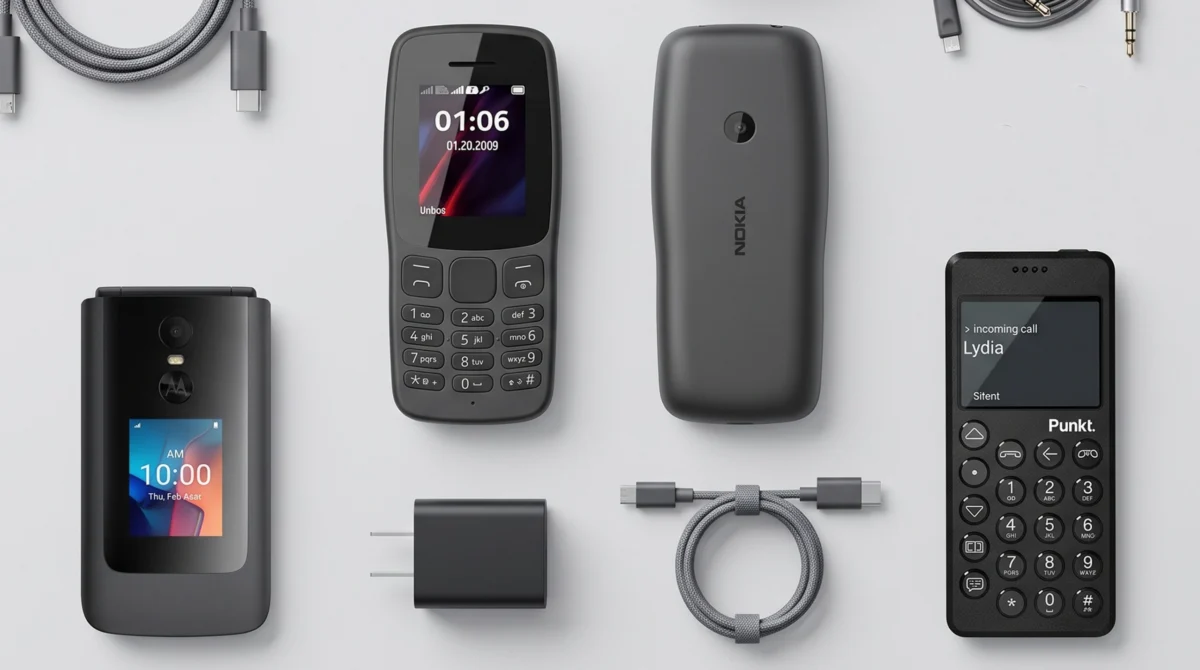
Following months of intense speculation and industry whispers, Apple has finally pulled back the curtain on the iPhone Duo, the company’s ambitious first foray into the foldable smartphone market. Promising a new frontier in multitasking, immersive screen real estate, and professional-grade mobile photography, the device represents the pinnacle of modern "hyper-connectivity." However, for a growing segment of the global population, the unveiling of a $1,999 foldable device serves less as an invitation to upgrade and more as a catalyst for a burgeoning counter-cultural movement: the "dumb phone" renaissance.
As we navigate the mid-2020s, the realization that constant, high-speed digital engagement may be exacting a significant toll on our mental well-being is no longer a fringe opinion—it is a mainstream sentiment. While the tech giants push for more "screen time," a quiet rebellion is brewing, characterized by a return to analog-adjacent technology.
The Chronology of the Digital Divide
The trajectory toward this moment was predictable. Since the introduction of the smartphone, the device’s capabilities have grown exponentially. We moved from simple communication tools to pocket-sized desktop computers.
- 2007–2012: The rise of the smartphone era, where the focus was on connectivity and app integration.
- 2013–2019: The "Attention Economy" took hold. Social media platforms, streaming services, and mobile gaming saturated the user experience, leading to the "doomscrolling" phenomenon.
- 2020–2023: The pandemic accelerated our reliance on screens for work, socialization, and survival, leading to widespread digital fatigue.
- 2024–2025: A reactionary shift began. Digital detoxes, screen-time limiting apps, and "minimalist" technology trends gained traction on platforms like TikTok and Instagram.
- 2026: Apple launches the iPhone Duo, marking the industry’s bet on "more is more," which has inadvertently highlighted the growing market for "less is more."
The Case for Disconnecting: Why Less is More
The allure of the "dumb phone" is not rooted in a hatred of technology, but in a desire for intentionality. Unlike the iPhone Duo, which is designed to keep the user engaged, informed, and distracted, minimalist phones are designed to facilitate communication and then disappear from the user’s consciousness.
The primary benefit is reclaimed cognitive space. When a device lacks social media, infinite-scroll feeds, and push notifications for every minor digital interaction, the user is forced to interact with the physical world. This is not about luddism; it is about reclaiming the agency to decide when and how to be online.
Analyzing the Market: Six Essential Minimalist Devices
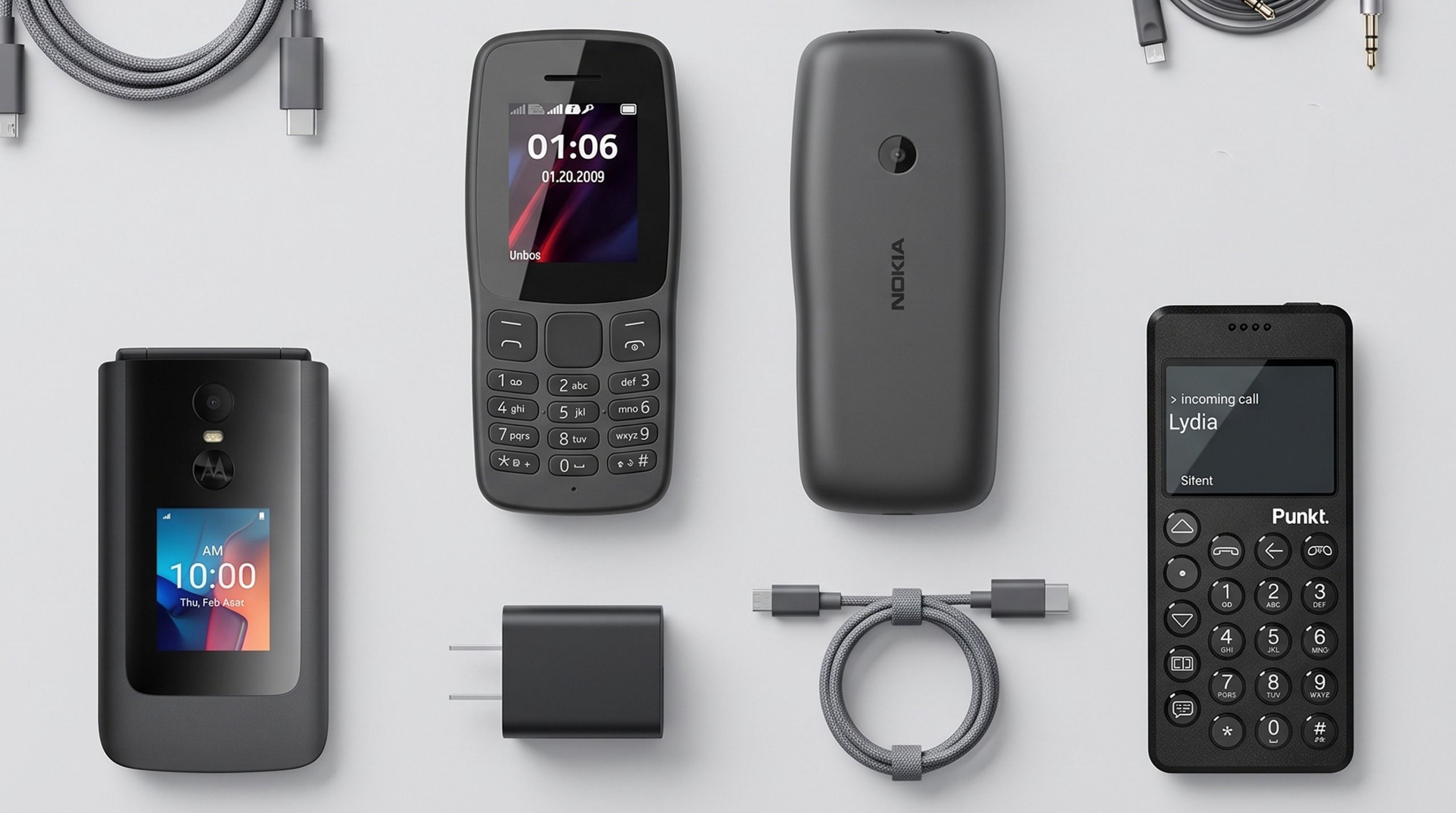
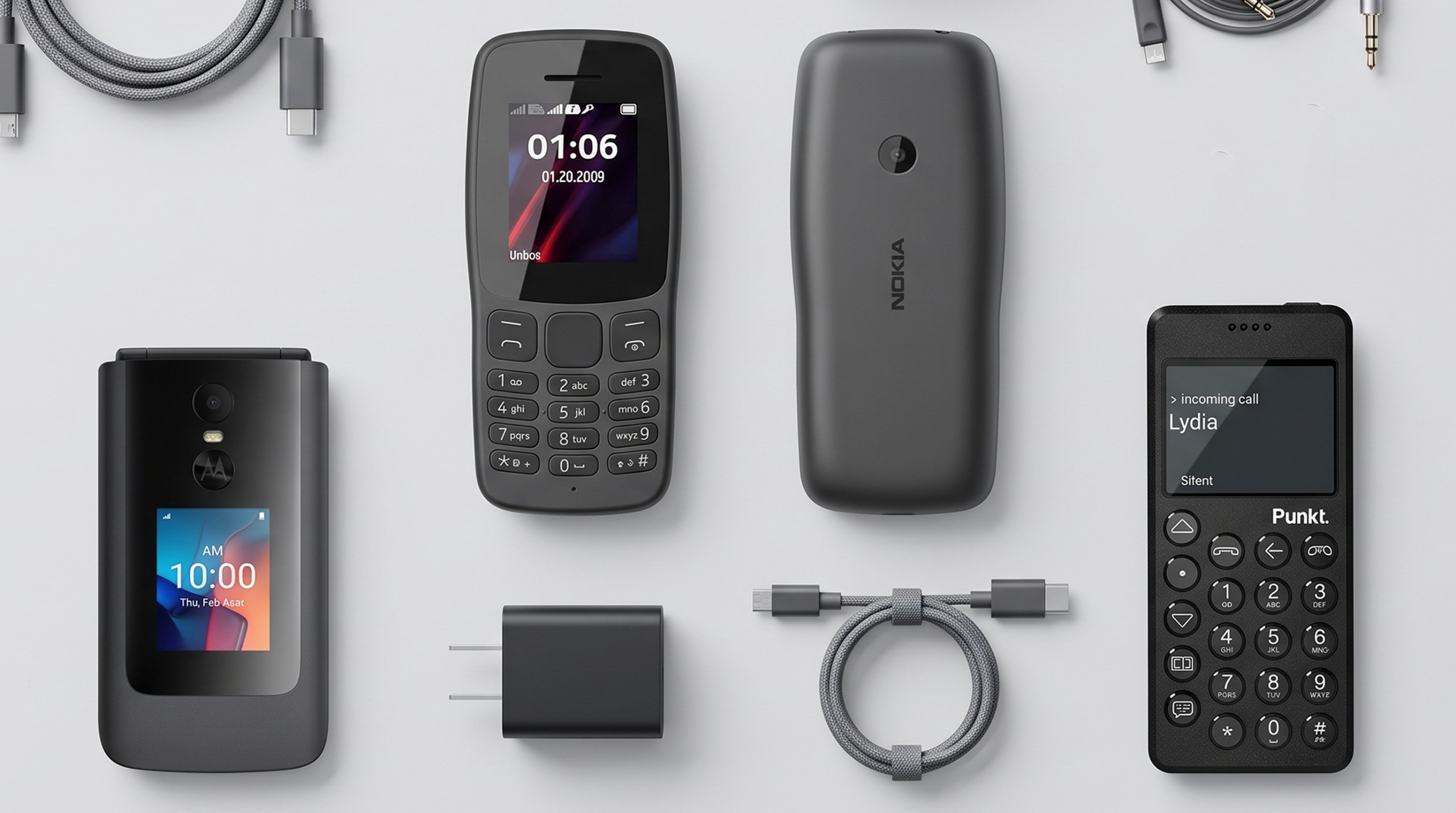
For those looking to trade their $1,999 foldable for something that values their time, the market offers several compelling options that bridge the gap between retro utility and modern necessity.
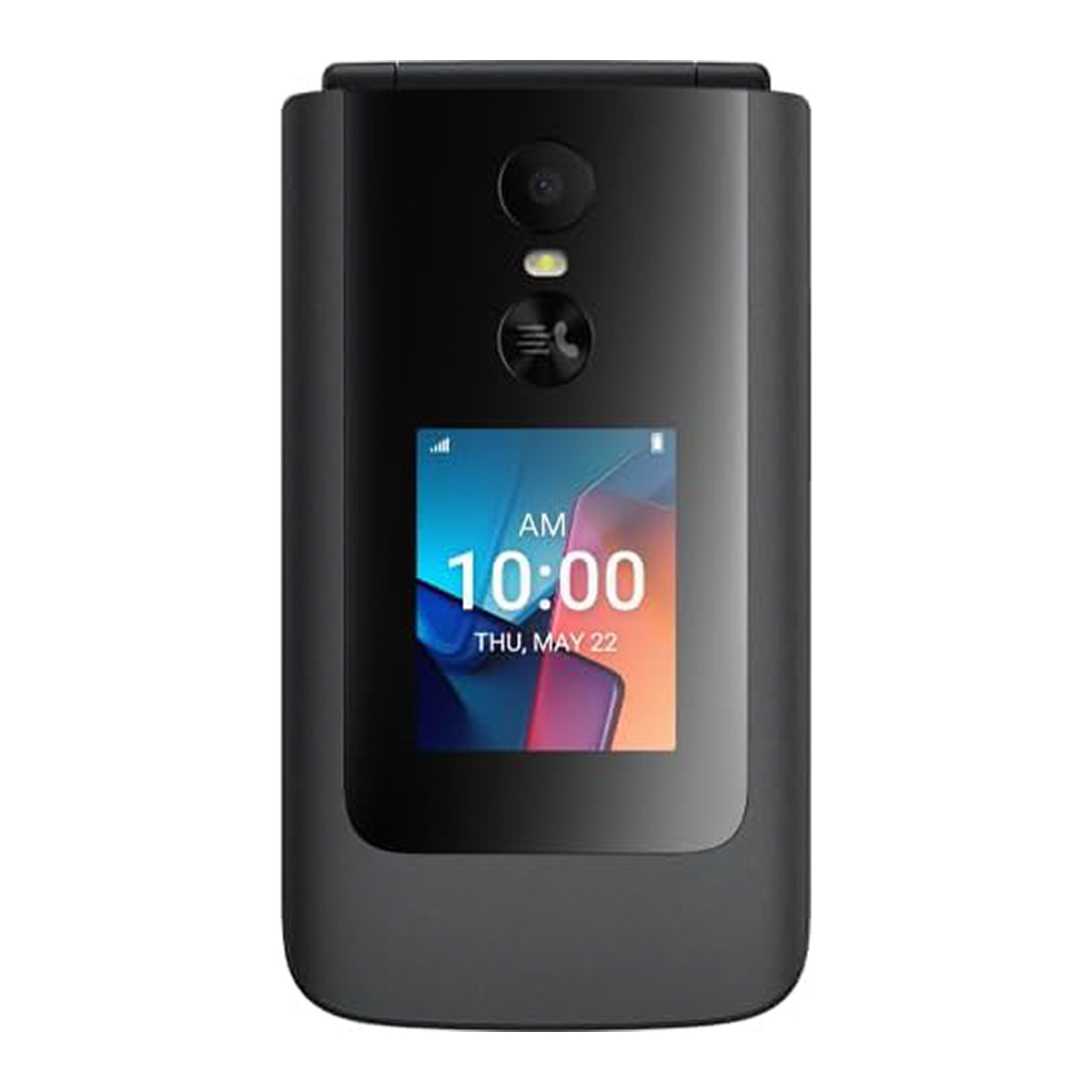
1. The TCL Flip 4
The TCL Flip 4 is a testament to the fact that form factor matters. By offering a dual-screen experience—a compact front display and an internal screen—it mimics the convenience of a modern smartphone without the digital baggage. Its tactile, physical buttons and shortcut keys provide a sensory satisfaction that glass-and-silicon devices lack. With its 5MP camera, it captures the moment without requiring the user to edit or upload it to a cloud server immediately.
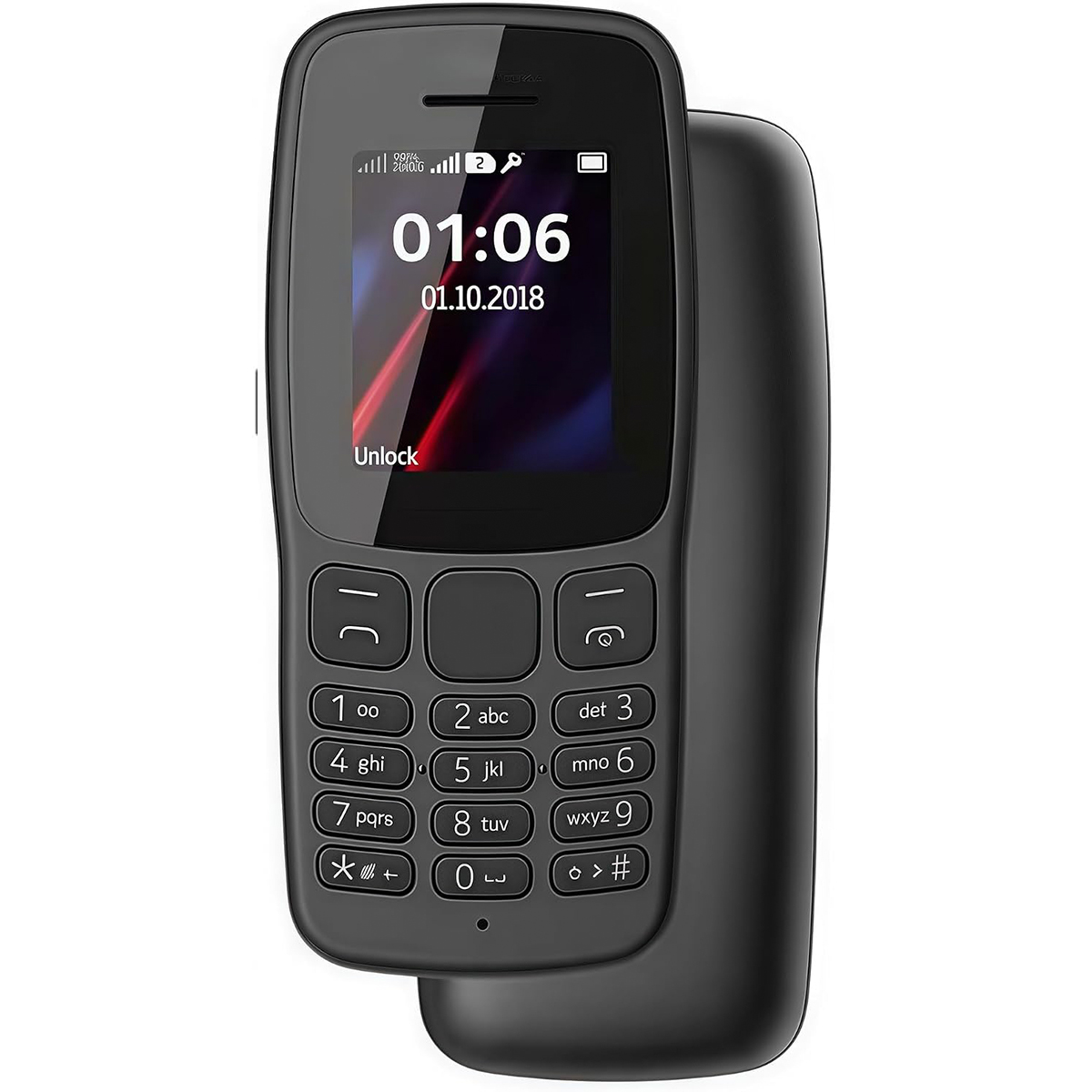
2. The Nokia 106
Nokia remains the undisputed king of durability. The 106 is an ideal candidate for those seeking a "burner" phone or a primary device for essential communication. Its robust polycarbonate chassis is built to survive environments that would shatter a premium foldable. With space for 500 contacts and a battery life that lasts for days, it is the antithesis of the anxiety-inducing "low battery" warning of the modern era.
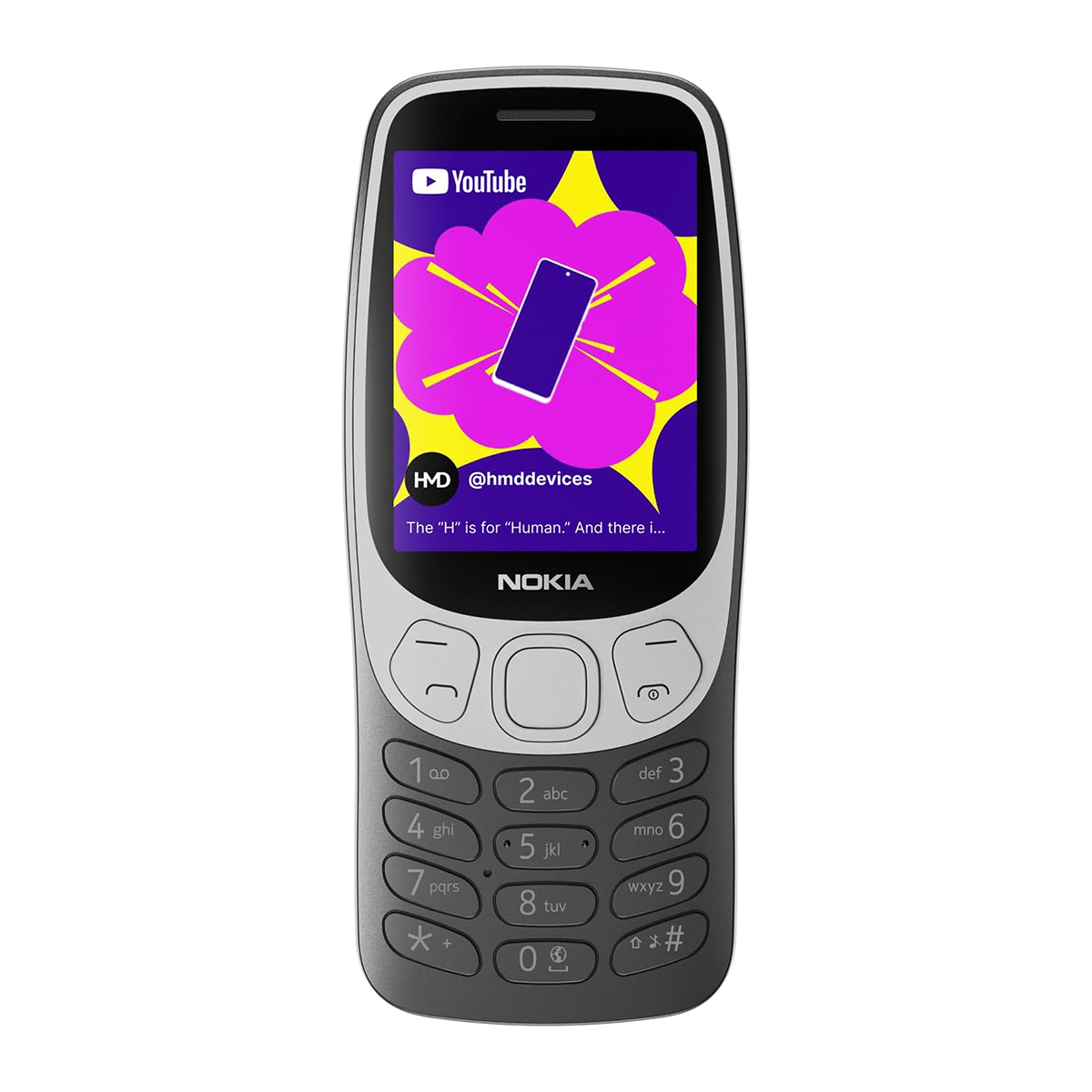
3. The Nokia 3210
A design icon reborn. The 2026 iteration of the Nokia 3210 serves as a bridge between the nostalgia of 1999 and the practical requirements of modern mobile networks. While it maintains the classic aesthetic and the legendary Snake game, it has been updated with just enough cloud-app capability to be useful in a professional environment, without becoming a platform for doomscrolling.
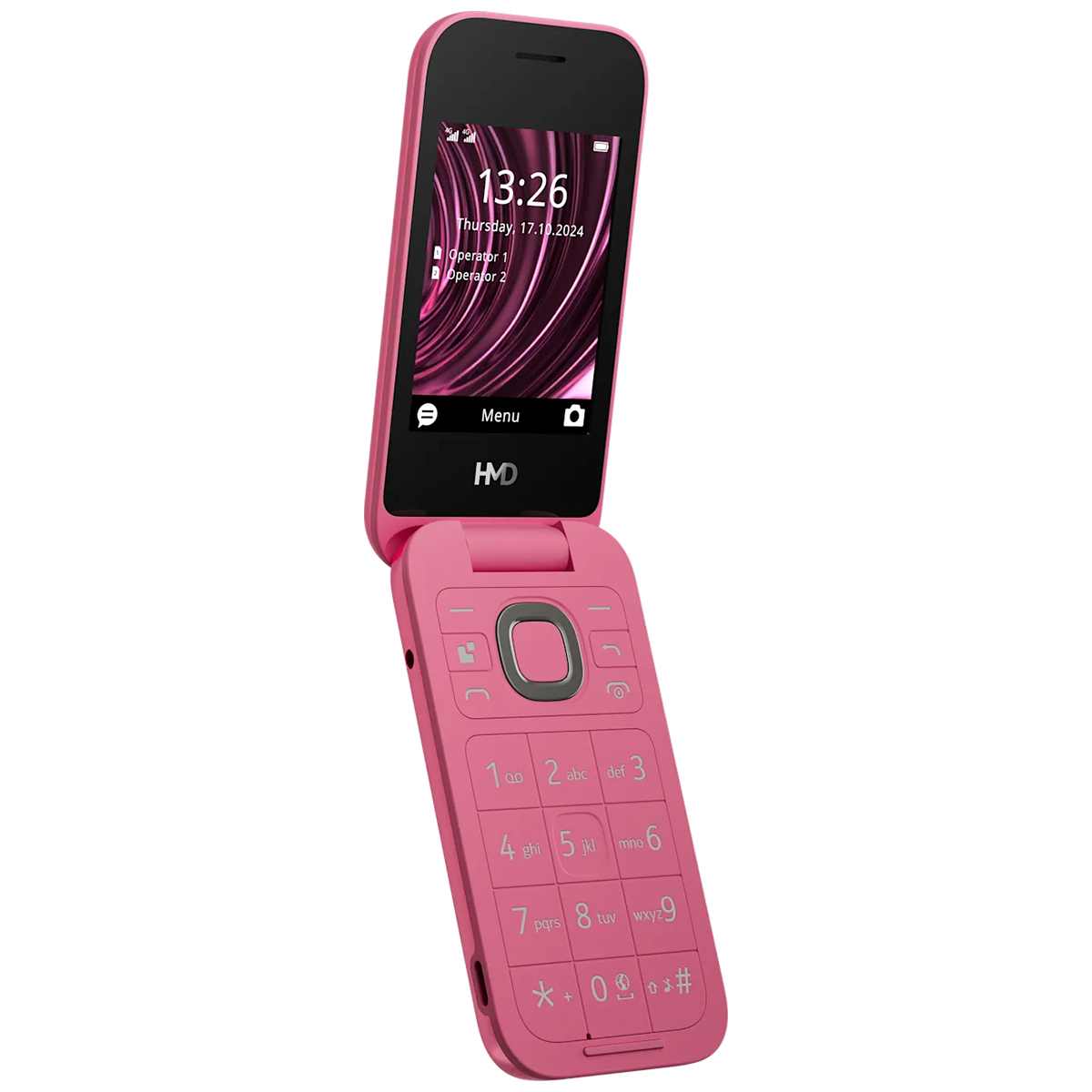
4. The HMD 2660 Flip
Exclusively available in the European market, the HMD 2660 Flip is for the style-conscious minimalist. Designed by former Nokia executives, it offers a refined aesthetic available in several sophisticated colorways. It is a device that makes a statement: I am available for calls, but I am not available for your algorithms.
5. The Punkt MP02
The Punkt MP02 is widely considered the gold standard of luxury minimalism. It is a device that prioritizes "stealth mode." Its design is clean, industrial, and purposeful. Our internal design editors have praised it for its "bare minimum" approach, noting that it allows the user to remain reachable without ever feeling the impulse to check a feed or refresh an inbox.
6. The Mudita Kompakt
Perhaps the most innovative device in this category, the Mudita Kompakt utilizes an E-ink display. This offers a paper-like reading experience that is glare-free and gentle on the eyes. The device’s "Offline+ Mode" is its most powerful feature, allowing users to toggle off the camera, microphone, and all cellular/Wi-Fi radios at the press of a button. It is a true "off-switch" for the modern age.
Official Industry Perspectives
Representatives from major tech firms, when questioned about the rise of the minimalist movement, tend to emphasize the "optionality" of their software. Apple, for instance, points to their "Focus" and "Screen Time" settings as tools for managing digital hygiene.
"The goal of the iPhone Duo is to provide users with a canvas for their creativity," an Apple spokesperson stated during the launch event. "We provide the tools to manage how that canvas is used."
Conversely, advocates for the digital wellness movement argue that software-based controls are insufficient. "It is like trying to go on a diet while sitting in a pantry full of candy," says Dr. Aris Thorne, a researcher in digital sociology. "Hardware-based restriction—using a device that simply cannot run the apps—is the only way to break the dopamine loop for most people."
The Socio-Economic Implications
The price disparity between a flagship foldable and a minimalist phone is staggering. Spending nearly $2,000 for a phone is becoming a status symbol, but the "reverse status symbol"—the person who can afford a $2,000 phone but chooses to use a $100 flip phone—is an emerging trend among the affluent, signaling that their time is too valuable to be harvested by advertising conglomerates.
This shift has broader implications for how we work and live:
- Mental Health: Studies are increasingly linking excessive social media use to rising rates of anxiety and depression in young adults. Minimalist phones remove the root cause of these stressors.
- Professional Productivity: The ability to "deep work" without the constant ping of notifications is becoming a competitive advantage in the creative and corporate sectors.
- Environmental Impact: Minimalist phones are generally more durable and have longer lifecycles, leading to less electronic waste compared to the two-year upgrade cycle typically encouraged by premium smartphones.
Conclusion: Reclaiming the Future
As we look toward the remainder of 2026, the tech landscape is clearly divided. On one side, we have the allure of the iPhone Duo—a marvel of engineering that promises to expand our digital reach. On the other, we have the quiet, sturdy, and intentional path of the dumb phone.
The choice ultimately rests with the user. Do we want to gaze deeper into the screen, or do we want to look up? As the digital world becomes increasingly crowded, the most advanced feature a phone can have may not be a foldable display, but the ability to let us forget it exists entirely.
 Evan Lee Salim
  Nana
Nana  Ammar Sabilarrohman