
 By Iffa Jayyana
In the hyper-competitive landscape of digital commerce, the calendar is both a goldmine and a graveyard. For many brands, the arrival of Black Friday, Valentine’s Day, or the mid-summer slump triggers a familiar, frantic ritual: an inbox-flooding, all-caps barrage of "LAST CHANCE!" and "50% OFF EVERYTHING!" subject lines.
Yet, for the savvy modern entrepreneur, this "shout-to-be-heard" strategy is rapidly losing its efficacy. As consumer sentiment shifts toward authenticity and curation, the "warzone" approach to email marketing is increasingly met with a simple, decisive action: the unsubscribe button. Building a sustainable business requires a fundamental shift in perspective—moving away from transactional desperation and toward a strategy that views seasonal events as opportunities for connection rather than just liquidation.
The State of the Inbox: Why Traditional Tactics Are Failing
The data regarding consumer fatigue is clear. Modern shoppers are bombarded with thousands of marketing messages daily. When every brand in a user’s ecosystem is screaming for attention simultaneously, the psychological response is cognitive overload. To cope, consumers default to aggressive filtering.
The "salesy" fatigue isn’t just a nuisance; it is a brand-equity tax. Every time a business relies solely on a discount to drive engagement, it inadvertently trains its audience to wait for the next sale rather than valuing the product for its inherent worth. This creates a race to the bottom, where margins erode and customer loyalty becomes conditional on the depth of the price cut.
Chronology of a Successful Seasonal Campaign
The most common mistake founders make is treating seasonal marketing as a task to be completed on the day of the event. A high-performing seasonal strategy is, by definition, proactive rather than reactive.
Phase 1: The Pre-Season Foundation (4–8 Weeks Out)
This is the planning phase. Instead of scrambling, successful brands use this time to map their editorial calendar. This involves identifying which seasonal moments align with their brand identity. The goal here is not to capitalize on every "National Day," but to choose the moments that resonate with the core demographic.
Phase 2: The Warm-Up (2–4 Weeks Out)
In this stage, the "give-and-take" approach is critical. For every promotional email planned, at least two pieces of educational or entertainment-based content should be deployed. By providing value—be it a style guide, a behind-the-scenes story of a product’s creation, or a helpful industry tip—brands build "relational equity." When the sales-heavy emails arrive later, the subscriber is already primed to view the brand as a partner, not a pest.
Phase 3: The Launch (The Event Window)
When the promotion finally hits, it should feel like the natural culmination of a conversation, not an interruption. Because the audience has been primed with value, the conversion rate is statistically higher.
Phase 4: The Aftermath and Retention (Post-Season)
The campaign shouldn’t end when the sale closes. A follow-up email thanking customers, sharing results, or providing post-purchase care creates a "feedback loop" that encourages long-term retention.
The Science of Storytelling and Consumer Behavior
Why does a personal story outperform a flat discount code? Research into neuro-marketing suggests that while the human brain is largely indifferent to cold, hard statistics (retaining only about 5% of data points), it is hardwired for narrative. Studies indicate that people retain approximately 63% of information presented in a story format.
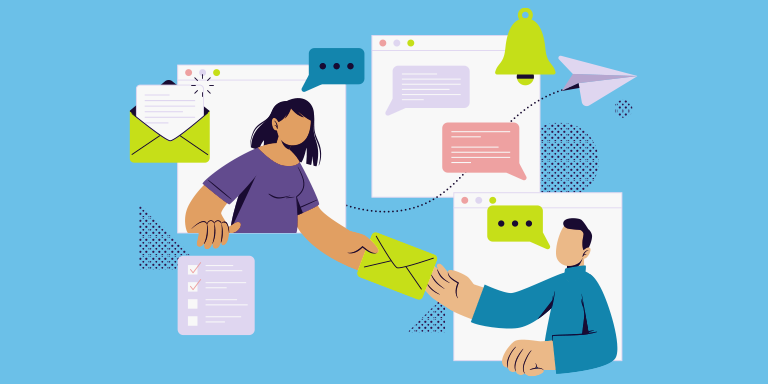
When a founder leads an email with a narrative—explaining the inspiration behind a summer collection or the struggle involved in sourcing a specific material—they invite the customer into the brand’s journey. This context transforms a product from a commodity into a meaningful solution. The discount, in this context, is not the reason for the email; it is merely the "cherry on top" that rewards the reader for engaging with the narrative.
Segmenting the Audience: Moving Beyond "Dear Valued Customer"
One of the most persistent, yet damaging, habits in email marketing is the "blast." Sending the same generic promotion to a first-time visitor and a long-term, high-value customer is a missed opportunity for precision.
Effective segmentation requires viewing the email list as a group of individuals with distinct needs:
- The Newcomer: Requires brand story, social proof, and an introduction to the core value proposition.
- The Loyal Customer: Responds to exclusivity, early access, and recognition of their past support.
- The Window Shopper: Responds to gentle reminders, abandoned cart recovery, or "social proof" (e.g., "See what others are loving this season").
By using tools to automate these segments, founders can ensure that every email feels bespoke. A "thank you" discount sent specifically to repeat buyers creates a sense of exclusivity that a sitewide "50% off" blast can never replicate.
Creating Authentic Urgency
Urgency is a powerful psychological trigger, but it is fragile. If a brand screams "FINAL HOURS" every weekend, the phrase loses all meaning. This is "manufactured urgency," and customers have become experts at spotting it.
True urgency is rooted in reality. It is the limited-edition drop, the "early access" period for a VIP list, or the genuine scarcity of a seasonal collection. When brands like Luu Lounge utilize email to notify their community of a launch time, they aren’t pressuring the customer; they are providing them with an opportunity to participate in something exclusive. By building the anticipation before the product is even available, the founder shifts the dynamic from "trying to sell" to "fulfilling a demand."
Implications for Future Growth
The transition toward relationship-based email marketing is not merely a trend; it is a necessity for long-term survival in an era of rising customer acquisition costs (CAC). Businesses that prioritize their email lists as a direct line of communication—rather than a megaphone for promotions—will find themselves with higher lifetime value (LTV) customers.
Founders who master this art are building assets that are resistant to the volatility of social media algorithms. An email list is a direct channel where the brand controls the environment. When the message within that environment is one of genuine value, storytelling, and relevance, the result is a stable, scalable business.
For those looking to transition from the "shout-to-be-heard" model to a more sustainable strategy, the tools available today make this transition significantly more accessible. Automation platforms, such as Omnisend, allow even solo entrepreneurs to manage complex segments and personalized journeys without needing a massive team of data scientists.
In conclusion, the most effective seasonal strategy is one that treats the customer as a human being. By planning early, leading with stories, segmenting with precision, and using urgency with integrity, brands can turn even the busiest shopping periods into opportunities for deep, lasting brand loyalty. The goal is not just to make the sale; the goal is to make the customer feel that, amidst the noise of the inbox, your brand is the one voice worth listening to.
 Dwi Wanna
  rifanmuazin
  Asep Darmawan