
 By Asro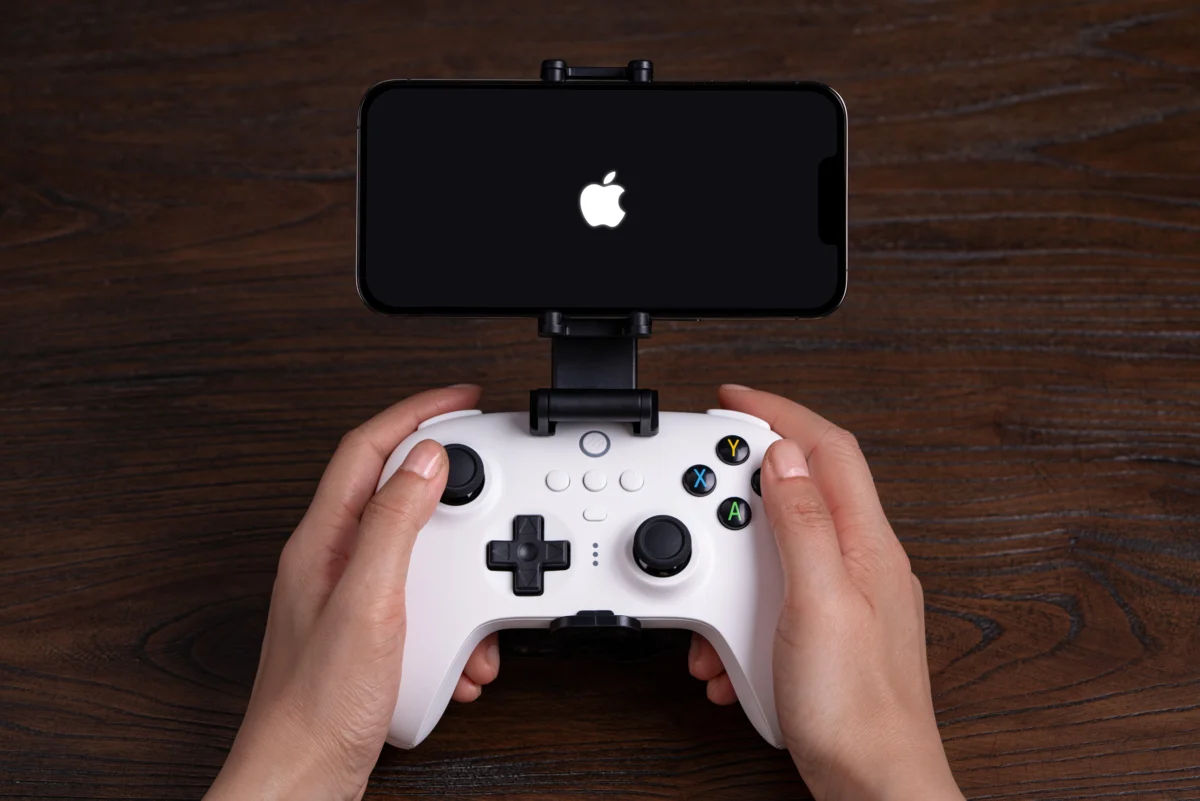
By Terrence O’Brien
Published September 13, 2026
Main Facts
Apple is reportedly developing two dedicated first-party game controllers specifically tailored for the iPhone. According to industry insider reports, these accessories are expected to be marketed under the Beats brand rather than Apple’s flagship namesake.
The initiative marks a significant strategic pivot for Apple, which has historically relied on third-party hardware manufacturers—such as Backbone, Razer, and 8BitDo—to service the mobile gaming sector on iOS. While initial code uncovering the existence of these devices was spotted within the macOS 26.7 software development kit, analysts clarify that the hardware is engineered primarily to integrate with the iPhone ecosystem.
Leveraging the Beats brand allows Apple to experiment with a new product category without disrupting the minimalist, premium design language traditionally associated with core Apple products. It also provides the tech giant with the pricing flexibility necessary to compete in the highly competitive mobile gaming accessories market, where consumers typically expect accessories to fall into a more accessible price bracket.
Chronology
The evolution of Apple’s rumored entry into the gaming hardware market spans over a decade, marked by software developments, changing hardware standards, and subtle corporate realignments.
- October 2013 (iOS 7 Era): Apple formally introduced standardized game controller support with the release of iOS 7, establishing framework guidelines for external developers to build MFi (Made for iPhone/iPad) certified controllers. While it opened the door for third-party manufacturers, Apple refrained from releasing its own hardware.
- November 2019 (The Arcade Era): Apple launched Apple Arcade, a subscription-based gaming service designed to bring premium, ad-free titles to iPhones, iPads, Macs, and Apple TVs. The service heavily promoted the use of PlayStation and Xbox wireless controllers, further validating mobile gaming as a core pillar of the iOS experience.
- September 2023 – June 2024 (The AAA Push): Apple made waves by bringing heavy-hitting, console-grade games like Resident Evil Village, Death Stranding, and Assassin’s Creed Mirage directly to high-end iPhones (starting with the iPhone 15 Pro). This hardware capability created an immediate, pressing demand for physical controllers that could handle complex, multi-button control schemes.
- September 4, 2026: Code sleuths analyzing the developer release of macOS 26.7 uncovered strings and firmware references pointing to two unreleased, first-party game controllers, instantly reigniting speculation across the tech community.
- September 13, 2026: Bloomberg’s Mark Gurman corroborated the code discoveries, revealing that Apple is actively developing a duo of controllers slated for release under the Beats banner, shifting the narrative from a speculative rumor to an imminent product launch.
Supporting Data
To understand why Apple is choosing this precise moment to enter the controller market, one must look at the convergence of mobile hardware performance, gaming software expansion, and market dynamics.
- Processor Performance: Modern iPhones feature Apple Silicon (such as the A17 Pro and subsequent A-series chips) boasting graphical capabilities and hardware-accelerated ray tracing that rival and occasionally surpass legacy home console hardware.
- Catalog Expansion: The transition of AAA console and PC titles to iOS has transformed the iPhone from a casual puzzle-and-platformer device into a legitimate platform for hardcore, immersive gaming.
- The Beats Footprint: Apple acquired Beats Electronics in 2014 for $3 billion. Over the past decade, Apple has strategically utilized Beats as a sandbox for products that target a younger, lifestyle-oriented, and audio-centric demographic. Beats already operates outside strict Apple design paradigms, frequently offering diverse colorways, rubberized coatings, and affordable accessory options—such as USB-C cables and third-party-adjacent iPhone cases—that would look out of place on an Apple Store shelf.
- Pricing Thresholds: Industry analysts estimate that a successful mobile controller must retail between $50 and $100 to capture mainstream adoption. By routing the product through Beats, Apple can bypass the ultra-premium pricing expectations of the Apple brand, avoiding alienating consumers while still turning a substantial profit.
Official Responses and Industry Commentary
As is customary for early-stage hardware leaks, Apple has declined to issue an official statement regarding the development of the Beats-branded game controllers. Representatives for Apple’s PR and Beats divisions have maintained standard corporate silence.
However, industry analysts and insiders have offered deep insights into the strategic rationale behind the move. Mark Gurman of Bloomberg, writing in his weekly newsletter, outlined the philosophical alignment between the Beats brand and the accessory category:

"For example, Beats now sells a range of iPhone cases and USB-C cables that don’t necessarily fit Apple’s usual approach to design. A controller makes sense in that context. To reach a broad audience, it has to be relatively affordable, which means avoiding some of the more expensive materials and finishes typically associated with Apple products. The culture and lifestyle around gaming controllers also could fit naturally under the Beats umbrella."
Third-party manufacturers who currently dominate the space—such as Backbone and Razer—have yet to comment publicly on the impending competition, though market analysts anticipate that an official Apple-backed alternative will significantly alter the competitive landscape, raising consumer awareness and driving overall market growth for mobile gaming peripherals.
Implications
The introduction of first-party Beats game controllers carries far-reaching implications for the mobile gaming industry, Apple’s hardware strategy, and the broader gaming ecosystem.
1. Legitimatization of iOS as a Core Gaming Platform
For years, mobile gaming has suffered from a perception ceiling—viewed by traditional gamers as the domain of casual, touch-screen puzzle games. By releasing dedicated hardware optimized for the iPhone, Apple is signaling a permanent commitment to transforming the device into a primary gaming console. Paired with Apple Arcade and the growing library of AAA ports, first-party controllers provide the tactile precision required to convince hardcore gamers to take iOS seriously.
2. Redefining the Beats Brand Identity
While Beats began primarily as a headphone and audio brand, its evolution under Apple has steadily drifted toward a broader lifestyle and youth-culture umbrella. Expanding into gaming accessories represents a natural evolution. Gaming and music share a massive overlap in youth culture; integrating sleek, Beats-branded controllers into marketing campaigns alongside prominent streamers, musicians, and esports athletes could inject fresh cultural relevance into the subsidiary.
3. Impact on Third-Party Ecosystem Partners
Companies like Backbone and Razer have spent years carving out the mobile controller niche, establishing high-quality benchmarks for telescopic controllers that clamp directly onto iPhones. The entry of a tech titan like Apple—even under the Beats sub-brand—will inevitably introduce fierce competition. However, market observers suggest that Apple’s marketing machine could ultimately expand the total addressable market, driving millions of casual iPhone users who never considered buying a third-party controller to purchase a Beats unit.
4. Future Integration and Software Synergy
The discovery of controller references within macOS code hints at a unified gaming peripheral strategy across Apple’s ecosystem. It is entirely plausible that these upcoming Beats controllers will feature seamless, one-touch pairing not just with iPhones, but across iPads, Macs, and Apple TVs. This cross-device compatibility would directly challenge traditional console controllers, offering consumers a versatile peripheral that moves effortlessly between mobile gaming on the go and immersive desktop or living room sessions.
As the rumored release window approaches, consumers and developers alike will be watching closely to see how Apple prices, positions, and designs what could be the most important mobile gaming accessory launch of the decade.
 Siti Muinah
  Suro Senen
  Dwi Wanna